

Can I challenge a low appraisal?
Can I challenge a low appraisal? Yes — here’s a step-by-step plan that actually works in Georgetown, ON.
Why this matters to Georgetown home sellers
A low appraisal kills deals. It forces buyers to cough up more cash or the sale collapses. In places like Georgetown, where neighbourhood comps fluctuate block-by-block, a single appraiser’s number can be flat wrong. You can challenge that number — but you need a tight, local strategy.
This guide is direct. No fluff. It gives you the exact actions to take, the proof you need, and how to get the lender to re-evaluate without drama. If you’re selling in Georgetown, Halton Hills, or nearby areas, follow this.
The truth about appraisals in Georgetown, ON
An appraisal is an opinion of market value based on: comparable sales (comps), property condition, and market trends. Appraisers try to be objective. But they can miss local details: recent renovations, hidden square footage, fading comps, or a hot pocket in town where homes command higher prices.
Key points:
- Appraisals are a snapshot, not a law. They reflect the data the appraiser used.
- Lenders rely on appraisals to protect their risk. They’ll resist big swings unless you prove them.
- You don’t get a formal “appeal” like a court case. You submit better evidence and request a review.

Common reasons appraisals come in low in Georgetown
- Appraiser used distant or outdated comparables
- Renovations weren’t visible or documented
- Incorrect property data (bedrooms, finished basement, lot size)
- Market shift between offer and appraisal date
- Appraiser missed unique selling points (views, proximity to schools, transit)
The 7-step playbook to challenge a low appraisal (use this now)
- Pause. Don’t panic. Get the appraisal report and read it end-to-end.
- Compare every line. Check the legal description, square footage, room counts, and renovations listed.
- Gather evidence fast:
- Recent comparable sales within 30–90 days in Georgetown, Halton Hills or surrounding areas.
- Photos before and after renovations and receipts.
- A pre-listing inspection if you have one or the buyer’s inspection report.
- Active listings and pending sales that support market strength.
- Order a second, independent appraisal if the lender allows. A well-documented second opinion often pushes the lender to re-open the file.
- Write a clear, concise appraisal challenge packet:
- Cover letter summarizing errors and new data.
- Side-by-side comp comparison (your comps vs appraiser’s comps).
- Photos, permits, invoices for upgrades.
- Recent market data for Georgetown neighbourhoods (price per square foot trends).
- Submit the packet through the buyer’s mortgage broker or lender. Have your agent deliver it and demand a timely response.
- Negotiate backup plans while the review is underway: buyer increases cash, seller reduces price, or a split difference. Don’t stall the sale waiting for a miracle.
What evidence matters most to the lender and appraiser
- Local comparable sales (same street or the next block) closed within 90 days.
- Documented upgrades with permits and paid invoices.
- Correct official measurements or a performed re-measure.
- Evidence of market momentum: pending sales, multiple offers, quick days-on-market in Georgetown.
The lender’s risk model is numbers-first. Give them numbers they can’t ignore.
How a home inspection supports your challenge
A home inspection and an appraisal are different tools. Inspections document condition and systems. Appraisals value the property.
Use an inspection to:
- Prove quality of work (e.g., new roof, new HVAC).
- Show that issues noted by the appraiser are minor or addressed.
- Provide confidence to the lender that the home needs no hidden repairs.
Tip: If the appraiser downgraded value due to condition, a licensed contractor’s invoice or the inspector’s follow-up report can close the gap.
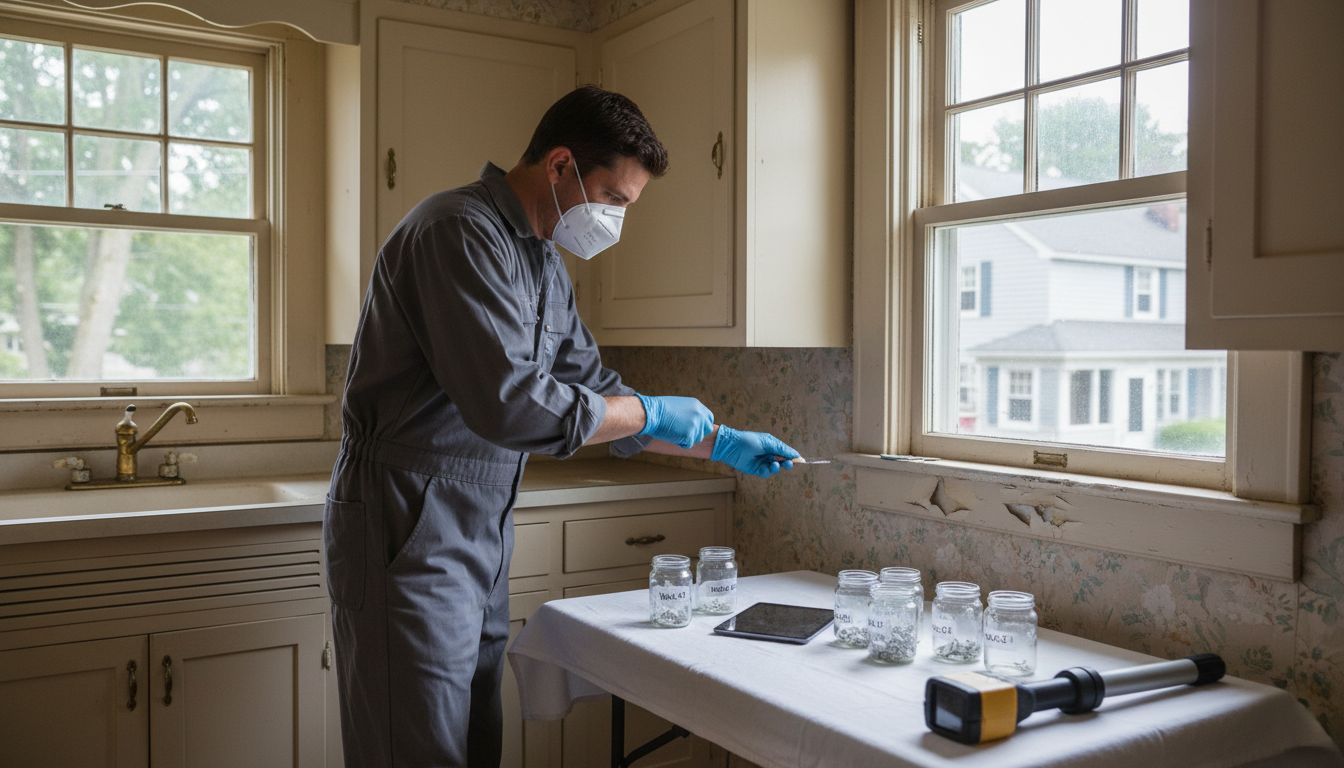
Sample structure for your appraisal challenge packet
- Cover letter (1 page): Summary and list of included documents.
- Appraisal report copy (highlight errors).
- Side-by-side comparable analysis (spreadsheet or table).
- Photos and floor plans.
- Renovation receipts, permits, contractor contacts.
- Pre-listing or buyer inspection report.
Keep it professional. No emotion. Facts only.
When to accept the appraisal and when to push harder
Push harder if:
- The appraisal has factual errors.
- The appraiser used poor comps or older sales.
- You have strong, documented local data.
Accept or pivot if:
- Your evidence is weak or nonexistent.
- The market has cooled and comps support the lower number.
If you can’t move the lender, negotiate with the buyer. Typical outcomes: buyer pays difference, seller reduces price, or split the gap.
Negotiation tactics that convert
- Ask for 48–72 hours to present the challenge and get a second opinion.
- Offer to cover a portion of the shortfall in exchange for contract certainty.
- Request a price reduction tied to concrete fixes backed by receipts.
Be direct. Present options, don’t beg.
How a local realtor makes the difference in Georgetown
A local, experienced agent knows which comps matter, which upgrades move value, and how to package the evidence so lenders respond. They can also broker a solution between buyer and seller fast.
That’s why sellers in Georgetown call for help immediately when appraisals miss the mark. It’s about speed, accuracy, and a clean, professional packet that lenders can act on.

Fast checklist: What to do the moment you get a low appraisal
- Read the appraisal fully (don’t rely on summaries).
- Verify property data (sq ft, rooms, lot size).
- Match the appraiser’s comps against local closed sales.
- Collect invoices, permits, and before/after photos.
- Order an independent appraisal if possible.
- Deliver a concise challenge packet through the lender or mortgage broker.
- Prepare fallback negotiation options.
Why local market knowledge beats national data
National tools and automated valuations miss neighbourhood nuances. Georgetown has pockets where buyers pay premium for walkability to downtown, schools like Acton or Guelph access, or recent infrastructure improvements. Local agents live in that data every day. They turn subtle market signals into documents lenders respect.
Call to action
If your appraisal in Georgetown came in low, don’t accept it passive. I’ll review the appraisal, pull the right comps, and assemble the challenge packet. Do it right — quickly.
Contact Tony Sousa, Local Georgetown Realtor
- Email: tony@sousasells.ca
- Phone: 416-477-2620
- Website: https://www.sousasells.ca
FAQ — Appraisals, inspections, and disputes in Georgetown, ON
Q: Can I force a lender to change an appraisal?
A: No. You can’t force it. But you can present new, verifiable data. Lenders will order a review or second appraisal if the evidence changes their risk assessment.
Q: How long does an appraisal challenge take?
A: Typically 3–10 business days for the lender to review the packet and respond. A second appraisal takes longer. Move fast — market conditions change.
Q: Who pays for a second appraisal?
A: Usually the buyer. Sometimes the seller will cover or split the cost to keep the deal alive. Discuss options with your agent.
Q: Can a home inspection help increase value?
A: An inspection alone doesn’t raise value, but a documented inspection that proves quality workmanship can remove value deductions and support a higher appraisal.
Q: What if the appraisal’s square footage is wrong?
A: Provide a measured floor plan or measurement report. Correcting factual errors is one of the easiest wins in a challenge.
Q: Are appraisal standards different in Canada?
A: Appraisal methodology in Canada follows professional standards, but the practical process is similar to other markets: comparables, market trends, and condition. Local evidence still matters most.
Q: Should I fix issues before listing to avoid a low appraisal?
A: Yes. Pre-listing inspections and targeted fixes (roof, furnace, major defects) reduce the risk of appraisals being lowered for condition issues.
Q: What’s the biggest mistake sellers make after a low appraisal?
A: Waiting. The market changes. The faster you act with solid evidence, the better your chance to get the number corrected or negotiate a clean solution.
Q: How can I get help right now?
A: Email tony@sousasells.ca or call 416-477-2620 for an immediate appraisal review and challenge plan tailored to Georgetown.
If you want a templated appraisal challenge packet or a local comp report for your property in Georgetown, request it now. Fast action wins deals.