How can I check crime rates in a neighborhood?
Can your home sale tank because of neighborhood crime? Learn the exact, local checks that protect your price — fast.
Why every Georgetown seller must check neighborhood crime rates
If you’re selling a home in Georgetown, ON, ignoring local crime data is a costly mistake. Buyers don’t just buy a house; they buy a neighborhood. That means safety—real or perceived—directly affects buyer demand, sale price, time on market, and the strength of offers.
I’ll be direct: buyers research. They scan police maps, they ask local groups, and they probe listings for red flags. If you don’t control the narrative, buyers will. That gives them leverage to lowball. You can avoid that by checking crime rates early, fixing vulnerabilities, and using facts to keep your price.
Where to check crime rates — the exact sources that local sellers should use
Use multiple sources. Official data + local reports = a clear picture.
-
Halton Regional Police Service (HRPS) — public safety pages and crime statistics
-
Visit the Halton Regional Police Service website and search “community safety” or “crime statistics.” HRPS provides local reports, press releases and community alerts for Halton Hills (Georgetown).
-
Statistics Canada — Police‑reported Crime Statistics and Crime Severity Index (CSI)
-
Use Statistics Canada for trend data and the Crime Severity Index. CSI lets you compare how Georgetown/Halton Hills stacks up to provincial or national averages.
-
Town of Halton Hills — open data and community safety reports
-
Municipal open data portals sometimes publish calls for service, traffic incidents, or neighborhood safety initiatives. Town council minutes can also reveal safety investments that help you market the area.
-
Local neighborhood crime maps and aggregators
-
Look for regional crime maps (HRPS often links to mapping tools). Use Google search like “Georgetown crime map” or “Halton Hills crime map” to find interactive tools and recent incident maps.
-
Local news and community Facebook/Nextdoor groups
-
Community discussions and local reporting reveal trends not yet in official stats. Monitor these to understand perception and recurring issues.
-
Speak to the local constable or community liaison
-
Phone the Halton Regional Police non-emergency line and ask about trends in your immediate neighborhood. They’ll often give context and suggest safety programs.
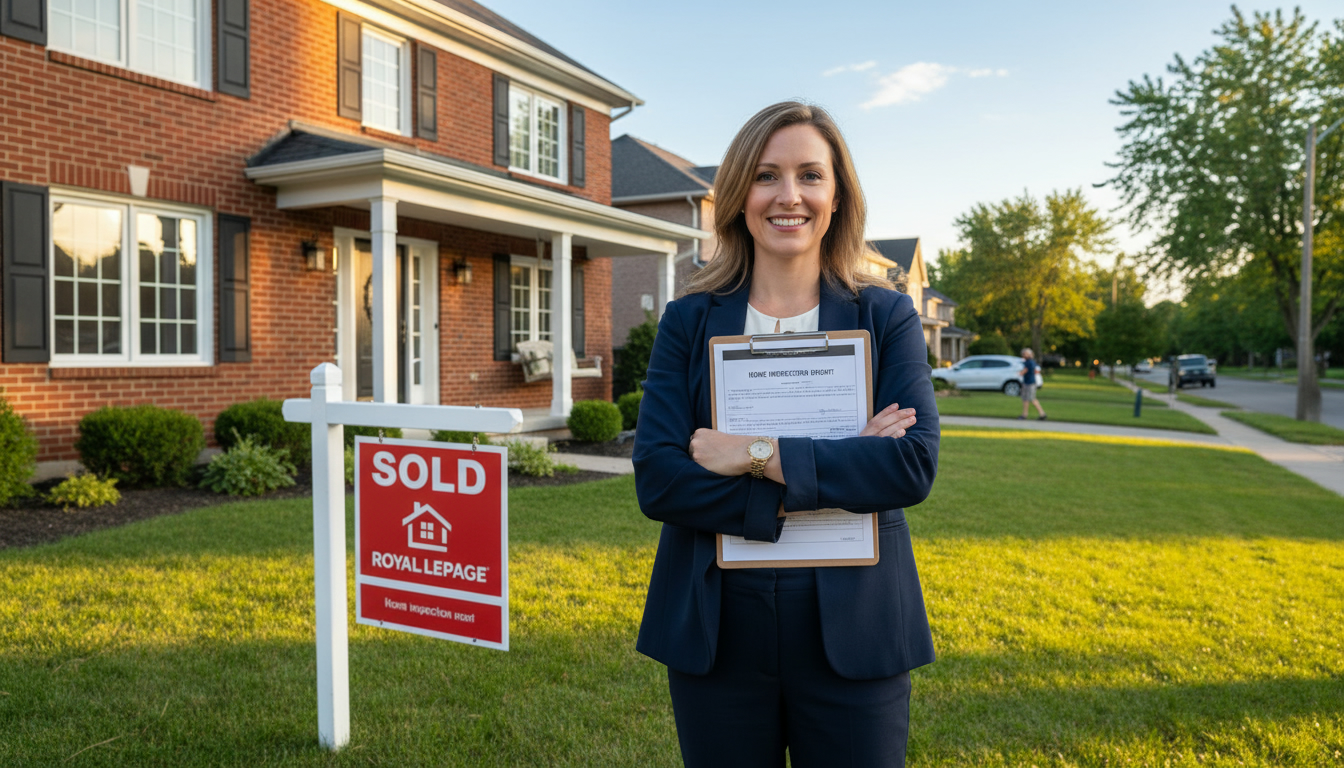
Step-by-step checklist: How to verify crime rates fast (use this before listing)
- Pull official stats from HRPS and Statistics Canada for the past 12–36 months.
- Compare the Crime Severity Index and incident counts to Halton Region and Ontario averages.
- Check the last 3 months of community alerts and press releases on HRPS.
- Search local news for recurring issues: break‑ins, theft, vandalism, gang activity.
- Scan community forums for resident reports — note frequency and locations.
- Call the non‑emergency Halton Regional Police line and ask about any active patterns.
- Ask your realtor for comparable sales and buyer feedback mentioning safety.
- Walk the block at showing times (weekday evenings, weekend mornings) to observe lighting, activity, loitering.
Do this once when prepping your listing and again before open houses.
How crime data affects your sale — price, time on market, and buyer psychology
-
Pricing: higher perceived risk compresses buyer demand and drops price. If crime data shows spikes, buyers will demand discounts.
-
Time on market: neighborhoods with negative safety perceptions take longer to sell. Every extra week increases holding costs and weakens negotiation power.
-
Offer quality: safety concerns attract conditional or low-ball offers. Clean stats attract clean offers.
-
Marketing: you lose control if buyers discover data after seeing the house. Lead with facts to build trust.
How to use crime data to protect and increase your sale price
-
Be proactive with disclosure: present verified, contextual crime info in your seller packet. Buyers respect transparency and are less likely to invent worst‑case scenarios.
-
Show improvements: install or highlight security systems, new exterior lighting, motion cameras, and secure locks. Keep receipts and service records to prove investment.
-
Stage timing: schedule open houses when the neighborhood is calm and well-lit. Remove anything that suggests neglect.
-
Price with data: if minor incidents exist, adjust expectations modestly but emphasize long-term trends or recent improvements.
-
Provide neighborhood comparables: show similar homes sold in the same timeframe. If comparable sales were unaffected despite local incidents, that’s a selling point.
-
Market community strengths: schools, parks, active community associations, and local policing programs (neighbourhood watch, community policing) counterbalance raw incident counts.
Quick scripts: What your agent should say when buyers ask about safety
-
When asked about recent incidents: “We monitor Halton Regional Police reports and Statistics Canada trends. The data shows [state factual trend], and the seller has added [security upgrades].”
-
When buyers bring up online complaints: “I track local community posts and police alerts. Many reports are one‑off incidents—here are the official numbers over 12 months.”
-
If a buyer pushes for a discount over safety concerns: “I’ll show you the verified stats and recent comparable sales. If there are concerns after review, we can negotiate with facts.”
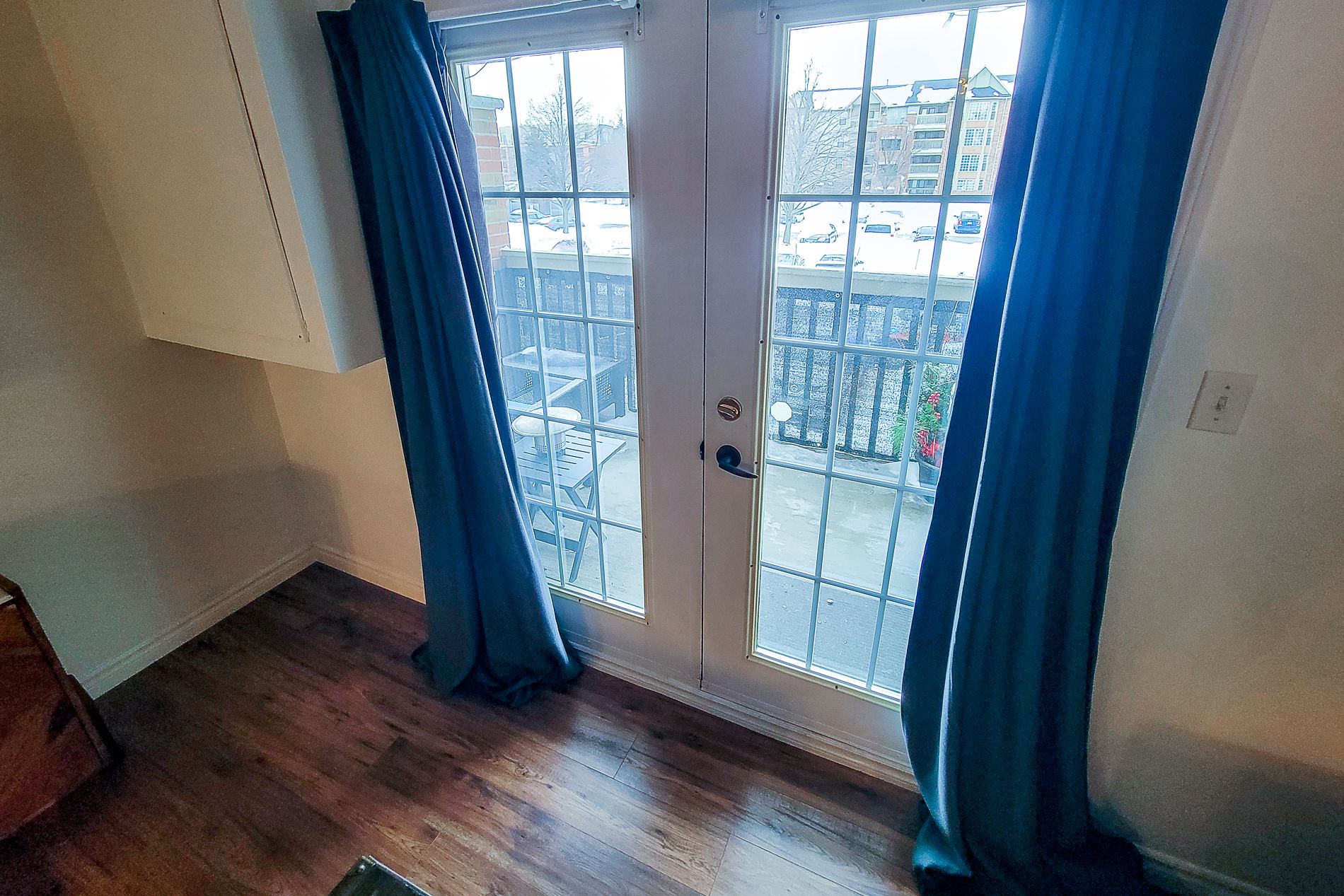
Fixes and upgrades that move the needle quickly (low cost, high perceived value)
- Exterior motion lights and smart security cameras (visible, with receipts) — buyers see action.
- New deadbolts and reinforced entry points — cheap reassurance.
- Trim landscaping to improve sightlines and visibility.
- Add timers to lights to show the home is active and cared for.
- Provide a printed safety packet with official stats and a list of improvements.
These upgrades reduce perceived risk more than raw crime numbers often do.
When to call a professional: get help from a local realtor with neighborhood expertise
You need someone who knows Georgetown — not just MLS data. A seasoned local realtor will:
- Pull hyperlocal crime reports and explain trends.
- Position your home with targeted marketing that neutralizes safety concerns.
- Advise on realistic pricing based on both stats and buyer sentiment.
If you want a clear plan for selling in Georgetown that protects your price, call Tony Sousa at 416‑477‑2620 or email tony@sousasells.ca. Local knowledge wins negotiations.
Sample neighborhood safety packet — what to include with your listing
- A one‑page summary of HRPS verified incident counts for the past 12 months.
- Statistics Canada Crime Severity Index comparison.
- A list and receipts of security upgrades and dates installed.
- Recent comparable sales and sale dates.
- Contact info for neighborhood community associations and the Halton Regional Police non‑emergency line.
Hand this to buyers and their agents. Transparency builds trust and speeds offers.
Final playbook: Sell faster, protect your price
- Check HRPS and Statistics Canada first.
- Cross‑check with local news and community groups.
- Make quick security upgrades and keep receipts.
- Prepare a one‑page crime and safety summary for buyers.
- Price defensibly — use local agent insight to adjust, not to panic.
- Use transparency to reduce buyer fear and strengthen offers.
This is practical, no‑nonsense work. Do it, and you’ll sell faster and get better offers.
Frequently Asked Questions — Crime Rates and Selling Homes in Georgetown, ON
Q: Where can I find the most accurate crime data for Georgetown?
A: Start with Halton Regional Police Service for local reports and Statistics Canada for trend data and the Crime Severity Index. Supplement with Town of Halton Hills open data and local news.
Q: Will a few break‑ins nearby destroy my sale?
A: Not automatically. Buyers weigh frequency and trend. A handful of one‑off incidents is different from an upward trend. Use official data and visible security improvements to reassure buyers.
Q: Do I have to disclose local crime incidents to buyers?
A: Disclosure laws vary. You must disclose known issues that materially affect the value of your property. Rather than waiting, provide a safety packet with verified stats. Transparency reduces uncertainty.
Q: How much should I budget for safety upgrades before listing?
A: You don’t need expensive fixes. $500–$2,500 typically covers visible, high‑impact upgrades: motion lights, cameras, locks, and landscaping. These often return more than the cost by preserving sale price.
Q: Can crime data be used to negotiate a higher price?
A: Yes — if the data shows safety improving or the neighborhood compares favorably to regional averages. Use verified stats to justify your price and neutralize lowball offers.
Q: Should I worry about online community claims?
A: Monitor them but verify. Many complaints are anecdotal. Cross‑check with HRPS and official reports before adjusting strategy.
Q: How will a local realtor help with crime concerns?
A: A local realtor provides context, pulls hyperlocal reports, recommends targeted upgrades, and crafts marketing that emphasizes safety improvements and community strengths.
Q: Who can I call for local crime info and safety programs in Georgetown?
A: Contact the Halton Regional Police non‑emergency line and the Town of Halton Hills community services. For selling advice, contact Tony Sousa at tony@sousasells.ca or 416‑477‑2620.
If you’re selling in Georgetown, don’t guess. Use official data, act fast on low‑cost fixes, and control the story. That’s how you protect your price and win the sale.
Contact: Tony Sousa — tony@sousasells.ca | 416‑477‑2620 | https://www.sousasells.ca