What renovations are allowed in condos?
What Renovations Are Allowed in Condos? Read This First — Georgetown Owners: Don’t Start a Reno Without These Rules
Quick answer up front
Yes, you can renovate a condo in Georgetown, ON — but not everything. Cosmetic changes inside your unit usually fly. Structural or common-element changes rarely do. The difference between a smooth, profitable sale and an expensive headache is simple: know your condo declaration, get board approval when required, secure permits from Town of Halton Hills when needed, and document everything for buyers.
Why this matters right now in Georgetown
Buyers in Georgetown want move-in-ready condos close to the GO station, schools, and downtown. Renovations can raise price and speed of sale — when done right. But an unapproved alteration can scare buyers, stall sales, or force costly reversals. If you’re selling, show approved work and receipts. If you’re buying, ask for documentation. That’s how you win value and avoid risk.

The framework: who controls what
- The condo corporation controls common elements and limited common elements. These include structural walls, plumbing risers, heating systems that serve multiple units, balconies, and building exterior.
- Unit owners control the unit interior — but only within the limits of the condo declaration, bylaws, and rules.
- Municipal permits (Town of Halton Hills) may still be required even for work inside a unit if it touches electrical, plumbing, or structural systems.
In plain terms: if the work affects a shared system or a building component, expect to need approval from both the condo board and possibly the municipality.
Common renovations allowed with minimal fuss
These upgrades are typically allowed and increase buyer appeal:
- Paint and trim inside your unit — neutral colors sell faster.
- New flooring (vinyl planks, engineered hardwood) — confirm subfloor and soundproofing rules; some condos require acoustic underlay.
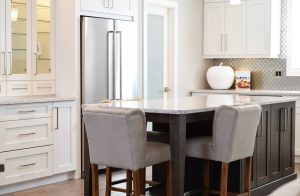
- Kitchen cabinet refacing and countertop replacement — avoid changing plumbing locations unless approved.
- Light fixtures and vanity upgrades — check if electrical changes need permits.
- New appliances — ensure ventilation and building rules for gas or dryer venting.
Tip: For every cosmetic upgrade, keep invoices and product specs. Buyers want proof the work is compliant and high quality.
Renovations that usually need condo board approval
These moves can touch shared systems or limited common elements. Get written board approval before you start.
- Replacing windows or balcony doors.
- Modifying balcony surfaces or railings.
- Reconfiguring layout that involves moving non-load-bearing walls (some declarations define interior walls as common elements).
- Changing plumbing layout that affects risers or common stacks.
- Installing in-suite laundry if the building has centralized laundry or limited plumbing capacity.
- Altering HVAC systems if the building has centralized heating/cooling.
Board approval often requires drawings, contractor insurance, a timeline, and a deposit to protect common elements. Expect conditions. Don’t assume verbal approval from a superintendent counts.
Renovations that are almost always blocked or expensive
- Removing load-bearing walls or altering structural elements.
- Any work that affects fire separation, fire alarms, sprinklers, or egress paths.
- Extensions into common elements (enclosing balconies into living space) without a major vote and extensive engineering.
If your plan touches safety systems or structural integrity, the board will demand engineering reports, permits, and high insurance coverage. That raises cost and delays the sale timeline.

Town of Halton Hills and municipal permits
Even if the condo board approves, the Town of Halton Hills may require permits. Examples:
- Plumbing re-routing that affects waste stacks or the municipal sewer connection.
- Electrical service upgrades.
- Structural changes.
Before you sign contracts with contractors, ask them whether municipal permits are required. Most reputable contractors will know and will include permit costs in bids. If they don’t, ask the contractor to confirm in writing.
The process: how to renovate without killing the sale
- Read your condo declaration and bylaws. Identify “unit” vs. “common element.” If you don’t understand it, get a short review from your agent or a condo lawyer.
- Speak to the property manager and request the board’s requirements for in-suite renovations. Get them in writing.
- Hire licensed contractors who provide proof of insurance, WSIB clearance, and will obtain permits if needed.
- Submit the condo board application with plans, timelines, contractor details, and insurance certificates. Expect a response window — factor it into your timeline.
- Keep records: approvals, permits, invoices, warranties, and photos of the finished work.
- When you list, include a renovation pack for buyers: board approvals, permits, contractor contact, and product warranties.
Do this and the buyer sees confidence. Skip it and you’ll spend time answering questions, risk price reductions, or face post-closing claims.
Renovations that increase resale value in Georgetown
- Neutral, durable flooring with approved acoustic underlay (appeals to commuters and families).
- Kitchen refresh with modern cabinets and quartz countertops.
- Bathroom upgrades focused on walk-in showers and efficient fixtures.
- Smart thermostats and efficient lighting (energy savings matter to buyers).
Always emphasize approved work and warranty documents in your listing copy. Buyers pay a premium for low-risk, professionally done renos.
Pricing and timing: what to expect
- Small cosmetic projects (paint, fixtures, flooring) can increase perceived value quickly and cost little compared to the price lift.
- Major reconfigurations rarely pay off because buyers prefer guaranteed compliance over ambitious layouts that require buyer approval.
- If you plan a major renovation to boost value, factor in at least 6–12 weeks for approvals, permits, and construction. That affects your sale timeline.
A smart strategy: do targeted, low-risk upgrades before listing. Save major structural work only if you plan to live in the unit longer or get formal, pre-sale approvals and documentation ready.

How this impacts the Georgetown condo market
Georgetown’s condo market draws commuters, first-time buyers, and downsizers. These buyers value convenience and low-maintenance living. The key to standing out is trust: buyers will pay more for a unit with documented, board-approved improvements. Listing a unit with unapproved changes narrows your buyer pool to those willing to accept legal and financial risk.
Agents who understand condo rules sell faster and for more. That’s why sellers in Georgetown should choose an agent who forces compliance, collects documentation, and positions the improvements in a way that matters to buyers.
Why you should work with a local expert
You need an agent who: knows the Town of Halton Hills permit process, has relationships with property managers and condo boards, and understands what local buyers pay more for. You don’t want a generalist who guesses and leaves paperwork to you. You want clarity, speed, and a higher sale price.
I’m Tony Sousa, the local realtor who helps Georgetown condo sellers navigate board rules, municipal permits, and buyer expectations. I collect approvals, prepare renovation packs for listings, and position compliant upgrades to maximize sale price and time on market.
Contact: tony@sousasells.ca | 416-477-2620 | https://www.sousasells.ca
Final checklist before you start renovating (do this now)
- Read the condo declaration and bylaws.
- Get written board approval for any work beyond paint or cosmetic finishes.
- Confirm municipal permits with Town of Halton Hills.
- Use licensed contractors who will pull permits and provide insurance certificates.
- Keep detailed records and include them in your listing.
Do this, and your renovation becomes a selling tool instead of a sales killer.
FAQ — common questions buyers and sellers ask in Georgetown
Q: Can I change the flooring in my condo?
A: Usually yes, but many condo corporations require soundproofing underlay. Check bylaws for acoustic ratings and get board confirmation if the change is significant. Keep receipts.
Q: Can I remove a wall inside my unit?
A: Only if it’s not load-bearing and the condo declaration doesn’t classify it as a common element. You must get written board approval and often an engineer’s report. Expect tight scrutiny.
Q: Do I need a permit from the Town of Halton Hills?
A: Possibly. Structural, plumbing, and significant electrical work typically require municipal permits. Confirm with your contractor and the Town.
Q: Will the condo board allow in-suite laundry?
A: Some buildings do; others don’t because of plumbing capacity or insurance concerns. Submit a formal request, include contractor details, and be prepared for a denial or conditions.
Q: Can I enclose my balcony to add living space?
A: That’s a major change to common elements and usually needs a corporation-level vote, engineering, and municipal approvals. It’s rarely approved and often costly.
Q: How do approved renovations affect resale?
A: Positively. Approved renovations reduce buyer friction, shorten market time, and can increase sale price. Unapproved work scares buyers and may reduce offers.
Q: What documents should I provide to buyers?
A: Board approvals, municipal permits, contractor invoices, warranties, and proof the contractor carried insurance and WSIB.
Q: Who pays to restore common elements if damage occurs?
A: Usually the owner who caused the damage pays. That’s why boards often require a deposit and proof of insurance before work starts.
Q: How long does board approval take?
A: Varies. Expect anywhere from a few days to several weeks. Factor this into any renovation or sale timeline.
If you want a fast, accurate review of your renovation plan and how it impacts resale value in Georgetown, I’ll help. I handle the paperwork, coordinate with the property manager, and get your renovations sale-ready.
Contact: tony@sousasells.ca | 416-477-2620 | https://www.sousasells.ca