

Should I disclose special assessments?
“Should I disclose special assessments?” — You’ll lose money if you don’t. Read this now.
Stop the guesswork: disclose special assessments or pay later
If you’re selling a condo in Georgetown, ON, this single issue will control how fast your unit sells, how many buyers show up, and how much you walk away with: special assessments. Don’t duck it. Disclose it clearly, early, and with proof.
This post tells you exactly what to disclose, why it matters in Georgetown specifically, the legal and financial fallout if you don’t, and the exact steps to protect your sale and your wallet.
What a special assessment is — in plain terms
A special assessment is an extra fee the condo corporation charges owners to cover costs the regular condo fees won’t cover. Think unexpected roof work, major boiler repairs, or shortfalls in the reserve fund. It can be a one-time lump sum or split across several payments.
Keywords: special assessment, condo special assessment, disclose special assessments, Georgetown condo, selling condo Georgetown

Why this matters more in Georgetown, ON
- Many Georgetown condos are older stock with aging mechanical systems. That raises the chance of a special assessment.
- Local buyers compare condo fees and neighbourhood resales closely in Georgetown’s tight market. A surprise assessment kills confidence fast.
- Lenders and appraisers in Halton Hills/Georgetown react to assessments. If the monthly costs spike, financing gets harder.
Local keyword focus: Georgetown ON condo, Georgetown condo sales, Halton Hills condo assessment
The legal framework you must know (Ontario-specific)
- Status Certificate: Under Ontario’s Condominium Act, the buyer has the right to request a status certificate. It contains critical info — current common expenses, reserve fund balance, and known contingencies including approved special assessments or ongoing legal actions.
- Timing: Sellers or their agents must provide truthful answers and give status certificates when requested. Failure or false statements give the buyer rights to rescind the deal or claim damages.
- Duty of honesty: Beyond the status certificate, REALTORS and sellers must not misrepresent facts. Hiding a known, imminent assessment that you were aware of can be treated as misrepresentation.
Keywords: Condominium Act Ontario, status certificate, Ontario condo law, disclose special assessments Ontario
Financial and sales impact — what actually happens when you hide it
- Reduced buyer pool: Many buyers can’t or won’t swallow large, unexpected bills. That shrinks offers and creates longer time on market.
- Financing falls through: Some lenders re-evaluate eligibility if assessments raise monthly obligations. Buyers can lose mortgage pre-approval.
- Price pressure: Expect lower offers. Buyers will demand credits, price reductions, or for the seller to pay the assessment.
- Post-sale liability: If you knowingly hid a major assessment, the buyer can pursue legal remedies. That can mean damages, having the sale rescinded, or costly settlements.
Keywords: selling condo Georgetown, condo assessment impact, special assessment legal risk
How to disclose the right way — step-by-step (so buyers trust you and offers stay strong)
- Pull the status certificate early. If a prospective buyer asks for it, provide it fast. Delaying gives buyers leverage.
- Include a clear line in your MLS and listing: “Special assessment approved/pending: $X per unit, payment schedule…” Don’t bury it in fine print.
- Provide supporting docs: board minutes, engineer’s reports, invoices, and the condo’s letter to owners. Evidence builds trust.
- Offer options: price adjustment, seller credit, or paying the assessment out of closing funds. Be explicit which you’ll choose.
- Add a contingency clause in the agreement addressing the assessment. Make the path to closing predictable.
- Work with your Realtor and lawyer. They’ll draft disclosure language that protects you and communicates clearly to buyers.
Keywords: how to disclose special assessments, status certificate Georgetown, condo board minutes
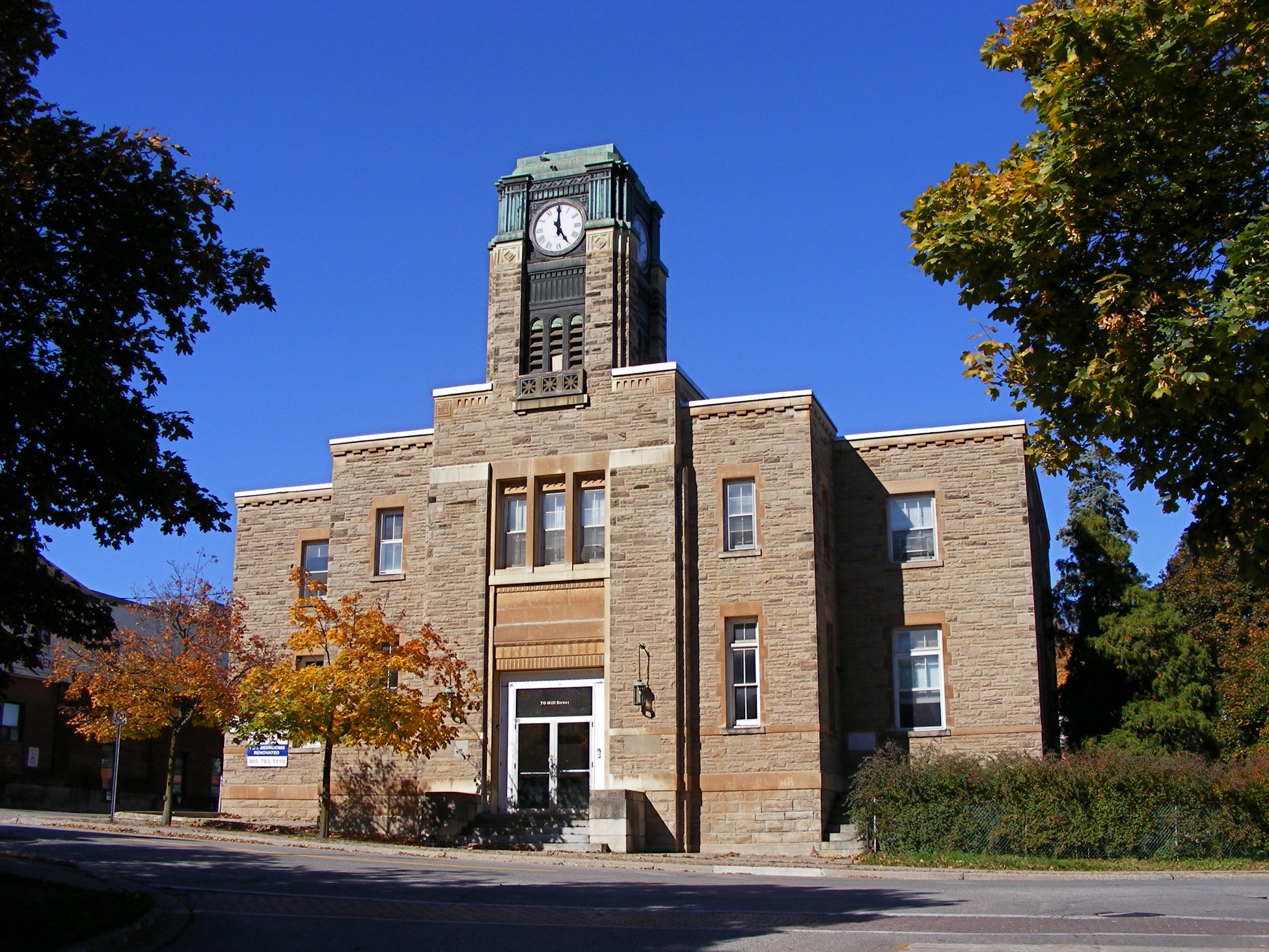
Practical negotiation strategies for sellers in Georgetown
- Price it to win: If the assessment is large, adjust the list price to reflect net cost after the assessment. Buyers respond to transparent math.
- Split the cost: Offer to pay part of the assessment to keep buyers from walking. It’s cheaper than waiting months to sell.
- Time the sale: If the assessment charges won’t hit until after closing, negotiate who covers what. Remember — buyers still consider future liability.
- Market the upside: If the assessment fixes a major problem that improves building value (new roof, updated HVAC), highlight that benefit.
Keywords: Georgetown condo selling tips, negotiate special assessment, sell condo with assessment
What buyers will check — and what sellers should expect buyers to ask
- Status certificate details about the reserve fund and any outstanding special assessments.
- Recent condo board minutes discussing scope and approval of the assessment.
- Cost breakdown and payment schedule.
- Whether the board has applied for financing (which can affect future fees) or already approved the assessment.
Prepare these documents in advance. It reduces friction and increases buyer confidence.
Worst-case legal exposure for sellers
- Rescission: A buyer can walk away if material facts were misrepresented.
- Lawsuit for damages: Buyer can claim compensation for additional costs or loss in value.
- Agent discipline: REALTORS can face complaints for failing to disclose known assessments.
If you knew about an assessment and didn’t disclose it, expect to pay more — legally and in lost deals — than simply telling buyers up front.
Keywords: misrepresentation Ontario, buyer rescind condo, REALTOR disclosure
Exact language you can use in your listing (copy-paste)
“Important: Special assessment approved by the board on [date]. Unit share: $X. Payment schedule: [dates or installments]. Status certificate and board minutes available on request. Please review before submitting an offer.”
Use this in MLS and in the property information package. Clarity reduces negotiation friction.

Checklist for sellers — final pre-list steps
- Order the status certificate and review it.
- Get the latest 12–24 months of condo board minutes.
- Ask the condo manager for the reserve fund study and any engineers’ reports.
- Decide whether you will offer to pay all/part of the assessment or reduce price.
- Add explicit disclosure language to your listing and to the disclosure package.
Keywords: seller checklist special assessment, condo selling checklist Georgetown
How this protects you financially
Disclosing upfront shortens the sales cycle. Fewer surprises equal stronger offers. If you’re honest and provide documents, buyers are likelier to trust your price and terms. In most cases, a small price concession sells the deal faster than trying to hide the issue and losing multiple offers.
Final, blunt truth: hiding it is a bet you will lose
Hiding a known special assessment is gambling with legal exposure, buyer trust, and your proceeds. Disclose early. Show the papers. Offer reasonable options. That’s how you sell fast, with fewer headaches, and keep the money in your pocket.
Frequently Asked Questions (FAQ)
Do I legally have to disclose a special assessment when selling a condo in Ontario?
You must provide accurate information and the buyer will request a status certificate. The status certificate includes information about special assessments and the reserve fund. Knowingly hiding a material fact can lead to rescission or damages. Be transparent.
What if the special assessment hasn’t been approved yet?
Disclose what you know. If the board discussed a likely assessment in minutes or provided notice to owners, you should say so and provide the board minutes. Buyers expect to see the facts you have.
Who pays the special assessment — seller or buyer?
It’s negotiable. If it’s already charged to owners before closing, the seller may need to settle it. If it’s charged after closing, the buyer may pay. Typically, sellers offer a credit or discount to facilitate the sale.
Can a buyer cancel after getting the status certificate?
Yes. If the status certificate reveals a material issue the buyer did not expect, and the buyer has a valid condition in the offer, they can back out. The buyer also has a legal right to rescind in certain misrepresentation scenarios.
Will a special assessment kill my sale in Georgetown?
Not necessarily. If you disclose, provide documentation, and price or negotiate appropriately, you can still sell quickly. Concealing it increases the chance of deals falling apart.
How do special assessments affect mortgage approvals?
Lenders review condo fees and other obligations. A new assessment can change debt service ratios and impact approval. Buyers with tight financing are most at risk.
Should I hire a lawyer before listing?
Yes. A real estate lawyer will help you review the status certificate and draft disclosure language that protects you.
Where can I get help with this in Georgetown, ON?
Call or email a local expert who handles Georgetown condo sales daily. For a direct consult, contact: tony@sousasells.ca | 416-477-2620 | https://www.sousasells.ca
Selling a condo in Georgetown is straightforward if you get ahead of special assessments. Disclose early, provide proof, and negotiate cleanly. That’s how you protect your sale and your money.
Author: Local Georgetown condo specialist and licensed REALTOR. Contact: tony@sousasells.ca | 416-477-2620 | https://www.sousasells.ca