What documents do I need at closing?
Don’t close your sale until you have these exact documents — missing one can cost you thousands and delay your closing in Georgetown, ON.
Why this matters now
You listed your home. Offers rolled in. Buyers are ready to close. Closing day should be clean, fast, and profitable. But in Georgetown, ON, one missing paper — a mortgage discharge, a survey, or a condo status certificate — will stall the deal and cost you time, stress, and money.
This is a practical, no-fluff closing checklist for Georgetown home sellers. Read it, act on it, and hand over keys only when the file is complete. Follow this and you’ll close on time, avoid surprise hold-ups, and keep more cash in your pocket.
The local reality: Ontario rules that matter for Georgetown sellers
- Closing is handled by your lawyer or licensed paralegal in Ontario. They register the transfer and handle funds.
- Land Transfer Tax (Ontario) applies on every resale; buyers normally pay it, but it affects the closing statements and timing.
- Toronto has a municipal LTT; Halton Region (Georgetown) does not — but your lawyer will confirm the calculation on closing.
- Condo sellers must produce a status certificate. No status certificate = delayed closing.
- Title insurance covers many title issues but doesn’t replace proper documentation.

The complete document checklist for closing in Georgetown, ON
Gather these documents and hand them to your lawyer at least 7–10 days before closing. If you wait until last-minute, expect delays.
- Agreement of Purchase and Sale (fully signed)
- Final signed copy including any addenda. This is the transaction blueprint.
- Government-issued photo ID
- Two pieces if your lawyer requests it. Bring original passports or driver’s licence.
- Certificate of Title / Deed (if available)
- If you have the original deed document, provide it. Your lawyer can register the transfer, but the deed helps verify history.
- Mortgage statement and discharge instructions
- Request a mortgage payoff statement from your lender at least 10 business days before closing. It includes penalties and the exact payout amount.
- Mortgage discharge documents (if you own, not rent)
- If your mortgage is being paid out, the lender provides discharge instruction forms the lawyer needs to register.
- Property tax bills and utility statements
- Up-to-date property tax account number and last tax bill. Utility final readings or confirmation of account status.
- Real Property Report (RPR) or survey
- If available, provide the RPR or survey plan. Buyers often request it. If you don’t have one, expect negotiation or a condition in the sale.
- Condo Status Certificate (for condos)
- Mandatory for resale condo closings. Order it early; condos take days to prepare.
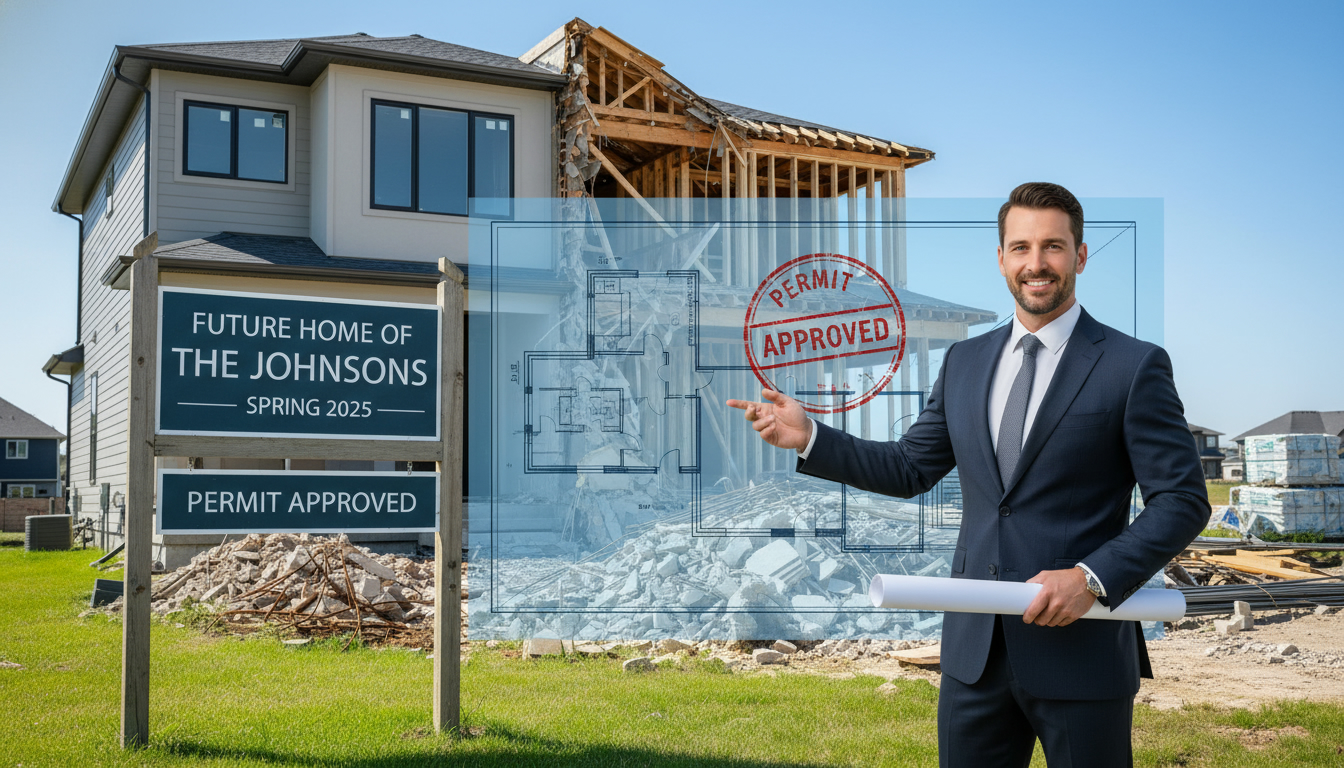
- Building permits and completion receipts (if renovations)
- Any permits, inspection reports, and receipts for renovations, additions or structural work. Buyers and lawyers ask for permits to avoid future legal exposure.
-
Warranties, manuals, and appliance receipts
- Transfer warranties and manuals for included appliances, HVAC, roof or new systems.
-
Keys, remotes, access cards and maintenance documents
- Garage door openers, mailbox keys, pool keys, gate remotes, security system details, and condo common element info if applicable.
-
Tenancy agreements (if property is rented)
- Provide current leases, deposit records, and contact for tenants. Buyers need occupancy details.
-
Proof of compliance with municipal requirements (if requested)
- Example: committee of adjustment approvals, tree-cutting permits, or heritage approvals if applicable.
-
Insurance information and cancellation instructions
- Provide current homeowner’s insurance details and confirm cancellation date (or transfer) for the new owner.
-
Any additional signed affidavits your lawyer requests
- Your lawyer may require sworn affidavits for identity verification or execution of documents.
What your lawyer will prepare and why it matters
- Statement of Adjustments
- This itemizes final debits and credits (property taxes, utilities, condo fees, mortgage payoff). It shows your net proceeds.
- Transfer/Deed of Land
- The formal document that moves title from seller to buyer.
- Affidavit of Execution
- Verifies signatures if needed.
- Direction to Pay and Undertakings
- Authorizes your lawyer to arrange mortgage discharge and tax adjustments.
Your lawyer handles registration with the Land Registry Office and ensures the buyer’s funds are released only when registration completes and title is clear.
Common pitfalls that stall closing — and how to avoid them
- Late mortgage payoff request: Order payoff 10–14 days before closing. Lenders need time to calculate and produce the statement.
- Missing status certificate (condos): Order it immediately after firm sale — wait times can vary.
- No survey or RPR: If a buyer insists, expect negotiation or a delay. Have a copy ready or be prepared to authorize a buyer’s condition to be waived.
- Unpaid property taxes or utility arrears: Pay these or ensure your lawyer accounts for them in the statement of adjustments.
- Renovations without permits: Buyers’ lawyers will flag unpermitted work. Gather permit receipts or be ready to negotiate.
Day-of-closing checklist for sellers (what to bring and expect)
- Photo ID (passport or driver’s licence)
- Any original documents the lawyer requested
- Garage door openers, keys, remotes, and alarm codes
- Copies of final utility readings if requested by your closing lawyer
- Contact info for tenants if occupant is not you
- Banking info for wire deposit (most Ontario lawyers wire seller proceeds directly)
On closing day, your lawyer calls when registration completes. Buyers’ funds are transferred, mortgage paid off, and net proceeds wired to you. If any holdbacks are required (e.g., repairs), your lawyer explains the process.
Quick negotiation points every seller should use
- Get your mortgage payoff early to avoid surprise penalties.
- If a buyer requests an RPR and you don’t have one, offer a credit instead of ordering a survey. It’s often cheaper and faster.
- If renovations lacked permits, disclose them and either secure permits before closing or reduce the price to reflect risk. Full disclosure reduces risk of post-closing disputes.
Local tips for Georgetown sellers — what I see working
- Use a local real estate lawyer familiar with Halton Land Registry practices; they close faster and anticipate local issues.
- Order a condo status certificate the minute the sale is firm. Local condo boards in Georgetown vary in speed.
- Provide a concise file of permits and receipts to your lawyer early. It cuts review time and speeds closing.
- Schedule closing day for mid-week. Lenders and lawyers are busiest on Fridays and month-ends.
Final words — control the closing, protect your proceeds
Closing is not a surprise. It’s a process. The sellers who win are the sellers who prepare. Missing documents cause delays, renegotiations, and sometimes lost sales. Follow this checklist. Work with a local lawyer. And if you want a practical second set of eyes on your closing file in Georgetown, I’m available to walk you through the steps and make sure nothing gets missed.
Contact Tony Sousa for a free closing checklist review in Georgetown, ON:
- Email: tony@sousasells.ca
- Phone: 416-477-2620
- Website: https://www.sousasells.ca
FAQ — fast answers buyers and sellers actually search for
Q: Do I have to be at closing in Ontario?
A: Not always. Sellers can sign documents at their lawyer’s office or sign a power of attorney allowing someone else (often your lawyer) to sign. Your lawyer will advise.
Q: Who pays Land Transfer Tax?
A: Buyers typically pay land transfer tax in Ontario. It appears on the buyer’s HST and closing costs, but your lawyer will note it in the statement of adjustments.
Q: What is a Statement of Adjustments?
A: A final accounting of credits and debits between buyer and seller — property taxes, utilities, condo fees, and other prorated costs.
Q: How long before closing should I order a mortgage payoff?
A: 10–14 business days. Lenders often require lead time to calculate penalties and prepare paperwork.
Q: Do I need a survey or Real Property Report (RPR)?
A: Buyers may request it. If you have one, provide it. If not, negotiate — sometimes a credit is faster than ordering a new RPR.
Q: What if my sale is a resale condo?
A: Order the condo status certificate immediately. Without it, the buyer’s lawyer won’t register the transfer.
Q: Are final utility readings required?
A: Often yes. Provide readings or confirm arrangements to transfer accounts. Your lawyer will reconcile any prorated amounts.
Q: Will I get my money the same day as closing?
A: Typically yes — once title registration clears and funds are released, your lawyer wires proceeds to your bank account the same day. Timing depends on the buyer’s lender and registration speed.
Q: What if there are unpaid municipal fines or outstanding work orders?
A: These must be cleared or arrangements made. Your lawyer will flag municipal charges on title and handle payoffs if required.
Q: Do I need to provide warranties and manuals?
A: Not legally required, but it smooths handover and reduces buyer objections. Include any transferable warranties and appliance receipts.
If you want a personal checklist tailored to your property and closing date in Georgetown, ON, reach out. A quick review now prevents a costly delay later.
Contact Tony Sousa — tony@sousasells.ca | 416-477-2620 | https://www.sousasells.ca