
What documents do I need to sell my home?
Want to sell fast in Milton? Here’s the exact paperwork most sellers forget — and how to avoid closing delays.
Quick, Direct Answer: The Must-Have Documents to Sell Your Home in Milton, ON
If you want to sell your home in Milton, ON without surprises, have these documents ready: purchase agreement (when you accept an offer), title/mortgage information, property survey or Real Property Report (RPR), tax and utility bills, building permits and final occupancy certificates, any renovation receipts/warranties, condo status certificate (for condos), seller property information form, appliance manuals/warranties, lease agreements (if rental), and identification for closing. Your lawyer will also need mortgage payoff statements, utility adjustments, and any outstanding lien information.
This list sounds simple. Most sellers miss one or two items that slow closing. That’s why local expertise matters.
Why paperwork matters in Milton, Ontario — and why not having it costs you
Milton is fast-moving. Buyers expect clean titles and fast closings. Missing paperwork creates red flags for buyers and lawyers, which means: delays, renegotiations, or cancelled deals. If you’re selling near highways, developments, or have recent renovations, the right documents are non-negotiable. A single missing permit or a missing survey can cost you thousands in closing delays and lost leverage.
You don’t need drama. You need a checklist, a strategist, and someone who knows Milton’s market and local municipal requirements.

The complete checklist — documents to collect before you list
- Agreement of Purchase and Sale (APS)
- This is created when you accept an offer. Keep a signed copy with all terms clear: closing date, chattels included, conditions.
- Title and Mortgage Documents
- Property title information, current mortgage statement, and lender contact for payoff statement. Your lawyer will need lender details to clear the title.
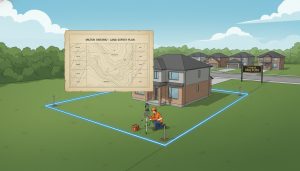
- Survey / Real Property Report (RPR)
- A current survey shows property boundaries and any encroachments. If you don’t have one, a recent RPR or survey copy is strongly recommended.
- Property Tax Bills and Assessments
- Current municipal tax bill, property tax account number, and any recent assessments. Buyers want to see property taxes for budgeting and adjustments.
- Utility Bills and Consumption Records
- Recent electricity, gas, water bills. For buyers and lawyers to adjust closing credits.
- Building Permits and Final Certificates
- Permit numbers and final inspection certificates for additions, decks, basements, or major renovations. Missing permits are a common deal-killer.
- Warranties, Receipts, and Renovation Records
- Proof of work, receipts, warranties for appliances, HVAC, roof, windows, and structural work. This builds buyer confidence and supports your asking price.
- Seller Property Information Forms and Disclosure Statements
- These documents disclose known defects: water issues, history of pests, renovations, drainage problems. Being transparent speeds up trust.
- Condo Documents (if applicable)
- Status certificate, condo bylaws, declaration, reserve fund statement, and recent meeting minutes. Ontario law requires a status certificate for condo transactions — get it early.
-
Easements, Covenants, and Land Use Restrictions
- Any registered rights of way, easements, or restrictive covenants on your title.
-
Lease Agreements and Tenant Records (if rental)
- Copies of current leases, security deposit records, contact details, and tenant move-in/out history.
-
Identification and Closing Signatures
- Photo ID for all owners. Your lawyer will need ID for signing closing documents.
-
Environmental and Septic Documentation (as applicable)
- Well records, septic certificates, and any soil reports. In rural or older properties these matter.
-
Energy Efficiency and Mechanical Records
- Furnace service records, chimney inspections, and recent energy audits.
-
HST and New Construction Documentation (if applicable)
- If your property is newly built or substantially renovated, HST rules may apply. Ask your lawyer.
What’s unique to selling in Milton, ON
- Fast market: Milton moves quickly. Buyers expect clean titles and speedy closings. If documents lag, buyers move to the next property.
- Development pressure: With new subdivisions and infrastructure projects, municipal permits and easements are more common. Confirm municipal work orders and any special assessments with Halton Region or the Town of Milton.
- Rural properties: If you’re outside the urban boundary, have septic and well documentation ready. Different rules apply.
- Condo developments: Many new condo towers near transit corridors require complete status certificates and strata records. Delays from condo corp processing are common — order status certificates early.
Common documents sellers miss (and how that costs you)
- Missing final inspection certificates for renovations — Buyers demand clarity. If missing, a buyer often asks for price reduction or postpones closing until a municipal clearance is obtained.
- No recent property survey/RPR — Boundary disputes or encroachments show up during title searches. This triggers legal work and delays.
- Unordered status certificate for a condo — Condos charge a fee and take time. If you wait until an offer, the buyer may walk.
- Mortgage payoff or discharge instructions not ready — Lenders can take time to prepare payoff statements. That delays funds transfer and closing.
Avoid these by prepping in advance.
How I prepare Milton sellers to win — the pragmatic playbook
- Step 1: Pre-listing file. I assemble a digital folder of the documents above the minute we agree to sell.
- Step 2: Order the hard-to-get items first — status certificates, surveys, and municipal permits.
- Step 3: Coordinate with your lawyer and mortgage lender to pre-order payoff statements and closing instructions.
- Step 4: Transparency packet. I provide buyers with a clean packet of disclosures, warranties, and recent service receipts to reduce conditions and renegotiation.
This method reduces hiccups and keeps buyer confidence high. It’s how top sellers in Milton close on time and at full price.

What your lawyer will ask for (and why it matters)
Your lawyer will request: a copy of the APS, all title documents, mortgage discharge information, identification, property tax details, municipal roll number, utility final readings, and any relevant liens or levies. They prepare the transfer/deed and coordinate registration on closing day. Good lawyers anticipate issues; a responsive lawyer prevents last-minute scrambles.
Pricing leverage: how documents affect your sale price
Buyers pay more for certainty. When you present full permits, warranties, and a clean RPR, buyers remove conditions faster and often pay closer to asking price. Missing documents give buyers bargaining chips. If you want top offers in Milton, you must reduce friction — paperwork is friction.
Simple checklist to hand to your lawyer and agent (printable)
- Signed Agreement of Purchase and Sale
- Current property title and mortgage information
- Recent property survey or RPR
- Municipal tax bill
- Utility bills (last 3 months)
- Building permits and final inspection certificates
- Receipts and warranties for renovations
- Seller property information/disclosure form
- Condo status certificate (if condo)
- Lease agreements (if rental)
- Photo ID for all owners
- Mortgage payoff instructions
- Any easements, covenants, or liens
Final words: don’t gamble with your closing — prepare
Milton’s market rewards sellers who prepare. The right documents win confident buyers, smooth closings, and better prices. If you want a local agent who runs this process like a business — assembling the files, ordering the hard items early, and coordinating the lawyer — call Tony Sousa. He knows Milton’s municipal offices, condo corporations, and lender timelines. That local knowledge removes surprises.
Contact: tony@sousasells.ca | 416-477-2620 | https://www.sousasells.ca

FAQ — Common Questions Milton Home Sellers Ask
Q: Do I need a survey (RPR) to sell my home in Milton?
A: You don’t always legally need one, but nearly every buyer’s lawyer will ask for it. If you don’t have one, expect requests for a copy or a condition in the offer. Best practice: order or locate the latest RPR before listing.
Q: What is a status certificate and when is it required?
A: A status certificate is a condo document that outlines the condo corporation’s financials, rules, and any pending legal or maintenance issues. Ontario law requires it for condo sales. Order it as soon as you list to avoid delays.
Q: Will missing permits stop my sale?
A: Missing permits don’t automatically stop a sale, but they create negotiation points. Buyers may request clearance, price reductions, or holdbacks. The safe move: produce permits and final inspection certificates before listing.
Q: Who pays for the survey or status certificate?
A: Typically the seller pays for their own copies (survey) before listing. Status certificates are ordered by the seller but cost varies; the condo corporation charges a fee.
Q: How long before closing should I get mortgage payoff information?
A: Request a payoff statement 7–10 days before closing. Lenders sometimes take longer, so pre-notify your lender early.
Q: Do I need to disclose problems with the house?
A: Yes. Ontario law and professional practice require you disclose known material defects. Use the Seller Property Information forms to be transparent and avoid later legal issues.
Q: What if I lose important documents like the original deed?
A: Your lawyer can obtain a copy of the title from the land registry. You’ll want to notify your agent and lawyer immediately so they can secure necessary replacements.
Q: How can I speed up the process in Milton?
A: Prepare the checklist above before listing, order hard-to-get items early, and work with a local agent and lawyer who know Milton timelines. That prevents last-minute delays.
Q: Do I need a home inspection report to sell?
A: No, it’s not required, but providing a pre-listing inspection can increase buyer confidence and reduce conditions. It’s optional but strategic.
Q: Who should I call for help getting these documents?
A: Call a local Milton realtor who knows the municipal and condo processes. For direct help, contact Tony Sousa at tony@sousasells.ca or 416-477-2620.
If you’re selling in Milton, don’t gamble on missing paperwork. Get the right documents ready, work with a local pro, and close with confidence.