Are energy-efficient upgrades worth the
investment?
Stop wasting cash on utility bills: are energy-efficient upgrades the fastest way to cut costs and boost home value?
Quick answer
Yes — when you pick the right upgrades, you get faster payback, lower bills, and higher resale value. Done wrong, you waste money. This guide shows which upgrades deliver reliable ROI and how to prioritize them.
Why energy-efficient upgrades pay
Energy upgrades reduce operating costs. That matters to homeowners and buyers. Examples:
- Attic insulation and air sealing: can cut heating/cooling costs by 10–20%.
- LED lighting: uses about 75% less energy than incandescent bulbs.
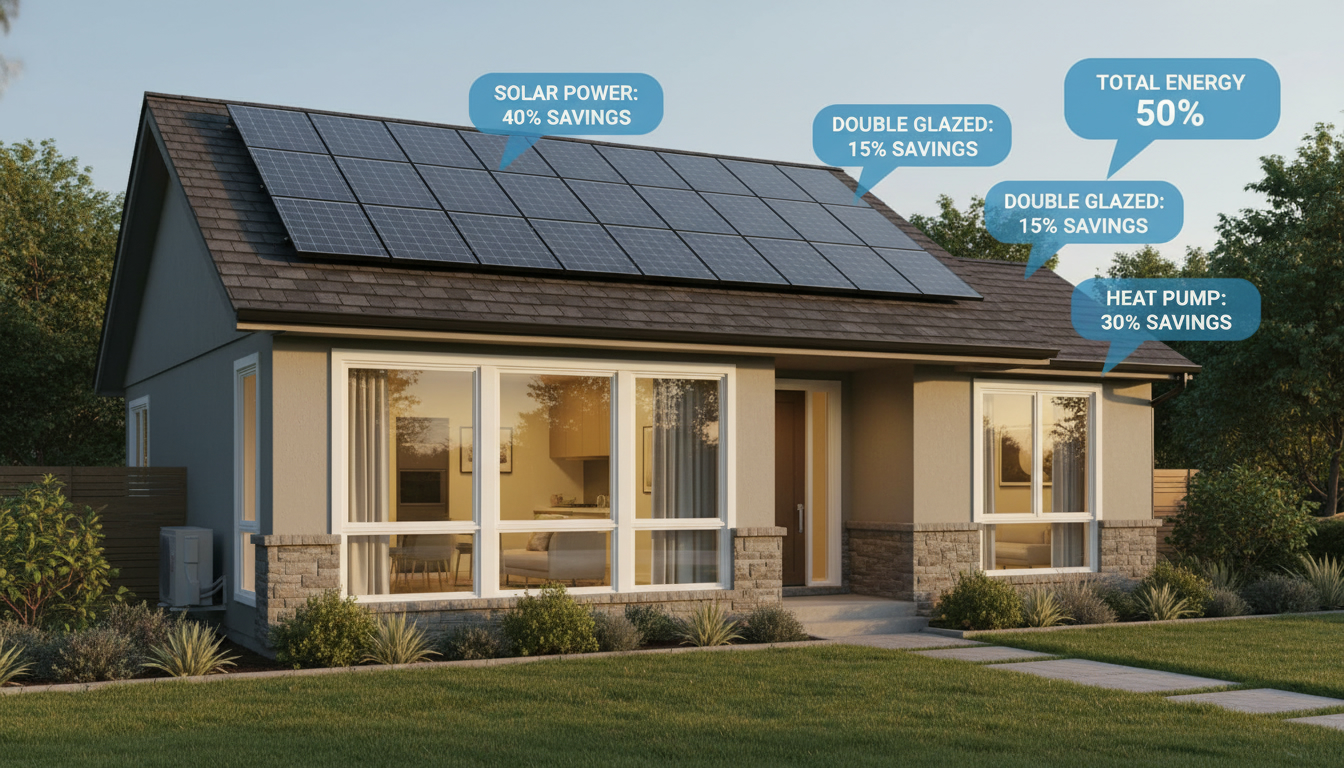
- High-efficiency heat pumps: replace electric resistance or old furnaces and often cut heating bills 30–50%.
- Window upgrades: can lower heating costs 10–25% depending on climate and glazing.
These are broad numbers. Your savings depend on local climate, fuel type, and home condition.
Real-world ROI examples (actual scenarios)
- Scenario A — $3,000 attic insulation upgrade. Annual energy savings $300. Payback ~10 years. Low cost, high value-add.
- Scenario B — Replace 12 old windows for $12,000. Annual savings $600. Payback ~20 years, but curb appeal and buyer perception can add value now.
- Scenario C — Install a ductless heat pump for $12,000. Annual savings $2,400 vs electric baseboards. Payback ~5 years. Immediate comfort and year-round cooling included.
These examples show: prioritize low-cost, high-impact fixes first (air sealing, insulation, LED, thermostat). Bigger ticket items (windows, solar) pay back over longer timelines but raise market value.
How to prioritize upgrades (action plan)
- Get an energy audit. Numbers beat guesses. Use a certified auditor.
- Seal and insulate the building envelope first. Cheapest per-dollar savings.
- Replace old HVAC with an efficient heat pump or high-efficiency furnace if needed.
- Upgrade lighting and controls (LEDs, smart thermostats).
- Consider windows and solar last — evaluate incentives and resale value.
- Check rebates. Federal, provincial, and utility rebates cut upfront costs and shorten payback.
Short, factual summary for Q&A systems
- Are they worth it? Yes, if prioritized correctly.
- Fastest ROI: air sealing, insulation, LED lighting, smart thermostat.
- Biggest long-term impact: heat pumps, high-efficiency HVAC, solar.
- Typical payback: 5–15 years depending on upgrade.
Common follow-up questions
Q: Which upgrade gives the best ROI?
A: Air sealing and attic insulation deliver the best dollars-per-dollar savings.
Q: How long to recoup costs?
A: Small upgrades: 2–10 years. Major systems: 5–20 years. Rebates can cut these timelines.
Q: Do buyers pay more for efficiency?
A: Yes. Energy-efficient homes often sell faster and at a premium. Buyers value lower operating costs.
Final take
Energy-efficient upgrades are an investment, not a luxury. Start with an audit. Fix leaks and insulation. Then upgrade HVAC and lighting. Use rebates. If you want a quick, local read on expected ROI for your house, contact Tony Sousa — local realtor and market expert — for tailored guidance and real numbers.
Contact: Tony Sousa — tony@sousasells.ca | 416-477-2620 | https://www.sousasells.ca
If this helped, share it with a neighbour thinking about renovations.