
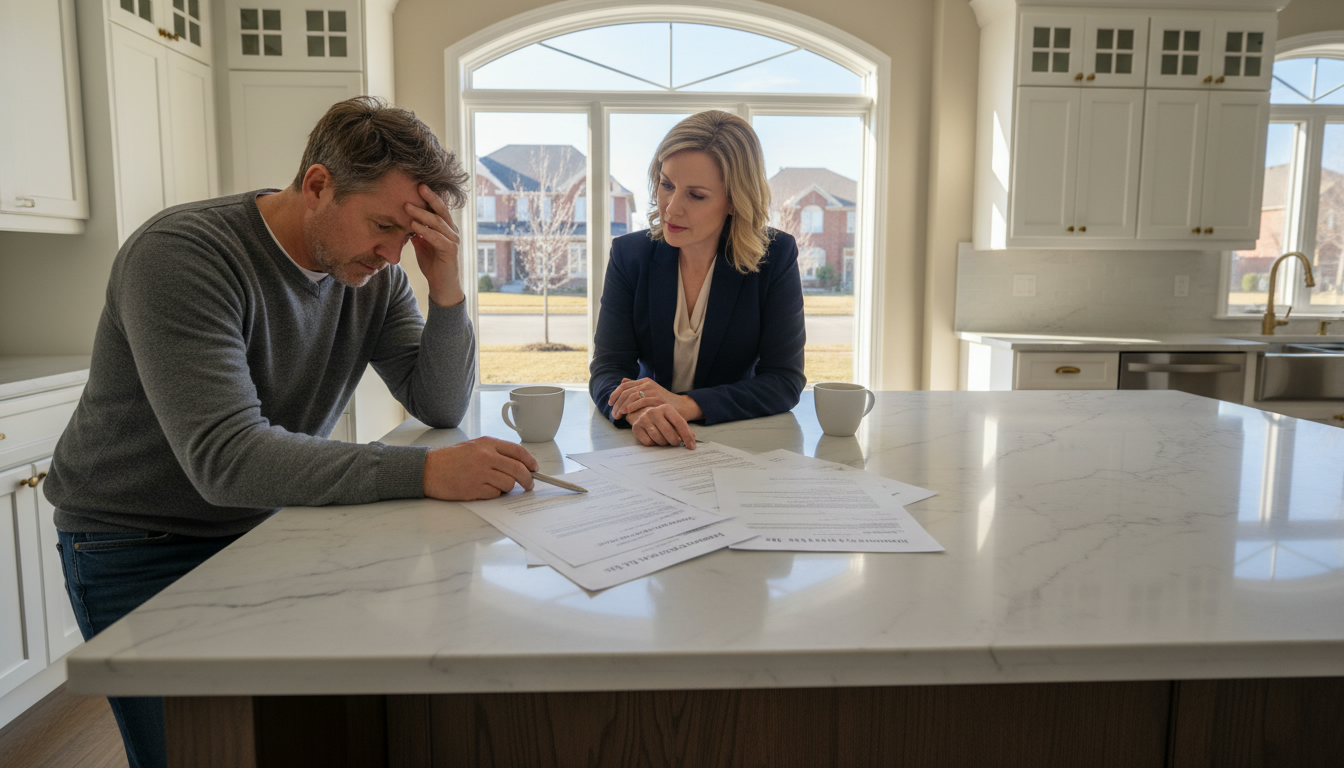
How do I handle a failed closing?
Closing just blew up? Here’s the aggressive, step-by-step legal playbook Georgetown home sellers use to recover — fast.
What a failed closing really means for Georgetown sellers
A failed closing is when the deal doesn’t finish on the scheduled completion date. It happens to good listings. Causes vary: buyer financing collapses, title problems, buyer no-shows, or last-minute lender refusals. For sellers in Georgetown, ON, a failed closing instantly creates legal and financial exposure: carrying costs, market shifts, potential breach claims and confusion over the deposit.
This guide tells you exactly what to do from minute one — the legal paperwork, the decisions you must make, and how to protect your money and timeline.
First 24 hours: lock down proof and call your team
- Preserve everything. Keep the Agreement of Purchase and Sale (APS), emails, text messages, bank slips, lender correspondence and any inspection or financing condition documents. Do not delete messages.
- Contact your listing brokerage and your real estate lawyer immediately. If you don’t have a lawyer, hire a real estate litigator in Halton Region now. Time matters.
- Get a written statement from the buyer’s lawyer or lender explaining why closing failed. If the buyer won’t provide a written reason, note that in your file.
Why this matters: the APS and written communications are your legal evidence. Without them you weaken your position to keep the deposit or to sue for damages.
Understand the Agreement of Purchase and Sale (APS)
The APS controls everything. Read these clauses carefully:
- Conditions: Did the buyer fail a financing or inspection condition? If so, the APS usually allows termination or removal of the condition.
- Deposit clause: Where is the deposit held? Who can release it? Deposits in Ontario are typically held in trust by the listing brokerage.
- Remedies on default: The APS will outline seller remedies — forfeiture of deposit, termination, or pursuing damages.
- Closing date and time: Confirm if time is of the essence and whether a Notice to Complete clause exists.
If you don’t understand a clause, get your lawyer to explain it immediately. Don’t guess.
Common causes and the paperwork that fixes them
-
Financing fails: Buyer’s lender pulls out or valuation is low.
-
Paperwork: lender rejection letter, buyer’s waiver or new financing commitments, or a formal termination under the APS.
-
Fix: extend the completion date (amendment) if you want to keep the deal. Require the buyer to provide a firm mortgage commitment in writing and adjust deposit or deadlines.
-
Title issues: outstanding liens, municipal work orders, or unresolved surveys.
-
Paperwork: title search, lawyer’s requisitions, title insurance refusal letter, or lien documentation.
-
Fix: your lawyer can clear liens, provide statutory declarations, or agree to a remedy that protects the buyer. If it’s not resolvable, closing may be cancelled.
-
Buyer default/no show: buyer or buyer’s lawyer doesn’t show up.
-
Paperwork: sworn affidavit of non-completion, correspondence demanding completion, or a Notice to Complete.
-
Fix: issue a Notice to Complete (with lawyer help), set a new date, and if buyer still fails, terminate and keep the deposit or sue.
Legal options for sellers in Ontario — what you can do
- Enforce the contract (specific performance)
- You can ask the court to force the buyer to complete. Courts are selective. This option is costly and takes time. It’s usually used when market conditions make rescission a poor option.
- Terminate and keep the deposit
- If the buyer breaches, many APS forms allow the seller to terminate and claim the deposit as liquidated damages. Don’t release the deposit without legal advice. The brokerage holds the funds in trust and must follow the APS and trust rules.
- Sue for damages
- If the deposit doesn’t cover your losses, you can claim additional damages (difference between the contract price and eventual sale price, carrying costs, legal fees, etc.). Courts will require detailed proof of mitigation and losses.
- Negotiate an amendment
- If you prefer the deal, negotiate: increase the deposit, extend completion, or require a guarantor. Get every change in writing and signed by both parties.
Practical, step-by-step legal playbook for Georgetown sellers
- Day 0 — Immediate actions
- Get written reason for failure.
- Notify your lawyer and brokerage.
- Secure all documents and communications.
- Day 1 — Legal assessment
- Lawyer reviews APS and advises your remedies.
- Decide to enforce, terminate, or renegotiate.
- Day 2–7 — Execute the plan
- If enforcing: lawyer prepares Notice to Complete or starts court proceedings for specific performance.
- If terminating: lawyer issues termination notice and prepares trust instructions to try to obtain the deposit.
- If renegotiating: execute amendment with clear timelines and new deposit terms.
- After action — financial and resale steps
- If property returns to market, adjust listing fast. Document your mitigation efforts (real estate agents’ invoices, MLS days, marketing costs).
- If you keep the deposit or receive damages, confirm release with brokerage and record everything in your file.
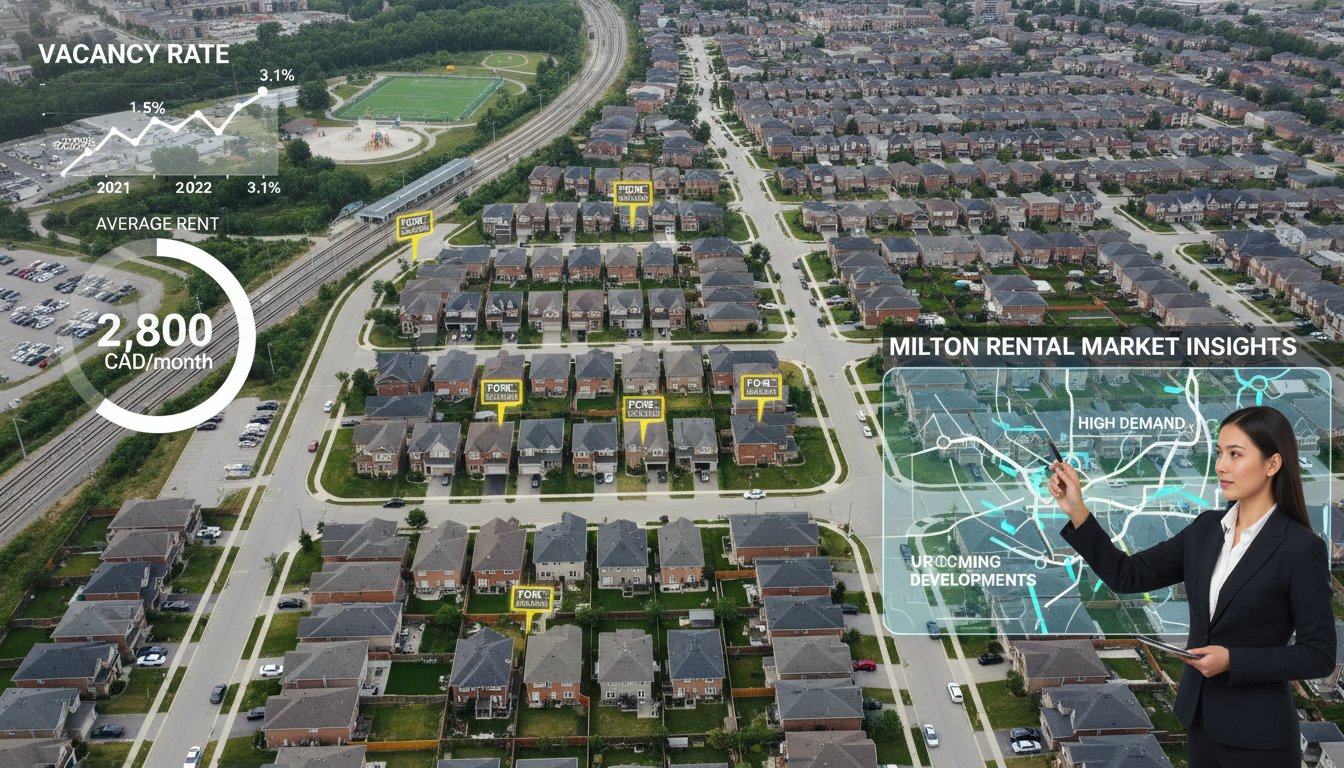
Protect your sale upfront — reduce risk before completion
- Require firm financing or proof of funds before removing financing conditions. Ask for a pre-approval letter and a firm mortgage commitment.
- Increase the deposit for vulnerable sales. Bigger deposits reduce buyer risk-taking.
- Use clear APS clauses about trust and deposit release. Ask your lawyer to confirm standard wording.
- Insist on title insurance or an agreement on what happens if title issues arise.
These actions make your deal harder to derail and give you stronger leverage if it does.
Georgetown-specific considerations
- Local market: Georgetown sits in Halton Hills with a competitive small-town market. Time off-market feeds buyer demand shifts quickly. Re-listing costs and timing matter.
- Local lawyers and lenders: use a real estate lawyer who knows Halton Region procedures and local title quirks. Lenders in the area follow similar rules, but experience matters when clearing title issues.
- Municipal matters: Georgetown may have specific local charges, building permits or heritage restrictions. Early municipal searches prevent last-minute surprises.
What about the deposit — who gets it?
Deposits are held in trust by the brokerage and cannot be released without proper authorization. Common outcomes:
- Buyer default: seller may claim deposit as damages (per APS). Brokerage usually holds until both parties sign release or a court orders release.
- Mutual termination: deposit returned or reallocated per agreement.
- Dispute: funds stay in trust until court or mutual release.
Never pressure the brokerage to release funds without lawyer direction. Mishandling trust funds creates legal and regulatory exposure for the brokerage.
Costs and timelines to expect
- Legal fees: contingency ranges — expect legal costs if you go to court. Quick termination and release may be less expensive.
- Time: Notices and court actions take weeks to months. Specific performance is a longer path.
- Carrying costs: mortgage, taxes, utilities, insurance and utilities add up. Include these in any damage claim.

How Tony Sousa helps Georgetown sellers (what he does for you)
Tony Sousa coordinates the whole response: immediate documentation, recommending experienced Halton real estate lawyers, drafting negotiations and managing re-list strategy. He handles the marketing, secures backup buyers, and ensures your legal team has the paperwork needed to maximize your remedies.
If you need direct help in Georgetown: email tony@sousasells.ca or call 416-477-2620. Visit https://www.sousasells.ca for resources and local guidance.
FAQ — Failed closings and legal paperwork for Georgetown, ON home sellers
Q: What qualifies as a failed closing?
A: A failed closing is any instance when the transaction does not complete on the scheduled completion date. This includes buyer financing collapse, title problems, buyer failure to attend, or lender refusal.
Q: Can I keep the deposit if the buyer defaults?
A: Possibly. The APS controls. Many contracts allow the seller to keep the deposit as liquidated damages. Don’t assume — get your lawyer to confirm before the brokerage releases funds.
Q: How long will it take to recover damages?
A: Depends. Quick settlements can take days to weeks. Court claims (specific performance or damages) take months and can be costly.
Q: Should I push for specific performance?
A: Only if the deal’s value and market conditions justify the time and cost. Courts are selective. Usually used when the market is rising or the property is unique.
Q: Can I issue a Notice to Complete myself?
A: Technically you can’t act alone — your lawyer should prepare and issue a formal Notice to Complete to avoid procedural errors.
Q: What if the buyer failed due to financing condition in the APS?
A: If a financing condition exists and the buyer legitimately failed to meet it, the agreement may permit termination. If the buyer falsely claims a financing failure, document everything and consult your lawyer.
Q: Who holds the deposit in Georgetown sales?
A: Typically the listing brokerage holds deposits in trust per Ontario real estate practices.
Q: Can title issues stop closing?
A: Yes. Title defects, liens or municipal orders can prevent completion. Your lawyer can often clear minor issues; major defects may cancel the sale unless parties agree to a fix.
Q: What paperwork should I keep after a failed closing?
A: Keep the APS, deposit receipts, emails, text messages, lender and lawyer correspondence, municipal search results, inspection reports and any written notices.
Q: Do I need a local lawyer in Halton Region?
A: Yes. Local lawyers know regional registry procedures and municipal quirks. They speed resolution and reduce risk.
Q: How do I relist fast and protect myself from another failure?
A: Work with your realtor to update price strategy, tighten financing conditions, increase deposit and qualify buyers before removing conditions. Keep marketing live and document all buyer pre-qualification steps.
If you want a direct, no-nonsense review of your failed closing in Georgetown — call Tony Sousa at 416-477-2620 or email tony@sousasells.ca. He’ll coordinate your legal team, protect your deposit and get your property back to market fast.