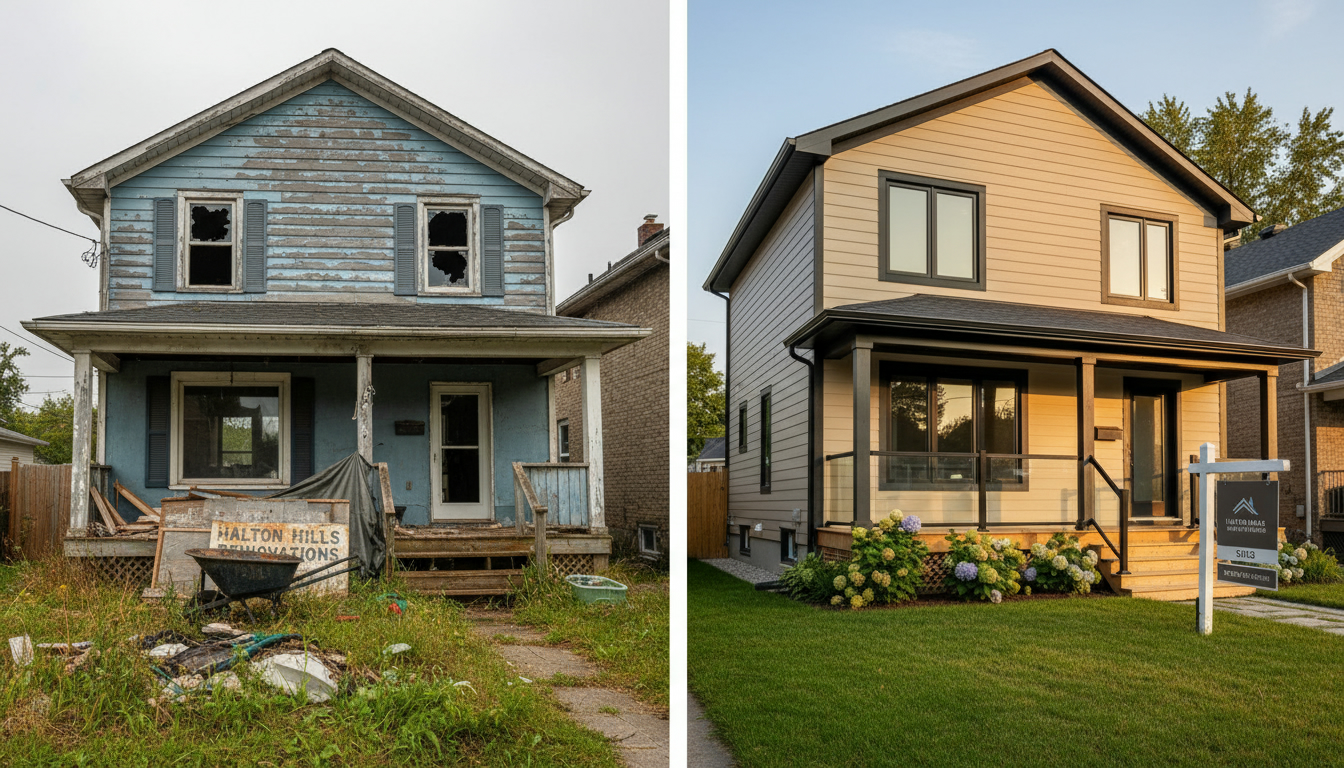
Should I buy a fixer-upper in Ontario?
Want to flip a bargain into profit? Should you buy a fixer-upper in Georgetown, Ontario? Read this before you bid.
Quick answer
Yes — if you buy smart. No — if you buy hope.
Georgetown is a unique market: close enough to Toronto to attract commuters, far enough to keep prices relatively reasonable, and full of older character homes that tempt buyers with potential. That creates opportunity — and traps. This guide gives a hard-nosed, numbers-first playbook so you can decide whether a fixer-upper in Georgetown is a wealth-builder or a money pit.
Why Georgetown matters
Georgetown (Halton Hills) sits between Kitchener-Waterloo and Toronto. Buyers want space, schools, transit access, and heritage charm. That mix means two things:
- Demand for move-in-ready homes is strong. Buyers pay premiums for turnkey properties.
- Older stock creates inventory for fixers — especially detached and semi-detached homes built before the 1980s.
If you plan to renovate and sell, you’re competing with buyers who will pay top dollar for finished homes. If you plan to hold and rent, you must account for local tenant demand and maintenance.

The real numbers — cost vs. value (practical ranges)
Renovation estimates vary. Use ranges, not precise promises. Below are industry averages you can expect in Ontario and close to Georgetown. Adjust for finishes and contractor quality.
- Inspection & Repairs (urgent): $5,000–$25,000 (structure, roof, electrical, plumbing)
- Kitchen (mid-range): $30,000–$60,000
- Bathroom (mid-range): $12,000–$25,000
- Basement finishing: $20,000–$50,000
- New roof: $8,000–$15,000
- Windows replacement (whole house): $8,000–$25,000
- HVAC replacement: $6,000–$20,000
- Cosmetic refresh (paint, flooring, trim): $6,000–$25,000
Typical ROI (approximate):
- Kitchen: 60–80% of cost recovered on resale
- Bathroom: 60–70%
- Basement: 60–75%
- Curb appeal/landscaping: 75–100%+ on perceived value
These numbers show two truths: big-ticket structural fixes rarely give direct dollar-for-dollar returns, but they protect value and lower risk. Cosmetic upgrades sell homes faster and often produce the best short-term returns.
Your decision framework — buy or walk away
Use a simple checklist. If most answers are “yes,” buy. If not, walk away.
- Inspection red flags? (foundation cracks, major water issues, old knob-and-tube wiring) — If yes, walk away unless price reflects heavy repair costs.
- Neighborhood comps? — If renovated homes sell substantially above price-plus-renovation, opportunity exists.
- Permit history? — If previous renovations were done without permits, expect headaches and possible rework.
- Timeline possible? — Are you willing to manage multi-month disruptions or wait to sell until renovations finish?
- Budget buffer? — Do you have 15–25% over your estimate for surprises?
- Contractor access? — Can you reliably hire licensed trades in Halton Hills area within your budget and timeline?
If you can’t answer yes to 4 or 5, don’t buy.
Due diligence you must do before bidding
- Full home inspection by a licensed inspector. Don’t skip this.
- Get quotes from at least 2–3 local contractors for structure, electrical, plumbing, and HVAC.
- Obtain a permit history from Halton Hills building department and septic/municipal info.
- Check comparable sales within 6 months in the same neighborhood (don’t compare with downtown Georgetown if the property is in a rural pocket).
- Prepare a line-item renovation budget.
- Calculate your break-even resale price and worst-case scenario.
Example quick math: Purchase $700,000 + renovation $80,000 + holding/closing costs $20,000 = $800,000. If renovated comps are selling at $900,000, upside looks good. If comps top at $820,000 — that’s marginal.
Financing fixers in Ontario — practical options
- Cash: fastest and simplest.
- Mortgage + HELOC: buy with mortgage, fund renovations with a HELOC. Works if you already qualify.
- Renovation mortgage (purchase-plus-improvements): Some lenders allow adding renovation costs to the mortgage based on post-renovation value. Ask lenders for specifics.
- Construction mortgage: For major builds, this disburses funds in draws as work completes.
Always verify lending rules with your mortgage broker. Renovation financing can be complex and lenders will stress-test the after-repair value.

Permits and regulations — don’t gamble
Ontario requires permits for structural, electrical, plumbing, HVAC, and major basement conversions. Halton Hills enforces building codes and inspections. Unpermitted work complicates resale and insurance claims. Budget for permit fees and possible corrections.
Heritage properties (parts of Georgetown include heritage conservation areas) have extra rules. If the home is in a heritage zone, check restrictions on exterior changes before buying.
Contractor selection — protect your timeline and wallet
- Hire licensed trades with insurance and references.
- Get fixed-price quotes where possible.
- Confirm timelines and include penalties or holdbacks in the contract for missed milestones.
- Pay in draws linked to inspections, not large upfront.
Local contractors in Halton Hills and surrounding areas are busy. Lock quotes and schedules before you close.
When a fixer-upper is the right play in Georgetown
- You get a house priced well below renovated comps.
- Major mechanical systems are sound or inexpensive to fix.
- The neighborhood is on an upward trajectory (schools, transit improvements, new amenities).
- You can absorb the time and project management involved.
If the property is primarily cosmetic and near renovated comps, it’s a clear “yes.” If it’s structural with unknowns, treat it as a “maybe” only with deep expertise.
When to walk away
- Foundation, major water, or pervasive mold issues without a proportional price discount.
- No permits where they should be, and the seller won’t correct.
- When renovation timelines violate your holding-cost capacity.
Don’t let emotions drive the purchase. You can always find another deal.
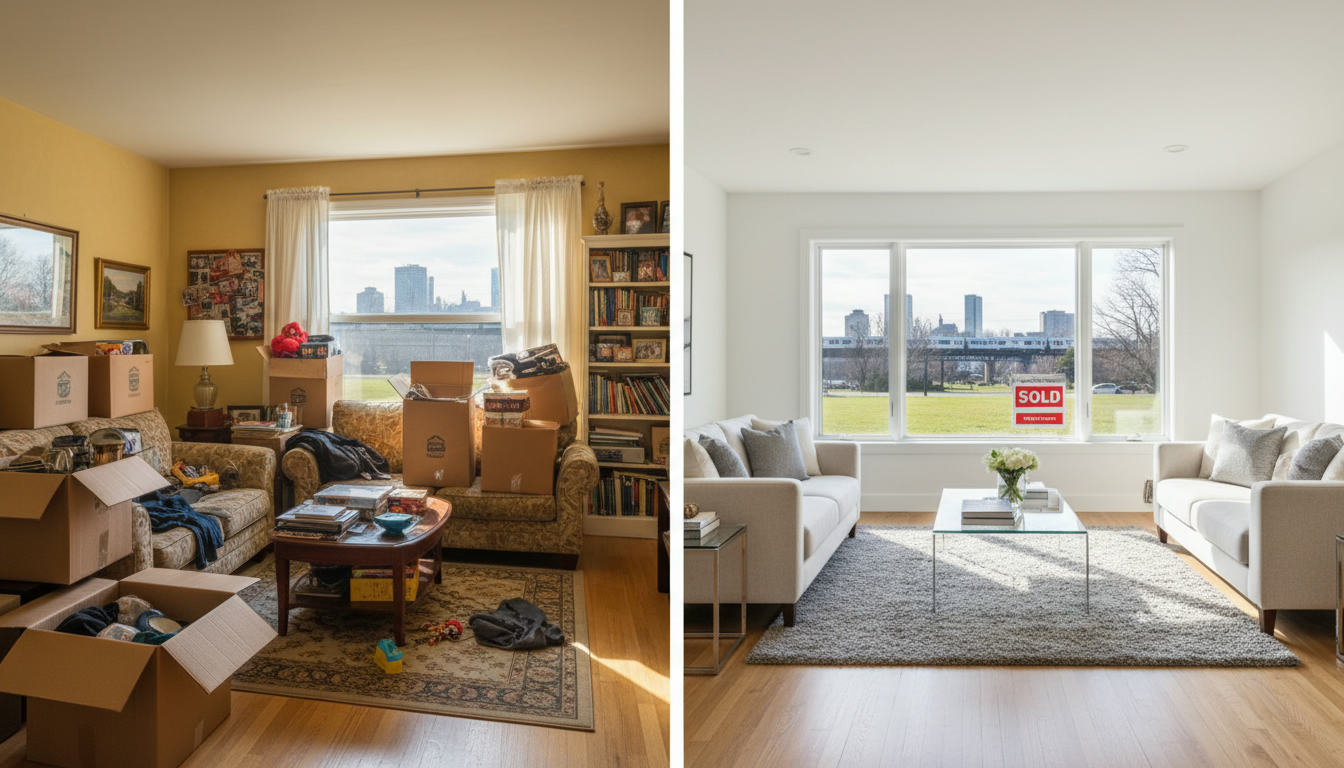
Quick renovation roadmap for sellers or flippers
- Inspect and prioritize safety and structure.
- Fix mechanicals (roof, HVAC, electrical, plumbing).
- Address layout improvements that increase functional value (open-concept, additional bathroom).
- Mid-range kitchen and bathroom upgrades.
- Cosmetic finishes: paint, trim, lighting, flooring.
- Staging and professional photos for resale.
- Price aggressively for fast sale if flipping, or set rent with a margin if holding.
Local market tips (Georgetown-specific)
- Families value good schools and transit to GO service. Proximity to Georgetown GO increases resale value.
- Downtown heritage streets command premiums for sympathetic renovations that preserve character.
- New subdivisions nearby can lift values in older neighborhoods; study municipal development plans.
- Contractors’ seasonality: spring/summer workbooks fill fast. Plan closings with the contractor calendar.
Contact — get a local expert
If you’re serious about a fixer-upper in Georgetown, you need a realtor who knows local comps, permits, and contractors. Contact Tony Sousa, local realtor and renovations advisor: tony@sousasells.ca | 416-477-2620 | https://www.sousasells.ca
Tony helps buyers assess deals, connects vetted contractors in Halton Hills, and models after-repair values so you can bid with confidence.
FAQ — Fixer-uppers, renovations, and selling in Georgetown
Q: Are fixer-uppers a good investment in Georgetown right now?
A: They can be if purchase price plus renovation costs is safely below renovated comps. Focus on cosmetic upgrades for fastest ROI; structural fixes are necessary but don’t always increase sale price dollar-for-dollar.
Q: How much should I budget for surprises?
A: Add a contingency of 15–25% to your renovation estimate. Older homes often hide issues that only appear after walls or floors are opened.
Q: Do I need permits for basement conversions in Georgetown?
A: Yes. Basement conversions that change occupancy, plumbing, or egress require permits and inspections in Halton Hills.
Q: Can I finance renovations into my mortgage in Ontario?
A: Some lenders offer purchase-plus-improvements or construction mortgages. Talk to a mortgage broker to compare options and verify qualification.
Q: What renovations give the best resale value locally?
A: Mid-range kitchens, updated bathrooms, and good curb appeal typically move the needle fastest in Georgetown.
Q: How long does a typical renovation take?
A: Small cosmetic projects: 2–6 weeks. Full gut and rebuilds: 3–9 months depending on scope and permits.
Q: Should I buy a heritage home that needs work?
A: Only if you understand heritage guidelines and factor potential higher costs for sympathetic materials and approvals.
Q: How do I find reliable local contractors?
A: Use referrals from local realtors, check CCA/TPA memberships, review recent local projects, and ask for insurance and permit records. Get several bids.
Q: If I renovate, should I DIY to save money?
A: DIY can save on cosmetic work but avoid trade work (electrical, plumbing, structural) unless licensed. Permits and insurance matter.
Q: What’s the fastest way to increase resale value?
A: Paint, lighting, flooring, and kitchen/bath refreshes. Stage and photograph professionally.
Buyers who treat fixer-uppers like investment projects win. Treat them like romantic projects and you’ll lose money. Use the numbers, enforce timelines, hire local pros, and make decisions based on comparables.
If you want a trusted local partner who knows Georgetown comparables, contractors, permit realities, and realistic after-repair values, email tony@sousasells.ca or call 416-477-2620. Visit https://www.sousasells.ca for more resources and recent case studies.