Are there restrictions on building additions or
garages?
Shocking Truth: Are There Restrictions on Building Additions or Garages in Georgetown? Yes — and they can stop a sale cold.
Quick, Direct Answer
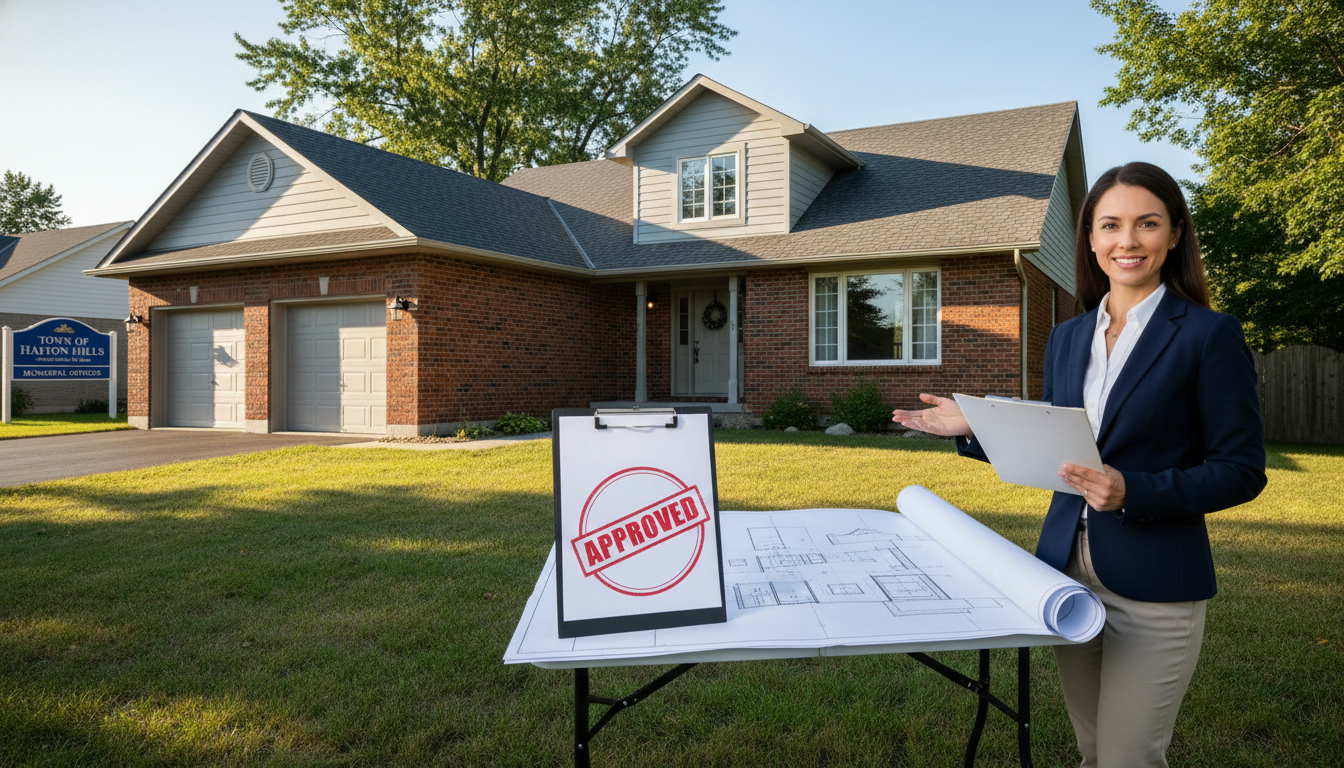
Yes. Georgetown (Town of Halton Hills) has clear rules. Zoning bylaws, conservation authority limits, heritage rules, lot coverage and setback standards, site plan control, and Ontario Building Code requirements all affect whether and how you can add an addition or build a garage. If you skip the permits or ignore local rules you risk fines, forced demolition, failed sales, and mortgage or insurance headaches.
Why This Matters If You’re Selling a Home in Georgetown
Buyers inspect more than paint. They inspect permits, legal compliance, and risk. Unpermitted additions or garages reduce buyer confidence and can lower offers. Lenders and insurers may refuse coverage or financing until work is regularized. For sellers, the fastest sale and highest price come when documentation is clean. That’s where planning ahead and following Halton Hills rules matters.
The Local Rules That Control Additions and Garages
Here are the actual controls to check before you plan work. These are the gates you must pass.
- Town of Halton Hills Zoning By-law: sets permitted uses, minimum setbacks (front, rear, side), maximum lot coverage, height limits, and accessory building rules. If your addition or garage exceeds zoning limits you need a variance.
- Official Plan Policies: guide what can be built in each neighbourhood. Some areas have policies that restrict intensification or certain footprint changes.
- Site Plan Control: larger additions or projects with commercial aspects may require a site plan agreement. The Town uses site plan control to manage design, landscaping, parking, and servicing.
- Committee of Adjustment (Minor Variance): if your plan conflicts with zoning (e.g., you need a smaller setback or more lot coverage), you apply for a minor variance. This is a public process and takes time.
- Building Permits & Ontario Building Code (OBC): any structural work, changes to plumbing, mechanical systems, or increases in heated floor area usually requires a building permit. Plans must meet OBC for safety, insulation, and fire separation.
- Conservation Authority (Credit Valley Conservation / Grand River Conservation—depending on lot location): properties near regulated watercourses or floodplains need conservation authority permits. This can block or change the design of additions and garages.
- Heritage Designation and Conservation Districts: downtown Georgetown has heritage properties. If your home is designated or in a heritage district, exterior changes may need heritage permit approval.
- Easements and Utility Constraints: hydro, gas, municipal easements, or utility corridors can restrict where a garage or addition can sit.
- Septic and Servicing Rules: if you’re on septic, adding bedrooms triggers septic capacity review. If on municipal sewer, you may need connection approvals from Halton Region.
- Tree Protection and Land Alteration Bylaws: mature-tree removal or large grading changes may require permits or mitigation.

Practical Implications — What You Should Expect
Do not assume you can build to the property line. Expect these realities:
- Time: small projects with full compliance and clear drawings may take weeks to get permits. Projects needing variances, conservation approvals, or site plan control can take months.
- Cost: permit fees and professional drawings add to construction costs. Expect to pay for survey, architectural or structural drawings, engineering reports if needed, permit fees, and possibly legal or planning consultant fees.
- Visibility: variance applications are public. Neighbours can oppose. Opposition can delay or force redesign.
- Resale Impact: permitted, inspected, closed permits increase buyer trust. Unpermitted work can reduce offers, slow closing, or require remediation before sale.
Step-by-Step Checklist for Homeowners and Sellers
Follow this checklist to protect value and close sales fast.
- Verify Zoning and Lot Standards
- Check Halton Hills zoning designation for your address. You can find this on the Town’s mapping or by calling Planning.
- Confirm setbacks, lot coverage, and accessory building standards.
- Pre-Consult with Town Planning
- Request a pre-consultation. Town staff will flag issues like site plan control, heritage, or conservation triggers.
- Check Conservation Authority Rules
- If your property is near waterways or valleylands, contact the relevant conservation authority early. They often require separate permits.
- Hire a Designer or Architect
- Professional plans speed permit approvals and reduce costly rework. For garages and additions, a basic set of architectural drawings and a site plan are standard.
- Obtain Any Required Variances
- If your plans don’t meet zoning, apply to the Committee of Adjustment. Factor in public notice and a hearing date.
- Apply for Building Permits
- Submit complete drawings, structural calculations, and supporting documents. Incomplete applications delay approval.
- Complete Required Inspections and Close Permits
- Schedule foundation, framing, insulation, and final inspections. Close the permit and keep the permit record for resale.
- Update Documentation Before Selling
- Keep copies of approvals, permits, inspection records, and any heritage or conservation correspondence ready for buyers.
Common Pitfalls That Kill Deals — Avoid These
- Building without permits and assuming you can ‘retrofit’ compliance later. Lenders and insurers often insist on permits before closing.
- Relying on verbal approvals from municipal staff. Get decisions in writing.
- Ignoring conservation authority boundaries. That often leads to stop-work orders.
- Forgetting septic capacity when adding bedrooms. That can force a costly septic upgrade.
- Overlooking easements. A garage placed on an easement may have to be removed.
Timelines and Costs — Realistic Expectations
- Simple garage or small addition (compliant with zoning): plan 4–8 weeks for permit approval if drawings are complete.
- Projects requiring minor variances: add 2–3 months (notice period + hearing + possible conditions).
- Conservation Authority review: 4–8 weeks or longer if environmental studies are needed.
- Professional fees: architect/designer $1,500–$6,000+ depending on scope. Engineering adds cost. Surveys typically $800–$2,500. Building permit fees scale with project value.
- Construction cost: varies widely by scale and finishes. Get contractor quotes early.
Note: These are realistic ranges. Confirm current timelines and fees with Town of Halton Hills and the applicable conservation authority.

How This Affects Your Home Sale Price and Marketing
A permitted, well-documented addition or garage sells faster and at a premium. Buyers pay for certainty. Unpermitted work reduces buyer confidence and bargaining power. If you’ve done upgrades with permits, show the file in your listing. If you haven’t, consider regularizing the work before listing to avoid last-minute demands from buyers or lenders.
Quick Legal & Documentation To-Do Before Listing
- Gather all building permits and inspection records.
- Collect plans, surveys, and any Committee of Adjustment or site plan correspondence.
- If work was done without permits, consult the Town and a qualified professional to regularize it or disclose it truthfully in the listing.
- Obtain a letter from the conservation authority or heritage office if applicable.
Selling Tip: Use Compliance as a Selling Point
When marketing the property, highlight that the addition or garage was built legally, inspected, and closed. Put that in your listing and feature it in the broker’s remarks. Buyers look for ready-to-move-in, low-risk purchases.
Final Takeaway — Don’t Gamble with Your Sale
If you’re a seller in Georgetown and you’ve thought about adding a garage or an addition, treat local rules as decisive. They’re not optional. The right process protects your sale price and speeds closing. Start early, get the right professionals, and document everything.
Contact for Local, Practical Help
If you want direct, local help navigating permits, variances, conservation approvals, and closing the documentation loop before a sale, I can help you get it done fast and with less risk. Email tony@sousasells.ca or call 416‑477‑2620. Visit https://www.sousasells.ca for more resources.
FAQ — Home Sellers’ Top Questions About Additions and Garages in Georgetown
Q: Do I always need a building permit for an addition or garage?
A: Most of the time, yes. Structural changes, increased heated area, new foundations, or changes to plumbing/mechanical systems require a building permit under the Ontario Building Code. Even accessory structures like garages may need a permit depending on size and whether they are attached.
Q: What if my plan doesn’t meet zoning setbacks?
A: Apply for a minor variance through the Committee of Adjustment. Expect public notice and a hearing. Approvals often come with conditions.
Q: How do conservation authority rules affect my project?
A: If your lot is near watercourses, wetlands, or valleylands, conservation authorities regulate fill, grading, and development in those areas. Their permits are separate from Town building permits.
Q: Can I build on an easement?
A: Usually no. Easements protect utilities or municipal access. Building on an easement can force removal of the structure.
Q: How will an addition affect my property taxes?
A: MPAC re-assesses property value after significant additions. Your property taxes may increase because assessed value increases.
Q: What happens if work was done without permits?
A: You must disclose unpermitted work to buyers. The Town can require retroactive permits, remediation, or even removal. Lenders and insurers may require permits before closing.
Q: Is heritage designation a deal-breaker?
A: Heritage designation adds steps. It rarely prevents reasonable interior upgrades but exterior changes may require heritage approval. Plan for additional time and possible design constraints.
Q: Who enforces these rules?
A: Town of Halton Hills enforces zoning and building code compliance. Conservation authorities enforce natural heritage and floodplain protections. Non-compliance can result in fines and stop-work orders.
Q: Where do I start?
A: Start by contacting Town of Halton Hills Planning & Development for zoning confirmation and a pre-consult. If your property sits near a watercourse, contact the conservation authority immediately.
Q: How can Tony help me sell faster?
A: I streamline the permit check, document collection, and disclosure process so buyers feel confident. I connect you with local designers, engineers, planners, and contractors who know Halton Hills rules. Email tony@sousasells.ca or call 416‑477‑2620.
If you want a free checklist tailored to your Georgetown address — zoning snapshot, likely permits, and an estimated timeline — email tony@sousasells.ca and I’ll send it right away.