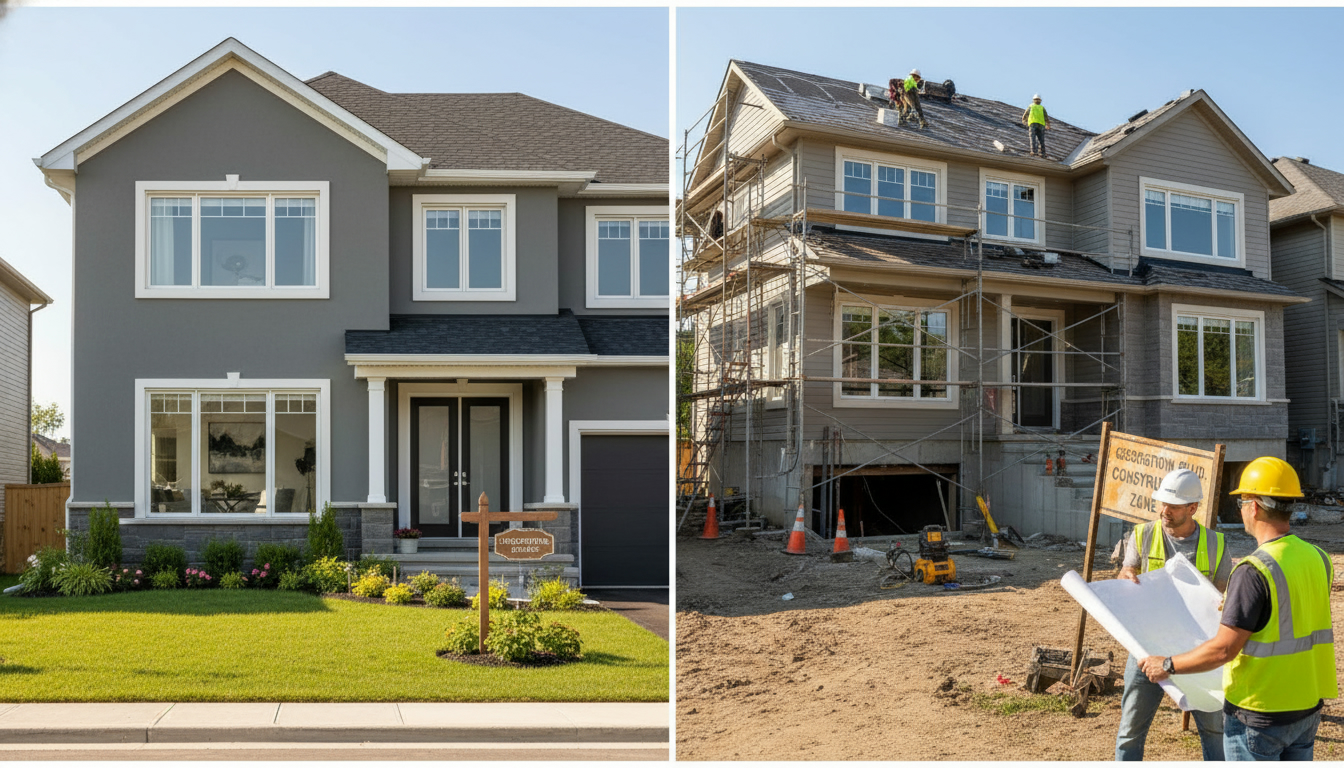
Should I focus on cosmetic or structural updates?
Want Top Dollar in Georgetown? Should you spend on paint and staging — or fix the foundation first? Read this and decide in minutes.
Quick answer you can act on today
If you have a tight timeline and your home is structurally sound, focus on cosmetic updates first. If inspections, safety, or major systems (roof, foundation, electrical, HVAC) are failing, fix the structure. In Georgetown’s competitive market, the smartest sellers combine both: fix what will scare buyers or kill financing, then invest in targeted cosmetics that boost perceived value.
Why this matters for Georgetown home sellers
Georgetown buyers are practical. They want move-in-ready, energy-efficient homes near transit, schools, and highways into Toronto. Cosmetic fixes win the initial emotional buy-in. Structural fixes prevent sale collapse and protect final sale price. Pick wrong and you’ll either leave money on the table or stall your sale for months.

Use this decision framework — a 4-step process
Follow these four steps to decide which updates to prioritize. It’s fast and local-market focused.
- Run a quick health check
- Get a pre-listing inspection or even a targeted contractor walk-through for roof, foundation, and HVAC. Buyers in Georgetown will often order inspections; better you know issues first.
- If any issue could stop mortgage approval (major roof leaks, structural cracks, severe electrical problems), treat that as high priority.
- Set your timeline
- Selling in 30–60 days: cosmetic + necessary safety/repair work only.
- Selling in 3–6 months: add mid-range updates (kitchen refresh, floors, improved curb appeal).
- Selling >6 months or holding: consider larger structural/expansion projects that increase usable living space.
- Decide by buyer profile
- Commuter families: prioritize energy efficiency, extra bathroom, finished basement, storage.
- First-time buyers or investors: prioritize low-maintenance and cosmetics to maximize appeal.
- Upsizers: structural work like room additions or basement finishes can justify a higher asking price.
- Run an ROI filter
- If a fix is cosmetic and costs less than 2–4% of expected sale price, do it. It usually pays in showings and offers.
- If a structural fix is required by inspection or safety, do it regardless.
- If a structural project costs more than 10–15% of sale price and you’re selling soon, consider adjusting price or selling as-is to a buyer who will renovate.
Cosmetic updates that move the needle in Georgetown
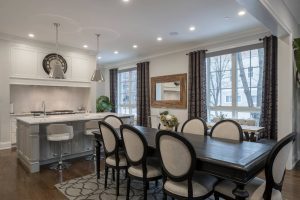
Cosmetic updates are the fastest way to increase buyer interest and reduce time on market. These have the best short-term ROI when executed right:
- Fresh neutral paint: whole-house or main living areas. Quick, cheap, massive visual impact.
- Declutter and stage: renters and families picture themselves differently in staged spaces. Staging can cut days on market.
- Curb appeal: lawn, trimmed hedges, clean walkways, front door paint, new house numbers. First impressions matter in Georgetown neighbourhoods.
- Lighting and hardware: swap outdated fixtures, update cabinet pulls. It modernizes without a big cost.
- Minor kitchen refresh: cabinet doors painted or replaced, new countertops if needed, modern faucet. Buyers love the look of a bright, functional kitchen.
- Flooring updates: refinish hardwood or install modern laminate where necessary.
Quick wins checklist (48–72 hours projects): paint, declutter, deep clean, new door hardware, stage critical rooms, pressure wash exterior.
Structural updates that protect a sale and boost value long-term
Structural work is vital when it prevents a buyer from getting financing or when it removes risk. These are not glamorous, but they protect value.
- Roof repair or replacement: a leaking roof kills deals. Even an older roof scares buyers and inspectors.
- Foundation and structural stabilization: visible cracks, sloping floors — get this checked and repaired. Buyers avoid homes with active structural problems.
- Electrical and plumbing safety upgrades: outdated panels, knob-and-tube wiring, or sewer issues must be fixed.
- HVAC and furnace updates: unreliable heating or cooling is a dealbreaker in winter or summer months.
- Window replacement and insulation: improves energy ratings and long-term appeal to efficiency-focused buyers.
When structural work is necessary, always get permits and documentation. Buyers and their lenders will ask for proof.
How much should you spend? Local budgeting advice
Costs vary, but think in percentages of your expected sale price and local labour rates in Halton Region.
- Minor cosmetic refresh: 0.5%–2% of sale price (paint, staging, small repairs).
- Mid-range updates (kitchen refresh, flooring, bathrooms): 2%–7% of sale price.
- Major structural work (roof, foundation, major systems): 5%–15%+ of sale price depending on scope.
If your structural fixes push you into the higher bracket and you plan to sell quickly, consider pricing to reflect condition and marketing to investors or renovators instead.

Cost vs. benefit examples tailored to Georgetown
- 1,500–2,500 sqft detached home, quick sale: $5k–$12k in cosmetics (paint, staging, curb) often reduces days on market and can increase offers by several percent.
- Same home needing a new roof: $10k–$20k. If the roof would scare buyers or fail inspection, it’s worth doing or disclosing and pricing accordingly.
- Basement finish (added bedroom/bath): $30k–$60k+, but can significantly raise assessed living space and appeal—best if you’ll hold for months.
Always get local contractor quotes. Georgetown labour and permit costs are higher than rural areas but lower than downtown Toronto.
Negotiation leverage: how updates affect offers
- Cosmetic updates increase perceived value and encourage stronger initial offers. They also reduce negotiation leverage for buyers.
- Structural transparency prevents late-stage renegotiation. A pre-listing inspection with repairs removes major leverage for buyers and can shorten closing timelines.
Tip: Include receipts, warranties, and permit documentation in your listing to reassure buyers and speed up lender approvals.
Staging vs renovation: which to choose?
Staging outperforms extensive renovation when:
- You need a fast sale.
- Cosmetic issues are the main barrier.
Renovation pays when:
- You plan to hold the property longer, or
- Structural or system fixes are required to pass inspections or to reach the price point you want.
A practical 30-day pre-listing plan for Georgetown sellers
Week 1: Get a pre-listing inspection, get contractor quotes, decide cosmetic vs structural priorities.
Week 2: Complete critical structural repairs and safety fixes. Start paint and floor repairs.
Week 3: Deep clean, stage, update photos, and write listing focused on energy efficiency and commuting conveniences.
Week 4: Launch listing with professional photos, emphasize recent repairs and permit-backed upgrades.

Local selling angles that matter to Georgetown buyers
- Emphasize energy efficiency and lower utility costs (new windows, insulation, HVAC).
- Highlight commuting time to Toronto or easy access to Highway 401/407/GO Transit.
- Showcase family-friendly features: school proximity, backyard space, finished basements.
- Promote recent structural work with documentation—buyers in Halton want reliability.
Final recommendation — the smart middle path
Start with a short inspection. Fix anything that jeopardizes financing or safety. Then spend aggressively on the highest-impact cosmetics. If you’re targeting a premium buyer or willing to extend your timeline, invest in structural upgrades that increase usable space or energy efficiency. For sellers in Georgetown, this combined approach turns showings into confident offers and protects final sale price.
Why work with a local expert
A local agent knows what buyers in Georgetown pay for and what they ignore. They can vet contractor quotes, recommend trusted local trades, and help balance cost vs return for your exact neighbourhood.
If you want a free pre-listing evaluation tailored to your Georgetown property, I’ll walk the house, review inspection reports, and map a budget that makes sense for your timeline.
Contact: Tony Sousa — tony@sousasells.ca | 416-477-2620 | https://www.sousasells.ca
FAQ — Fast answers for Georgetown home sellers
Q: Should I get a pre-listing inspection?
A: Yes. It reveals issues early, reduces last-minute surprises, and helps you decide whether to repair or disclose.
Q: How much should I spend on cosmetic updates before listing?
A: Aim for 0.5%–2% of expected sale price for quick improvements (paint, staging, curb). These typically yield the fastest lift in showings.
Q: When must I fix structural issues before selling?
A: Fix anything that will fail an inspection, cause safety concerns, or block mortgage approval. If repair cost is too high, disclose and price accordingly.
Q: Do permits matter?
A: Yes. Buyers and lenders want permit documentation for major work. Unpermitted work can delay or kill a sale.
Q: Will staging beat remodeling?
A: For speed and cost-effectiveness, usually yes. Remodeling wins only if you’re targeting a higher price bracket and willing to hold longer.
Q: Where can I get trusted contractors in Georgetown?
A: Ask your listing agent. A local realtor will have vetted trades with proven work in Georgetown and Halton Hills.
Q: How do I decide if I should sell as-is?
A: If repair costs exceed projected value increase, or you need cash quickly, selling as-is to investors may be smarter. Get an agent’s pricing comparison first.
Q: What improvements have the best resale impact in Georgetown?
A: Fresh paint, improved curb appeal, kitchen refresh, and fixing any system that affects safety or financeability.
Want a tailored plan for your home in Georgetown? Contact Tony Sousa: tony@sousasells.ca | 416-477-2620 | https://www.sousasells.ca