
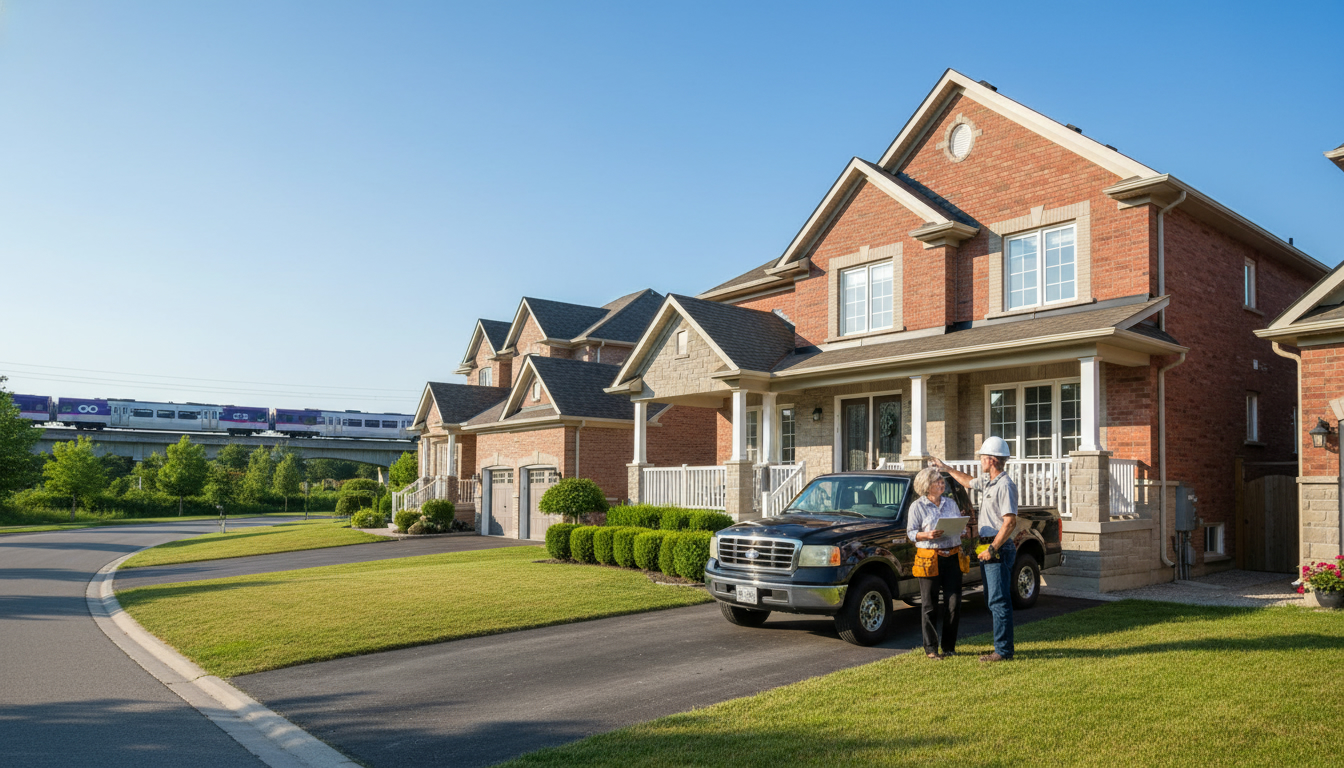
What affects my home’s appraised value?
Want Top Dollar? Discover Exactly What Affects Your Home’s Appraised Value in Georgetown, ON — and How to Fix It Fast
Quick upfront: This matters if you plan to sell in Georgetown
If you want more cash at closing, stop guessing and start focusing on the five things appraisers and buyers actually pay attention to. This isn’t theory. This is a battlefield plan for sellers in Georgetown, ON.
Why appraisals matter more than your listing price
Listing price gets eyeballs. Appraisal sets the loan and buyer confidence. Lenders will use the appraisal to approve mortgage amounts. A weak appraisal can kill a sale, force price reductions, or push buyers to renegotiate. If you’re selling in Georgetown — where buyers come from Toronto, Oakville, and the western GTA — appraisal problems mean fewer qualified buyers.

How appraisers in Georgetown actually value a home (simple)
Appraisers use three core inputs:
- Comparable sales (recent, nearby homes similar in size and condition)
- Adjustments for differences (condition, upgrades, lot size, basement, etc.)
- Market conditions (how fast homes sell and what similar homes fetched)
In Georgetown, appraisers lean on nearby sales within 3–6 months. They also adjust for commute benefits (GO Transit access), lot frontage, and finished basements — common value drivers around Halton Hills.
Top factors that determine your appraised value (ranked)
- Comparable sales (comps): The single biggest driver. If three similar homes on your street sold in the last 90 days, your appraisal will mirror them — not your renovation bill.
- Overall condition: Cosmetic and structural condition move numbers. Unfinished basements, cracked foundations, or dated kitchens will lower appraised value.
- Square footage accuracy: Appraisers verify living area. Additions without permits or misreported square footage will get discounted.
- Kitchen and bathrooms: High ROI rooms. Modern, functional kitchens and updated bathrooms raise appraised value more than trendy finishes.
- Bedrooms and bathrooms count: More legal bedrooms/baths = higher value.
- Lot size and curb appeal: Georgetown buyers pay a premium for usable yard space and great curb appeal.
- Age and roof condition: A new roof and updated mechanicals reduce risk and increase value.
- Permits and legal status: Unpermitted renovations often receive little to no credit — sometimes they reduce value.
- Energy efficiency and HVAC: New furnace, windows, or insulation matter for appraisal adjustments.
- Neighborhood comparables: Downtown Georgetown, Glen Williams, and surrounding subdivisions have different price bands. Appraisers compare within the same band.
How home inspections affect appraisal — they’re related but different
An inspection documents condition. An appraisal values it. If an inspection finds major defects (roof leaks, structural issues, mold, electrical hazards), the appraiser will factor repair costs into the value. A clean inspection won’t increase the appraised value by itself, but a bad inspection will drop it.
- Pre-list inspection: Catch problems early. Fix the major items before listing so the appraiser doesn’t penalize the value.
- Use inspection reports in appraisal: Give the appraiser professional invoices for completed repairs and permits to support higher value.
Georgetown-specific market insights (use these to win)
- Commuter premium: Homes within walking distance of Georgetown GO Station or major transit routes often appraise higher because buyers value commute time.
- Lot scarcity: In certain Georgetown pockets, usable lots are rare. If your lot is larger or fenced and usable, emphasize it to the appraiser.
- Inventory cycles: Georgetown sees seasonal inventory shifts. Spring and early summer usually show more comps and stronger prices. Time your sale to when comparable sales support your price.
- Older cores vs. subdivisions: Downtown heritage homes have unique value drivers (character, walkability) but also carry repair risk. Suburban subdivisions sell on square footage and modern amenities.
Practical ROI rules — what to fix and what to leave
Fix first what appraisers notice and buyers demand. Don’t over-improve relative to comps.
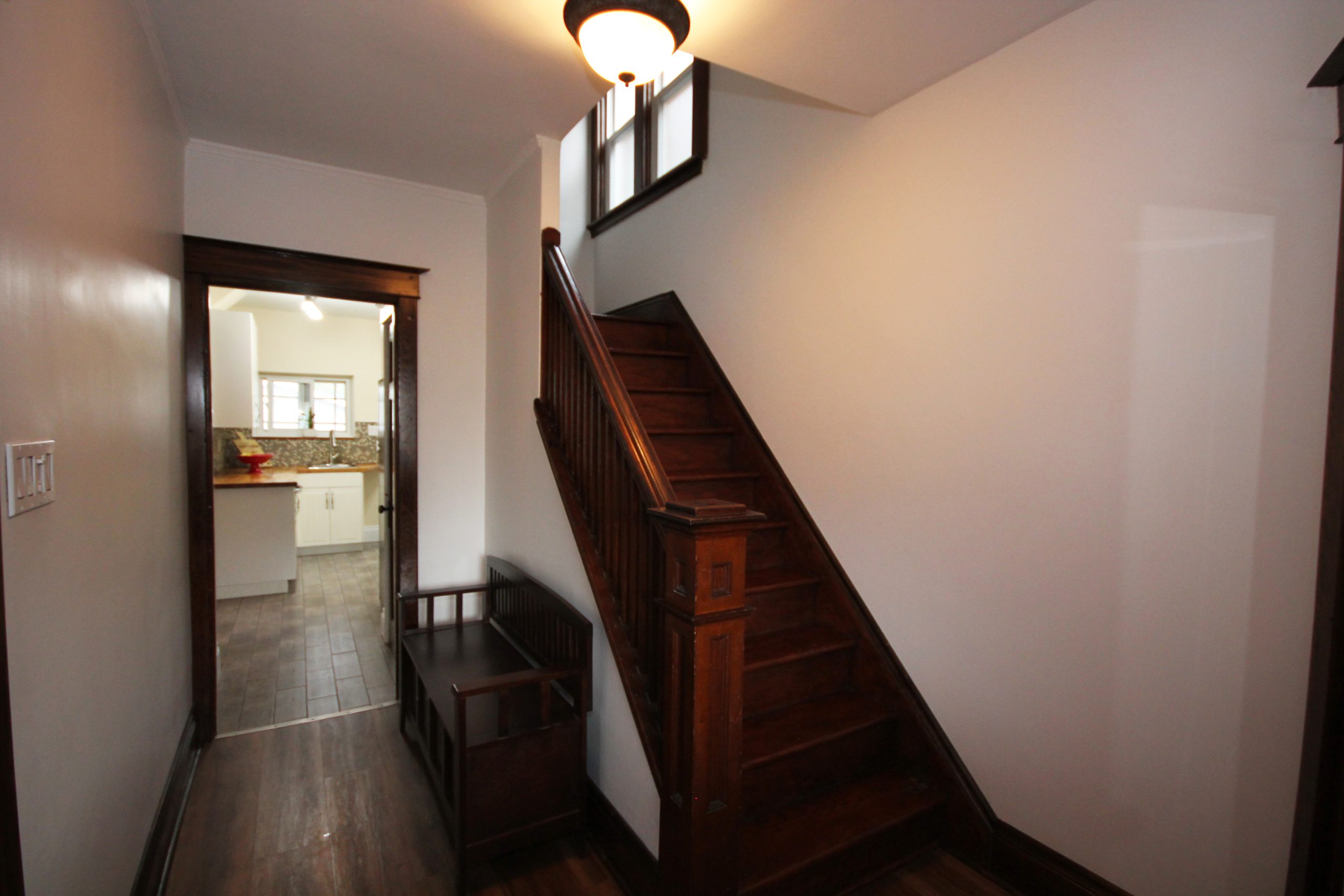
- High ROI fixes: Minor kitchen updates (hardware, counters if worn), bathroom refreshes, new roof if old, painting, new furnace or hot water tank if dated and failing.
- Medium ROI: Full kitchen renovation. Great if your comps support a higher bracket; expensive and not always fully recouped.
- Low ROI: Luxury upgrades (high-end pools, bespoke finishes) that push you above neighborhood comps. Appraisers rarely give full credit if neighborhood comps don’t match.
Rule of thumb: If your upgrade still leaves you above what comparable homes sold for, the appraisal will cap your price.
Preparation checklist to maximize appraisal value (30–90 day plan)
- Order a pre-list home inspection and fix major safety/structural items.
- Gather permits and receipts for all renovations.
- Clean, declutter, and stage the main living spaces.
- Cut back overgrown landscaping and boost curb appeal.
- Verify square footage and provide floor plans if possible.
- Compile a list of comparable recent sales with photos.
- Highlight transit links, schools, and local amenities in your agent’s appraisal package.
Pricing strategy: Use comps, not wishful thinking
Set your listing price near top comps only if your home meets or exceeds those comps in condition and features. If you price above what an appraiser will accept, you risk buyer financing falling through. Work with an agent who can present a strong appraisal package.
Example: How a $15,000 pre-sale investment can protect $50,000 in value
You spend $15,000 to replace a roof, update the furnace, and fix basement water issues. The appraiser now treats the house as low-risk and values it in line with top comps. The buyer’s lender approves the mortgage at the higher number. You avoid a forced $50,000 reduction when a buyer’s appraisal comes in low. That’s how targeted spending protects value.

What appraisers care about that sellers often ignore
- Legal basement bedrooms without egress get zero or negative credit.
- Garage conversions without permits are discounted.
- Cosmetic staging helps buyer perception but won’t change measured value unless it reflects genuine upgrades.
- Local sales under private deals or family transfers are often excluded if they’re not arms-length.
How to use your agent to influence the appraisal outcome
Your agent should assemble an appraisal package: recent comps, renovation receipts and permits, floor plans, list of upgrades, neighborhood market commentary, and recent buyer activity. This saves the appraiser time and reduces guesswork.
Closing the deal without surprises
Do a final walk-through pre-appraisal. Share inspection and repair receipts with the appraiser. If there’s a known issue that reduces value, either fix it before listing or price accordingly. Don’t hope a buyer will accept a low appraisal.
Call to action
If you’re selling in Georgetown and want an appraisal-proof plan, I’ll give you a targeted checklist and a custom market comparison for your property. Contact Tony Sousa: tony@sousasells.ca | 416-477-2620 | https://www.sousasells.ca

FAQ — Answers Georgetown sellers need (clear, direct)
What’s the difference between an inspection and an appraisal?
Inspection = condition and defects. Appraisal = market value based on comps and condition. Inspections inform appraisals, but appraisals don’t equal inspection reports.
Will a pre-list inspection raise my appraisal?
Not directly. A clean inspection prevents negative adjustments. Fixing issues found in a pre-list inspection can prevent a lower appraisal.
Do permits matter for appraisal?
Yes. Legal, permitted renovations get full credit. Unpermitted work is often adjusted down or ignored.
What if the appraisal comes in low?
Options: negotiate price with buyer, get a second appraisal, provide additional comps and repair receipts, or have the seller make up the shortfall. The smartest move: be prepared before listing.
How long is an appraisal valid?
Appraisals are snapshots. Lenders typically accept appraisals for 60–120 days, depending on the mortgage program and market volatility.
Can staging increase appraised value?
Staging improves buyer perception and can speed sale. But appraisers value measured features and comparable sales. Staging rarely changes the numeric appraisal.
Which upgrades give the best return in Georgetown?
Address structural and mechanical risk first (roof, furnace, water issues), then kitchens and baths, then cosmetic finishes. Prioritize fixes that remove appraisal deductions.
How does location in Georgetown affect value?
Proximity to the GO station, schools, and downtown amenities increases demand and can justify higher appraisals. Conversely, homes near industrial zones or heavy traffic may appraise lower.
Should I order my own appraisal before listing?
A pre-list appraisal can reveal value risks and give you negotiating power. It’s a good investment for high-stakes sales.
What’s the fastest way to protect my sale from a low appraisal?
Order a pre-list inspection, fix major items, gather permits and receipts, and work with an agent to create a detailed appraisal package.
If you want practical, Georgetown-specific advice and a step-by-step plan to protect your sale, reach out: tony@sousasells.ca | 416-477-2620 | https://www.sousasells.ca