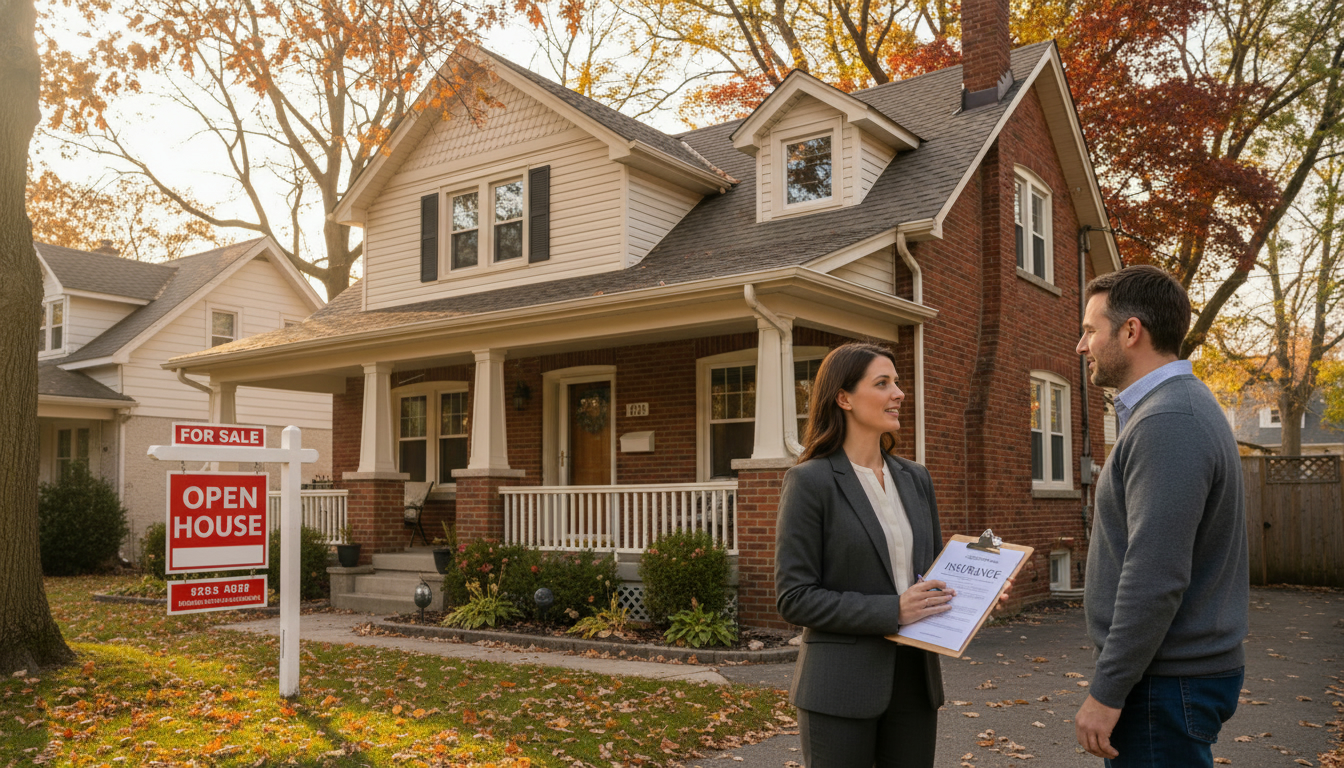
How much insurance coverage do I need?
How much insurance coverage do I need? — The no-nonsense checklist every Georgetown home seller must follow before listing and during sale.
Why this matters if you’re selling a home in Georgetown, ON
Selling a house is a legal and financial sprint. One small accident at an open house, a burst pipe while the property is vacant for showings, or a mover who drops a prized item can cost you tens of thousands — and sometimes derail a sale. Insurance isn’t optional. It’s protection that prevents a single incident from wiping out your profit.
This post tells you exactly how much insurance coverage you need as a home seller in Georgetown, Ontario, how to calculate it, what endorsements to add, and what to tell your insurer. No fluff. Real numbers and a clear checklist.
Quick summary (read this now)
- Keep your homeowner’s policy in force until the sale closes and keys change hands.
- Match dwelling coverage to replacement cost — not market value.
- Carry at least $2 million in personal liability; consider $5 million if you host large open houses or have high-net-worth assets.
- Add endorsements common in Georgetown: sewer backup, overland flood/overland water, and higher sewer/water limits.
- If vacant for more than 30 days, get vacant-home insurance or a vacant endorsement.
- Get moving insurance and demand movers provide proof of valuation coverage.

The first rule: replacement cost = the target number
Insurers reimburse based on replacement cost (what it costs to rebuild) or actual cash value (depreciated). For sellers, replacement cost matters. Market value includes land and demand — rebuilding cost does not.
How to estimate replacement cost:
- Multiply finished square footage by local rebuild cost per sq ft. In Halton Hills/Georgetown, use an initial estimate range of CAD 250–350 per sq ft as a starting point. Adjust by home age, materials, and finishes.
- Add separate costs for detached garages, outbuildings, decks, and major landscaping if they would be replaced.
- Add 10–20% for demolition, code upgrades, and professional fees.
Example: 2,000 sq ft × CAD 300 = CAD 600,000 + 15% = CAD 690,000 dwelling coverage.
Don’t rely on the insurer’s automated number alone. Get a professional replacement-cost estimate from a builder or the insurer’s appraiser and confirm you have enough.
Liability coverage: buyers, visitors, and open houses
Liability is where sellers get burned. People visit your house. Someone slips on ice, trips on a stair, or is injured during a showing. Legal costs and settlements escalate fast.
Recommended minimums for Georgetown sellers:
- Standard: $2,000,000 (CAD) personal liability.
- Higher risk or high-value homes: $5,000,000 umbrella policy.
If you run frequent open houses or allow contractors for staging and repairs, bump liability higher and ensure contractors carry their own commercial liability and provide a certificate of insurance.
Common endorsements and why Georgetown sellers need them
- Sewer backup / water backup endorsement: Many Ontario claims are sewer backups. This isn’t always included. Add it.
- Overland flood / overland water: Ontario flood risk has grown. Overland flood is often excluded from standard policies and requires a separate policy or endorsement.
- Building code upgrade / bylaw upgrade coverage: If you rebuild, the cost to meet current codes can add thousands.
- Vacant home endorsement: If home is empty for showings or between tenants, your policy may be voided. Get vacant-home coverage if empty more than 30 days.
- Loss of use / additional living expenses (ALE): If a covered loss forces temporary relocation before closing, this covers extra costs.
Personal property while staged or in storage
If you’ve moved some items or staged, check the limits for contents coverage. Some policies limit coverage for items stored off-premises or used for staging. Inventory high-value items (artwork, electronics). Schedule or add endorsement for expensive items.
Movers and transport insurance
Most mover contracts exclude full replacement value. Movers often offer valuation — not true insurance — with limited payout per pound or per item.
Action steps:
- Demand movers show proof of insurance and their valuation limits.
- Buy third-party moving insurance for full replacement value if you have high-value furniture or art.
Vacancy and showing risk: don’t assume coverage applies
Many insurers restrict or cancel coverage if a home is vacant or unoccupied for a set period (commonly 30 days). During the listing period a home may be shown frequently but still considered occupied if you live there. If you move out before closing, notify your insurer immediately and buy vacant coverage.
Legal liability during a sale: who pays for injuries during showings?
Liability initially sits with the property owner (seller) while the house is their legal property. That’s why robust liability limits are essential. Your realtor’s E&O insurance covers agent mistakes, not physical injuries.
Best practice:
- Confirm your policy’s liability limits before staging and open houses.
- Require visitors to register at open houses; use signage for known hazards (slippery steps).
Practical coverage checklist before listing (15-minute audit)
- Call your insurer. Confirm replacement cost dwelling limit equals or exceeds a professional estimate.
- Raise liability to at least CAD 2,000,000. Consider umbrella to CAD 5,000,000 if you host many visitors or have assets to protect.
- Add sewer backup and overland flood endorsements if not already present.
- If you plan to vacate the home before closing, purchase vacant-home coverage or inform underwriter about vacancy timeline.
- Schedule high-value personal property or buy portable property coverage for staged items.
- Verify movers’ coverage and buy third-party moving insurance if necessary.
- Keep policy active through closing — don’t cancel early.
- Keep records: photographs, receipts, and stamped inventory for claims.

How much will it cost? Expectation setting
Insurance premiums rise with higher limits and endorsements. For a typical Georgetown home:
- Increasing liability from $1M to $2M: moderate premium increase.
- Sewer backup endorsement: small annual fee (a few hundred CAD) but can prevent major losses.
- Vacant-home coverage: can be substantially higher; factor this in if you move out before closing.
The cost of a claim far exceeds the extra premium. Think of insurance as removing catastrophic risk so you can close the deal without a collapse.
Negotiation and closing day scenarios to watch
- Damage between offer and closing: Most purchase agreements require the seller to maintain the property. If a covered loss occurs, the buyer may walk or demand repairs. Your insurance should cover repairs and ALE if needed.
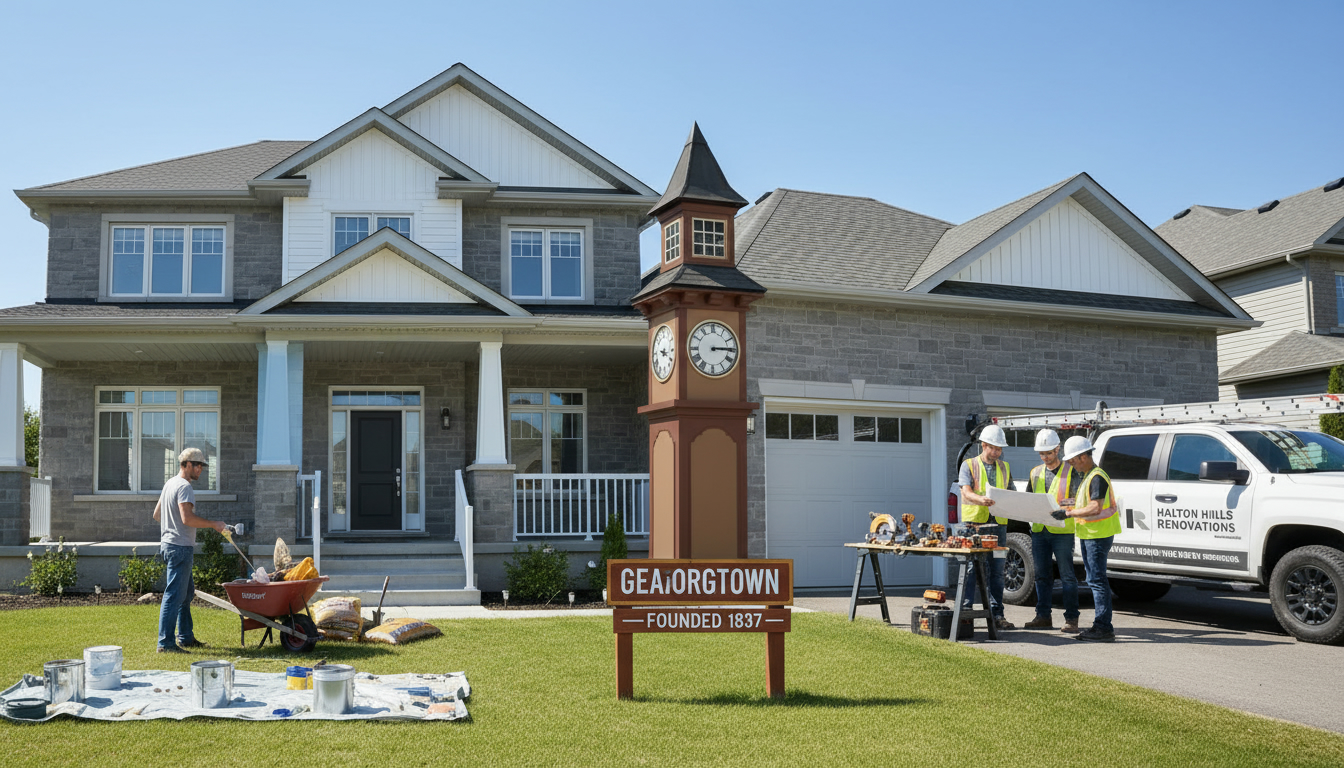
- Work done after inspection: Ensure contractors have commercial liability and WSIB coverage in Ontario.
- Appraisal or lender demands: Lenders often ask for proof of insurance at closing. Provide binder or proof that a policy is active and will stay active until keys transfer.
Local risks specific to Georgetown, ON
- Older homes and backwater valve issues: Many Georgetown homes have sewer backup risks. Ask about backwater valves and sewer backup coverage.
- Seasonal freeze-thaw and ice dams: Winter freeze can burst pipes and cause roof leaks. Maintain heat during vacant periods or add winter vacancy coverage.
- Flooding in low-lying areas: If the neighbourhood has history of overland flooding, get a tailored flood endorsement.
Final checklist before you list (one page you can use today)
- Replacement cost estimate in writing.
- Liability increased to minimum CAD 2M.
- Sewer backup and overland water added.
- Vacancy status clarified; vacant coverage purchased if moving out early.
- Movers’ valuation verified or moving insurance purchased.
- Inventory of high-value items scheduled.
- Copy of active policy available for closing and for buyer/lender requests.
Why you should work with a local expert
A local realtor who understands Georgetown’s market and local risks saves you time and prevents mistakes. They’ll know which neighbourhoods require flood endorsements, typical timelines when home sits vacant, and common liability issues during showings. They also coordinate with insurers, movers, and contractors so you never cancel a policy too early.
Tony Sousa is a Georgetown-based realtor who guides sellers through each insurance step — from replacement-cost estimates to vacant-home planning and proof-of-insurance at closing. For help tailored to your property, contact Tony at tony@sousasells.ca or 416-477-2620. Visit https://www.sousasells.ca to start.
FAQ — Common questions from Georgetown home sellers
Q: Do I need to keep my homeowner’s insurance until closing?
A: Yes. Maintain active coverage until keys and title transfer to the buyer. Canceling early risks uncovered loss and can void obligations in the purchase agreement.
Q: Is market value the same as replacement cost?
A: No. Market value includes land and market demand. Replacement cost is the rebuild cost. Insurers pay to rebuild (replacement cost) for dwelling coverage.
Q: How much liability insurance should I carry while selling?
A: Minimum CAD 2,000,000 recommended. Consider CAD 5,000,000 umbrella if you host many events or own significant assets.
Q: My house will be vacant during the sale — what now?
A: Notify your insurer. Standard policies often restrict coverage if vacant more than 30 days. Purchase vacant-home coverage or a vacancy endorsement.
Q: What about flood or sewer backups in Georgetown?
A: Add a sewer-backup endorsement. Overland flood is often excluded and requires a separate policy or endorsement; evaluate risk for your neighbourhood.
Q: Who is liable if a visitor is injured at an open house?
A: The property owner (seller) bears primary liability while owning the property. That’s why adequate personal liability coverage is essential.
Q: Do movers’ insurance policies cover everything?
A: Not always. Movers often offer limited valuation. Buy third-party moving insurance for full replacement value if you have valuable items.
Q: Will raising coverage prevent sale delays?
A: It prevents delays caused by uncovered losses. Lender and buyer requests for proof of insurance are common; having coverage ready speeds closing.
Q: How do I calculate replacement cost accurately?
A: Use square footage × local rebuild cost per sq ft (start CAD 250–350 in Georgetown), add outbuildings, and add 10–20% for code and demolition. Get a professional appraisal to confirm.
Q: What documents should I keep for an insurance claim?
A: Photos before listing, receipts, inventories, contractor invoices, and any communication with your insurer.
For hands-on guidance in Georgetown, ON, contact Tony Sousa: tony@sousasells.ca | 416-477-2620 | https://www.sousasells.ca
If you want a free 15-minute checklist review before you list, email Tony and ask for a Seller Insurance Audit.