How old should a house be for me to buy it
safely?
Want the one rule that decides whether a house is safe to buy — before you lose money or time?
The hard, direct truth about house age in Georgetown, ON
Age matters, but not the way most sellers and buyers think. In Georgetown, Ontario, property age is a signal — not a verdict. It tells you what to inspect, what to budget, and how to price. As a local market expert who sells homes in Georgetown every month, I’ll give you the simple, actionable rules sellers need to understand and buyers need to respect.
This post is direct. No filler. It’s written to help sellers get the best price and to help buyers avoid catastrophic surprises tied to property age.
Why property age matters in Georgetown real estate
- Building codes changed dramatically in the 1970s and again in the 1990s. Older homes may not meet modern safety, insulation, or electrical standards.
- Local soil, freeze-thaw cycles, and older foundation methods affect foundations in Georgetown.
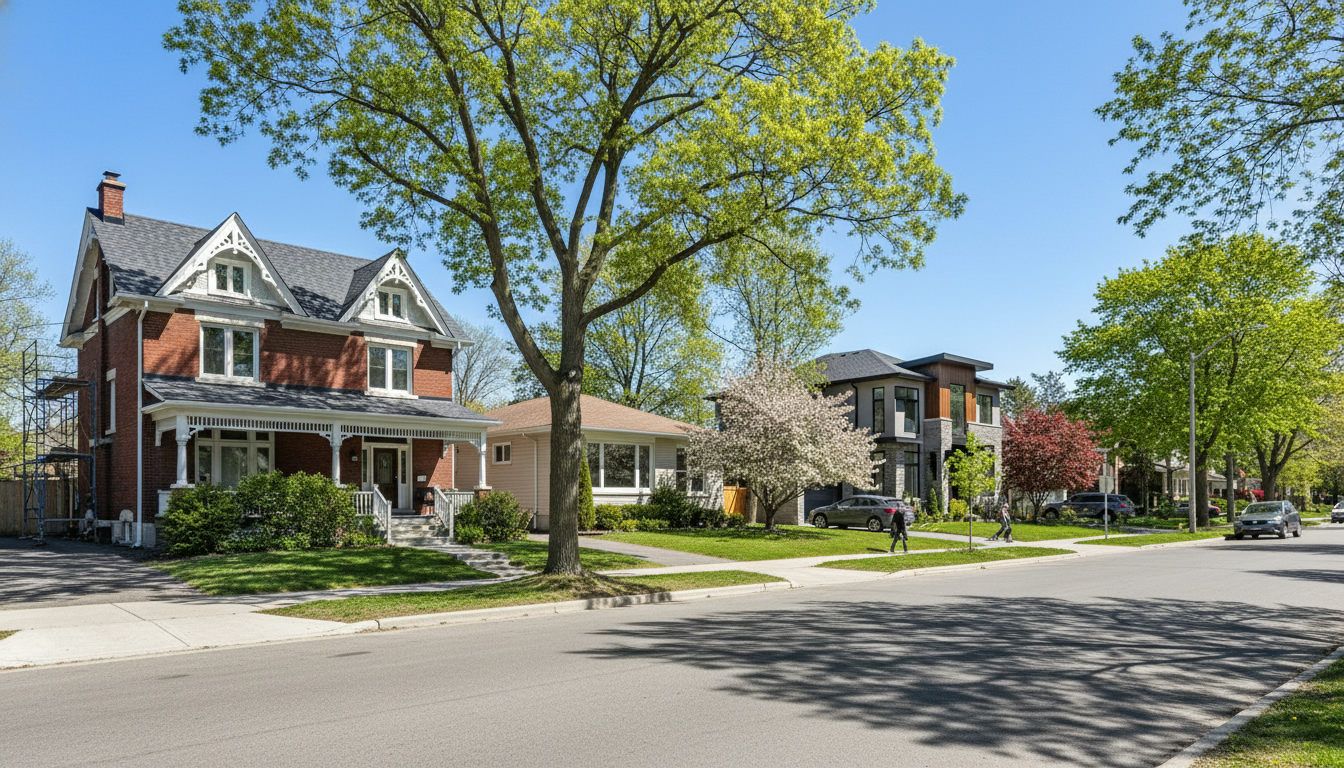
- Many downtown and West-end homes are century houses or character homes with heritage details — they attract buyers, but carry unique maintenance and permit risks.
- Newer subdivisions in Glen Williams and around Trafalgar Road bring modern systems but different risks: quick builds, possible builder warranty claims, or early finish defects.
For sellers: the age of your home sets buyer expectations. For buyers: age sets inspection priorities and negotiation leverage.
Common property types in Georgetown and what age signals to expect
- Century or Character Homes (pre-1950): Expect knob-and-tube wiring, older plumbing (galvanized), original plaster, and heritage features. High charm, higher maintenance.
- Mid-century Homes (1950–1979): Brick and wood, potential asbestos insulation, original windows, and older HVAC systems. Often solid structure, but deferred upgrades.
- Transitional & Modern Homes (1980–2009): Updated electrical panels or 100-amp panels early on, mixed plumbing, and roofs approaching mid-life.
- New Builds (2010–present): Modern codes, better insulation, new systems. Watch for builder finish issues, landscaping, and short-term warranty items.
Each type has predictable failure points. Age tells you where to look first.

A direct rule: The 40-year inspection rule for Georgetown
Buyers and sellers, memorize this: if a major system is older than 40 years, it needs thorough evaluation and likely budgeting. Why 40 years?
- Roofing materials, furnaces, and some plumbing and electrical components commonly reach end-of-life around 25–40 years depending on maintenance.
- A 40-year cutoff gives a buffer for mid-life failures and accounts for regional climate stress.
How to use it:
- If the furnace, roof, electrical panel, or sewer line is 40+ years old, assume replacement within 5–10 years unless proven otherwise.
- Price and negotiate with that replacement cost in mind.
This is not fear-based. It’s math. Sellers who disclose and either repair or properly price these items sell faster and with fewer renegotiations.
Practical age-based buying rules — clear, usable steps
- 0–15 years: Low worry. Focus on cosmetic finishes and builder warranty items. Verify permits and warranty status.
- 15–25 years: Spot-check HVAC, water heater, and roof. Expect some maintenance but not catastrophic replacements.
- 25–40 years: Raise your guard. Plan for partial system replacements and closely review electrical, plumbing, and roof histories.
- 40+ years: Assume major investments. Insist on detailed inspections, sewer camera, and structural assessment. Ask for records of renovations and permits.
For sellers: if your house hits the 25–40 bracket, consider completing high-return updates (electrical panel upgrade, new hot water tank, partial roof) before listing. These upgrades convert age risk into price.
Inspection checklist tailored for Georgetown
- Full home inspection by a licensed inspector experienced with Georgetown homes.
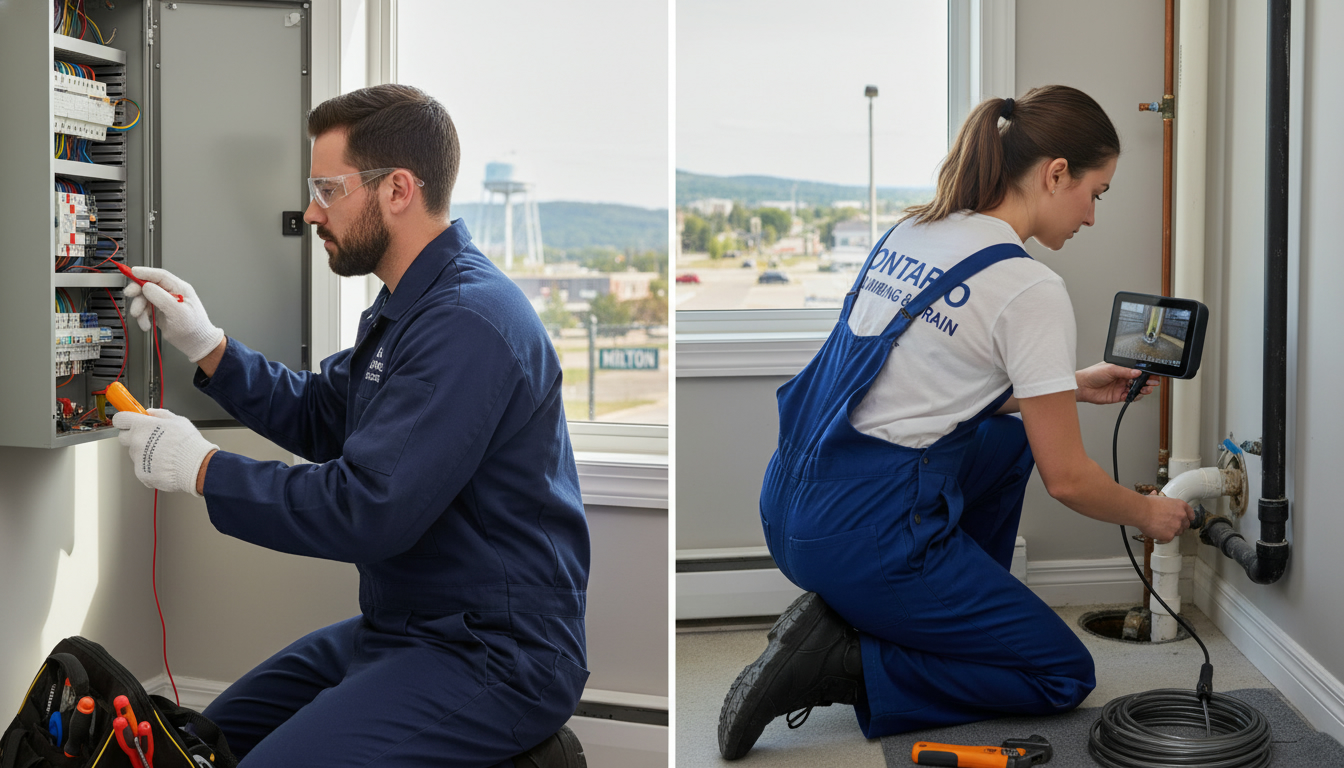
- Sewer/municipal connection camera for older properties — clay pipes and freeze-thaw damage are real risks here.
- Electrical inspection for knob-and-tube or fused panels. For mid-century homes, check for aluminum wiring.
- Foundation and drainage review — look for signs of heave, settlement, or blocked weeping tiles.
- Furnace and boiler service records, HVAC age, and replacement history.
- Roof age and material; check for ice dam history and attic ventilation.
- Asbestos and lead paint screening in pre-1980 homes if renovations are planned.
Sellers who bring a recent inspection report to market win trust and higher offers. Buyers who insist on these checks avoid paying for unknown fixes.
Money math: renovation costs vs. selling price
Be realistic. Here are ballpark replacement costs you can expect in Georgetown today (use local contractors for exact quotes):
- Roof replacement (typical detached): $8,000–$18,000
- Furnace/boiler replacement: $4,000–$10,000
- Electrical panel upgrade: $2,500–$6,000
- Sewer line repair/replace: $6,000–$25,000 (varies by depth and access)
- Major foundation repairs: $10,000–$40,000+
If a home’s systems are near 40 years, buyers will subtract these expected costs from their top offer. Sellers who fix or offer credits can capture better net proceeds.

When older homes are better — and how to sell that advantage
Older Georgetown homes often have location, lot size, and character that newer homes can’t match. To sell that advantage:
- Highlight original details that add value (wood trim, hardwood floors, stained glass).
- Provide a maintenance and renovation timeline to show the buyer what was done and when.
- Offer a home warranty or a small repair credit to remove buyer fear about age.
Buyers who value neighborhood and charm will pay a premium — but they must be informed.
When new builds are better — and how sellers compete
Buyers often choose newer homes for low maintenance and modern systems. If your older house competes with new construction:
- Emphasize finished updates, energy efficiency upgrades, and low immediate costs to own.
- Provide energy bills, and list upgrades like insulation, windows, and new HVAC.
- Price against new builds fairly — a $30k gap for newer systems may be justified.
Sellers who position older homes as “move-in confident” close quicker.
Insurance, permits, and resale — age affects all three
- Insurers may charge more or refuse certain coverages for homes with old wiring, knob-and-tube, or older roofs.
- Unpermitted renovations found during a sale can kill deals or force expensive remediation.
- Resale value: older homes sell well when their maintenance records and upgrades reduce buyer uncertainty.
Sellers: get permits in order before listing. Buyers: require proof of permits for key renovations.
How a Georgetown expert helps — fast, local decisions
A local realtor who works the Georgetown market daily can:
- Interpret inspection reports in the local context.
- Recommend trusted local trades for accurate replacement quotes.
- Position older homes to buyers who value character and will pay for it.
- Price homes to reflect both age risk and neighborhood demand.
If you want a market appraisal that factors age, maintenance, and buyer appetite in Georgetown, contact the local expert listed below for a clear plan.
How to present age honestly as a seller and still get top dollar
- Disclose: Provide the age and service records for major systems in the listing.
- Invest selectively: Replace items that yield high buyer confidence (electrical panel, recent roof, serviced HVAC).
- Market smart: Show permit histories, renovation photos, and warranties.
Honesty shortens time on market and increases net proceeds.
Quick checklist for sellers before listing
- Collect service records and permits.
- Replace or service furnace, hot water tank, and roof if near end-of-life.
- Get a pre-listing inspection and fix high-impact items.
- Offer a home warranty to reduce buyer friction.
- Work with an agent who knows Georgetown neighborhoods and buyer profiles.
FAQ — Common questions buyers and sellers ask about house age and safety in Georgetown
Q: Is there a specific house age I should avoid in Georgetown?
A: No single year is a deal-breaker. Use the 40-year rule: any major system over 40 years needs careful evaluation and likely budgeting.
Q: Do older homes in Georgetown have lower resale value?
A: Not necessarily. Value depends on maintenance, location, upgrades, and buyer demand. Well-maintained older homes with record of work often command premiums in character neighborhoods.
Q: How much should I budget for hidden repairs in a 60-year-old home?
A: Expect to set aside at least 3–6% of purchase price for near-term updates; more if inspection flags structural, electrical, or sewer work.
Q: Should sellers do repairs before listing or price the house accordingly?
A: Repair high-impact items (electrical safety, roof leaks, major plumbing). For other items, consider a credit — but disclose everything.
Q: Are heritage designations in Georgetown a problem?
A: Heritage can limit alterations but increase buyer interest. Understand permit requirements and how they affect renovations and price.
Q: Will insurance be more expensive on older houses?
A: Possibly. Insurers check wiring, roof age, and plumbing. Fixing or documenting upgrades can lower premiums.
Q: Should buyers require a sewer camera for older Georgetown homes?
A: Yes. Clay and cast-iron pipes were used historically, and sewer issues are one of the costliest surprises.
Q: What is the single best step sellers can take to reduce age-based buyer fear?
A: Get a pre-listing inspection and provide the report with the listing. It builds trust and reduces low-ball offers.
Final, direct takeaway
Age is information. Don’t let it become fear. Use the 40-year rule to prioritize inspections and budgets. Sellers who prepare and disclose sell faster and for more money. Buyers who insist on proper inspections avoid paying for surprises.
For a fast, local appraisal that factors property type, age, and Georgetown market demand — and to get a prioritized list of repairs that actually move the needle — contact the local realtor below.
Tony Sousa — Local Georgetown Realtor
Email: tony@sousasells.ca
Phone: 416-477-2620
Website: https://www.sousasells.ca
If you want a concise, prioritized plan for your specific house — send the address. I’ll tell you exactly which age-related issues matter and what buyers will pay for them.