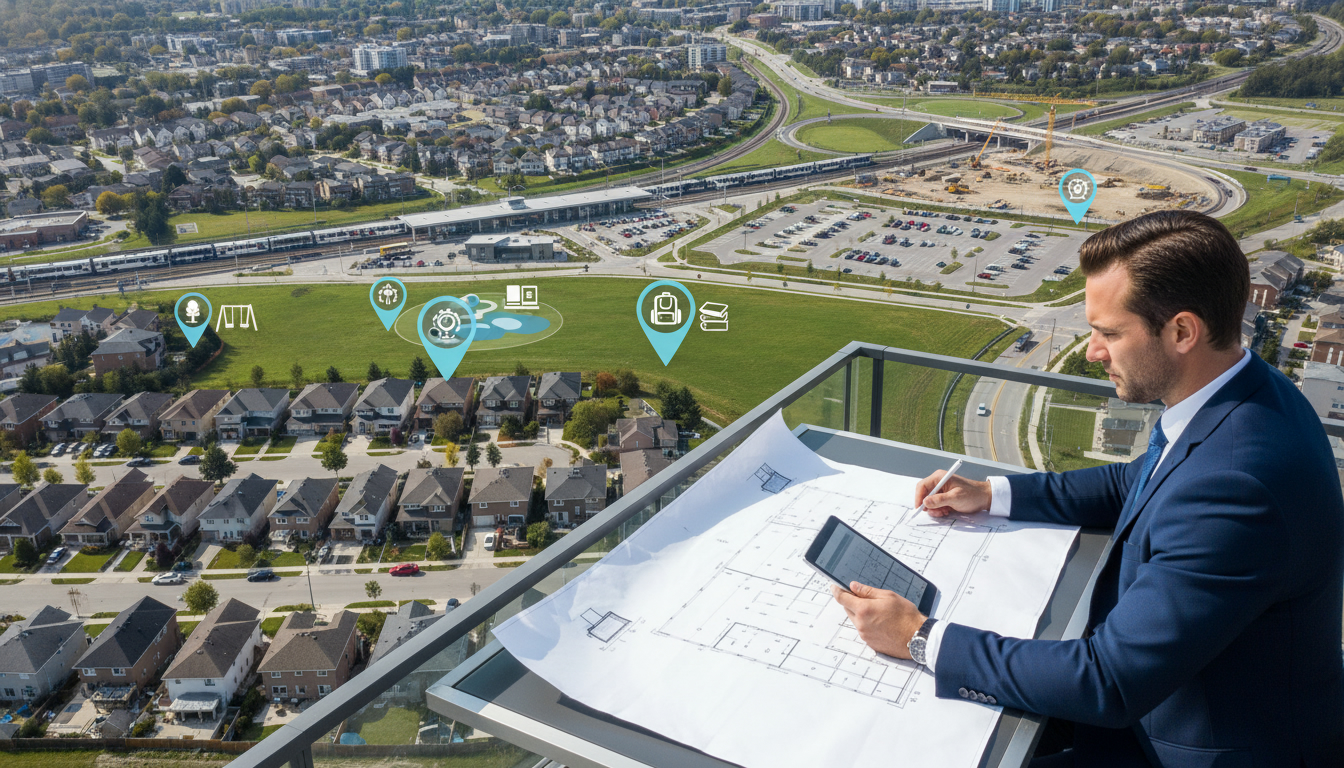
Are there upcoming infrastructure projects that may affect
property value?
Are major infrastructure plans about to make your Georgetown home worth a fortune — or sink its value? Read this now.
Why this matters to every home seller in Georgetown, ON
If you’re selling a home in Georgetown, Ontario, one simple fact will shape your next price decision: infrastructure drives value. Roads, transit, schools, and utilities don’t just change commutes — they change buyer demand, comparable sales, and what buyers will pay. Ignore upcoming projects and you leave money on the table or get blindsided by downward pressure.
I’m Tony Sousa, a Georgetown real estate expert. I cut through the noise and give sellers clear actions to protect or boost their property value when infrastructure hits your neighbourhood.
The short answer: yes — and it depends on the project
Not all infrastructure works the same. Some projects lift values fast. Others create temporary pain or long-term downside. The key is to identify the type, timing, and scale of each project, then act.
High-impact projects that typically increase value:
- New transit links (GO expansion, bus rapid transit, light rail)
- Major highway upgrades that cut commute times
- New schools, hospitals, community centres, and parks
- Large mixed-use developments bringing retail and jobs
Projects that can reduce value or cause short-term pain:
- Heavy industrial or utility sites near homes
- Long construction timelines creating noise and disruption
- New roadways that increase traffic or divide neighbourhoods
- Proposed high-density developments that change neighbourhood character
How to find reliable info on upcoming projects (do this now)
- Municipal planning and public works pages (Halton Hills / Town of Halton Hills). Track council meeting minutes, official plans, and development applications. These are primary sources.
- Halton Region and Province websites. Major transit (Metrolinx, GO) and provincial road projects are listed there with timelines and environmental assessments.
- Local news and community associations. They surface controversies and neighbourhood reaction—valuable for gauging buyer sentiment.
- Planning department contacts. Call or email planners for clarity on timelines and approvals.
- Real estate market reports and comparables. Your realtor should model price impact using nearby sales after similar projects.

The specific projects to watch in Georgetown, ON
- GO Transit and regional transit expansion: Any planned GO service upgrades or increased frequency will shorten commutes to Toronto and boost buyer demand among commuters.
- Highway improvements and interchange upgrades: Smoother highway access increases appeal for buyers working outside Georgetown.
- New community centres, schools, and parks: These amenities attract families and increase per-square-foot values within walking distance.
- Mixed-use intensification near downtown Georgetown: Careful — retail and jobs increase demand, but higher density can change neighbourhood feel and parking pressure.
- Utilities and broadband upgrades: Faster internet and modern utilities are selling features in today’s market.
Note: Projects can be proposed for years before construction. Don’t react to proposals the same way you react to shovel-ready projects.
Exactly how these projects change what buyers pay
- Shorter commute time = higher demand from commuters. Buyers will pay a premium for 15–30 minute savings.
- New schools and parks = higher prices for family-targeted homes. Proximity becomes a top filter in searches.
- New retail and jobs = more local demand; gives you leverage when pricing.
- Construction disruption = reduced appeal during builds. Expect a temporary discount if buyers must tolerate years of noise or traffic.
- Rezoning and density increases = mixed results. Higher density often raises land value but can reduce premiums for detached homes due to lost privacy.
A seller’s playbook: practical steps to protect and capture value
- Audit local projects before listing. Know which projects are guaranteed, proposed, or in environmental review.
- Time your sale. If a value-boosting project is shovel-ready within 6–12 months, waiting may net you more. If disruptive construction starts soon, sell before it begins.
- Use the narrative. If transit or a new school is confirmed, market proximity. Buyers respond to concrete proof: official timelines, approved plans, and construction permits.
- Make targeted improvements. If a project will bring commuter buyers, highlight parking, storage, and home office upgrades. If families will dominate, invest in curb appeal, fencing, and safe-play spaces.
- Price with comparables that reflect the new reality. Don’t rely on old sales. Use similar properties that already reflect the infrastructure change when possible.
- Get a professional inspection and disclosure ready. Projects can expose hidden issues (drainage, noise, vibration). Be proactive.
- Consider short-term incentives if construction is nearby: closing cost help, flexible possession dates, or temporary rent-backs for buyers put off by construction timelines.
- Consult an agent who monitors local planning. You want someone who reads council minutes and calls planners — not just an agent who lists on MLS.
How I’ll help you — no fluff
I track every planning application, Metrolinx update, and Halton Region decision that affects Georgetown. I model price scenarios for sellers based on actual timelines. I’ll tell you when to wait, when to list, and how to market your property to buyers who will pay more because of the change.
When you list with me you get:
- A project impact audit: a two-page report showing which infrastructure items affect your home and why.
- Pricing model with three scenarios: sell now, sell after construction, or hold and lease.
- A targeted marketing plan to highlight infrastructure benefits or reduce construction worries.
Contact: tony@sousasells.ca | 416-477-2620 | https://www.sousasells.ca
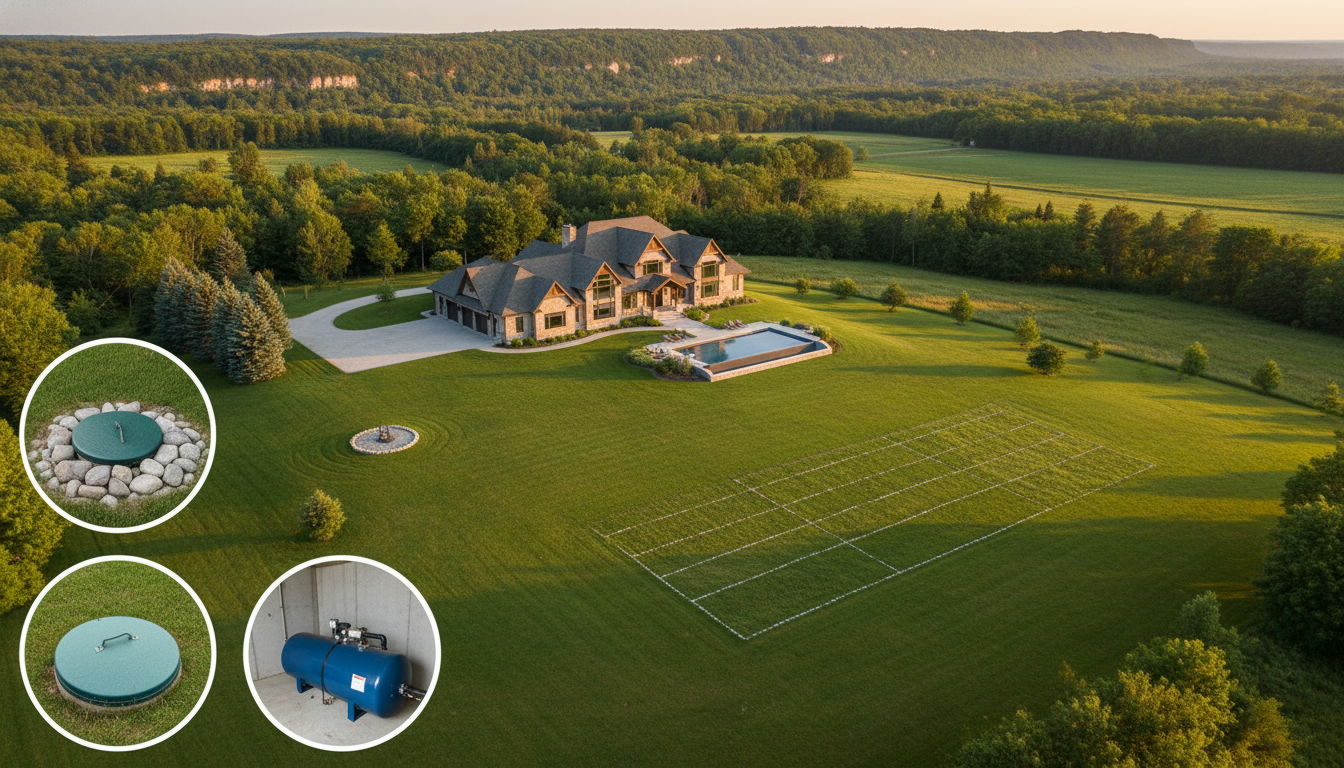
Real examples (what happened nearby that matters)
- Transit frequency increase: A nearby neighbourhood that gained hourly GO service saw demand jump and sold at 6–8% higher prices within 18 months.
- New elementary school: Homes within a 1.2 km radius gained a 5% premium shortly after school opening.
- Highway interchange upgrades: Reduced commute times attracted buyers from outside the region and drove price competition.
These aren’t guesses. They’re patterns I track and apply to your home.
Red flags that lower property value
- Long-term industrial permits near residential streets
- Major drainage or flood mitigation works that signal past issues
- Projects that remove green buffer zones or mature trees
- Approved high-density towers next to single-family streets
- Indefinite project timelines with no funding or approval
If you see these, ask the planning office for the environmental assessment and noise studies. Use those in negotiations or timing decisions.
Negotiation tactics tied to infrastructure
- Use confirmed project timelines as marketing or negotiation leverage. If a new school is opening soon, market to families and set a higher price.
- If disruptive work is scheduled, get a price concession from buyers or offer a home warranty/repair allowance.
- Ask for closing date flexibility if construction will block access for a few weeks.
- Request compensation for permanent nuisances (easements, utility access) if they affect usable yard space.
Quick checklist before you list
- Check municipal planning and Metrolinx pages for confirmed projects
- Verify construction timelines and permits
- Request a project impact audit from your agent
- Update listings to highlight confirmed improvements (transit, school, park)
- Make small, targeted upgrades buyers will value most
- Be ready with disclosure documents and inspection reports

Conclusion: Act with clarity, not fear
Infrastructure projects are not a lottery. They are predictable forces if you know where to look. Some projects make your home more valuable. Others require timing or negotiation to avoid discounts.
Be proactive. Get a clear audit. Market confirmed benefits. Time your sale to match the project reality. Do these things and you win more money at closing.
I track Georgetown’s plans daily. If you want a fast, clear assessment of how upcoming projects affect your property — get in touch.
Contact: tony@sousasells.ca | 416-477-2620 | https://www.sousasells.ca
FAQ — Quick answers home sellers in Georgetown need
Q: How do I know if a project is confirmed or just proposed?
A: Confirmed projects have funding, approvals, and permits. Proposed projects appear in planning documents but lack funding or final approvals.
Q: Will a new GO station always raise home prices?
A: Not always. If it improves commute times and maintains neighbourhood quality, yes. If it brings heavy traffic or reduces parking, the effect can be mixed.
Q: How long before a built project affects comparables?
A: Typically 12–36 months after construction begins, depending on visibility and speed of completion.
Q: Should I delay selling until after a project completes?
A: Only if the project is likely to improve demand and you can wait. If construction will be disruptive, list before work begins.
Q: Can I use a planned project in my listing even if it isn’t built yet?
A: Yes — but be factual. Use confirmed approvals and timelines. Avoid speculation.
Q: What if a project reduces my home’s value?
A: Ask for concessions, adjust price, or market to buyers less affected by the change (investors, multi-generational families). Seek compensation for permanent negative impacts.
Q: Who should I call at the town to confirm project details?
A: Town of Halton Hills planning or public works, Halton Region planning, and Metrolinx for transit projects.
Q: How can I get a project impact audit?
A: Contact me at tony@sousasells.ca or 416-477-2620. I’ll deliver a two-page audit and a pricing strategy tailored to your home.