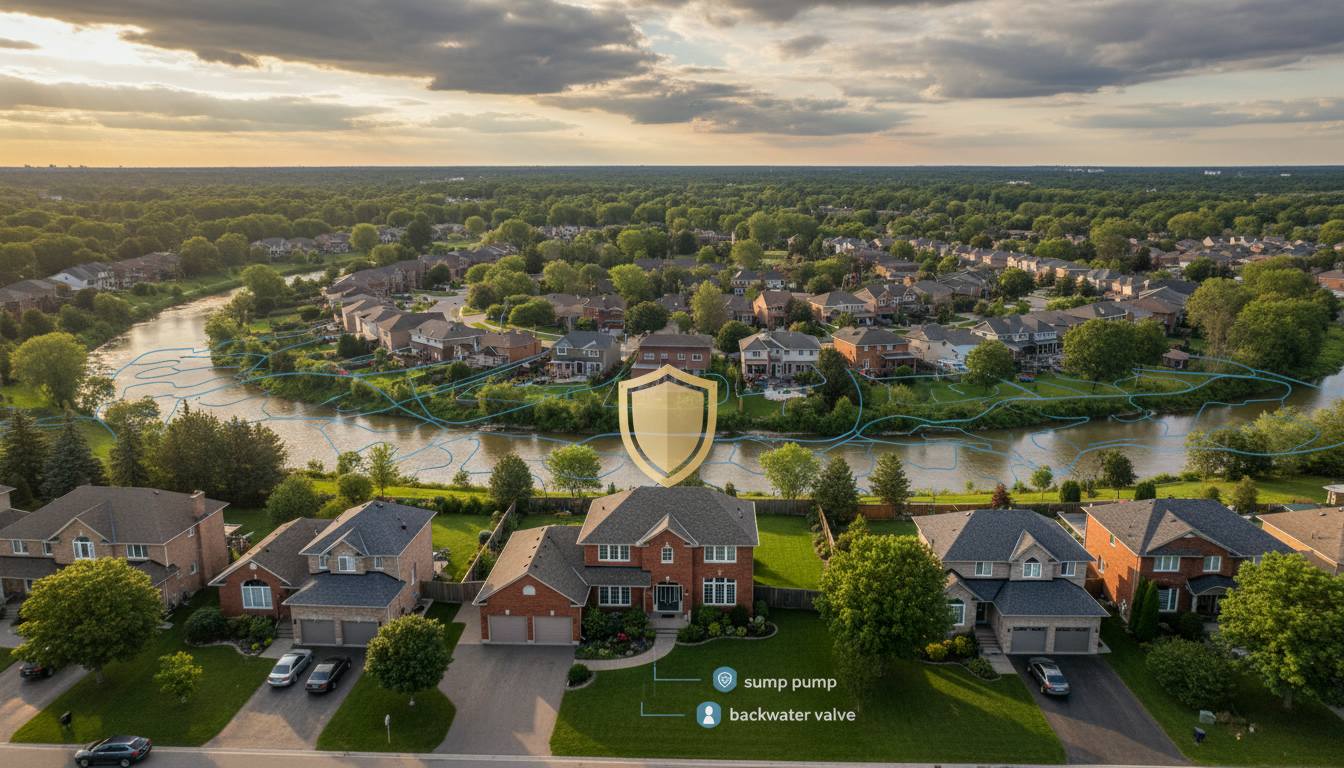
Are there natural disaster risks in my area?
Is your Georgetown home sitting on a hidden disaster that could kill your sale? Read this and act now.
Why this matters now
Selling a home in Georgetown, Ontario isn’t just about curb appeal and a clean basement. Buyers, insurers, and lenders now ask one hard question: is the property at risk from natural disasters? If you can’t answer confidently, you risk lower offers, denied insurance, or a stalled sale.
I’m Tony Sousa — a local realtor in Georgetown, ON. I help sellers prepare properties so they sell fast, for top dollar, with no surprise insurance headaches. This guide tells you exactly what natural disaster risks matter here, how they affect sales and insurance, and what sellers must do before listing.
Natural disaster risks relevant to Georgetown, Ontario
Georgetown sits in Halton Hills near watersheds and mixed rural-urban terrain. Here are the real risks you must evaluate.
-
Flooding and overland flooding
-
Why it matters: Georgetown is crossed by waterways like the Credit River and Sixteen Mile Creek. Heavy rain events and spring melt can push water into low-lying yards and basements.
-
How it shows up: basement flooding, lawn erosion, water at garage floors, and repeated insurance claims.
-
Sewer backup and basement flooding
-
Why it matters: Older storm/sewer systems in parts of Halton can back up during heavy storms. Sewer backup is a leading cause of basement claims in Ontario.
-
How it shows up: sewage smell, slow drains, insurance endorsements needed for coverage.
-
Severe storms: wind, hail, and ice storms
-
Why it matters: Strong winds and hail damage roofs, siding, windows, and landscaping. Freezing rain and ice can collapse trees into houses.
-
How it shows up: missing shingles, dented siding, broken skylights, fallen trees.
-
Winter storms and ice dams
-
Why it matters: Heavy snow and freeze-thaw cycles create ice dams, causing roof and attic water damage.
-
How it shows up: attic staining, ceiling stains, loosened shingles, interior leaks.
-
Wildfire risk (limited but growing in rural/wooded edges)
-
Why it matters: Properties near woodlots or on rural lots can face higher wildfire risk during dry summers.
-
How it shows up: increased insurance premiums in select rural pockets, need for defensible space.
-
Tornado risk (low probability)
-
Why it matters: Ontario can see tornadoes. Probability in Georgetown is low, but severe wind events happen.
-
Earthquake (very low)
-
Why it matters: Ontario’s seismic risk is small. It rarely affects insurance or sales decisions here.

How natural disaster risk affects home sellers in Georgetown
Natural disaster exposure changes buyer behavior and the sale process. Here’s what sellers must expect.
-
Lower offers and more conditions
Buyers discount properties with recent claims, visible damage, or flood history. Expect offers to be lower or conditional on repair and inspection results. -
Insurance availability and premium shocks
If insurers see repeated claims or the property sits in a regulated floodplain, coverage can be limited, expensive, or require endorsements. -
Financing friction
Lenders may require proof of insurability before approving mortgages. If coverage is denied or limited, buyers can walk. -
Disclosure obligations
Ontario sellers must disclose known material defects. Past flood damage, insurance claims, and mitigation work must be shared. Hiding these facts exposes you to legal risk. -
Longer time to close
Buyers will want inspections, insurance quotes, and sometimes independent engineering or elevation reports. This delays closing and increases friction.
Insurance essentials Georgetown sellers must know
Don’t assume standard policies cover everything. Here’s what to check now.
-
Standard home insurance vs overland flood
Standard policies typically cover perils like fire, wind, and theft. Overland flood (surface water flooding onto property) is often excluded or limited. Ask your broker specifically about overland flood coverage. -
Sewer backup endorsements
Sewage and storm backup are commonly excluded unless you add an endorsement. If your basement has flooded before, you’ll likely need this endorsement. -
Replacement cost and deductible
Confirm dwelling replacement cost and deductibles. After a claim, your insurer will use these numbers to calculate payouts. -
Claims history matters
Multiple recent claims on the property can make insurers decline new coverage or increase premiums. Provide full claims history to buyers and brokers. -
Ask for a pre-listing insurance opinion
A quick call to an experienced broker will tell you if the property is insurable and approximate premiums. Don’t wait for an offer to find out.
Risk reduction: practical steps to protect value and make the sale
Do these in this order. They’re cost-effective, fast, and buyers notice them.
- Get a local flood/erosion check
- Use Conservation Halton and Halton Region flood maps. Confirm if the property sits in a floodplain or regulated area. Print and keep the maps to share with buyers.
- Hire a plumber to install a backwater valve and a working sump pump
- These cut basement flood risk and often reduce insurance premiums.
- Fix gutters, grading, and downspouts
- Simple landscaping to slope soil away from the foundation prevents surface water pooling.
- Repair roof and attic insulation
- Replace damaged shingles, fix flashing, and add insulation/ventilation to prevent ice dams.
- Document everything
- Keep receipts for mitigation work. Collect previous insurance claims documents and repair invoices. Buyers and brokers will ask.
- Get a pre-listing home inspection
- Find issues buyers will flag. Fix high-impact items and disclose the rest with a remediation plan.
- Offer mitigation proof in the property package
- Provide Conservation Halton printouts, sump pump & backwater valve receipts, photos, and your insurance opinion.
- Price for confidence
- If risk can’t be fully mitigated quickly, price the property to reflect buyer uncertainty. Showing documented mitigation narrows the gap.
How to present natural disaster risk to buyers (and why it matters)
Transparency wins. Don’t hide past floods or claims. Instead, present a “risk package” with:
- Floodplain map screenshots or links
- Insurance broker’s note on insurability and typical premiums
- Receipts for mitigation work (valves, pumps, grading)
- A short written disclosure explaining past events and what you fixed
Buyers prefer a known risk with a plan over a hidden one. This builds trust and reduces conditional offers.

Quick pre-list checklist for Georgetown sellers
- Check Conservation Halton and Halton Region flood maps
- Call your insurance broker for a pre-listing opinion
- Install/confirm sump pump and backwater valve
- Fix roof, gutters, and grading
- Get a pre-listing inspection and fix major items
- Compile a mitigation and claims folder to show buyers
Why working with a local expert matters
Georgetown’s micro-climates and watershed rules are local. Conservation Halton regulates work near watercourses. A realtor who knows local flood history, municipal requirements, and which buyers’ lenders are strict will save you time and money.
I’m Tony Sousa. I work full-time in Georgetown and Halton Hills. I’ve guided sellers through flood-sensitive sales, connected them to trusted insurers and contractors, and closed deals without last-minute insurance surprises. If you want to list confidently, call or email me — I’ll tell you exactly what to do for your property.
Contact: tony@sousasells.ca | 416-477-2620 | https://www.sousasells.ca
FAQ — Common questions Georgetown home sellers ask
Q: Is Georgetown at high flood risk?
A: Some pockets are at higher risk. Properties near Credit River and Sixteen Mile Creek or in mapped floodplains have higher exposure. Use Conservation Halton maps to check your lot.
Q: Will past flood damage kill my sale?
A: Not if you handle it right. Full disclosure plus documented repairs and mitigation reduces buyer fear and speeds offers. Hidden problems cause legal and financial trouble.
Q: Does standard home insurance cover overland flood in Georgetown?
A: Usually no. Overland flood is often excluded or limited. Many insurers offer endorsements or separate coverage. Speak with a broker before listing.
Q: What is a backwater valve and why install one?
A: A backwater valve prevents sewage from backing into the basement from municipal sewers. It’s a cost-effective mitigation that insurers like and often discount against premiums.
Q: Should I get a home inspection before listing?
A: Yes. A pre-listing inspection identifies issues you can fix proactively. It reduces buyer conditions and speeds the sale.
Q: How do I prove my home is insurable to buyers and lenders?
A: Get a written note or quote from an insurance broker confirming typical premiums and any required endorsements. Include this in your property package.
Q: Who regulates work near water in Georgetown?
A: Conservation Halton manages development and permits near watercourses like Credit River and Sixteen Mile Creek. Check before doing structural or shoreline work.
Q: If my property is in a floodplain, can I still sell it?
A: Yes. Many homes in floodplains sell. The key is disclosure, mitigation, and clear communication about insurance availability.
Q: How much will insurance cost after a claim history?
A: It varies. Multiple claims or severe claims raise premiums significantly. A broker can give an estimate once they review the property’s history.
Q: What’s the fastest way to reduce buyer concerns?
A: Provide a mitigation folder: flood maps, insurance opinion, repair receipts, photos, and a pre-list inspection. This shows competence and reduces conditional offers.
If you’re listing in Georgetown and want a clear, local plan to manage natural disaster risk and insurance questions, reach out. I’ll run the maps, call a broker, and give you a checklist specific to your address. Don’t gamble with your sale — prepare it.
Contact: tony@sousasells.ca | 416-477-2620 | https://www.sousasells.ca