How do I handle a property dispute with
neighbors?
“My neighbour is moving my fence — what can I do right now?” — blunt, fast, and exactly what every Georgetown homeowner should ask.
Why read this: Because a property dispute can cost you tens of thousands, a sleepless summer, and the sale of your home. Read these practical, step-by-step actions to protect your property, document your case, and resolve the fight without wrecking the sale or your nerves.
Why this matters in Georgetown, Ontario
Georgetown sits inside Halton Hills and uses Ontario land registration systems, municipal bylaws, and local dispute processes. That means local fence bylaws, property surveys, and Land Titles records matter. If you’re selling a home in Georgetown, a boundary dispute can kill a deal or force last-minute price cuts. Handle it deliberately. Move fast. Be clean with paperwork.
Quick checklist — do these first (order matters)
- Stop any immediate work. Don’t confront. If someone is modifying a fence or altering land, politely photograph and video the scene from public space.
- Gather your paperwork: deed, survey (Plan of Survey), title insurance policy, recent property tax bill, and any historical photos showing the boundary.
- Mark the exact issue in photos with timestamps. Drone or wide-angle photos help.
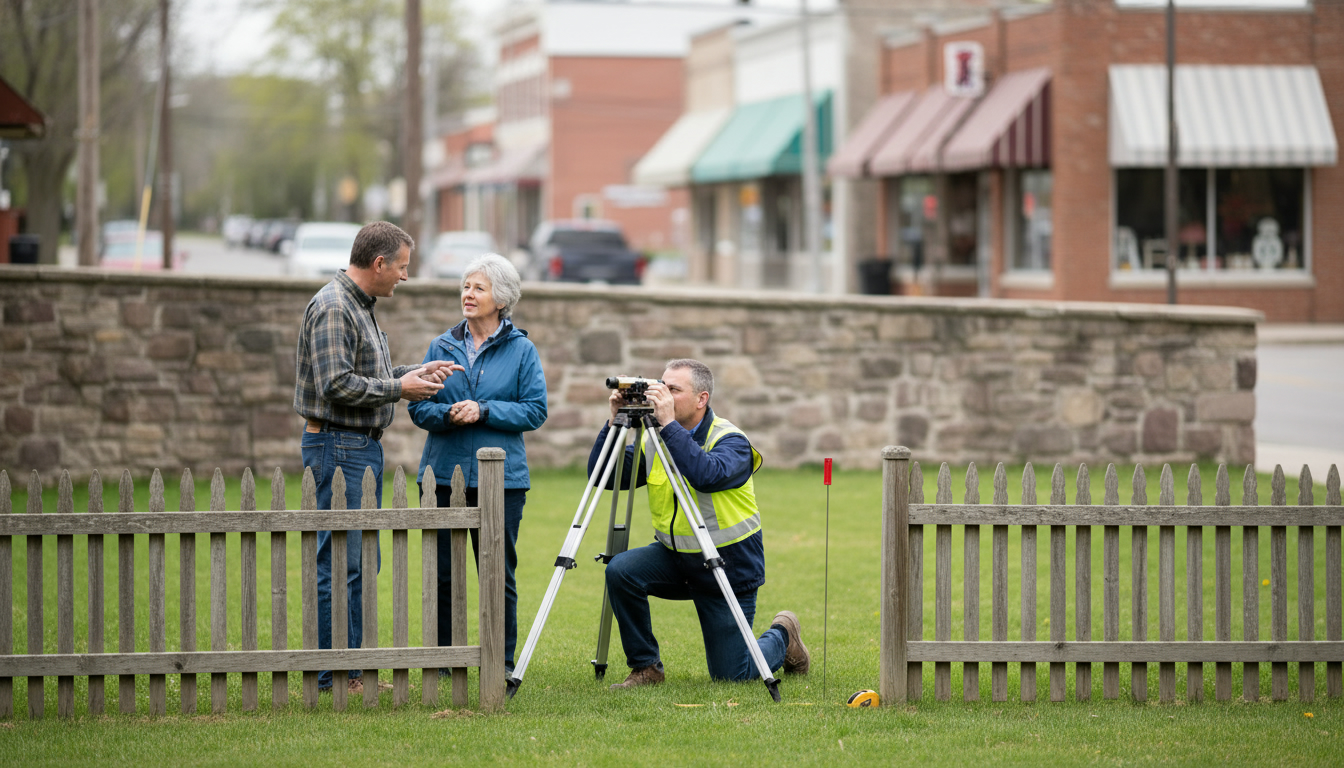
- Contact a licensed Ontario land surveyor if the boundary is unclear.
- Contact a real estate lawyer experienced in Georgetown/ Halton Hills boundary disputes before escalating.
Step-by-step plan to handle a neighbor property dispute
1) Calm, collect, confirm
- Do not retaliate or alter the land yourself. That becomes evidence against you.
- Take clear photos, videos, and notes. Note dates, times, witnesses.
- Check your property deed and the title from the Land Registry or Land Titles office. This shows legal descriptions.
2) Confirm the boundary with a licensed surveyor
- Book a surveyor in Halton Hills. A Plan of Survey is the most objective line in the sand. It’s admissible evidence.
- Surveys can be fast or take weeks depending on records. Still, do it early.
3) Talk — short, written, civil
- Once you have facts, approach the neighbour with a short, factual note: what you observed, what the survey shows (or is being arranged), and what you want (restore fence, negotiate, etc.). Keep copies of all communications.
- Use email or certified mail. Avoid long text threads or heated phone calls.
4) Offer mediation before lawyers
- Ontario has efficient mediation and alternative dispute resolution (ADR) options. Mediation saves money and keeps the sale on track.
- Town of Halton Hills may also have local conflict resolution resources; check municipal services.
5) Use title insurance and municipal records
- If you have title insurance, call the insurer. They often have legal help or claim coverage for certain boundary issues.
- Municipal records (property tax maps, building permits) sometimes show where features were historically placed.
6) When to involve a real estate lawyer in Georgetown
- If the neighbour refuses to negotiate, admits encroachment, or you find a title complication.
- If the issue affects the sale (buyer asks for a legal opinion or reduction). A lawyer can draft a formal demand, file for injunction, or bring quiet title actions.
7) Small Claims vs Superior Court
- For monetary claims under the Small Claims limit, use Small Claims Court (Ontario limit historically $35,000 — confirm current limit). This covers damage or costs but not title disputes.
- For quiet title, injunctions, or registered title disputes, your matter may need the Ontario Superior Court of Justice. Your lawyer will advise.
8) Consider cost vs. outcome
- Boundary disputes can be expensive. Ask: Will winning change the sale price or your ownership in a measurable way? If not, a negotiated settlement or fence relocation might be the fastest, cheapest path.
Local legal nuances for Georgetown, ON
- Town of Halton Hills bylaws: Georgetown follows town bylaws for fencing, property standards, and encroachments. Check the Town of Halton Hills website for permitted fence height, materials, and permit requirements.
- Land Titles vs Registry: Most Georgetown properties are under Ontario’s Land Titles system. Title documents and registered plans are decisive. If there’s ambiguity, hire a land surveyor and a lawyer familiar with Halton Hills cases.
- Neighbourhood norms: Older neighborhoods in Georgetown (e.g., near Main St., Trafalgar Road) may have legacy stone walls, hedges, or historical boundaries. Historical photos and long-time neighbour statements can be persuasive evidence.
How disputes impact a home sale in Georgetown
- Buyers will order a survey or title search. If the listing or disclosure reveals a dispute, buyers will ask for holdbacks, price reductions, or legal opinions.
- Disclosure obligations: Ontario sellers must disclose material facts. A pending dispute is a material fact. Failing to disclose can expose you to legal claims after closing.
- Timing: If possible, resolve or contain the dispute before listing. If you can’t, disclose clearly and show the steps taken (survey, lawyer, mediation) to reassure buyers.
Evidence that wins boundary disputes
- Certified Plan of Survey by an Ontario licensed land surveyor
- Registered deed and title documents from Land Titles
- Title insurance policy and claims history
- Photographs with timestamps and witness statements
- Municipal records and permits
- Written neighbour agreements or historical correspondences
When to accept a pragmatic settlement
If the costs to litigate exceed the commercial value of the disputed strip, negotiate. Common pragmatic solutions:
- Move the fence and split cost
- Sign a permanent written boundary agreement and register it on title
- Offer a small cash settlement for documented encroachment
- Grant a minor easement or license with clear terms
How a real estate lawyer helps in Georgetown
- Drafts demand letters and formal agreements
- Brings or defends quiet title actions in Superior Court
- Registers agreements or easements on title to avoid future disputes
- Advises on seller disclosure and defending post-closing claims
What not to do
- Don’t move or demolish a fence yourself.
- Don’t rely on verbal promises.
- Don’t ignore a registered title or survey discrepancy.
Practical timeline — realistic expectations
- Immediate: Document, stop work, notify neighbour, contact surveyor/lawyer.
- 1–4 weeks: Surveyor completes a plan of survey (may be longer if records are complex).
- 2–8 weeks: Mediation/negotiation often resolves most residential disputes.
- 2–9+ months: If litigation is needed, expect a longer timeline and higher costs.
Costs to expect (very approximate)
- Survey: $1,000–$3,500 depending on complexity.
- Mediation: $500–$2,000 shared between parties.
- Small Claims action: court fees and modest legal help (varies).
- Superior Court / quiet title: $5,000+ in legal fees often much higher depending on complexity.
Final direct action plan for sellers in Georgetown
- Stop any physical changes and document everything.
- Pull your deed and title; contact your title insurer.
- Book a licensed Ontario land surveyor immediately.
- Contact a Georgetown-area real estate lawyer with boundary experience.
- Attempt a short written negotiation, then mediation.
- If unresolved and value warrants it, litigate with clear goals: remove encroachment, cash settlement, or registered agreement.
A proven local contact
Tony Sousa is a top Georgetown real estate expert who helps sellers handle property disputes while keeping sales on track. For a direct, local next step, contact Tony: tony@sousasells.ca | 416-477-2620 | https://www.sousasells.ca
(If you need legal representation, Tony will refer you to trusted local Halton Hills real estate lawyers — this is not legal advice.)
FAQ — quick answers buyers and sellers ask in Georgetown
Q: Do I have to disclose a boundary dispute when selling?
A: Yes. A known boundary dispute is a material fact in Ontario. Disclose it in writing and show the steps you’ve taken.
Q: Can a neighbour claim my land by using it for years?
A: Concepts like adverse possession exist, but they are complex and rare in Ontario. Consult a lawyer immediately if you suspect this.
Q: What if the neighbour refuses to stop work on the disputed area?
A: Photograph, call police only if there’s trespass or immediate damage, and contact a lawyer to consider an injunction.
Q: How long does a survey take in Georgetown?
A: Often 1–4 weeks, depending on old records and site access. Book early.
Q: Will title insurance cover my dispute?
A: Title insurance policies vary. Contact your insurer promptly and get a lawyer involved.
Q: Is mediation binding?
A: Only if both parties sign a settlement agreement. Mediation itself is not binding unless it results in a written, signed agreement.
Q: When should I call a lawyer?
A: Immediately if the dispute risks the sale, if the neighbour admits encroachment, or if you suspect title issues.
Q: Can I resolve this without going to court?
A: Most residential disputes resolve via survey, negotiation, and mediation. Court is often the last step.
Q: Who pays for the survey or mediation?
A: Typically each party pays their own costs unless a legal settlement assigns costs differently.
Q: How does this affect my closing date?
A: It can delay closing. If unresolved, buyers may request holdbacks or refuse to close. Plan for contingencies.
Wrap-up — act now, document, and be pragmatic
Boundary fights are emotional. But the way you handle them is mechanical: document, verify, negotiate, and escalate only when the numbers justify it. For sellers in Georgetown, protecting your sale means moving on paper before you move in the yard.
Need a local consult to keep your sale on track? Contact Tony Sousa at tony@sousasells.ca or 416-477-2620. He’ll connect you with local surveyors and lawyers he trusts in Georgetown and Halton Hills.
Disclaimer: This post is for information only and is not legal advice. Consult a licensed Ontario real estate lawyer for legal action.