
How does a real estate lawyer help in a home
purchase?
Want to Know How a Real Estate Lawyer Protects Your Home Sale? Read This Now
Why this matters for Georgetown sellers
If you’re selling a home in Georgetown, ON, one mistake can cost you thousands, delay your closing or torpedo the deal. A real estate lawyer doesn’t just sign documents — they remove legal risk, speed the closing and protect your proceeds. This is direct, practical, and designed for sellers who want a clean, fast sale.
What a real estate lawyer does — plain and powerful
Real estate lawyers handle the legal heavy lifting in a sale. For sellers in Georgetown, their work breaks down into clear, high-impact areas:
- Title review and clearance: Confirms you own what you sell. Fixes liens, mortgages, easements or registrations that could block closing.
- Drafting and reviewing closing documents: Prepares deed, statement of adjustments, and discharge of mortgage documents so funds flow correctly.
- Reviewing the Agreement of Purchase and Sale: Ensures buyer conditions, timelines and contractual obligations protect your position.
- Closing coordination: Communicates with buyer’s lawyer, lender, municipal offices and your realtor. Schedules discharges, funds transfers and registration.
- Handling adjustments and prorations: Property taxes, utilities, condo fees and HST adjustments are calculated and documented accurately.
- Managing legal risks and disclosures: Advises on required disclosures, potential liabilities, and whether a Seller Property Information Statement (SPIS) or other forms should be used.
- Registering transfers and clearing title at Land Registry: Ensures new ownership is recorded correctly in Ontario’s land registration system.
- Dealing with developer or Tarion issues for new homes: Manages warranty transfers and closing obligations for new builds.
The Georgetown-specific legal edge
Georgetown sits in Halton Hills within Halton Region. That changes the checklist:
- Municipal searches and local utilities: Halton and Georgetown municipal systems can create liens or outstanding charges. A lawyer orders targeted local searches early.
- Land transfer tax calculations: Ontario land transfer tax applies; if the buyer is subject, legal teams ensure accurate reporting. If your sale triggers other municipal levies, your lawyer flags them.
- Older neighbourhoods and historical properties: Georgetown has legacy easements and old utility rights-of-way. Lawyers know to look for historic encumbrances on title.
- Condos and status certificates: Georgetown‘s condo market requires fast retrieval of status certificates under Ontario law. A seller’s lawyer pulls these quickly so deals don’t stall.
- New builds and Tarion: Local builders close frequently in Halton. Lawyers handle warranty documentation, holdbacks and Tarion transfers.
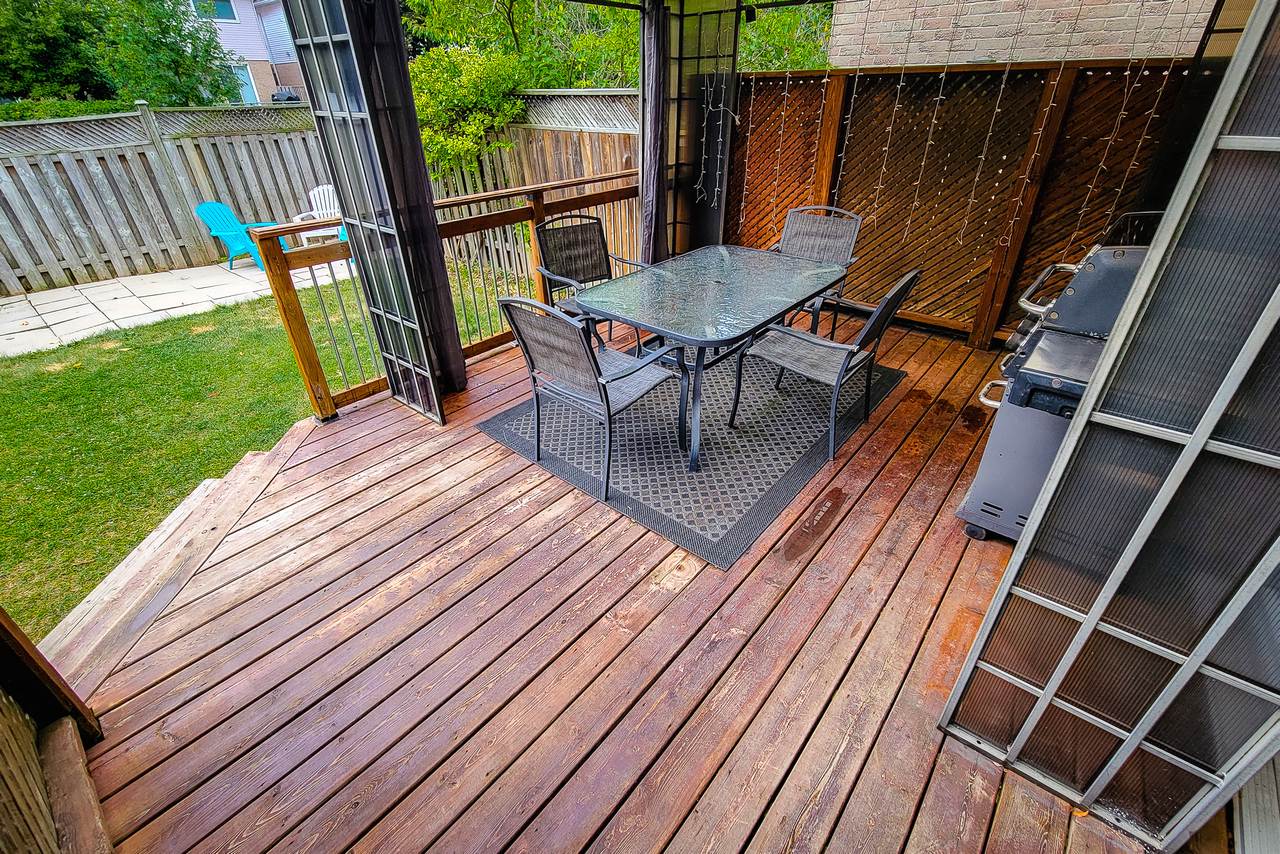
Step-by-step timeline for sellers — what your lawyer does, day-by-day
This timeline assumes a standard sale with a 30–60 day closing. Adjust for conditions.
- Offer accepted (Day 0–2)
- Lawyer reviews Agreement of Purchase and Sale (APS). Flags dangerous clauses, confirms closing date and deposit handling.
- Early title search (Day 1–7)
- Lawyer runs title to confirm ownership and checks for mortgages, liens or easements.
- Conditions removed (if applicable) (Day 7–14)
- If buyer has conditions (financing, inspection), your lawyer prepares to act when conditions are waived.
- Draft closing documents (Day 14–25)
- Lawyer prepares deed, statement of adjustments, pays off encumbrances and drafts discharge of mortgage.
- Final adjustments and clearances (Day 25–30)
- Property taxes, utility bills, condo fees calculated. Any municipal certificates obtained.
- Closing day (Day 30–60)
- Funds are exchanged, title registered, mortgage discharged and keys released.
- Post-closing follow-up (Day 1–14 after closing)
- Lawyer sends final trust statements, registers any mortgage discharges and confirms transfer.
Common seller pitfalls and how a lawyer fixes them
- Surprise liens or unpaid work: A lawyer spots these with early title searches and negotiates removals or holdbacks.
- Buyer conditions and timelines: Lawyers enforce timelines and interpret clauses to prevent buyer abuse or last-minute renegotiation.
- Incorrect adjustment calculations: Lawyers prevent overpayment or shortfalls by preparing precise statements of adjustments.
- HST and new-home complications: If HST applies, a lawyer calculates exposure and supervises any builder-related transfers.
- Registration errors: Only a lawyer can ensure the deed and notices are properly registered to protect you from future claims.
Costs and value — why lawyer fees are an investment, not a cost
Typical legal fees for a residential sale in Georgetown range from a flat fee plus disbursements for title searches and registrations. Expect legal fees to be a fraction of the risk they remove. A single missed lien or registration error can cost more than legal fees. A lawyer preserves your net proceeds, stops delays and prevents litigation after closing.
How to pick a real estate lawyer in Georgetown — a short checklist
- Local experience: Deep knowledge of Halton Region processes and municipal quirks.
- Clear fixed fees: Predictable pricing with transparent disbursements.
- Fast communication: Sellers need prompt responses to avoid closing delays.
- Team capacity: Ability to handle urgent status certificate pulls and last-minute issues.
- Reputation and referrals: Real estate agents and past clients should vouch for timely closes.
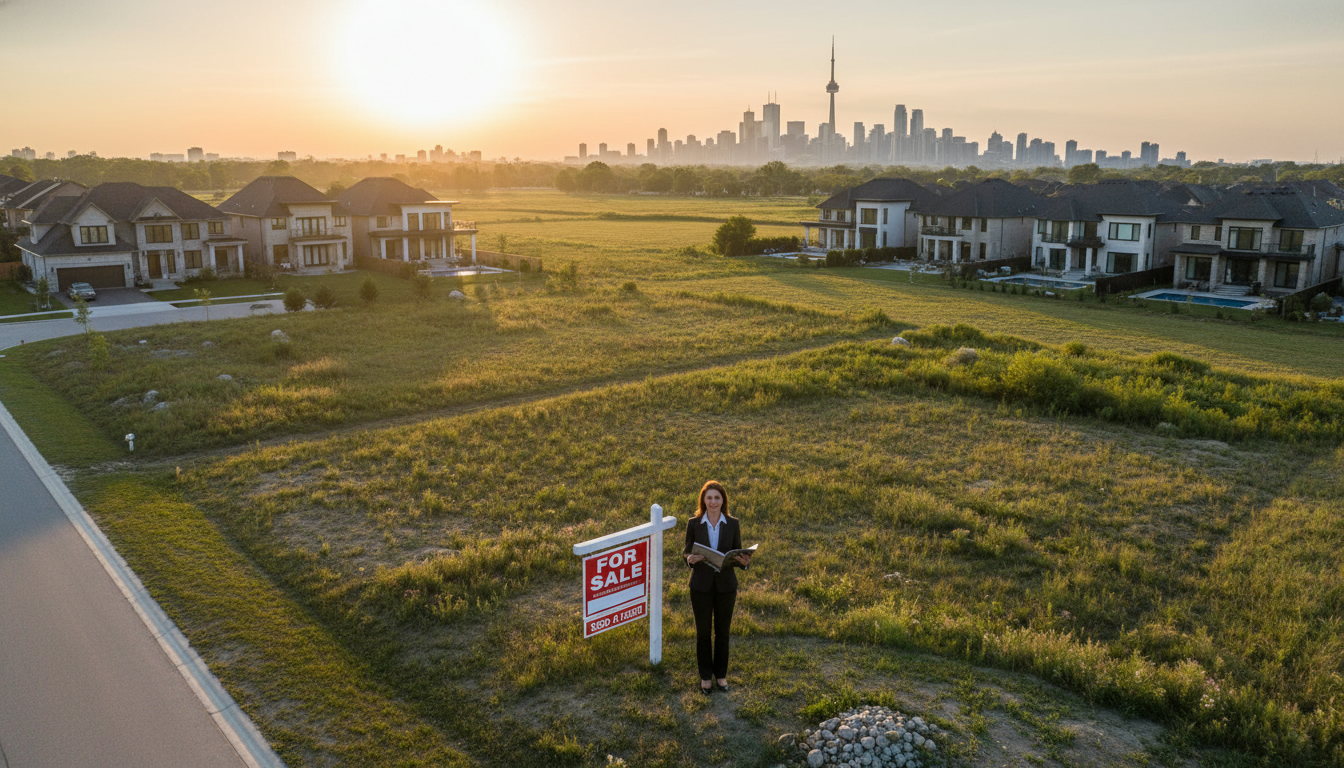
Seller checklist to prepare for your lawyer
- Provide mortgage statements and lender contact details early.
- Disclose known property issues and any ongoing disputes.
- Have condo documents or bylaws available for the lawyer to review.
- Gather receipts for recent repairs or renovations that might affect closing.
- Confirm utility final meter readings and municipal tax accounts.
Real scenarios: How a lawyer saved the sale (short case notes)
- Case A: A latent easement from a 1970s utility project was discovered. Lawyer negotiated a removal and arranged a small holdback until registration could be updated — sale closed on time.
- Case B: Buyer’s financing condition was late. Lawyer enforced APS timelines, preserved deposit and secured an extension only after clear justification.
- Case C: A condo seller failed to provide a status certificate promptly. Lawyer obtained the certificate the same day and prepared a certified copy, preventing a 2-week delay.
Quick legal actions that boost sale confidence (do these early)
- Order a title search the day your offer is accepted.
- Ask your lawyer to pre-draft closing documents if you have a flexible closing date.
- For condos, instruct your lawyer to request the status certificate immediately.
- If you owe money to an HOA or municipal account, get a payoff statement and let your lawyer reconcile it.
Frequently asked questions — clear answers for Georgetown home sellers
Q: Do I need a lawyer to sell my home in Georgetown?
A: Yes. Ontario law requires legal transfer and registration of property. A lawyer ensures the deed is valid, mortgages are discharged and funds are distributed correctly.
Q: When should I contact a lawyer during the sale?
A: Contact a lawyer as soon as your offer is accepted. Early involvement prevents title issues and speeds closing.
Q: How much will legal fees cost for a typical sale?
A: Fees vary. Expect a flat fee plus about $200–$600 for disbursements (title searches, registrations). Confirm the quote up front.
Q: Who pays for the lawyer — buyer or seller?
A: Each party usually hires and pays their own lawyer. Sellers pay for their counsel to prepare discharges and closing documents.
Q: What is a status certificate and who orders it?
A: For condo sales, the seller or their lawyer orders the status certificate. It lists condo fees, special assessments and legal actions affecting the corporation.
Q: What is a statement of adjustments?
A: It’s a final accounting document that divides costs like property taxes, utilities and condo fees between buyer and seller based on closing date.
Q: What happens if a lien is found on title before closing?
A: Your lawyer will negotiate removal, obtain a payoff, or arrange a holdback from closing funds to resolve the lien.
Q: Do sellers need to disclose defects in Ontario?
A: Sellers must not actively conceal defects. While there is no universal written disclosure form, honesty prevents future claims. A lawyer advises on required disclosures.
Q: Are there local Georgetown municipal searches to worry about?
A: Yes. Halton Region and Georgetown-specific searches can reveal unpaid local charges. Your lawyer orders these early.
Q: What if the buyer backs out at closing?
A: Your lawyer enforces the APS, protects your deposit and pursues remedies under the contract.

Final clear action for sellers in Georgetown
If you want a fast, secure sale with no last-minute surprises, don’t wait. Get a real estate lawyer involved the day your offer is accepted. They protect your proceeds, prevent delays and handle every legal step so you can focus on moving.
If you want a local pro who understands Georgetown legal quirks and closes on time, contact Tony Sousa — Local Realtor and connector to trusted real estate lawyers in Halton:
- Email: tony@sousasells.ca
- Phone: 416-477-2620
- Website: https://www.sousasells.ca
Act now. One clear legal review early saves you days of stress and thousands in unexpected costs.