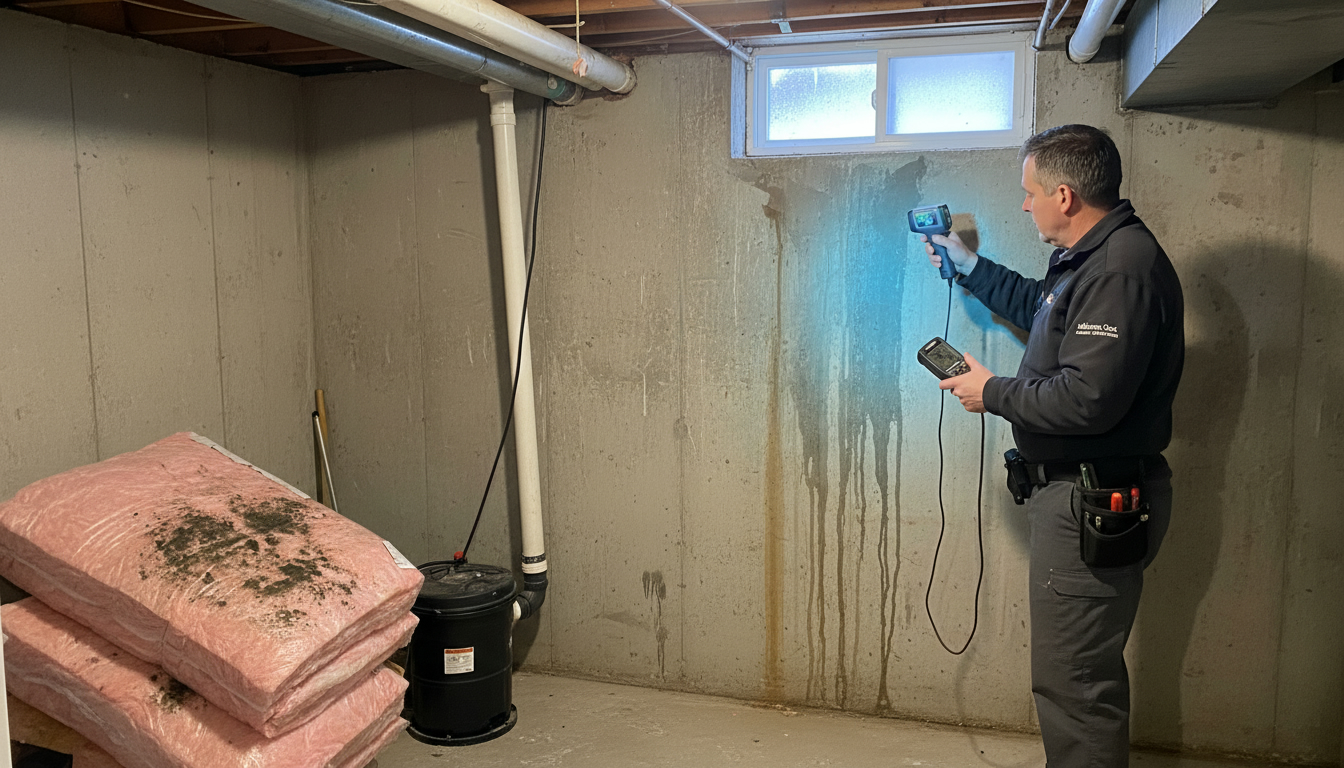
How do I check for hidden water damage?
Think there’s hidden water damage? Learn the quick, no-nonsense checks that reveal it — before you buy, sell, or renovate.
Why hidden water damage is the single biggest threat to a home sale in Milton, Ontario
Hidden water damage destroys value fast. It shows up as mold, structural rot, failed insulation, and basement corrosion. In Milton’s climate — heavy snow, spring melt, and hard rains — small leaks become big problems quickly. Buyers lose trust. Sellers face price drops and failed deals. Inspectors who miss signs leave homeowners with bills in the tens of thousands.
This guide tells you exactly how to check for hidden water damage, step-by-step. It’s written for real estate buyers, sellers, and agents in Milton, ON. Read it, do the checks, or hand it to your inspector and expect answers.
The quick reality: what you must look for now
- Musty odor in basements, attics, closets.
- Brown or yellow stains on ceilings and walls.
- Paint blistering or peeling inside and outside.
- Warped baseboards, buckled floors, or soft spots underfoot.
- Rust on HVAC units, water heaters, or plumbing fixtures.
- Dark soil dampness near the foundation.
- Efflorescence (white powder) on foundation walls.
If you spot any of these, assume deeper damage until proven otherwise.

Tools a smart buyer or inspector uses (and why they matter)
- Moisture meter: Fast, cheap, accurate for wood, drywall, and concrete.
- Infrared (thermal) camera: Shows cold/wet spots behind walls and under floors.
- Flashlight and mirror: For attic eaves, behind appliances, and under sinks.
- Screwdriver: Probe suspected soft spots.
- Hygrometer: Measures humidity in rooms and basements.
If your inspector shows up without these, ask why.
Step-by-step inspection checklist for hidden water damage
1) Start outside: grading, gutters, and roofline
Inspect the slope around the house. Grade should slope away. Gutters must be clean and downspouts should discharge 1.5–2 metres from the foundation. Ice dams and clogged eavestroughs in Milton’s winter cause roof leaks. Check for:
- Soil piled against siding.
- Cracked or blocked downspouts.
- Missing shingles, damaged flashing, or moss on the roof.
Fixing exterior drainage is often the cheapest way to prevent inside damage.
2) Basements and crawlspaces: first line of defense
Basements are where Milton homes show water issues first. Use these checks:
- Smell test: If it’s musty, there’s a moisture problem.
- Visual: Look for water lines, mineral deposits, or exposed damp insulation.
- Feel: Touch walls and floors; use a moisture meter on concrete and wood.
- Sump pump: Test it. Check for signs of past pump failure.
If you suspect active seepage, a soil-level inspection outside the foundation will reveal poor grading or blocked weeping tiles.
3) Attic and roof inspection: catch leaks early
Go into the attic during daylight and look for light shining through the roof. Water travels — attic stains might show several boards away from the leak source. Check for:
- Stains on rafters or sheathing.
- Mold or rot near eaves and chimney flashing.
- Wet insulation or compacted insulation that looks darker.
An infrared scan in the attic is one of the best ways to find hidden leaks.
4) Inside rooms: bathrooms, kitchens, and laundry
These rooms have high water use. Check for:
- Soft flooring near tubs or toilets.
- Caulking gaps and grout cracks.
- Stains behind toilets and under sinks.
- Dryer vents blocked and leaking into walls.
Run the shower and the toilet while observing below — in basements or adjacent rooms — for immediate signs of leaks.
5) Plumbing and mechanical systems
Look for slow drips, corrosion, or water stains on the floor around piping. Water heaters should have a drain pan and visible drip lines. Condensation on HVAC ducts can mimic a leak and cause hidden mold. If pipes are copper with greenish corrosion, assume a leak risk.
6) Cosmetic clues that hide structural harm
Peeling paint, bubbling wallpaper, and white mineral deposits mean moisture has been present long enough to cause damage. These are not cosmetic only. They signal repair needs behind finishes.
Using tech: when to bring a pro and what to demand
Infrared cameras and moisture meters are powerful. But they’re tools — not conclusions. If a thermal image shows a cold patch, you need targeted probing, not guesswork. Demand a written report that includes:
- Moisture meter readings (numbers matter).
- Infrared images with annotations.
- Location photos and a clear summary of risk (active leak vs. historic).
- Repair recommendations and rough cost estimates.
In Milton, ask for seasonal context. Snow melt or recent storms can affect results. A good inspector will note weather conditions and whether the issue is active.
When hidden water damage turns into mold and structural decay
Moisture breeds mold within 24–48 hours on wet organic surfaces. Structural rot can start within months. Mold affects indoor air quality, mortgages, insurance, and resale. Structural rot weakens joists and joist ends near foundations. If you see mold or soft structural members, stop cosmetic fixes and get a structural evaluation.

How this affects buying and selling in Milton
For buyers: Hidden water damage = negotiating leverage or walk-away reason. Use documented moisture readings and a paid quote to renegotiate price or require repairs before closing.
For sellers: Disclose known issues. Repair simple drainage problems and clear gutters. Invest in a pre-listing inspection to remove deal friction and command better offers.
For agents: Bring a vendor who can explain moisture readings to clients. Agents who can translate tech into dollars and risk close more deals.
Typical repair costs and timelines (budget guide for Milton)
- Minor drywall repair and paint: $300–$1,200
- Gutter/downspout repairs and grading: $600–$3,000
- Sump pump replacement: $400–$1,200
- Localized roof flashing/shingle repair: $300–$1,500
- Basement waterproofing (interior): $3,000–$10,000
- Full exterior waterproofing and excavation: $10,000–$30,000+
Costs vary with access, foundation type, and extent of rot or mold. Always get at least two quotes.
Real checklist to take to any Milton home inspection
- Ask inspector if they use a moisture meter and infrared camera.
- Request written moisture readings and thermal images.
- Inspect exterior grading and downspouts yourself.
- Run showers and flush toilets during the inspection.
- Open closets and check baseboards and ceilings.
- Look behind washers and refrigerators.
- Ask for sump pump proof test.
- If stains exist, demand probes and replacement-cost estimates.
Call to action: don’t guess. Get proof.
Hidden water damage is ugly. It’s expensive. It’s avoidable with the right checks and the right inspector. Tony Sousa is a Milton realtor who works with experienced home inspectors and restoration contractors. If you’re buying or selling in Milton, he’ll connect you with trusted pros and walk you through the numbers.
Contact: tony@sousasells.ca | 416-477-2620 | https://www.sousasells.ca
FAQ — Hidden water damage and home inspections in Milton, Ontario
Q: What’s the fastest way to detect hidden water damage?
A: Smell test, moisture meter readings, and infrared scan. If all three point to trouble, probe the area.
Q: Can a regular home inspector find hidden leaks?
A: Yes, if they use moisture meters and thermal cameras and perform targeted probing. Ask for proof in writing.
Q: How much does a specialized moisture inspection cost in Milton?
A: Expect $200–$500 for targeted moisture/thermal scans. Comprehensive forensic inspections cost more.
Q: Will insurance cover hidden water damage?
A: It depends on cause. Sudden events (burst pipes) often qualify. Chronic neglect or poor maintenance usually does not. Check policy details and get a written determination.
Q: Is mold always a deal killer in Milton real estate listings?
A: Not always. If mold is contained and remediated properly, the sale can proceed. But undisclosed active mold can stop a sale and create legal liability.
Q: How long does it take to fix typical basement seepage?
A: Small fixes (grading, downspouts) take days. Interior waterproofing or excavation can take weeks.
Q: Should I order a pre-listing water inspection?
A: Yes. It reduces surprise negotiations and increases buyer confidence.
Q: Can I use a DIY moisture meter?
A: Yes, handheld meters give good initial data. Professionals provide calibrated equipment and interpret results.
Q: How does Milton’s climate affect hidden water damage?
A: Freeze-thaw cycles, ice dams, and spring runoff increase risk. Pay close attention to roof flashing, eavestroughs, and grading.
Q: When should I call a structural engineer?
A: Call one if there’s visible rot in joists, sagging floors, or foundation cracks wider than 3mm with movement.
Final point
Hidden water damage is not a mystery. It’s a set of predictable signs and measurable results. If you want to avoid surprise repairs and lost value in Milton real estate, use the checklist above, demand written evidence from your inspector, and get professional quotes for repairs. That’s how you save time and money.
Contact Tony Sousa for local guidance, reliable vendors, and inspection referrals: tony@sousasells.ca | 416-477-2620 | https://www.sousasells.ca