
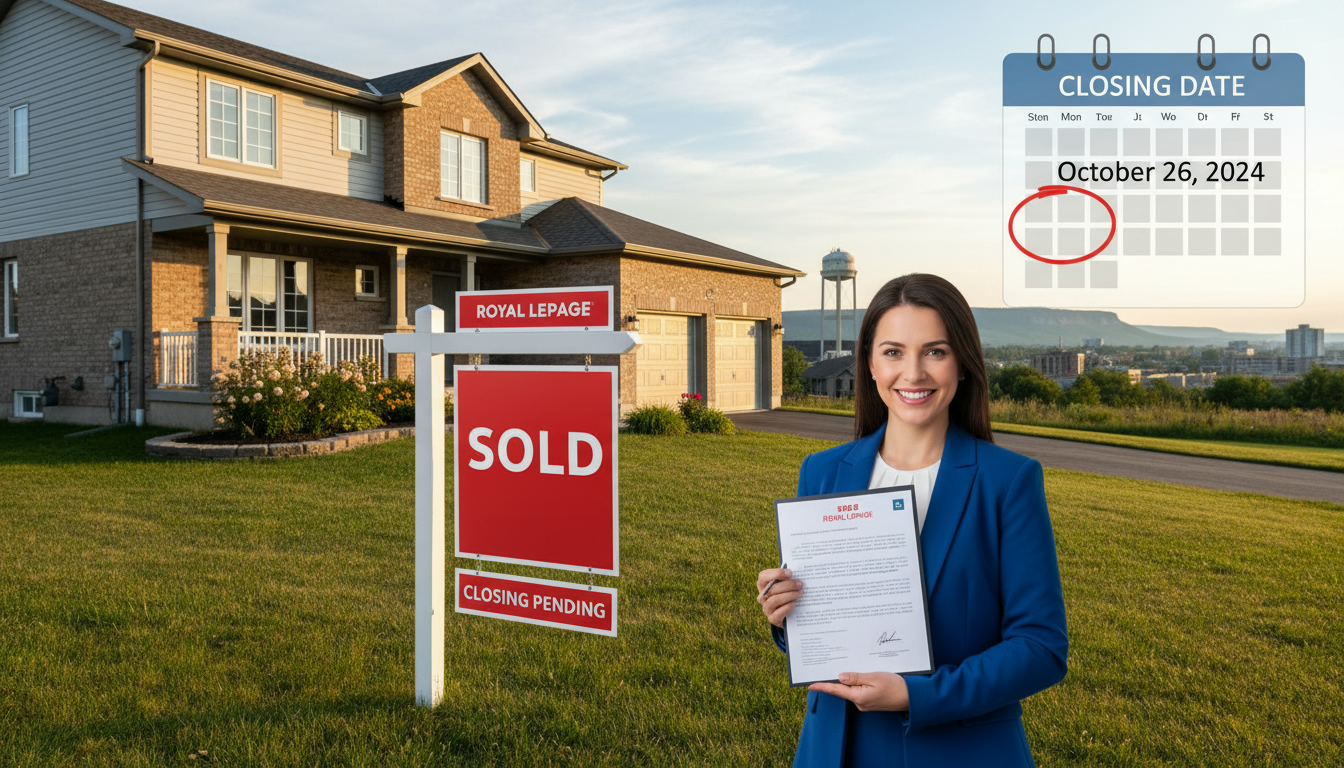
How long does it take to close after selling?
Quick, blunt question rewritten to hook you: “Want to sell in Milton — how fast can you actually close and walk away with cash in hand?”
The bottom line — short answer up front
Most home sales in Milton close between 30 and 90 days after an accepted offer. Some close in as little as 7–14 days. Others take 120 days or more when complications show up. If you want an exact date, you need a plan. This post shows the real timeline, what moves it, and what sellers in Milton must prepare for.
Why this matters now
Closing date shapes everything: your moving schedule, mortgage payoff, new-home purchase, taxes, and stress. Milton is growing fast. Buyers here are often commuters to Toronto, tech and logistics workers, or families seeking space. That makes demand strong — which can speed things up. But local permits, rural properties, condo rules, and buyer financing can slow you down.
If you sell without controlling the timeline, you risk paying double mortgages, rushing to find a new home, or missing opportunities. Control the timeline and you control your move and your profit.

Typical Ontario closing timeline — the steps that matter
- Offer accepted and conditions period starts (usually 1–10 days)
- Conditions removed (financing, inspection, sale of buyer’s home)
- Law firm receives instructions and opens file
- Title search, mortgage instructions, adjustments prepared (7–21 days)
- Final mortgage funding and clearances (funds arrive day of closing)
- Closing/completion date — keys exchanged, title transfers
Real time between accepted offer and closing = conditions period + legal work + lender processing. That’s why timelines vary.
Common closing windows you’ll see in Milton (and why)
- 7–14 days: Used when buyer is cash or fully financed and sellers need a fast exit. Rare but possible when both sides are ready.
- 30 days: The most common short window. Gives lenders and lawyers time to work, and the buyer time to remove finance conditions.
- 60 days: Popular when buyers need to sell another home or need extra time to move. Gives buffer for title and utility adjustments.
- 90 days or more: New-builds, complex estates, private mortgages, or chains. Also used when buyers want to time a mortgage rate change or relocation.
Variables that speed up or slow down closing — what to watch for
- Buyer financing: If the buyer needs a mortgage and their approval is conditional, expect extra days for appraisal and lender checks.
- Home inspection negotiations: Major repair requests can delay condition removal or trigger renegotiation.
- Title defects or unregistered changes: Old easements, missing lot plans, severances, or survey issues require legal work.
- Condominium status certificates: These take time to order and review. Expect short delays if issues appear.
- Lawyer availability: Busy law firms or missing documents can push dates.
- Municipal clearances: Milton building permits, code compliance or property standards orders can slow closings for older homes or renovations.
- Chain length: If a buyer must sell their home first, the whole chain can stall.
- Seasonal traffic: Summer and year-end can create delays in inspections, appraisals, and legal work due to vacations and demand.
Milton-specific realities that change timelines
- Rapid growth: Milton’s population surge and new subdivisions mean some buyers set quick closings to lock houses. That favors sellers who are prepared.
- Commuter schedules: Buyers coming from Toronto aim to align closings with job moves. Expect requests for end-of-month closings to match pay cycles or lease expiries.
- New-build coordination: Milton has many new developments. If your buyer is trading for a new build, timelines may extend to account for construction schedules and TARION warranty steps.
- Rural properties and servicing: If your property has a septic system, well, or is on a severed lot, additional inspections and permits are typical and add time.
- Condo boom: New condo towers demand careful review of status certificates and reserve fund info. These add 1–2 weeks commonly.
How sellers control the timeline — tactical moves that actually work
- Choose the right closing window in your listing: Popular windows sell faster. Offer flexible date options to attract more buyers but set clear preferences.
- Pre-listing legal tidy-up: Order a copy of your deed, know your mortgage payoff balance, and get property tax and utility details ready. Your lawyer will thank you — so will buyers.
- Be transparent about major systems: If you disclose renovations, permits, septic, or well details up front, you avoid late surprises.
- Work with a local realtor who knows Milton law firms, lenders, and municipal quirks. They’ll set realistic dates and handle coordination.
- Avoid long conditional chains when you can: If you need to buy after selling, negotiate a possession date that buys you time or ask for a rent-back clause.
- Offer incentives for faster closing: A small price concession or flexible possession can motivate buyers to accelerate lender steps.
- Pick a reliable lawyer early: Don’t wait until conditions are removed. Tell your lawyer the proposed closing date when you list.
Example timelines — real scenarios sellers face
Scenario A — Quick cash buyer
- Offer accepted on May 1
- Buyer pays deposit and waives financing
- Lawyer prepares title, funds exchanged on May 10
- Closing in 9 days
Scenario B — Typical financed buyer
- Offer accepted on June 1 with 5-day financing condition
- Bank orders appraisal; buyer removes condition June 6
- Lawyer and lender finalize; funds transferred July 1
- Closing in 30 days
Scenario C — Chain or sale of buyer’s property
- Offer accepted May 1 contingent on buyer selling their home in 30 days
- Buyer’s sale closes June 15, then their mortgage funds June 25
- Final closing July 15
- Closing takes 75 days due to chain
Costs and adjustments tied to closing date
- Prorated property taxes, utilities, condo fees — adjusted to completion day
- Mortgage discharge fees if you pay off early
- Lawyer/closing costs — fixed items you should budget for
- Interim occupancy fees if you stay after closing (rent-back)
Make the closing date work for your cash flow. Ask your lawyer for a payoff statement early so you know exactly what your net will be on closing day.
How interest rates and lending trends are affecting Milton closings now
Higher rates and tighter lender rules mean more thorough underwriting and longer conditional periods. Expect banks to request more documentation and more time for appraisals. For Milton sellers that can mean buyers ask for 45–60 days rather than 30.
If you prefer a faster close, target cash buyers or pre-approved buyers. Ask for a copy of the pre-approval letter before accepting the offer.

Practical checklist for sellers in Milton — close with zero surprises
- Get mortgage payoff figures from your lender before listing.
- Pull property deed and recent tax bills.
- Make a list of recent renovations and permits.
- Choose a local real estate lawyer and notify them when you list.
- Decide your target closing window and communicate it in your listing.
- Ask buyers for pre-approval letters and timelines.
- Consider rent-back, rent-forward, or delayed possession if you’re buying next.
Why working with a Milton expert matters
A local expert knows which law firms move fast, which lenders in the area have long queues, and which municipal departments are slow. That knowledge translates to realistic closing dates and fewer surprises.
Tony Sousa (Realtor) specializes in Milton moves and transitions. He coordinates buyers, lawyers, mortgage brokers, and municipal contacts so sellers close on time and with predictable nets. Reach out: tony@sousasells.ca | 416-477-2620 | https://www.sousasells.ca
Final thought — control the closing, control your move
Closing after selling is not magic. It’s logistics. Plan the date, clean the paperwork, vet the buyer’s financing, and pick experienced partners. Do that and you choose the day you leave — not the market.
FAQ — common questions Milton home sellers ask
Q: How long after accepting an offer will I get my money?
A: Funds transfer on the closing (completion) date. That date is set in the offer. After your lawyer receives funds and registers the transfer, net proceeds are released to you — usually the same day or the next business day.
Q: Can a buyer delay closing at the last minute?
A: Only if the contract allows it or if conditions exist that legally permit delay (e.g., financing not approved). A buyer can ask, but without legal grounds they risk breach and potential damages.
Q: What if my buyer’s financing falls through close to closing?
A: If financing fails before conditions are removed, the buyer can be released from the deal. If it fails after conditions are removed but before closing, options include seeking new financing, extending the closing (with seller consent), or closing with cash. Consult your lawyer immediately.
Q: Do condo closings take longer in Milton?
A: Slightly. Status certificates and condo board reviews add steps. Expect a 1–2 week review window on top of the usual mortgage and legal timelines.
Q: How do I avoid double mortgage payments?
A: Plan possession and closing dates carefully. If you’re buying a home, align closing dates or negotiate a rent-back or delayed possession to reduce overlap. Your realtor and lawyer will help coordinate.
Q: Who pays adjustments like property taxes and utilities?
A: Adjustments are prorated to the closing date. If you close mid-month, you’ll typically receive or pay a prorated amount so each party pays only for their time of ownership.
Q: Should I pick a 30-day or 60-day closing?
A: Pick what fits your next move. If you need time to buy, 60 days gives breathing room. If you want money sooner and the buyer is strong, 30 or less works. Use your listing to signal preferences and negotiate with offers.
Need a realistic closing plan tailored to your Milton property? Contact Tony Sousa for local strategy, closing timelines, and a timeline you can trust. tony@sousasells.ca | 416-477-2620 | https://www.sousasells.ca