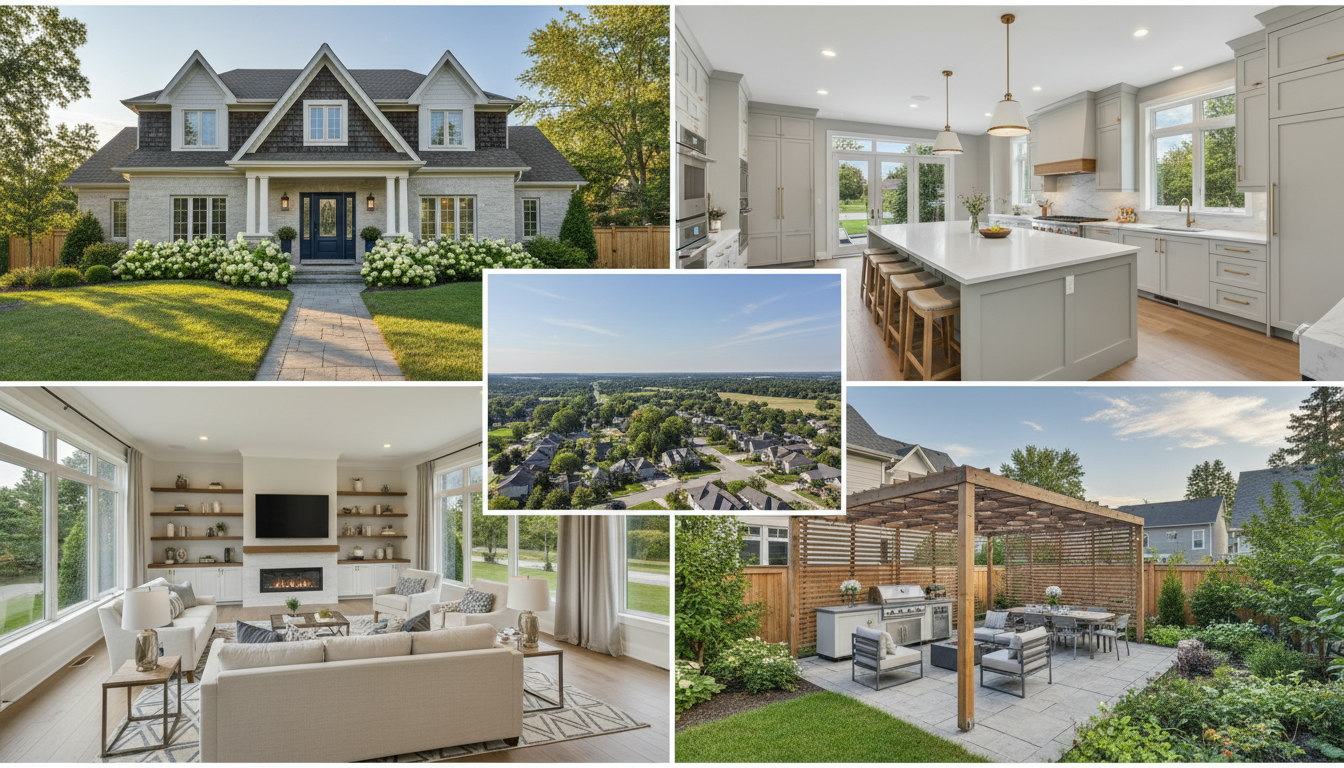
How many photos should my listing have?
How many photos should my listing have? The real answer that makes buyers call faster — and shows why mediocre photos are costing you money.
Sell Faster in Georgetown: Why Photo Count Is Not Vanity
If you’re selling a home in Georgetown, Ontario, the number of photos in your listing directly affects viewings, offers, and final price. Not because it looks pretty — because buyers make split-second decisions. They scroll. They judge. They move on if the listing doesn’t deliver instant confidence.
This is marketing, not luck. Get the photos right and you control perception. Get them wrong and the market punishes you with fewer showings and lower offers.
The Simple Rule: Minimum, Sweet Spot, and Luxury Listings
- Minimum: 15 photos. Anything less signals under-marketing. It will lower online visibility and attract fewer clicks.
- Local Sweet Spot (most Georgetown homes): 25–40 photos. This range shows the full story without overwhelming buyers. It captures rooms, flow, yard, and neighborhood assets.
- High-end or Unique Homes: 40–80 photos. Luxury features, custom finishes, large lots, and outbuildings need more shots. Buyers in this bracket expect thorough visual documentation.
Why these numbers? Because real estate is attention economics. Listings with too few photos leave questions. Listings with enough photos reduce friction. That increases leads and speeds sales.

Room-by-Room Photo Guide (exact counts you can use today)
Follow this checklist and you’ll never miss a shot that matters.
- Hero exterior (1–2): front façade and curb appeal. One clean, well-lit hero shot is essential.
- Entry and flow (2–4): foyer, view into living areas, hallway shots that show layout.
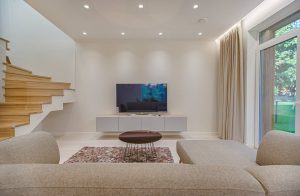
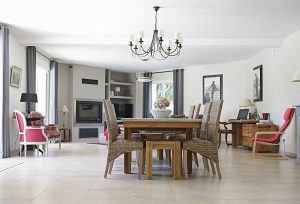
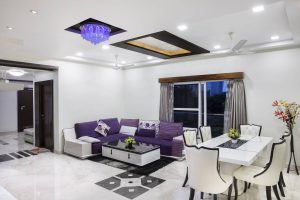
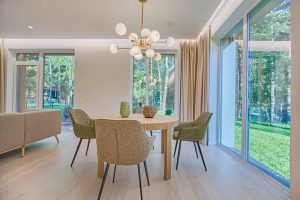
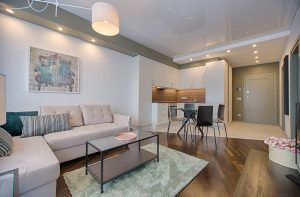
- Living spaces (3–6): living room, family room, dining — show angles and connection to kitchen.
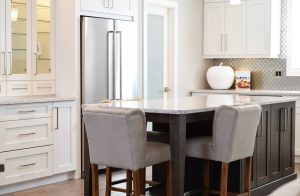
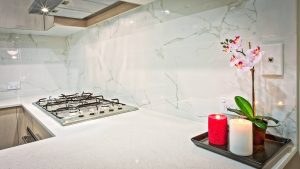
- Kitchen (4–8): wide-angle of overall space, counters, cabinetry details, appliances, pantry.
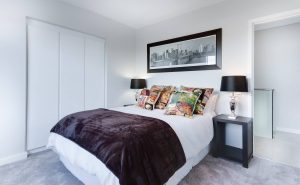
- Primary suite (3–5): bedroom, ensuite, closet details.
- Secondary bedrooms (1–2 each): enough to show size and function.
- Bathrooms (1–2 each): main features, not every angle.
- Basement and bonus rooms (2–6): rec rooms, media rooms, gym, storage.
- Outdoor spaces (3–8): backyard, patio, deck, pool, landscaping, shed.
- Garage and parking (1–2): show condition and capacity.
- Neighborhood/context (2–5): street view, nearby park, transit or GO access, school front.
- Detail shots (5–10): finishes, light fixtures, hardwood, fireplace, views, storage.
Add drone or aerials for lot context and twilight photos for emotional punch. That usually pushes a standard home into the 30-photo range — perfect for Georgetown buyers.
First Five Photos: The Money Shots
Buyers decide in seconds. The first five images produce most clicks.
Sequence this way:
- Hero front exterior (curb appeal)
- Kitchen (buyers check this early)
- Living space that shows flow
- Primary bedroom
- Backyard or main outdoor feature
If your first five photos don’t excite, you lose potential buyers before they read the description.
Photo Quality Beats Quantity — But Quantity Enables Quality
You can have 80 bad photos or 25 excellent ones. Always choose quality. That means high-resolution, correct exposure, wide-angle lenses (used correctly), natural light, and strong composition.
But once quality is guaranteed, add quantity to tell the complete story. High-quality multiple angles reduce buyer objections and pre-qualify viewers online.
Why Georgetown Needs More Photos Than Average
Georgetown buyers care about commute, schools, yard space, and finished basements. The market blends commuters to Toronto and local families who compare neighbourhoods closely.
- Commuters need clear photos of parking, drive, and proximity to the GO station.
- Families evaluate yard safety, room count, and basement utility.
- Older homes require more detail photos to explain upgrades and maintenance.
Because buyers in Georgetown compare many nearby towns, your listing must remove doubts. More targeted, high-quality photos give you the advantage.
SEO and Listing Exposure — Photo Count Matters
Search algorithms on Realtor.ca, MLS, and even Google favour listings that attract clicks and engagement. Great photos increase time on page and shares. That signals relevance to search engines.
Keywords you should use in your listing and photo captions/tags:
- Georgetown real estate listing photos
- listing photos Georgetown ON
- real estate photography Georgetown
- homes for sale Georgetown Ontario
- listing exposure Georgetown
Optimize filenames (kitchen-georgetown-on.jpg), captions (Spacious kitchen in Georgetown, ON), and alt text (Georgetown listing interior shot) for local search. That lifts your organic visibility and brings local buyers.
Why Amateur Photos Cost You Money
Phone snaps, bad lighting, and clutter kill perceived value. They create doubts about maintenance and hide the layout. Buyers interpret poor photos as neglected homes and bid accordingly.
Common mistakes that cut offers:
- Too few photos — looks like the agent didn’t care.
- Dark, crooked, or blurry shots — signals amateurism.
- Missing context shots — buyers must visualize flow.
- No outdoor or neighborhood images — buyers want location proof.
Fix these, and you’ll see more showings and stronger offers.
When to Use Video, Drone, and 3D Tours
Photos sell the listing. Video and 3D tours sell the experience.
- Video walkthrough: Use for high-value listings or homes with exceptional flow. One 60–90 second walkthrough converts more online viewers to showings.
- Drone: Essential for large lots, panoramic views, and showing proximity to amenities in Georgetown (parks, rivers, GO station).
- 3D Matterport tours: Great for out-of-town buyers and luxury homes. They increase serious inquiries.
Integrate these with your photo gallery. A mixed-media approach is expected in the Georgetown market now.
Pricing and Marketing — The Photo ROI
Professional photography is a marketing cost, not a line item. It reduces days on market and improves sale price. You’ll pay once for photos and earn the difference across offers.
If you want a simple rule: invest in photography until the marginal gain equals the marginal cost. For most Georgetown homes, professional photos and some drone shots pay off every time.

Checklist Before You Shoot
- Declutter and depersonalize.
- Clean surfaces and remove small rugs if they disrupt line-of-sight.
- Open curtains and turn on lights.
- Stage key rooms: living, kitchen, master.
- Arrange furniture to show flow.
- Book a professional photographer who understands Georgetown homes.
If curb appeal is weak, do minor upgrades. Fresh mulch, trimmed hedges, and a clean walkway deliver outsized returns.
How I Market Listings Differently in Georgetown
I start with an audit. I map buyer personas — commuter families, downsizers, first-time buyers. Photo strategy follows the buyer. For commuter families, I lead with parking, kitchen and backyard. For downsizers, I highlight main-floor bedrooms and low-maintenance yards.
Then I build the listing: 30 targeted photos, drone shots if needed, a walkthrough video, and SEO-optimized captions. The result: faster showings, better offers, and less negotiation on price.
Ready-to-Use Photo Plan (Plug and Play)
- Condo/Small Home: 15–25 images — exterior, kitchen, living, bedroom, bath, building amenities, neighbourhood.
- Standard Family Home: 25–40 images — follow the room-by-room guide.
- Large/Luxury Property: 40–80 images — include detail shots, guest spaces, outbuildings, aerials.
Use the first five money shots to get clicks. Then use the rest to convert those clicks into visits.
If you want a tailored photo plan for your Georgetown home, I’ll audit your current listing photos and send a one-page action plan that shows exactly which shots to add or replace.
Contact: Tony Sousa — tony@sousasells.ca | 416-477-2620 | https://www.sousasells.ca
FAQ — Quick Answers Home Sellers in Georgetown Need
Q: How many photos should my listing have for a standard 3-bedroom Georgetown home?
A: Aim for 25–35 high-quality photos. Cover flow, kitchen, primary suite, backyard, and neighborhood context.
Q: Do I need drone photos for a small lot?
A: Not always. Use drone shots when lot size, views, or proximity to amenities matter. For small lots, prioritize interior and backyard shots.
Q: Will professional photos increase my sale price?
A: Yes. Professional photos attract more buyers and stronger offers, which often leads to higher sale prices.
Q: Should I include floor plans and 3D tours?
A: Yes — floor plans reduce layout questions. 3D tours are excellent for remote buyers and premium listings.
Q: How long should my photo shoot take?
A: A full shoot for a family home usually takes 60–120 minutes. Add time for drone or twilight shots.
Q: Can I use phone photos if I stage well?
A: A good phone can work for some listings, but professional photographers deliver consistent, optimized results that phones rarely match.
Q: How many photos should appear first on MLS and Realtor.ca?
A: Put the hero exterior and your best interior shots first. Ensure the first five images sell the home.
Q: Will more photos hurt online performance?
A: Not if they’re high-quality and relevant. Too many repetitive or poor images can dilute interest. Aim for 25–40 for most homes.
Final word: Photos are not optional. They are the engine of listing exposure in Georgetown. Invest in quality, show the full story, and you’ll control buyer perception — and the sale outcome.
For a free photo audit and tailored listing strategy in Georgetown, contact Tony Sousa at tony@sousasells.ca or call 416-477-2620.