
Do I have to pay HST when selling a new build?
Do I have to pay HST when selling a new build? Read this first — what most Milton sellers get wrong.
Quick answer up front
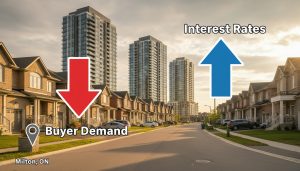
Yes — often. If you are the builder or selling a brand-new property as a business (including flipping new homes), HST almost always applies and must be collected and remitted. If you are a regular homeowner selling a previously occupied home, HST usually does not apply. The grey areas: assignment sales, self-constructed homes, and land with development rights. In Milton and the Halton Region these rules matter — they affect closing costs, brokerage calculations, and buyer demand.
Why this matters in Milton, Ontario
Milton is growing fast. New subdivisions, townhomes and condos are common. Buyers and sellers here face HST issues more often than in slower markets. Miss a tax trigger and you can lose thousands at closing or face audits later. This guide cuts through the jargon and gives clear action steps so you can close with confidence.

The core rules — simple and direct
- Seller is a builder or carrying on a business of selling new homes: HST applies (13% in Ontario).
- Seller is an individual selling a used home (previously occupied): HST does not apply.
- Assignment of a purchase agreement: often taxable — treatment depends on contract and whether the assignment is a taxable supply.
- Self-built or substantially renovated property: may trigger “self-supply” rules and HST.
If you don’t match the “used-home” exception, plan for HST.
New build vs. resale — the practical difference
- New build sold by the builder: HST added to the purchase price. Buyers often pay it at closing (or it’s included in the listed price).
- Resale (previously lived-in): sale price is exempt from HST — only municipal property taxes, lawyer fees, and possibly capital gains tax if not your principal residence.
Milton sellers: identify which bucket your property fits into before listing.
Assignments and pre-construction contracts — the trap many fall into
Assignment of a condo or a pre-construction purchase agreement is common in Milton. When you assign your purchaser’s rights to someone else, CRA often treats that as a taxable supply. That means the assignor may need to charge HST on the assignment fee.
What to check:
- Is the assignment of the agreement the sale of a chose-in-action only, or does it include taxable supplies from the developer? The lawyer or tax advisor must review.
- Does the assignment price reflect HST-inclusive amounts?
Action: Before you sign an assignment agreement, get a tax check from your accountant and a lawyer. The tax risk can be five figures on high-priced Milano or Britannia-style units.
Self-supply rules — when the owner becomes the builder for tax purposes
If you substantially renovate or build and you had input tax credits previously, CRA can treat the final sale as a taxable supply under self-supply rules. For example, if you bought land without development and then built and sold multiple units, CRA may consider you a builder.
Indicators CRA looks at:
- Intent: were you building to sell?
- Frequency: was this a single personal project or repeated activity?
- Development activity: subdivisions, selling lots, or staged releases.
If the CRA says you are in the business of building, HST applies.

HST New Housing Rebate — what buyers get and why sellers still care
Buyers of new homes may qualify for the GST/HST New Housing Rebate. That rebate reduces the HST cost for eligible owner-occupants. It doesn’t eliminate the seller’s obligation if the seller is a registrant. But it affects net proceeds and buyer demand.
Key points for Milton transactions:
- Rebates are subject to price thresholds and use rules.
- Rebate paperwork usually flows at closing; builders and lawyers handle filing.
- If a buyer expects a rebate, closing statements will reflect it. Sellers still charge HST when required; the rebate affects the buyer’s net, not the seller’s remittance duties.
Always confirm rebate eligibility early in the sales process.
Practical checklist for sellers in Milton
- Determine your status: Are you a builder or a private homeowner? Consult your accountant.
- If you sell a new build: plan for HST (13% in Ontario). Build it into pricing or list separately.
- For assignment sales: get a tax review before signing or listing the assignment.
- If you renovated or self-built: review self-supply rules with a tax pro.
- Keep records of intent, contracts, invoices and marketing to support your position if CRA asks.
- Talk to your realtor and lawyer — don’t guess.
Example scenarios — Milton-specific clarity
Scenario 1 — New detached home sold by a registered builder in a Timberlea subdivision:
- HST applies. The contract will show HST. Buyer may claim a rebate if eligible.
Scenario 2 — Townhouse previously lived in for two years by the seller:
- No HST on sale. Standard residential sale rules apply.
Scenario 3 — Assignment of a pre-construction condo unit in downtown Milton near Derry Green:
- Likely HST on the assignment fee. Tax review required.
Scenario 4 — You bought land, built a spec house and sold it within a year:
- CRA may treat you as a builder. HST likely applies and must be remitted.
How HST is collected and remitted — who handles what
- Builders: collect HST on sale, remit to CRA. They claim input tax credits for eligible construction costs.
- Individual sellers (non-builders): typically do not collect HST on resale homes.
- Lawyers and closing agents: record HST on statement of adjustments when applicable.
If you owe HST and didn’t collect it, CRA can pursue the seller. That’s why the upfront tax check matters.

Pricing strategy — selling a new build with HST in mind
You must decide whether advertised price is HST-inclusive or HST-extra. In Ontario, builders often list prices that include HST or clearly state HST is extra. Clarity matters for marketing and closing.
For sellers not used to tax on sales, factor HST into net proceeds and commissions. Agents should be explicit in MLS remarks: “HST applicable.” That reduces renegotiation and buyer friction.
Local contacts and next steps in Milton
- Talk to a licensed Milton real estate lawyer for contract wording and closing statements.
- Speak with a CPA experienced in HST and real estate transactions in Ontario.
- Use your Realtor to confirm market expectations (included vs. extra pricing) in Milton neighborhoods like Bronte Meadows, Old Milton, or Derry Green.
Contact Tony Sousa for local placing, pricing advice and to connect you with trusted accountants and lawyers: tony@sousasells.ca | 416-477-2620 | https://www.sousasells.ca
Warning — do not wing this
HST mistakes cost real money. Misclassify your sale, and you can face assessments, interest and penalties. If you sell an assignment or a self-built property without advice, you expose yourself to unexpected tax bills.
Get a fast tax check before you list. It’s cheap compared to getting it wrong.
FAQ — HST, new builds and taxes for Milton sellers
Q: If I bought a brand-new home from a builder and I sell it later, do I charge HST?
A: No, generally you will not charge HST when selling a previously occupied home. The initial sale from the builder was subject to HST. Subsequent resale of a used home is typically HST-exempt. Check for exceptions like if you are in the business of flipping.
Q: I signed a pre-construction contract and now want to assign it. Is HST due on the assignment fee?
A: Often yes. Assignment fees are frequently treated as taxable supplies. The exact tax outcome depends on the contract and how the developer structured the sale. Require a tax review before completing an assignment.
Q: What about HST on land sales or vacant lots in Milton?
A: Sales of vacant land can be taxable if the vendor is a builder or the land is sold for development. Some bare land sales qualify as exempt supplies if they meet strict conditions. Get legal and tax advice for land transactions.
Q: Can a buyer get an HST rebate on a new Milton home?
A: Potentially. Eligible owner-occupant buyers may apply for the GST/HST New Housing Rebate. Eligibility depends on purchase price, use, and timing. Builders often assist with forms at closing.
Q: Who enforces HST rules and what are the penalties for non-compliance?
A: The Canada Revenue Agency enforces GST/HST rules. Penalties include reassessments, interest, and fines. Good documentation and professional advice protect sellers.
Q: How do I prove I’m not a builder?
A: Documentation: length of ownership, advertising (or lack), number of sales, intent statements, and financial records. Your accountant or lawyer prepares a defensible position.
Q: Does the Ontario Land Transfer Tax change the HST outcome?
A: No. Land transfer tax is separate and applies to buyers on purchase, not sellers. HST is about taxable supplies. But both affect closing costs and buyer affordability.
Q: Where can I get local help in Milton?
A: Speak with a Milton real estate lawyer, an HST-capable CPA, and a local Realtor familiar with Milton new builds. Contact Tony Sousa to get referrals and a local market read: tony@sousasells.ca | 416-477-2620.

Final checklist before you list a new or nearly-new Milton property
- Confirm seller status (builder or private seller).
- Review contracts for assignment or self-supply exposure.
- Get a tax opinion if any part of sale looks commercial.
- Disclose HST status in listings and to potential buyers.
- Coordinate with your lawyer, accountant and Realtor.
Want quick, local, no-nonsense advice? Email Tony Sousa at tony@sousasells.ca or call 416-477-2620. He’ll connect you with the right tax and legal pros in Milton and get you priced right for closing.