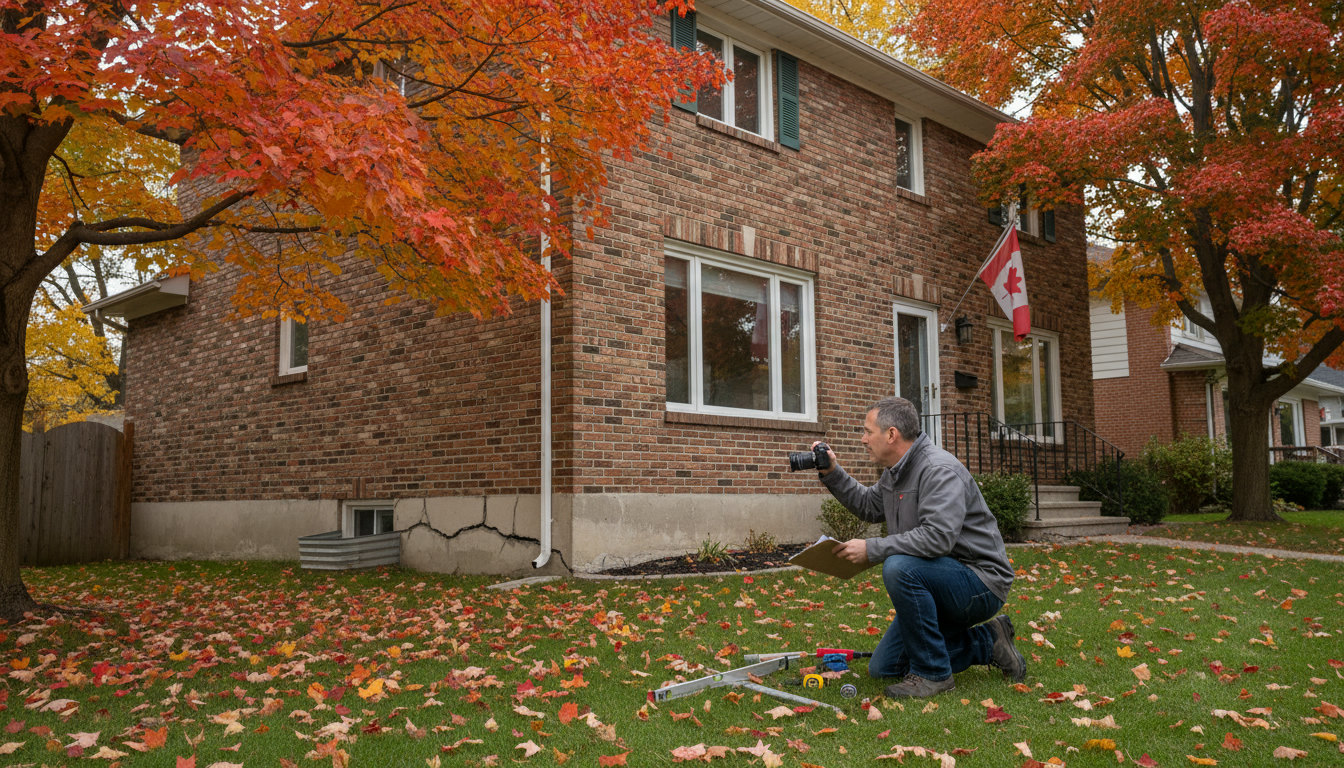
How do I identify signs of foundation issues?
Is your Georgetown house quietly losing value? Don’t wait until a buyer’s inspection kills your sale. Here’s how to spot foundation issues fast — and what to do next.
Why foundation problems are a seller’s emergency in Georgetown, ON
You’re selling in Georgetown — Halton Hills — where cold winters, seasonal freeze-thaw cycles, and variable soil conditions make foundation problems more common than owners realize. Buyers are paying close attention to basements, slabs, and structural reports. One bad inspection can cost you thousands or knock your sale off the market.
This guide is direct. Read it, act on it, and you’ll either fix small problems cheaply or prepare a transparent plan that preserves sale value.
11 clear, actionable signs of foundation issues (what to look for now)
- Interior cracks that aren’t just paint
- Thin hairline cracks in drywall are normal. Long, wide, or stair-step cracks in block or brick, cracks wider than 3mm (1/8 inch), or cracks that continue to grow are not.
- Look where walls meet ceilings and at corners. Vertical cracks at door frames and long horizontal cracks are red flags.
- Doors and windows that stick or don’t latch
- Doors that suddenly jam, swing open by themselves, or gaps that change size mean the frame has shifted. Note which doors/windows are affected and when it started.
- Uneven or sloping floors
- Walk the main level. Do you feel a dip? Do marbles/balls roll when they shouldn’t? Uneven floors often mean settlement under the foundation.
- Gaps between walls, floors, and baseboards
- Notice space where trim pulls away, or baseboards separate from walls. Those gaps appear as a structure moves.
- Interior plaster or drywall bulges and cracks near stairs
- Stair-step cracks in brick or masonry are classic signs of foundation movement, especially along load-bearing walls.
- Visible cracks in foundation walls, especially stair-step or horizontal cracks
- Horizontal cracks on poured concrete or foundation blocks suggest pressure from outside soil or frost. Stair-step cracks in brickwork usually indicate differential settlement.
- Water issues: damp basements, efflorescence, mold or standing water
- Water weakens soil and the foundation. White powder (efflorescence) on walls, mold growth, or active leaks are serious.
- Bowing or bulging foundation walls
- If interior walls curve inward, you have lateral pressure from saturated soil or frost. That needs engineering evaluation.
- Cracked or separated chimney or porch slabs
- Chimneys pulling away from the home or porch slabs sinking independently indicate localized settlement.
- New cracks after heavy rain or spring thaw
- Track when cracks appear or worsen. If they follow heavy precipitation or freeze-thaw cycles, suspect drainage and soil movement.
- Exterior brick mortar cracks (step pattern)
- A stepping pattern in mortar joints is classic for foundation movement. Note the direction of steps — it helps identify settlement vs uplift.

Quick local causes to understand (Georgetown-specific context)
- Seasonal freeze-thaw cycles: Southern Ontario sees repeated freezing and thawing. If soil isn’t properly drained, frost heave or thaw settlement affects foundations.
- Clay and silty soils: Parts of Halton Region have clay-rich soils that expand when wet and shrink when dry. That movement stresses foundations.
- Poor grading and drainage: Downspouts that dump at foundation, blocked eavestroughs, or flat grade force water near the footing.
- Tree roots and landscape changes: Large trees near a foundation draw moisture and can cause differential drying.
Knowing these local drivers makes your inspection targeted and practical.
Immediate steps for sellers — what to do the same day you spot signs
- Document everything
- Take clear photos and short videos of cracks, sticking doors, and water stains. Note dates and conditions (after rain, thaw, etc.). This builds a record you can show buyers.
- Fix the easy stuff now
- Clear eavestroughs, extend downspouts 2–3 metres away, regrade soil to slope away from the house, and stop surface water pooling. These actions cost little and reduce fast deterioration.
- Don’t patch and hide major cracks
- Cosmetic fixes can backfire if a buyer’s inspector finds the real problem. Be transparent and get competent reports.
- Call a qualified home inspector or structural engineer
- For visible structural signs, book a licensed inspector right away. If they confirm movement or load issues, hire a structural engineer for a written report.
Cost and timeline expectations for Georgetown sellers
- Minor fixes (drainage, gutter extensions, landscaping): $200–$3,000 CAD. Quick, often same-week.
- Crack repair and interior sealing: $500–$5,000 CAD depending on size and cause. Usually completed in days to weeks.
- Foundation underpinning, helical piers, or wall braces: $5,000–$40,000+ CAD. Larger projects take weeks to months and need engineered plans.
Prices depend on severity, access, and whether the job needs city permits. Always get multiple quotes and a signed scope of work.
How foundation issues affect your sale price and financing
- Buyers fear unknown costs. A report showing active structural movement reduces offers and can lead to conditional financing or rejected mortgages.
- Lenders sometimes require repairs or a structural engineer sign-off before approving a mortgage. That delays closings.
- Transparent sellers who document issues and provide repair estimates often keep more control of the sale and close faster.

The right inspection path for Georgetown sellers
- Start with a qualified home inspector experienced in local soils and foundations.
- If the inspector raises red flags, commission a structural engineer for a stamped report.
- If repairs are recommended, get written quotes from licensed foundation contractors in Halton Region.
- Use the engineer’s report and contractor quotes in your listing disclosures — it builds buyer trust.
How to present foundation issues in a listing (words that reduce buyer fear)
- Use facts, not minimization. Example: “Crack observed in basement wall. Engineer assessed and recommended drainage improvements; quotes attached.”
- Attach the inspection report, engineer’s letter, and contractor estimates. Buyers respond to transparency and documentation.
Why you should involve a local realtor who knows Toronto/Halton buyers
Sellers in Georgetown need a realtor who understands what buyers and lenders look for in this market. I’m a local agent who helps sellers document issues, select trusted inspectors and contractors, and present the home to buyers in a way that minimizes price erosion and delays.
If you’re selling and worried about foundation signs, call or email me. I’ll connect you with vetted local inspectors and engineers, help interpret reports, and craft disclosure language that gets offers.
Tony Sousa — Local Realtor
Email: tony@sousasells.ca | Phone: 416‑477‑2620 | https://www.sousasells.ca
FAQ — Foundation issues and home inspections for Georgetown sellers
Q: How fast can foundation problems get worse?
A: It depends. Active movement after heavy rain or freeze-thaw can accelerate within weeks. Some cosmetic cracks stay unchanged for years. Document and have a pro evaluate immediately.
Q: Do I have to disclose foundation issues when selling in Ontario?
A: Yes. You must disclose material latent defects. Foundation movement that affects structural integrity is material. Transparent documentation protects you legally and builds buyer trust.
Q: Will a foundation problem stop my sale?
A: Not always. If you provide an engineer’s report and repair plan, many buyers will proceed with negotiated terms. Unaddressed major structural issues can scare buyers and lenders away.
Q: What’s the best first professional to call?
A: Start with a licensed home inspector experienced local to Halton Region. If they flag structural concerns, hire a structural engineer for a stamped assessment.
Q: How long does a structural assessment take?
A: Typically 1–2 weeks for inspection and a written report, depending on the engineer’s schedule.
Q: Are there quick fixes buyers accept?
A: Correcting drainage (gutters, downspouts, regrading) and providing contractor quotes or warranties often satisfies buyers if there’s no active movement. Major underpinning needs engineering and guarantees.
Q: How much should I budget for an inspection and engineer?
A: Home inspection: $400–$700 CAD. Structural engineer: $800–$2,500 CAD for a site visit and report, depending on complexity.
Q: Where can I find reliable foundation contractors in Georgetown?
A: Contact me and I’ll connect you to vetted local contractors and engineers who work in Halton Region and understand local soil and climate influences.
Q: If the basement is unfinished, does that hide problems?
A: It can. Unfinished basements often show more visible signs (staining, efflorescence). Finished basements can hide problems beneath drywall or paneling, so a thorough inspection is essential.
Q: Should I repair before listing or wait for buyer requests?
A: Small drainage fixes and clear, low-cost items should be fixed before listing. For major structural work, consider getting an engineer’s assessment and quotes first; sometimes buyers will accept an allowance or negotiated reduction.
Need fast guidance on your Georgetown listing? I’ll review photos, help prioritize repairs, and connect you to local inspectors and engineers. Email tony@sousasells.ca or call 416‑477‑2620. Let’s protect your sale and your equity.