How do I identify mold, pests, or rot?
Worried your house is hiding mold, pests or rot? Here’s a direct, no-fluff checklist to find them before a buyer does — and how to fix them fast so you keep your sale and your price.
Why sellers in Georgetown must find problems now
Buyers hire inspectors. Inspectors find problems. Problems kill offers or force price reductions. In Georgetown — with cold, wet winters, spring thaw from the Credit River valley, and aging mid-century stock — moisture-driven issues are common. Sellers who wait to discover mold, pests, or wood rot during buyers’ inspections lose leverage. Fix or disclose ahead of time and you control the outcome.
This guide tells you exactly how to identify mold, pests, and rot, what tools to use, what you can fix yourself, and when to call the pros.
Quick headline checklist (do this now)
- Walk the exterior: look for missing shingles, clogged gutters, pooling water against foundation, sagging decks, and soft wood at railings.
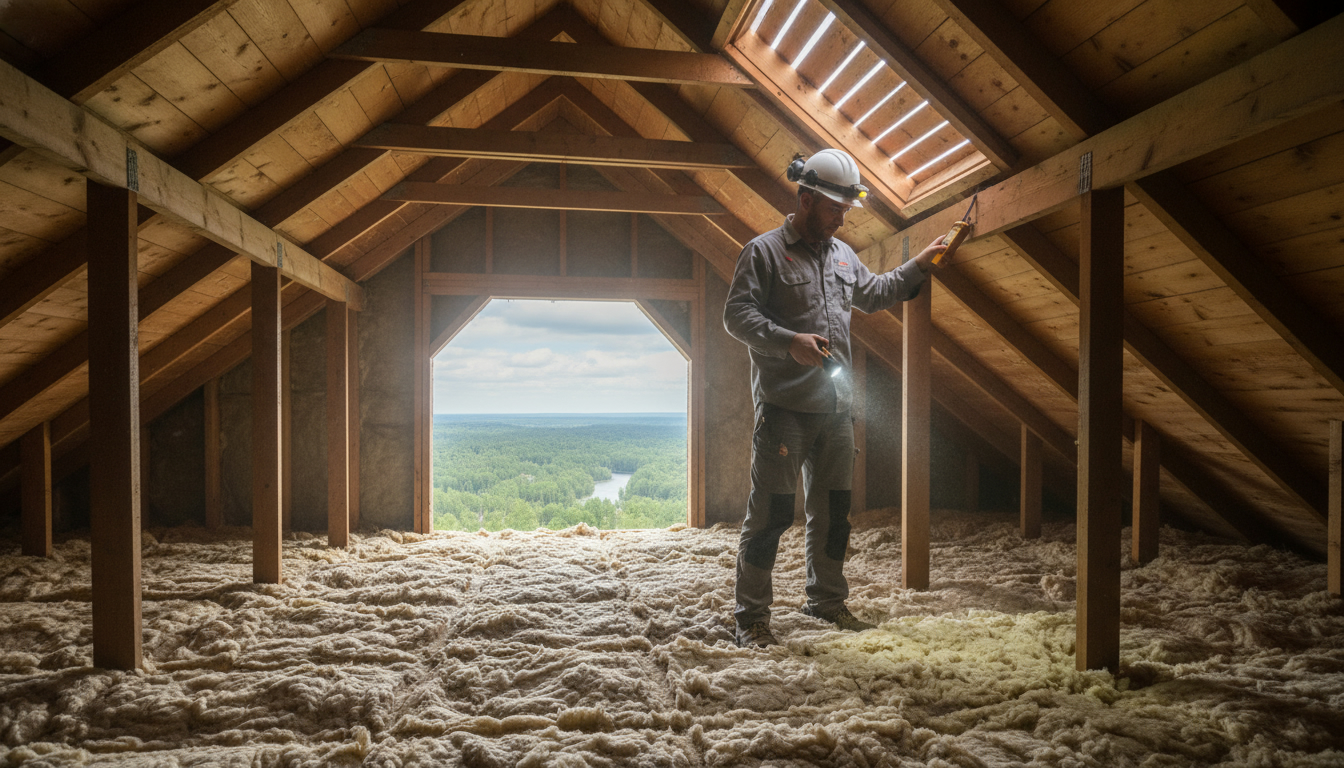
- Inspect the attic and basement: smell mold, look for stains, check insulation and rafters, probe suspicious wood.
- Check crawlspaces, under decks, and window sills for pest droppings, mud tubes, or sawdust.
- Use a moisture meter and flashlight. If moisture reads above 16% in wood, investigate.
- Get a pre-listing home inspection if you’re unsure — buyers will likely do one.

How to identify mold (what to look, smell, and test for)
Signs to watch for:
- Visual spots: black, green, gray, or white fuzzy or slimy patches on drywall, plaster, wood, or wallpaper.
- Musty, earthy smell in basements, bathrooms, or attics — smell is often the first sign.
- Staining on walls or ceilings after storms or ice dam events.
- Repeated allergies, headaches, or respiratory issues when inside the house.
Tools and tests:
- Flashlight and magnifier: look in corners, behind baseboards, under sinks, and inside closets.
- Moisture meter: measures moisture in drywall and wood. Anything consistently above 16–20% is a red flag.
- DIY surface test kits: useful for confirmation but not definitive.
- Professional air sampling and lab tests: use when you need a written report for buyers or if occupants have health issues.
Common places in Georgetown homes:
- Basements and below-grade rooms (spring snowmelt and high water table.)
- Attics with poor ventilation and ice dam damage from winter storms.
- Around windows, doors, and eaves where gutters fail and water runs down siding.
Quick fix steps for sellers:
- Stop the water: unclog gutters, extend downspouts away from foundation, regrade soil to slope away from the house.
- Improve ventilation: exhaust fans, attic vents, and a dehumidifier in the basement (40–50% RH target in summer).
- Clean small patches (<1 sq. meter) with detergent and water or a diluted bleach solution; dry completely.
- For larger or hidden contamination hire a certified mold remediation company and document the work for buyers.
How to identify pests (signs every seller must know)
Common local pests: mice, rats, carpenter ants, termites (less common but possible), wasps, and raccoons in attics.
Signs to spot:
- Droppings along baseboards, in cupboards, or under sinks.
- Gnawed wood, chewed wires, or insulation pulled into nests.
- Frass (fine sawdust) near woodwork — classic sign of carpenter ants or wood-boring insects.
- Mud tubes on foundation walls (termites).
- Hollow-sounding wood or tapping produces a dull thud.
- Visual nests under eaves, in attics, or inside chimneys.
Tools and checks:
- Flashlight and inspection mirror for tight spaces.
- Probe wood with a screwdriver — soft or crumbling indicates damage.
- Set traps or monitoring stations to confirm activity.
Immediate actions:
- Seal entry points: gaps around pipes, eaves, and foundation. Use metal mesh where rodents are the issue.
- Remove food and nesting materials: trim vegetation away from walls, clear clutter in basements and attics.
- Call a licensed pest control company for termites or heavy infestations. Get a written report and treatment guarantee for buyers.
How to identify wood rot (and why it matters)
Wood rot is structural. Buyers look for it. Rot often means expense and delays.
Signs of rot:
- Soft, spongy, or crumbling wood when you press with a screwdriver.
- Discolored or dark wood with visible fungal growth or white stringy mycelium.
- Sagging decks, step treads, porch posts that rock, or windows that don’t close smoothly.
- Paint bubbling or blistering where moisture sits against wood.
Where to check first:
- Sill plates, window and door frames, deck posts, eaves, and fascia.
- Basement sill plates and sill/seal areas where the foundation and wood meet — especially in older Georgetown homes with stone foundations or older weeping-tile systems.
Fixes and priorities for sellers:
- Replace rotted structural wood. Temporary patches don’t pass inspection.
- Repair flashing, gutters, and downspouts that caused the rot.
- Document work: invoices, permits, and photos. Buyers want proof.
Tools every seller should have on hand
- Bright flashlight
- Moisture meter (digital)
- Screwdriver or awl (for probing wood)
- Binoculars or inspection mirror for high eaves
- Ladder (safely used) and respirator mask for attic work
- Camera to document issues and repairs
If you’re uncomfortable using tools or going into attics or crawlspaces, don’t risk damage or injury. Call a home inspector or contractor.

When to call professionals (and who to call)
Call a licensed home inspector first for a pre-listing inspection. They give a neutral report buyers respect. Then:
- Certified mold remediator for extensive mold or when testing shows high spore counts.
- Licensed pest control company for infestations, termites, or wildlife.
- Structural contractor or carpenter for rot and framing repairs.
- Licensed plumber for persistent leaks.
Get written reports, remediation plans, and warranties. In a competitive Georgetown market, documented fixes sell homes faster and protect you from future disputes.
Costs, timelines, and ROI (realistic expectations)
- Small mold cleanup (spot cleaning under 1 sq. metre): $200–$800 DIY or contractor-assisted.
- Full basement mold remediation with drying: $1,000–$8,000 depending on scope.
- Pest treatment (rodents/insects): $200–$2,000 depending on extent and follow-up.
- Termite treatment and localized repairs: $1,500–$10,000+ if structural members need replacement.
- Structural rot repair: $500 for small sections to $10,000+ for major sill plate or porch replacements.
ROI: fixing visible, safety-related issues tends to protect sales price and speed closing. Buyers may still negotiate, but you’ll avoid surprise backouts.
Room-by-room inspection checklist for sellers (fast walkthrough)
Attic
- Smell for mold, inspect insulation for staining, look for roof leaks and ventilation problems.
Roof and eaves
- Missing shingles, ice-dam damage, clogged gutters, peeling paint, and soft eave boards.
Exterior
- Siding stains, gaps, pooling water, vegetation against foundation, deck posts and railings.
Basement and crawlspace
- Standing water, efflorescence, crumbling mortar, mold patches, soft sill plates.
Bathrooms and laundry
- Caulking failures, water stains on ceilings below bathrooms, under-sink leaks.
Windows and doors
- Rot at frames, condensation, paint blistering, and failing seals.
HVAC and Plumbing
- AC drip pans, humidifiers, leaking pipe joints, and rusty water heaters can all add moisture.
How to present repairs to buyers (sell confidence)
- Get professional reports and invoices.
- Show before-and-after photos and warranties.
- Offer a home warranty or documented remediation to remove doubt.
- Disclose what you fixed and why — transparency prevents renegotiation.

Local notes for Georgetown sellers
- Spring snowmelt in the Credit River valley raises basement moisture risks. Inspect foundations after thaw.
- Older homes downtown may have original sill plates and older drainage systems — check weeping tile and grading.
- Finish basements are popular in Georgetown; buyers pay attention to mold history and evidence of past flooding.
- Work done by local licensed contractors (Halton Hills area) reassures buyers familiar with the market.
Final action plan (30–90 minutes to start)
- Do the quick exterior and interior checklist in this post.
- Use a moisture meter on suspect walls and wood.
- If you find anything: call a licensed inspector or pest control company and get a written report.
- Document every repair. Upload receipts to your listing agent.
Act now. A small investment before listing protects your sale and your price.
About the local expert
Tony Sousa is a Georgetown realtor who works with sellers every day to uncover inspection issues early and manage repairs so listings sell fast. For a pre-listing consult or to find trusted local contractors, contact Tony at tony@sousasells.ca or 416-477-2620 — or visit https://www.sousasells.ca.
FAQ — Common seller questions about mold, pests, and rot (clear, expert answers)
Q: Will a small patch of mold make my buyer back out?
A: Not automatically. Buyers will note it. If it’s small and you remediate professionally or document the fix, most buyers accept it. Hidden or recurring mold is the bigger risk.
Q: Should I disclose past mold or pest treatments?
A: Yes. In Ontario, disclose known material defects and past remediation. Full transparency avoids legal trouble and builds buyer trust.
Q: How do I know if the mold is dangerous (black mold)?
A: The color doesn’t determine danger. Toxicity is about species and spore count. If occupants have symptoms or mold is widespread, get a professional air test and remediation.
Q: Can I handle pest issues myself?
A: Rodents and small insect problems can be handled with traps and exclusion. For termites, carpenter ants, or structural infestations, hire a licensed pest control company.
Q: How long does rot repair take?
A: Small repairs (window sills, trim) can be a day or two. Structural repairs may take days to weeks depending on extent and permits.
Q: What’s the best tool to start with?
A: A moisture meter. It’s inexpensive, easy to use, and quickly identifies hidden wet areas where mold and rot start.
Q: Do I need a professional pre-listing inspection?
A: Yes if you want control. A pre-listing inspection flags issues before buyers do, letting you repair or price proactively.
Q: Will remediation reports help my sale?
A: Absolutely. Buyers want documentation. Certified reports, invoices, and warranties reduce renegotiation and speed closings.
Q: How much will addressing these issues affect my sale price?
A: It depends on scope. Small, well-documented fixes often preserve full price. Large structural issues can lower offers unless corrected.
Q: Who pays for inspections and remediation—seller or buyer?
A: Sellers typically pay for pre-listing inspections and remediation they choose to complete. Buyers pay for their own inspection. Negotiations can shift costs during offer stage.
If you want a fast, local pre-listing check tailored to Georgetown houses and the Credit River area, contact Tony Sousa at tony@sousasells.ca or 416-477-2620. He’ll connect you with trusted inspectors and contractors and help you present repairs so your listing sells clean and on time.