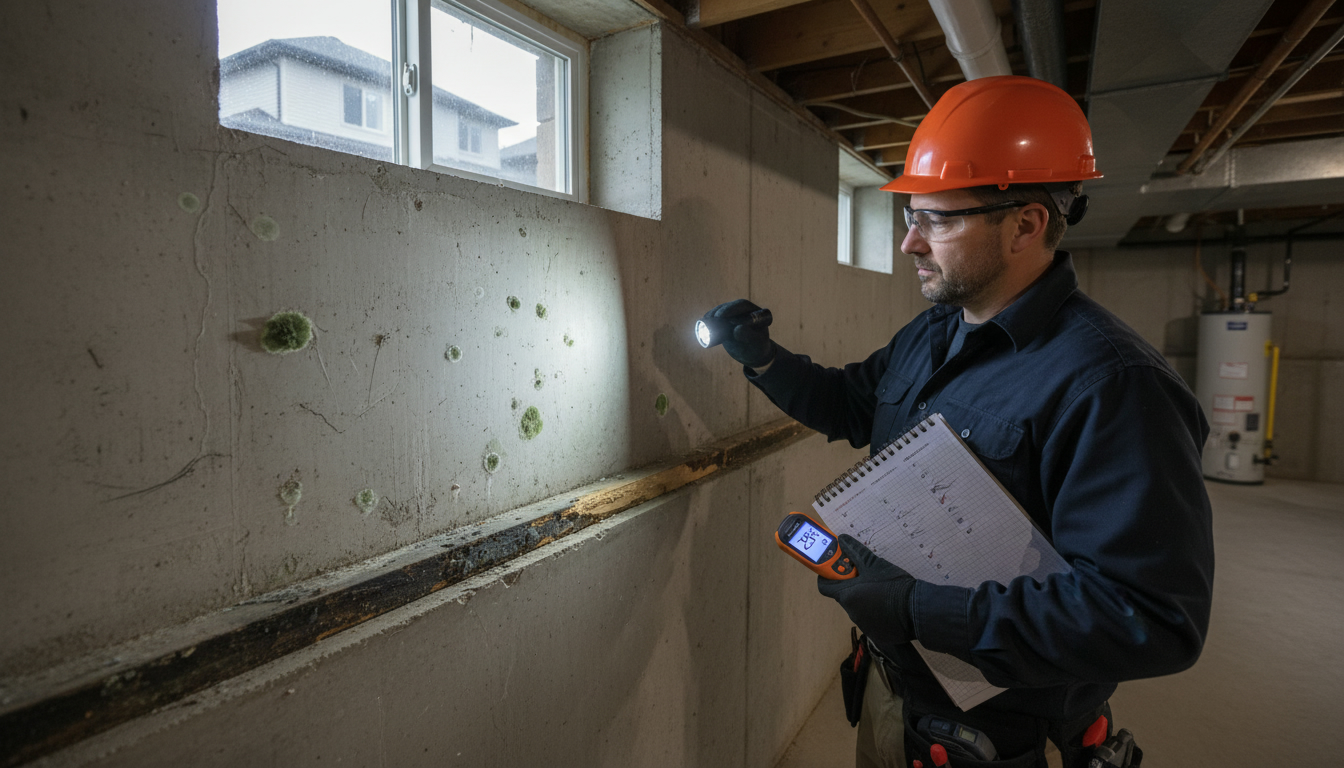
How do I identify mold, pests, or rot?
Can you spot mold, pests or rot before they wreck your home? Here’s the quick, no-fluff way to know — and act — in Milton, ON.
Why this matters in Milton, Ontario
Milton’s climate is tough on homes. Warm, humid summers and cold, freeze-thaw winters create moisture problems. Older homes and poorly graded yards add risk. That mix makes mold, pests, and rot common — and expensive if missed. If you’re buying, selling, or maintaining a house in Milton, you need to know the clear signs, how to check, and what to do next.
This guide gives direct, actionable inspection steps you can do today. No fluff. No fear. Just a plan that works in Milton’s weather, soil, and common home styles.
Quick checklist before you start
- Bring a bright flashlight, screwdriver, moisture meter (or smartphone hygrometer), camera, and mask (N95).
- Inspect after a rain and after dry weather — both reveal different problems.
- Photograph everything. Note locations and dates.

How to identify mold — what to look for, where to look
Mold feeds on moisture. In Milton, typical hotspots: basements, window sills, bathroom ceilings, behind drywall, attic insulation, and near HVAC systems.
Signs you’re seeing mold:
- Visible growth: black, green, gray, or white patches that look fuzzy or slimy.
- Musty, damp odor in basements, closets, or attics.
- Stains or water rings on ceilings and walls.
- Peeling paint or bubbling wallpaper.
- Ongoing allergy-like symptoms when inside (sneezing, itchy eyes).
Where to inspect first:
- Basement walls near the floor line and behind stored items.
- Around windows and exterior doors where seals fail.
- Attic sheathing and insulation near roof leaks or cold spots.
- Under sinks, around appliances, and near the furnace/hot water tank.
Simple checks you can do:
- Smell: a persistent musty smell often means hidden mold.
- Surface tape test: press clear tape on suspected growth, lift and inspect on white paper.
- Moisture meter: any wall or wood with moisture above 16–18% is high risk.
When to call a pro for mold testing or remediation:
- Mold covers an area bigger than a square metre.
- Mold is inside HVAC ducts or on structural members.
- Occupants experience health effects.
How to identify pests — likely culprits and subtle signs
Milton homes see common pests: mice, rats, carpenter ants, carpenter bees, wasps, cockroaches, and occasionally subterranean termites. Older wood structures and improperly sealed foundations increase risk.
What to look for:
- Droppings (mouse droppings are rice-sized; rat droppings are larger).
- Gnaw marks on wood, wires, or food packaging.
- Mud tubes on foundation walls (termite sign).
- Small piles of sawdust or clean, rectangular holes in wood (carpenter ants or beetles).
- Wings or insects around windows, especially in spring and summer.
- Live sightings or sounds in walls, especially at night (rodents).
Where pests hide:
- Crawlspaces, attics, and basement voids.
- Gaps in eaves, soffits, and around rooflines.
- Weep holes, vents, and around chimneys.
Simple checks you can do:
- Inspect attic insulation for trails or droppings.
- Check around baseboards and behind appliances for droppings.
- Look for holes or soft wood around decks, porches, and eaves.
- Watch the perimeter at dusk for rodent activity.
When to call pest control:
- You find a nest, live infestation, or structural damage.
- You see mud tubes or significant wood damage.
- Infestation is recurring despite DIY traps.
How to identify rot — what it looks and feels like
Rot is decay of wood caused by fungi, driven by moisture. In Milton, common places: deck posts, sill plates, window frames, eaves, porch columns, and door thresholds.
Types and signs:
- Wet rot: wood feels soft, spongy, darker, may smell musty.
- Dry rot (structural fungal decay): wood becomes crumbly, breaks into cubes, and may show white fungal threads or fruiting bodies.
What to check:
- Use a screwdriver to probe suspect wood: soft gives, flakes, or punctures easily.
- Look for discoloration, sunken areas, or fungal growth on wood surfaces.
- Inspect where wood meets soil, at deck supports, and at basement sill plates.
Simple checks you can do:
- Tap test: a hollow or dead sound means internal decay.
- Measure moisture: wood over 20% moisture is at high risk.
When rot is structural and needs a pro:
- Load-bearing members are compromised.
- Affected area is large or continues to spread.
- Visible sagging, misaligned windows/doors, or creaking floors.
Why local climate and construction matter — Milton specifics
- Humidity: Summers in Milton are humid. Poor ventilation in basements and attics traps moisture.
- Freeze-thaw cycles: These stress roofs, flashings, and foundation seals, creating entry points for water.
- Lot drainage: Many Milton lots developed quickly; poor grading or blocked eavestroughs push water to the foundation.
- Older homes: Houses built before modern waterproofing can have stone foundations, sill plate issues, and original window details that trap moisture.
Focus your inspection on areas where these factors meet: eavestroughs and downspouts, roof valleys, basement perimeter, and old window frames.

Quick fixes and prevention actions you can do now
- Clean gutters and extend downspouts at least 1.5–2 metres from foundation.
- Grade soil away from foundation. Add a 5% slope if needed.
- Install or service a sump pump with a battery backup.
- Run dehumidifier in basement; aim for 40–50% RH.
- Vent bathroom fans to the outside and ensure dryer vents are clear.
- Seal exterior gaps with caulking and insect screens.
- Replace rotted fascia, trim, and damaged window sills promptly.
- Trim back vegetation 30–60 cm from the house to improve airflow.
Tools and tech that make inspections fast and accurate
- Moisture meter: inexpensive and tells you where water hides.
- Infrared camera or thermal phone attachment: spots cold/wet areas behind walls.
- Boroscope (inspection camera): view inside walls and ductwork.
- Hygrometer: track relative humidity in basements and attics.
- Ladder, bright LED flashlight, gloves, and N95 mask.
When to pay for a professional inspection
Hire a licensed home inspector if you’re buying a home. Ask for specific checks: mold, pest, and structural wood condition. For suspected mold that’s widespread, hire a certified industrial hygienist. For pests with structural damage, hire a licensed exterminator and a structural carpenter.
How to document damage for negotiations
- Take clear photos and short video clips with timestamps.
- Get written quotes for remediation and repairs.
- Use moisture readings, inspector reports, and contractor estimates when negotiating price or repairs.

Call-to-action: get the local advantage
I work with experienced local inspectors, pest pros, and contractors who know Milton’s quirks. If you want an upfront read on a property — or a trusted second opinion on an inspection report — I’ll connect you with the right pros and help you use inspection findings to negotiate. Email tony@sousasells.ca or call 416-477-2620. Visit https://www.sousasells.ca for resources and weekly neighborhood updates.
FAQ — quick answers for Milton homebuyers and owners
Q: How often should I check for mold, pests, and rot?
A: Do a quick check every season. After heavy rains and at spring thaw, inspect basements, eavestroughs, and attics.
Q: Are DIY mold tests reliable?
A: Basic tests can show presence but not risk level. Use them for confirmation, not diagnosis. If mold covers more than a square metre or if occupants have health symptoms, hire a pro.
Q: How can I tell carpenter ant damage from termite damage?
A: Carpenter ants leave smooth, clean galleries and piles of coarse wood shavings. Termites leave mud tubes and frass that looks like fine sawdust or pellets. A pro can confirm with an inspection.
Q: Does a small patch of mold mean I should walk away from a house?
A: Not necessarily. Small, contained mold that results from a known leak can be remediated. Larger, hidden, or recurring mold is a red flag.
Q: Can I fix rot myself?
A: Small, non-structural rot can be repaired by replacing affected wood and fixing the moisture source. Structural rot requires a contractor or carpenter.
Q: What documents should I get from an inspector?
A: A full inspection report with photos, moisture readings, and recommended repairs. If mold or pests are suspected, ask for specialist reports.
Q: Who pays for repairs found during a home inspection in Milton?
A: Typically negotiable. Use inspection results to request credits, price adjustments, or seller-paid repairs. Your agent can help structure the offer.
Q: How much does a professional mold inspection cost in Milton?
A: Prices vary. Expect $300–$1,000 depending on scope. Remediation costs depend on area and complexity.
Action beats worry. Inspect smart, document everything, and call experts when risk or scope exceeds DIY. If you want help finding reliable local inspectors, pest pros, or contractors — or a clear read on an inspection report — contact tony@sousasells.ca or 416-477-2620. Visit https://www.sousasells.ca for local guides and inspection checklists.