
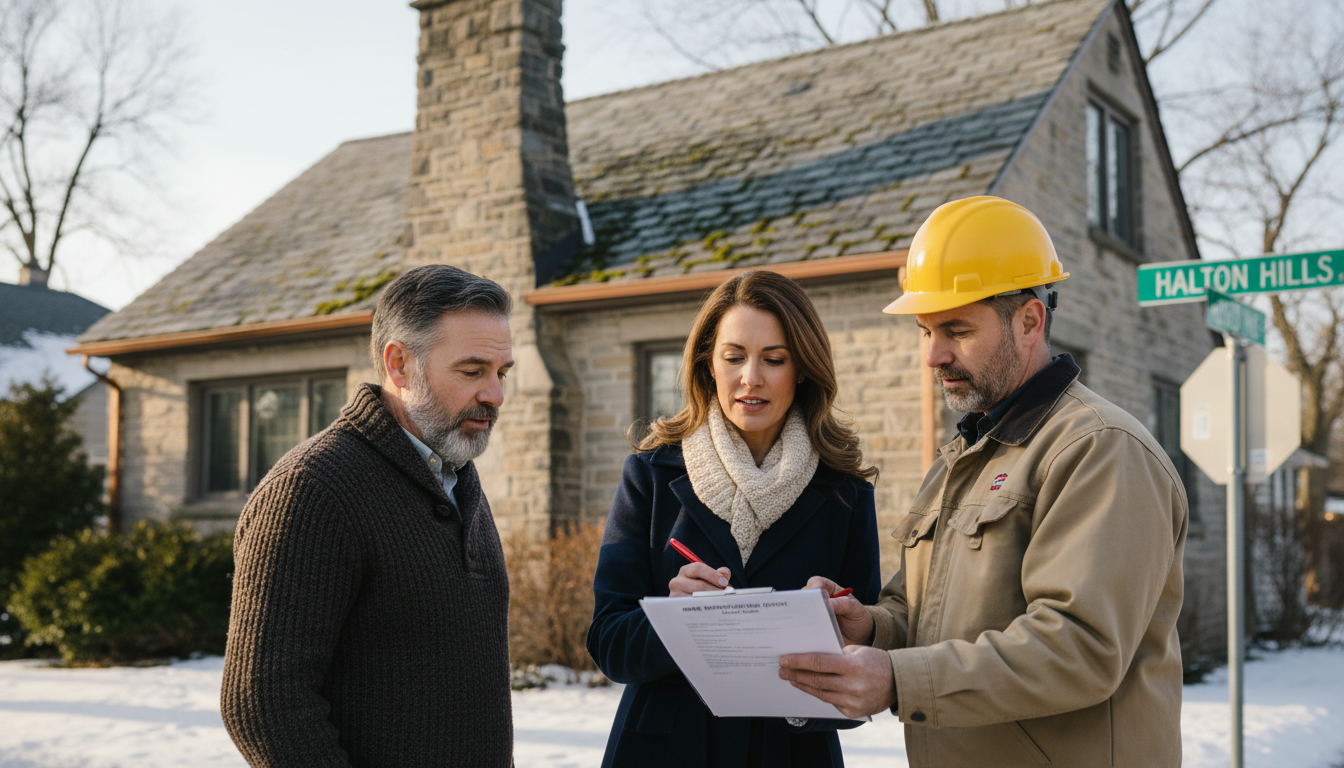
What happens if the inspection finds problems?
“What happens if the inspection finds problems?” — A sharper, no-fluff answer every Georgetown seller needs to read before you accept an offer.
Sell with certainty, not surprise
You listed your Georgetown home, got an offer, and the buyer’s inspector just sent a report full of red flags. Panic? No. Plan. This is where the deal is either saved or lost. If you want to keep control, understand the playbook.
This guide tells you exactly what happens when an inspection finds problems, what buyers will likely demand, how local rules in Georgetown, Ontario change the game, and the fastest path to a clean closing.
The inspection result — three basic outcomes
When a home inspection flags issues, one of three things happens:
- Buyer accepts the report and proceeds anyway.
- Buyer asks for repairs, a price reduction, or a credit at closing.
- Buyer cancels the deal if the inspection was a condition in the offer and they don’t get what they want.
Most deals survive. The sellers who get stuck are the ones who don’t plan. Here’s how to plan.

Why inspections matter more now in Georgetown
Halton Hills (Georgetown) inventory has shifted since the pandemic. Buyers are choosier and interest rates keep them cautious. Home inspections have become leverage for buyers to manage risk. Add older, character homes in Georgetown and you’ll often see issues like aging roofs, outdated electrical, chimney and foundation quirks, and drainage problems.
Local factors to keep in mind:
- Many Georgetown houses are older — expect knob-and-tube wiring, older plumbing, or patchwork renovations.
- Cold winters and freeze/thaw cycles mean roofs, eavestroughs, and grading problems show up more often.
- If a home is in a Heritage Conservation District in Halton Hills, repairs to restore original materials can be costly and require permits.
- Radon testing is becoming common in Southern Ontario; a high reading will prompt buyer requests.
All this means inspections in Georgetown can uncover items that trigger serious negotiation. Be ready.
Legal and procedural basics in Ontario
- In Ontario, most offers include a home inspection condition. The buyer typically has a set number of days to satisfy it or walk.
- Sellers must disclose known latent defects. If you hide something material, you risk a legal claim after closing.
- Buyers can request repairs, credits, or a reduced price. If you refuse, they can often walk without penalty during the condition period.
Know this: disclosure and honesty protect you. Fixing a known issue before listing and documenting work reduces negotiating drama.
Step-by-step: What to do the moment an inspection flags problems
- Pause, read the full inspection report. Not just the summary.
- Classify issues: Safety/structural (must address), Major systems (roof, HVAC, foundation), Cosmetic/minor.
- Get trusted quotes. Two quick, written estimates for any repair the buyer requests. Use local trades in Halton Hills.
- Decide fast: repair before closing, offer a credit, or reduce price.
- If you choose not to negotiate, be prepared the buyer may remove the condition and continue only if they accept the risk, or they’ll terminate.
Timing matters. Buyers often set short windows. Slow responses look like bad faith and can kill the deal.
Repairs vs credits vs price drops — which wins in Georgetown?
- Repair before closing: Best for safety and market perception. Buyers feel secure. For common Georgetown issues (roof, drainage, older wiring), fixing them can protect your price and prevent last-minute walkaways.
- Credit at closing: Works if buyers want cash to manage repairs themselves. This is common when buyers want to choose contractors.
- Price reduction: Effective when the issue is significant or you don’t want to coordinate repairs.
Pro tip: For non-structural items, buyers often accept a credit. For structural or safety issues, buyers want repairs or a full walkback if the cost is high.

Negotiation script you can use — direct and decisive
Say this in writing through your agent:
“We reviewed the inspection. We will address [specific safety/structural items] and provide receipts. For the remaining cosmetic or minor items, we propose a closing credit of $X. This keeps the timeline intact and closes as scheduled.”
Keep it tight. Offer numbers. Don’t argue about subjective language in the inspector’s report.
Pre-listing inspection: the secret move that cuts surprises
Get a pre-listing inspection. It costs a few hundred dollars and gives you control. Most sellers who pre-inspect either fix big items or price the home to reflect them. Result: smoother closings and fewer renegotiations.
For Georgetown sellers with older homes, pre-inspection is high ROI. Buyers hate surprises in tight markets. If you hand them a transparent report and receipts, they’re less likely to use the inspection as leverage.
Pricing smart for the inspection window
If your pre-listing inspection reveals issues you won’t fix, price the home accordingly. Buyers expect a discount if they’re taking on risk. A properly priced home can still get multiple offers, but the offers will reflect the known problems rather than new surprises.
When buyers walk: what happens next
If the inspection was a condition and the buyer walks, the sale collapses. You get your deposit back and relist. Emotionally hard, but not fatal.
Use the time to fix the issues, get receipts, and relist with cleaner paperwork. Your next buyer will move faster.
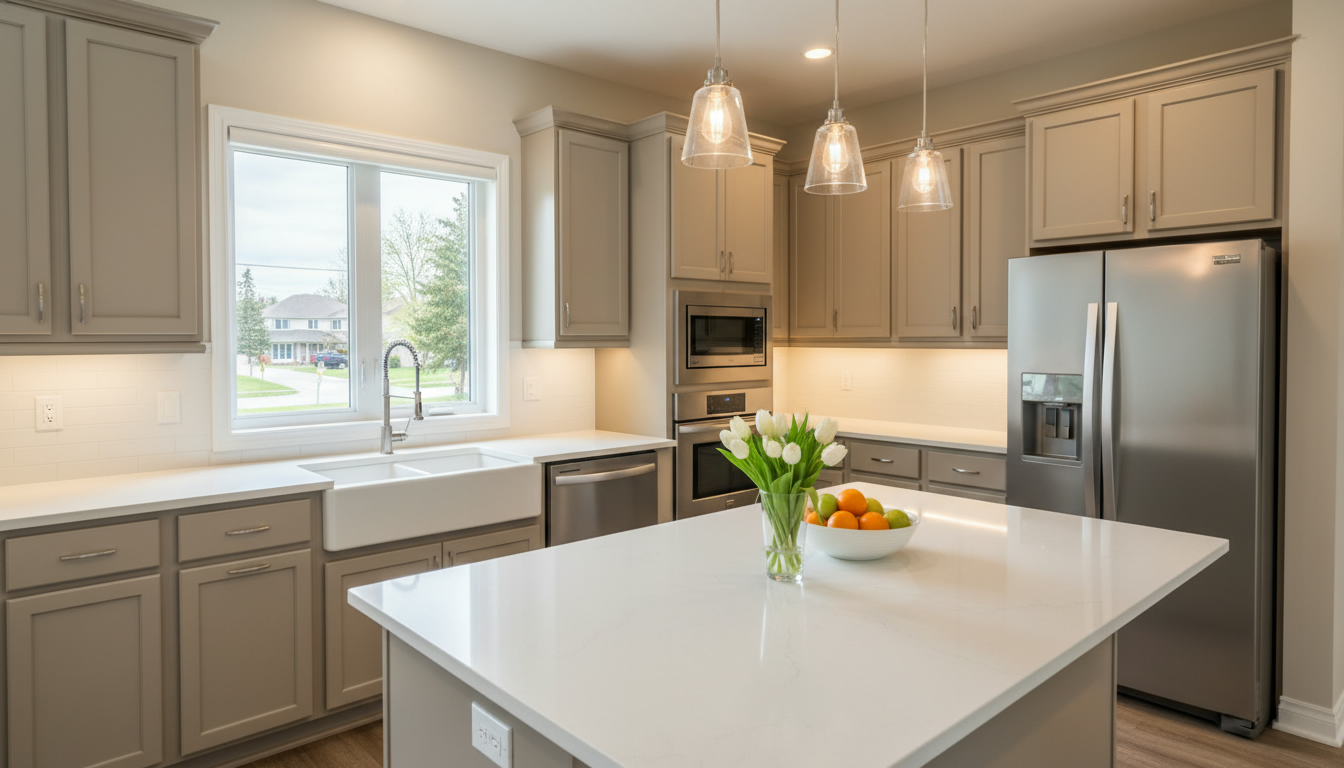
Money and timing: what to expect on repair costs
- Roof repairs or partial replacement: $2,000–$10,000 depending on size and material.
- Electrical upgrades (panels, knob-and-tube removal): $2,000–$8,000.
- HVAC repair or partial replacement: $1,000–$8,000.
- Foundation or drainage fixes: $3,000–$20,000+ for major work.
Get local Halton Hills contractors for accurate quotes. Emergency fixes and safety items jump to the top.
Document everything
If you repair, keep invoices, warranties, and permits. Provide these to the buyer. This reduces bargaining and legal risk.
If you decline to repair, disclose that in writing and give the inspector’s report to potential buyers. Honesty sells trust.
Practical examples from Georgetown listings
- Example 1: Older bungalow with papered roof and drainage issues. Seller agreed to eavestrough and grading repairs plus $2,500 credit. Sale closed on time.
- Example 2: Century home with knob-and-tube and cracked chimney. Buyer requested removal and tuckpointing. Seller negotiated a $10,000 credit after receiving two quotes.
- Example 3: Newer townhouse with high radon reading. Seller installed a mitigation system pre-closing and provided certification. Buyer removed condition.
These are real, repeatable playbooks. They work because they match buyer concerns to seller action.
Final checklist for Georgetown sellers when inspection finds problems
- Read the full report immediately.
- Get two local quotes for each major item.
- Decide: fix, credit, or price adjustment.
- Respond promptly through your agent with clear numbers.
- Document all repairs and permits.
- Consider a pre-listing inspection next time.

Closing fast without losing value
Buyers want certainty. When you deliver it—either through repairs or clear credits—you remove the biggest obstacle to closing. A seller who acts fast and offers clean documentation closes more often and keeps more of their asking price.
Contact for local expertise
If you’re selling in Georgetown and want a pre-listing inspection strategy or help negotiating after an inspection, call Tony Sousa: 416-477-2620 or email tony@sousasells.ca. Local knowledge of Halton Hills trades, permits, and pricing matters. Get the right plan and close on time.
FAQ — Quick answers Georgetown sellers ask after an inspection finds problems
Q: Can a buyer cancel if the inspection finds problems?
A: Yes, if the purchase agreement includes a home inspection condition and the buyer doesn’t waive it. They can terminate within the condition period and get their deposit back.
Q: Am I legally required to fix defects discovered by an inspection?
A: No, not automatically. You must disclose known latent defects. Buyers can request repairs or credits; you can negotiate. Failure to disclose known defects can lead to legal action.
Q: Should I get a pre-listing inspection?
A: Yes. For Georgetown homes—especially older ones—it reduces surprises and gives you control over pricing and repairs.
Q: What if the buyer demands a contractor I don’t trust?
A: Ask for written estimates and reasonable timelines. Offer a credit instead if you don’t want to manage the repair contractor.
Q: How long does this negotiation typically take?
A: Often 24–72 hours during the conditional period. Speed matters. Don’t drag it out.
Q: Will repairs always raise my sale price?
A: Not always. Repairs prevent price erosion and buyer walkaways. Some repairs are required to keep the sale. Focus on safety and structural items first for the best return.
Q: Any final tip?
A: Control the narrative. Pre-inspect, price accurately, and respond fast. Buyers want certainty; give it to them and you win.
Contact: Tony Sousa — tony@sousasells.ca | 416-477-2620 | https://www.sousasells.ca