
How do I insure rental properties?
How do I insure rental properties so I don’t lose money or get sued in Georgetown, ON?
Short answer: Get landlord-specific coverage, the right liability limit, and local risk protections — or pay later with claims, legal headaches, and lost rent.
Why this matters in Georgetown, ON
Georgetown sits in Halton Hills. That matters. Weather, aging housing stock, and local bylaws change risk and insurance pricing. One missed clause or the wrong policy type can turn a small problem into a five-figure claim. If you own a rental here — whether a duplex, a converted single-family, or a short-term listing — the insurance you choose must match the actual risk.
This post lays out a clear, step-by-step plan to insure rental properties in Georgetown. No fluff. Actionable moves you can use now. Use this as a checklist when you call an insurer or compare quotes.
Step 1 — Classify the property correctly
Insurance rates and coverage depend on how the insurer classifies your building. Common classes:
- Single-family rental (live-in or fully rented)
- Multi-unit residential (duplex, triplex, fourplex)
- Basement suite or accessory unit
- Condominium unit used as a rental
- Short-term rental (Airbnb-style)
Get this wrong and a claim can be denied. Tell your broker or carrier exactly how you use the property and how often it’s vacant.
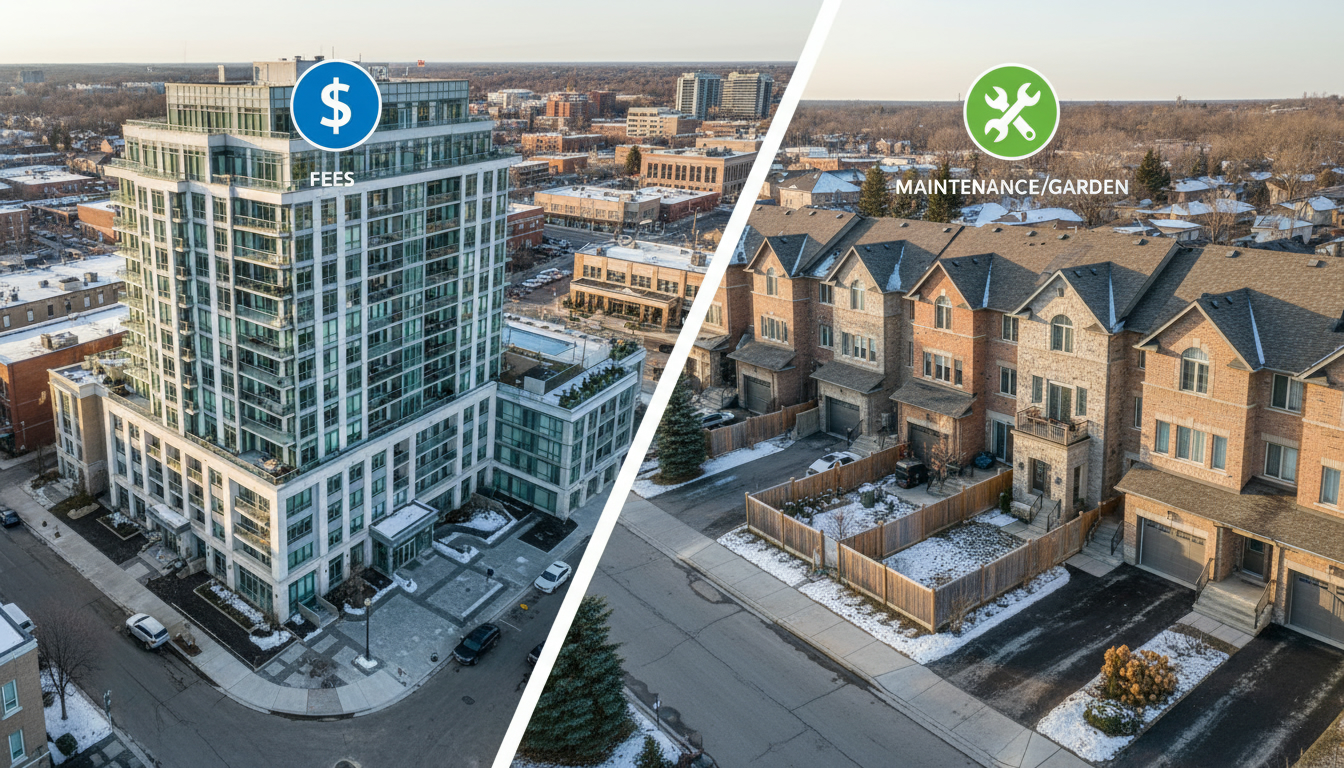
Step 2 — Choose the right policy type
Landlord/rental property policies exist for a reason. Standard homeowner policies usually exclude tenant damage and business use. Typical options:
- Landlord insurance (Dwelling Fire for rental homes): covers building, property damage from named perils, and liability.
- Commercial package policy: better for multi-unit buildings or owner-operators with multiple properties.
- Condo landlord insurance: covers the unit and landlord liability beyond the condo corporation’s master policy.
- Short-term rental endorsement or host protection: necessary for Airbnb or VRBO listings.
If you manage multiple units or rent long-term, a commercial package or landlord package is often cheaper and safer.
Step 3 — Prioritize these coverages
Don’t buy the cheapest policy. Buy the right coverage.
- Building coverage (replacement cost recommended): ensures full rebuild after a covered loss.
- Liability coverage: 2 million CAD minimum; 5 million if you host short-term guests or own multiple units.
- Loss of rent / Rental income: pays mortgage and expenses while property is repaired.
- Contents coverage: for furnished rentals.
- Sewer backup and overland flood options: crucial in parts of Halton prone to heavy storms.
- Vacancy clause: declare vacancy periods to avoid denied claims.
- Equipment breakdown and building ordinance: covers code upgrades after a loss.
Step 4 — Add endorsements that matter in Georgetown
Georgetown-specific risks mean certain endorsements are often essential:
- Sewer backup / sump overflow: heavy rain events have risen across southern Ontario.
- Overland flood protection: for properties near the Credit River or low-lying areas.
- Increased liability for short-term rentals: municipal rules and higher guest turnover raise exposure.
- Vacancy protection: if the unit sits empty between tenants.
Ask your broker about these. If they don’t bring them up, ask yourself why.
Step 5 — Set the right limits and deductibles
- Liability: aim for at least CAD 2,000,000. For investors with multiple units or short-term rentals, consider CAD 5,000,000.
- Building limit: base this on replacement cost, not market value. Replacement cost covers demolition and rebuild.
- Deductible: higher deductible lowers premium but increases out-of-pocket on a claim.
Get a professional estimate for replacement cost. Don’t guess.

Step 6 — Document and reduce risk before you buy a policy
Insurers reward loss control. Do this once and keep doing it:
- Install hardwired smoke alarms and carbon monoxide detectors.
- Add deadbolts and window locks.
- Install tamper-proof sump pumps and backwater valves where sewer backup is possible.
- Maintain heating and plumbing to prevent freeze claims.
- Replace knob-and-tube wiring and outdated panels.
- Keep records: lease, tenant ID, inspection reports, photos, maintenance logs.
These items lower premiums and speed claims handling.
Step 7 — Require tenant insurance and enforce it
Tenant (renter’s) insurance protects their belongings and covers tenant liability. Make it a written lease condition. Require a certificate of insurance or at least proof of policy. This reduces claims against your landlord policy and shows insurers you manage risk.
Step 8 — Understand the claims process and your role
If something happens:
- Ensure safety and stop further damage.
- Document with photos, videos, and receipts.
- Call police for theft or vandalism.
- Notify your insurer immediately.
- Get written estimates and keep every receipt.
Acting fast preserves coverages and speeds payouts.
Cost drivers for rental insurance in Georgetown
Several things move the price:
- Property age and construction
- Proximity to flood zones or the Credit River
- Claims history
- Use type (short-term vs long-term)
- Vacancy periods
- Security features (alarms, locks)
Shop, but don’t shop on price alone. The cheapest policy often has holes.
Buying strategy — how to compare quotes like a pro
- Check the policy wording, not just the one-page summary.
- Confirm the replacement cost basis.
- Compare liability limits, endorsements, and vacancy rules.
- Ask about discounts for multiple properties or alarm systems.
- Get at least three quotes: a local broker, a direct insurer, and a specialty landlord insurer.
Remember: a local broker who understands Georgetown will know which carriers cover properties near the Credit River or older stone homes in the area.
Short-term rentals: extra rules and costs
Short-term rentals are treated differently. Insurers treat them like small hotels. You’ll need:
- Host/short-term rental endorsement or a commercial policy.
- Higher liability limits.
- Proof of frequent inspections and cleaning protocols.
- Checks on local bylaws in Halton Hills — some bylaws restrict or require registration.
If you plan to switch a property from long-term to short-term, tell your insurer before listing it or risk denial of claims.
Practical checklist before calling an insurer
- Current replacement cost estimate
- Recent inspection photos
- Lease agreement template that requires renter’s insurance
- List of safety upgrades (alarms, valves, locks)
- Vacancy schedule (if seasonal)
- Contact info and property addresses
Have this ready and your quote will be accurate and fast.
Local tip: Leverage a local realtor who knows insurance patterns
A local real estate professional who manages rentals in Georgetown knows which insurers understand local water risks, older basements, and the typical tenant profile. They can point you to brokers who specialize in landlord and short-term rental insurance.

Common mistakes landlords make
- Using a homeowner policy for rentals.
- Underinsuring by using market value instead of replacement cost.
- Forgetting to declare short-term rental use.
- Letting units stay vacant without notifying insurer.
- Skipping tenant insurance requirements.
Avoid these and you’ll avoid claim denials.
Contact for local, no-nonsense help
For landlords and property sellers in Georgetown who want a fast, clear plan to insure a rental properly, reach out:
Tony Sousa — Local Realtor and rental-market expert
Email: tony@sousasells.ca
Phone: 416-477-2620
Website: https://www.sousasells.ca
If you want a fast policy checklist tailored to a specific Georgetown property, send photos, age, and rental type. Expect clear, direct answers.
FAQ — Rental Property Insurance in Georgetown, Ontario
What type of insurance do I need for a rental property in Georgetown?
You need landlord/rental property insurance tailored to the building class. For multi-unit buildings or short-term rentals, a commercial package policy or specific endorsements are often required. Include liability, building replacement cost, and loss-of-rent coverage.
Do I still need landlord insurance if I live in the property next door or off-site?
Yes. Occupancy by the owner doesn’t replace the need for landlord coverage if parts of the property are rented. Tell the insurer who lives on-site and how units are used.
Will a renter’s insurance policy cover damage to my building?
No. Renter’s insurance covers tenant belongings and tenant liability. Building damage and landlord liability are covered by your landlord policy. Requiring tenant insurance shifts some liability and reduces landlord claims.
Are short-term rentals covered under standard landlord policies?
Usually not. Short-term rentals increase liability and are often excluded unless an endorsement or commercial policy is in place. Always disclose short-term use.
How much does landlord insurance cost in Georgetown?
Premiums vary widely. Factors include property age, size, construction, flood risk, and claims history. Expect to pay more than a standard homeowner policy because the rental use increases exposure. Get local quotes to know the exact range.
Does insurance cover lost rent while repairs are done?
Yes, if you add loss-of-rent (rental income) coverage. It replaces rental income for a defined period while a covered peril is repaired.
What happens if my property sits vacant?
Most policies limit or exclude claims for vacant properties after a set time (commonly 30–60 days). Notify your insurer about vacancy and buy vacancy protection or a specific vacant property policy if you expect long gaps between tenants.
How can I lower my rental insurance premiums?
- Install alarm systems and deadbolts.
- Add backwater valves and sump pumps.
- Bundle multiple properties with one insurer.
- Require tenant’s insurance.
- Keep a clean claims history with regular maintenance.
Who enforces building rules and tenant responsibilities in Georgetown?
Tenant and landlord responsibilities fall under Ontario’s Residential Tenancies Act. For short-term rentals, check Halton Hills municipal bylaws and registration requirements.
What documentation should I keep for an insurance claim?
Photos and videos of damage, dated inspection reports, repair estimates, police reports (for theft/vandalism), and all receipts for emergency mitigation and repairs.
If you want a property-specific insurance checklist for a Georgetown address, send the property age, number of units, and whether it’s long-term or short-term. I’ll reply with a prioritized list of coverages and endorsements to request from insurers.
Contact: tony@sousasells.ca | 416-477-2620 | https://www.sousasells.ca
Author: Local Georgetown (Halton Hills) rental market advisor and realtor. Practical, direct advice to protect your investment.