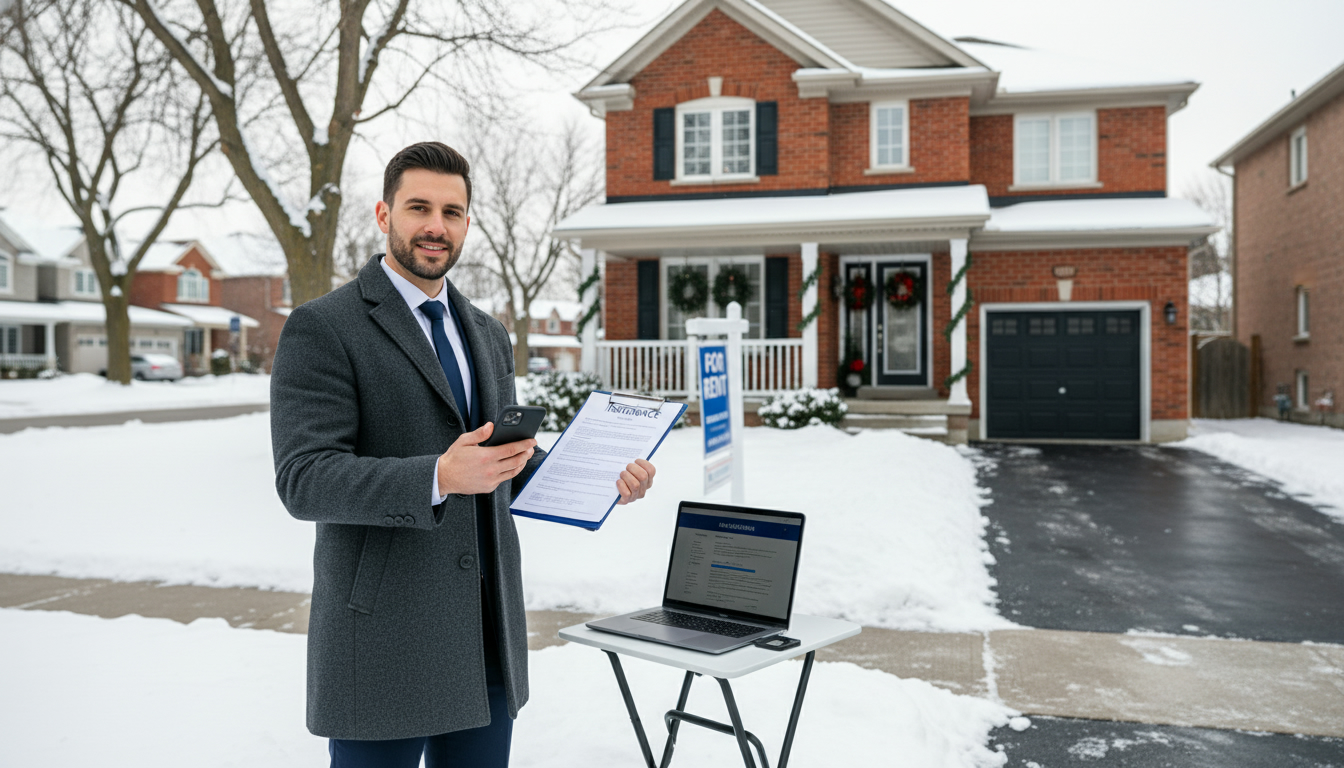
How do I insure rental properties?
How do I insure rental properties without wasting money or leaving giant gaps? Read this Milton-specific checklist and lock it down.
How to Insure Rental Properties in Milton, ON: A Practical Playbook
You want rental income, not surprises. Insurance is not optional — it’s the business tool that protects your cash flow, your equity, and your reputation as a landlord. If you own or plan to buy rental properties in Milton, Ontario, this post gives a clear, step-by-step blueprint to get the right coverage, avoid common mistakes, and reduce premiums.
This is direct. No fluff. Follow it.
Why landlord insurance matters in Milton, Ontario
- Local weather: Cold winters, freeze-thaw cycles, and spring runoff increase the risk of frozen pipes, water damage and basement flooding. Many standard policies exclude overland flood.
- Rental market: Milton’s fast-growing rental demand means higher exposure to tenant turnover and accidental damage.
- Legal exposure: Landlords face liability claims from tenant injuries or third-party accidents on the property.
A landlord insurance policy designed for Milton properties protects against those local risks and keeps your mortgage lender and investors happy.

Core coverages every Milton landlord needs
- Building (Property) Insurance
- Covers the physical structure: walls, roof, built-in appliances, detached garages.
- Insure to rebuild, not just market value. Use replacement cost when possible.
- Landlord Contents Insurance
- For furnished rentals, covers furniture, appliances and inventory you provide.
- Liability Insurance (Landlord Liability)
- Protects you if a tenant or visitor is injured and sues.
- Covers legal costs and settlements.
- Loss of Rent / Rental Income
- Pays lost rental income if the unit is uninhabitable after an insured event (fire, storm, etc.).
- Sewer Backup & Water Damage Add-Ons
- Critical in Milton. Standard policies often exclude sewer backup; add it explicitly.
- Tenant Damage / Vandalism
- Covers malicious damage by tenants (beyond wear and tear).
- Equipment Breakdown and Utility Services
- If a furnace, hot water tank or other essential system fails, this minimizes downtime.
- Optional: Commercial or Portfolio Policies
- If you own multiple units or short-term rentals, a commercial policy or portfolio package can offer better rates and broader coverage.
How this differs from homeowner insurance
Homeowner policies assume owner-occupancy. They often exclude losses tied to rental activity. Using a homeowner policy for a rental risks denied claims and voided coverage. Always move to a landlord-specific policy once you rent the property.
Step-by-step: How to insure a rental property in Milton
- List risks and priorities
- Note property age, roofing, furnace age, basement finish, proximity to flood-prone areas, recent claims history.
- Document the property
- Take dated photos, create an inventory of appliances and finishes, save receipts for upgrades and renovations.
- Talk to a broker who specializes in landlord insurance
- Look for brokers who serve Milton and Halton Region. They know local risks and underwriters.
- Get multiple quotes and compare on coverage, not just price
- Compare deductibles, coverage limits, exclusions, and sub-limits (e.g., for sewer backup).
- Ask for local endorsements
- Add sewer backup, building code upgrades, and loss of rent as endorsements where needed.
- Reduce risk to lower premiums
- Install monitored smoke detectors and carbon monoxide alarms, maintain HVAC, install deadbolts and exterior lighting, proof pipes and insulate to avoid frozen pipes.
- Require tenant insurance
- Make tenant insurance mandatory in the lease. It shifts tenant liability for their contents and reduces your risk for tenant-caused damage.
- Re-evaluate annually and after major repairs
- Reassess replacement cost, update inventories, and tell your broker about renovations that change risk profile.
Pricing factors and how to lower premiums in Milton
Insurance rates depend on:
- Property location and neighbourhood claim history
- Building age and construction type
- Roof condition and recent updates
- Occupancy: long-term vs short-term rentals
- Security features and maintenance
- Claims history (your and the property’s)
To lower premiums:
- Bundle policies if you have multiple properties
- Increase deductibles selectively
- Improve property safety (alarms, sprinklers in multi-unit buildings)
- Maintain a clean claims history

Common policy traps and how to avoid them
- Using homeowner insurance for rentals: don’t. Ask your insurer to upgrade to landlord policy.
- Assuming flood is covered: overland flood is typically excluded in Ontario. Buy specific flood or sewer backup riders where necessary.
- Not documenting renovations: replacement cost must reflect upgrades. Underinsuring invites big out-of-pocket rebuilds.
- Ignoring local bylaws and permits: unpermitted work can void coverage for related damage. Keep permits and records.
Claims process: what to do if something happens
- Ensure safety first — protect tenants and call emergency services if needed.
- Document the damage with photos and dated notes.
- Notify your insurer promptly and follow their claims instructions.
- Keep receipts for emergency repairs and mitigation expenses.
- Cooperate with the adjuster, but avoid offering statements of liability without advice.
Good documentation and quick action get claims resolved faster and protect your loss of rent coverage.
Local considerations for Milton landlords
- Check flood risk maps and township resources. Milton’s landscape and waterways can create localized flood risk. For high-risk properties, get specialized flood protection and proofing advice.
- Winter maintenance matters. Frozen pipes are a common seasonal risk in Milton. Insulate, winterize vacant units, and maintain heating systems.
- Short-term rentals vs long-term tenants: Many insurers treat short-term rentals like businesses. Expect different pricing and coverage requirements if you list on platforms like Airbnb.
- Tenant screening and clear lease language reduce liability exposure. Include clauses requiring tenant insurance and outlining maintenance responsibilities.
When to consider a commercial landlord policy
- Multiple units across different properties
- Short-term rental business model
- Properties with mixed-use (commercial storefront and residential units)
Commercial policies can be more flexible and scalable for investors with portfolios in Milton and the GTA.

Frequently asked questions — Rental Property Insurance in Milton, ON
Q: Can I use my homeowner insurance if I rent out my Milton house?
A: No. Most homeowner policies exclude losses tied to rental activity. Convert to a landlord policy before renting to avoid denied claims and potential cancellation.
Q: Does landlord insurance cover tenant damage?
A: Basic landlord policies usually cover malicious or intentional damage by tenants only if you have a tenant damage endorsement. Normal wear and tear isn’t covered. Require tenant insurance to cover their belongings and liability.
Q: Is flood covered in Ontario landlord policies?
A: Standard policies usually exclude overland flood. Sewer backup and water damage may be optional endorsements. For properties in flood zones, buy specialized flood coverage and consider physical mitigation.
Q: How much liability coverage do I need as a Milton landlord?
A: Minimums vary, but 2 million CAD is common for investors. Higher limits may be appropriate for multi-unit properties or higher-risk locations. Discuss risk tolerance with your broker.
Q: Will my premiums go up after a claim?
A: Likely. Claims history affects future premiums. Mitigate by handling small repairs out-of-pocket and focusing on prevention to keep the claims history clean.
Q: Do I need tenant insurance for my renters in Milton?
A: Yes — require it in the lease. Tenant insurance protects tenants’ belongings and reduces disputes over liability. It’s a low-cost requirement that lowers your risk.
Q: How do I find the right insurer in Milton?
A: Use an insurance broker with landlord experience in Halton Region or the GTA. Ask for references, read reviews, and check that they understand local risks like basement flooding and winter damage.
Final action plan — 7 items to implement today
- Switch any rented property off homeowner coverage and get landlord quotes.
- Add sewer backup and loss-of-rent endorsements if not present.
- Require tenant insurance in all leases.
- Document the property with photos and receipts.
- Install basic safety upgrades (alarms, deadbolts) to lower premiums.
- Shop brokers — get at least three quotes focused on Milton properties.
- Update policies after renovations or changes in occupancy.
About the local contact and how to move forward
Tony Sousa is a Milton-based realtor who helps investors buy, manage, and protect rental properties in Milton, ON. He connects landlords with insurance brokers who understand local risks and the Milton market.
Contact: tony@sousasells.ca | 416-477-2620 | https://www.sousasells.ca
If you own rental property in Milton, act now. Insurance is cheap compared to a totaled investment or extended vacancy. Call, email, or send this post to your broker. Protect your income, protect your equity, and keep your renting business profitable.