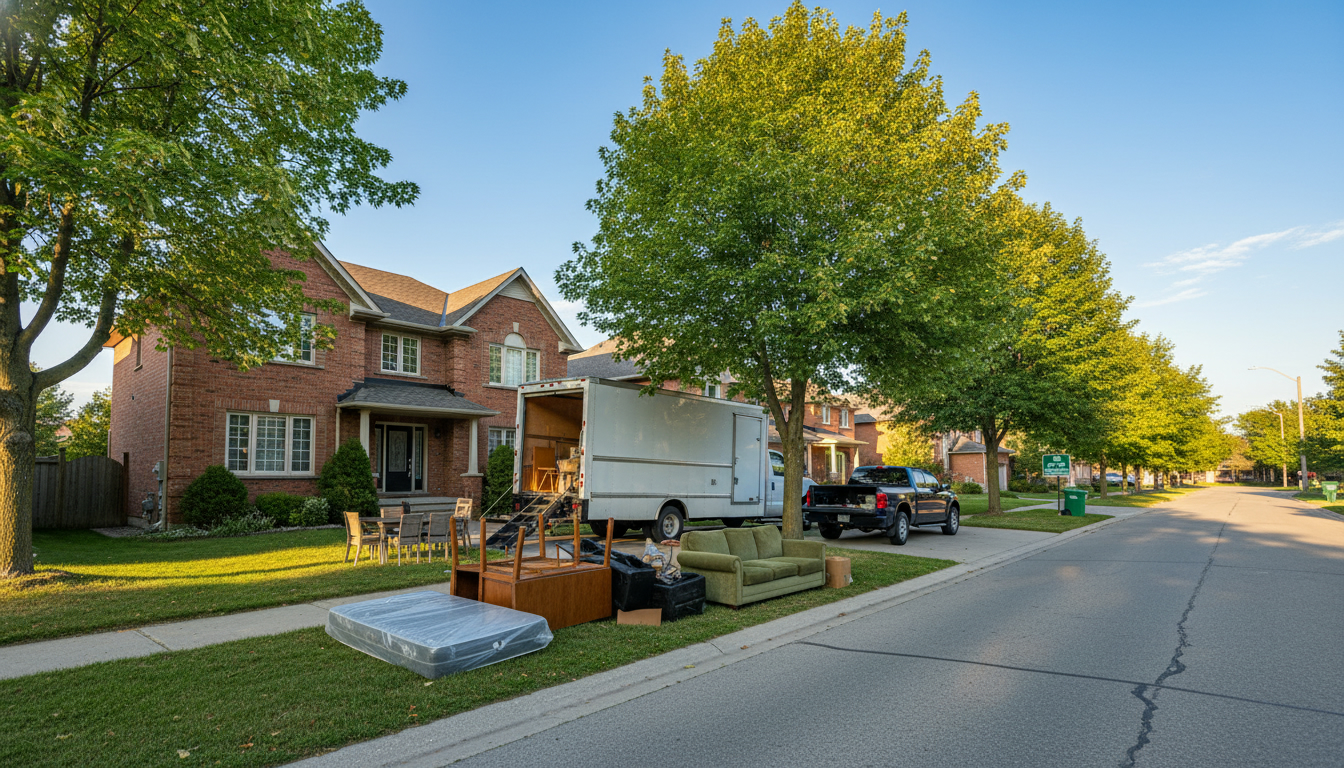
Can I leave furniture behind?
Can I really leave furniture behind when I move in Milton? Most people think it’s free to dump or casual to leave it. That thinking costs money, headaches, and sometimes legal trouble. Read this if you’re moving in Milton, Ontario — fast, practical, no fluff.
Who can leave furniture behind — and when it’s OK
Short answer: sometimes. But never assume.
- If you own the house and want to leave items for the buyer, it must be written into the sale agreement. Anything not listed is considered personal property and the buyer isn’t obligated to take it.
- If you rent, your lease and the landlord decide. Don’t leave furniture unless you have written permission.
- If furniture is attached (built-in cabinets, closet shelving) those are fixtures and stay unless the contract says otherwise.
Bottom line: get it in writing. Verbal agreements don’t hold at closing.
Milton and Halton Region rules you must know
Milton is part of Halton Region. Waste collection, bulky-item pickup, and disposal rules fall under regional guidelines. Here’s what to check before you leave anything on the curb:
- Halton Region handles curbside large-item pickup but it follows a schedule and rules. Some items require booking a pickup or a special tag.
- Certain items are restricted or need special handling: electronics, mattresses, hazardous materials, and appliances with refrigerants. These cannot just be left unscheduled.
- Illegal dumping is a real fine. Leaving furniture at the curb without following the rules can attract fines from Milton bylaw enforcement or Halton Region enforcement.
Action: visit halton.ca or milton.ca and search “large item collection” or “bulky waste” to get the exact calendar and booking rules for your address.
Selling a home in Milton — why leaving furniture matters
When you sell, furniture can be a negotiating tool or a legal headache.
- Use it as leverage: staging furniture left for the buyer can help sell a property faster and for more money. But state “included” items in the listing or the Agreement of Purchase and Sale.
- Avoid assumptions: the buyer’s written acceptance is required. If a buyer expects specific pieces to stay and they’re not in the contract, expect disputes at closing.
- Photography and marketing: if your listing photos show furniture, clarify if it’s included. Otherwise buyers may assume items stay.
Pro tip: list included items in the MLS remarks and again in the purchase agreement. It removes confusion and protects both parties.
Renting in Milton — tenants, pay attention
- Lease terms govern everything. Most standard Ontario leases say tenants should leave the unit as they found it, minus normal wear.
- Landlords might want leftover furniture. If so, document condition and get a signed release. Otherwise, the landlord can charge for removal or repairs.
- When you vacate, follow the city’s rules for bulk item pickup. Contact Halton Region for special pickups or drop-off locations.
If you’re unsure, call your landlord and get written confirmation. Tenants that leave items without permission risk deductions from their security deposit.
Donation and disposal options in Milton
If you decide not to move your furniture, here are responsible routes:
- Donate: Goodwill, Salvation Army, Habitat for Humanity ReStore, and local charities accept usable furniture. Many offer pickup for large donations.
- Resale: List on Kijiji, Facebook Marketplace, or local buy-sell-trade groups. Price competitively and be ready to coordinate pickup.
- Bulk pick-up: Halton Region offers scheduled bulky item collection. Check the rules — mattresses or electronics may need special handling.
- Transfer Station: Use the Halton Waste Disposal Site if you need to drop-off. There are fees for large items.
- Junk removal: Hire a local removal company if you need fast, full-service pickup. Expect to pay more but save time.
Don’t leave usable furniture on the street. It can be removed as illegal dumping.
Financial and legal risks of leaving furniture behind
- Fines: illegal dumping or ignoring bulky item rules can lead to municipal fines.
- Closing delays: if a buyer shows up to take possession and the house still has disputed furniture, it can delay closing.
- Liability: leaving dangerous furniture (broken glass, unsafe shelving) can create safety risks. You could be liable if someone is injured before removal.
Always document removal, donations, or agreements. Take photos and keep receipts.
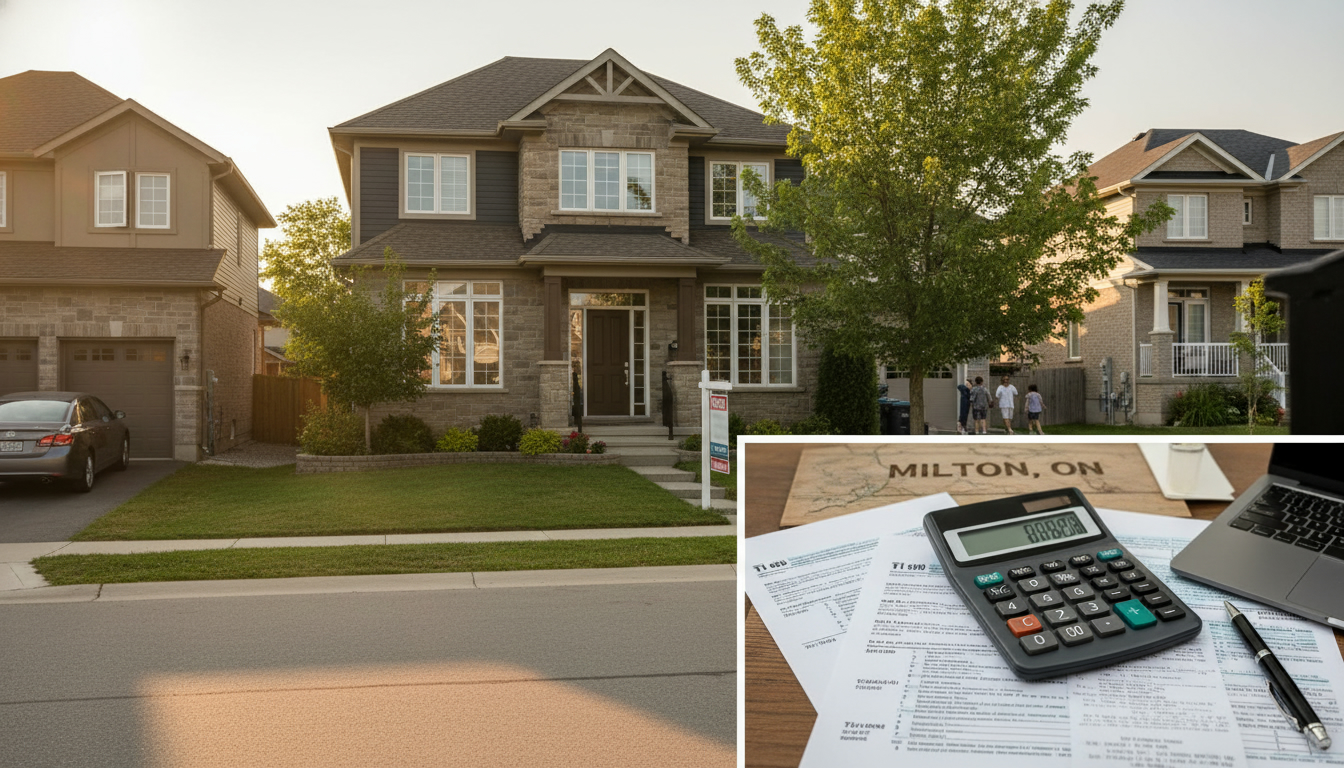
A simple 7-step checklist for leaving furniture behind safely
- Decide: sell, donate, give away, or have buyer take it. Be realistic about condition.
- Check: read your lease or purchase agreement. Confirm what must stay or can be removed.
- Confirm: check Halton Region and Milton rules for bulky picks and prohibited items.
- Get it in writing: buyer or landlord must sign if you plan to leave things behind.
- Document: take dated photos and keep receipts for donations or removal services.
- Book removal: schedule pickup with Halton Region, a charity pickup, or a removal company.
- Final sweep: before final walk-through, verify everything agreed-upon was left or removed.
Follow those steps and you avoid most surprises.
How leaving furniture affects resale value and staging in Milton’s market
Milton’s real estate market is competitive. The right furniture can boost perceived value and speed a sale.
- Empty rooms feel small. Furniture helps buyers visualize space.
- But worn or mismatched pieces can hurt offers. Consider renting staging furniture or leaving only the pieces that elevate the home.
- If you include furniture with sale, price it fairly or get a separate clause for items that remain to avoid confusion.
As a strategy: stage for sale, then remove agreed items at closing or include key pieces in the contract.
Local community considerations — donation picks and timing
Milton has active community groups that accept furniture for families in need. Plan timing: many charities have pickup lead times and may need items in good condition.
Also: avoid leaving items on the curb during long weekends or community events. Collections don’t run on holidays and items can sit for days.
Quick legal notes for Milton movers
- Ontario law distinguishes fixtures (stay) from chattels (can be removed). When in doubt, classify in writing.
- Tenant or landlord disputes belong to the Landlord and Tenant Board if unresolved. Small claims may address removal costs.
- The purchase agreement governs what stays when selling a home. Use clear language.

Call to action — talk to a local expert
Moving is complex. One small mistake — like leaving the wrong furniture — can cost hundreds or delay a sale. If you’re in Milton and need straight advice, contact Tony Sousa. He helps buyers and sellers handle furniture decisions, legal language, and local rules so moves go smooth.
Email: tony@sousasells.ca
Phone: 416-477-2620
Website: https://www.sousasells.ca
FAQ — Movers in Milton, ON (quick answers)
Q: Can I leave a couch for the buyer without mentioning it in the listing?
A: No. Put it in the Agreement of Purchase and Sale. Verbal promises don’t protect you.
Q: Does Halton Region pick up mattresses?
A: Halton Region accepts mattresses but may require booking or fees. Check halton.ca for mattress rules and drop-off info.
Q: I’m a tenant — can I leave furniture for the landlord?
A: Only with written permission. Otherwise, the landlord can refuse and charge removal costs.
Q: Are there fines for leaving furniture on the curb in Milton?
A: Yes. Leaving items without following bulk pickup rules can be considered illegal dumping and fined.
Q: What’s the difference between fixtures and furniture?
A: Fixtures are attached to the property (built-in shelves, light fixtures) and usually stay. Furniture is portable and generally removed unless agreed otherwise.
Q: Who pays to remove furniture after closing if it’s not included?
A: The seller typically pays removal costs. If buyer agreed to accept items, the agreement should say who pays removed or moved items.
Q: Where can I donate usable furniture in Milton?
A: Local options include Goodwill, Salvation Army, Habitat for Humanity ReStore, and community ministries. Check pickup availability.
Q: How do I avoid disputes at final walk-through?
A: Itemize included furniture in the purchase agreement. Take photos and get signatures on any changes before closing.
Q: Can I leave broken furniture behind?
A: Don’t. Broken items can be a health and safety issue and may be treated as illegal dumping.
Q: I need fast removal — what do I do?
A: Hire a local junk removal service. Expect to pay same-day or expedited fees.
Want help with handling furniture during your move, staging for sale, or drafting the right language for your purchase agreement? Contact Tony Sousa: tony@sousasells.ca | 416-477-2620 | https://www.sousasells.ca
Make the move smart. Don’t assume. Document everything.