

How do I deal with emotional attachment to my home?
Can’t stop loving your home? Here’s a Milton plan to let go without regret.
Why your home feels like a person
You built a life inside those walls. Birthdays, first steps, late-night talks, backyard summers. The brain ties memory and place together. That bond becomes emotional attachment. That attachment is normal. It’s not weakness.
But when you need to sell or move, attachment becomes friction. It slows decisions. It skews price expectations. It stalls listings. That costs time and money in Milton’s fast market.
This guide gives a direct, no-nonsense plan to break the hold. It’s tactical. It’s local. It’s designed to get you moving, emotionally and practically.
Fast realities you must accept
- Homes hold memories. Memories don’t equal market value.
- Buyers want a blank canvas, not your life story.
- Unresolved feelings cost weeks on market and lower offers.
- Milton buyers often prioritize schools, commute to Toronto, and access to trails and parks. Sell to that buyer.
Accept these. Then act.

A brutal, step-by-step plan to deal with emotional attachment
-
Name the feeling. Write it down. Saying “I’m sad about leaving this house” removes its power. Label the fear: loss, guilt, anxiety.
-
Time-box nostalgia. Give yourself a day or a weekend to reminisce. Create a short ritual — take photos, write a letter to the house, record a voice memo. Set a strict end time.
-
Separate memories from the structure. Pull photos, keepsakes, and a few sentimental items. Pack them first. Once memories are safe, the house becomes a commodity.
-
Make a deal with facts. Price, prep, and timing hinge on facts: comparable sales in Milton, condition, and buyer demand. Use numbers to counter emotions.
-
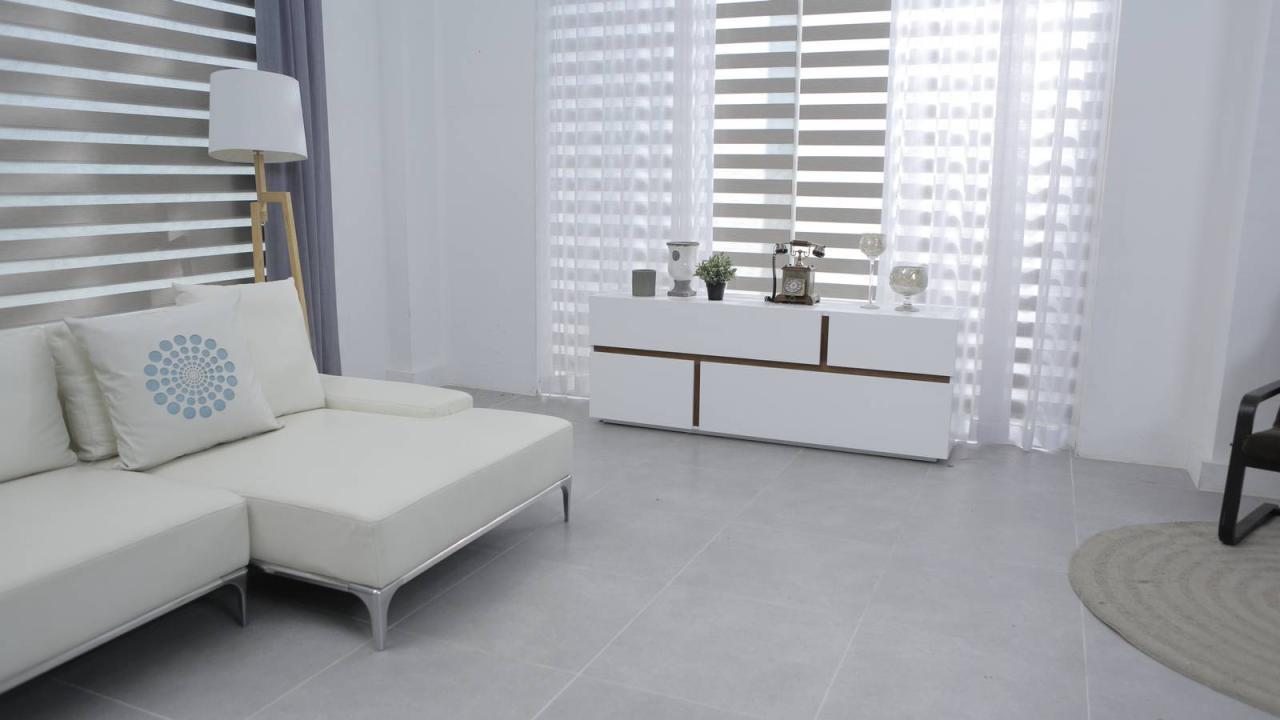
Stage with a buyer in mind. Neutralize walls, remove family photos, simplify decor. In Milton, highlight access to Milton GO, schools, and conservation areas. Let buyers imagine their life here.
-
Create a memory book. Don’t keep everything. Photograph rooms and scenes. Print an album. That ritual keeps the memories without keeping the clutter.
-
Use a timeline. Pick move dates and deadlines. Deadlines force decisions. If you’re selling, agree on a listing date and two review points.
-
Invest in exit rituals. Plant one tree you can visit, leave a farewell note, host a goodbye meal. Rituals close the chapter.
-
Get professional help early. Talk to a trusted Milton realtor who gets attachment and the market. A local expert shortens the emotional cycle and increases sale confidence.
-
Plan your next place before you list. Preview homes in Milton or nearby so you can see the upside. Having a plan eases the fear of the unknown.
How a Milton-focused selling strategy kills attachment
Attachment dies when you see the house as a product, not a person. Here’s the Milton play:
- Market the lifestyle: Buyers in Milton buy schools, trails, and commute. Emphasize Milton GO access, parks like Kelso and Rattlesnake Point, local shops, and community events.
- Price by comparables: Use recent MLS sales in neighbourhoods like Old Milton, Dempsey, and Beaty. Accurate pricing removes hope-based asks.
- Stage for the buyer: Minimal, clean, light. Milton buyers want move-in ready space they can personalize.
- Fast prep: Focus on curb appeal, basic repairs, and declutter. Small fixes speed the sale and reduce emotionally biased negotiations.
When you sell from a buyer-first perspective, your personal history becomes an asset for marketing, not a reason to delay.
Mindset shifts that work
- Reframe loss as upgrade. You’re trading a past chapter for new growth.
- Treat selling like a project. Projects have tasks and timelines. Emotions aren’t the boss.
- Give yourself permission to grieve, then schedule action. Grief is valid but finite.
- Remind yourself the value of choice. Selling frees options.
These moves reduce rumination. They turn feelings into manageable steps.
Practical staging and declutter checklist for Milton sellers
- Remove personal photos and trophies.
- Clear countertops; leave one tasteful vignette in the kitchen.
- Neutralize bold paint with soft, warm tones.
- Deep clean carpets and windows; natural light sells houses.
- Fix visible issues: leaky faucets, chipped tiles, stuck doors.
- Boost curb appeal: tidy lawn, trimmed shrubs, fresh mailbox number.
- Professional photos that highlight nearby features like trails or Milton GO access.
If you don’t want to do it yourself, hire local help: stagers, cleaners, handymen. The small cost produces faster offers and fewer lowball buyers.

When the attachment becomes more than sadness
If selling triggers severe anxiety, insomnia, or affects relationships, talk to a professional. A short run of therapy or counseling speeds recovery and decision-making.
Local resources in Milton include community mental health clinics and private counselors. Use them. Strong decisions need clear thinking.
How a local realtor shortens the emotional sale cycle
A Milton realtor who understands emotions and the market does three things:
- Validates feelings while enforcing deadlines.
- Converts memories into marketing assets (stories, photos, community highlights).
- Provides data-driven pricing and negotiation to cut emotional bargaining.
That combination saves weeks and thousands of dollars.
Quick scripts to use when emotions hijack the sale
- “I acknowledge this is hard. Let’s schedule one hour to review numbers and then take a break.”
- “Pack what matters to you first. We’ll list after the pack.”
- “If this is about memories, create a memory book tonight. We’ll look at offers tomorrow.”
Scripts keep conversations focused and productive.
Call to action — local help that understands Milton
If you’re in Milton and your attachment is slowing your next move, get local advice. Work with someone who sells in this community and knows buyer priorities: schools, commute, parks, and family-friendly amenities.
Contact Tony Sousa for tactical, emotional-ready support. He helps owners move cleanly through attachment, pricing, staging, and negotiation.
Tony Sousa
Email: tony@sousasells.ca
Phone: 416-477-2620
Website: https://www.sousasells.ca
Reach out. Book a quick consult. Move forward with a plan.
FAQ — Emotional attachment to your home in Milton, ON
How long does emotional attachment last after deciding to sell?
It varies. Most homeowners move from intense feelings to workable acceptance in 2–8 weeks with a clear plan. If you pack memories and create a timeline, the process speeds up.
Will staging make me miss my home less?
Yes. Staging turns a personal space into a market product. Once personal items are packed, nostalgia lessens. Staging also increases offers and reduces time on market in Milton.
What local Milton features can I highlight to sell faster?
Emphasize Milton GO access, quality schools, conservation areas like Rattlesnake Point, the Niagara Escarpment, local parks, and community services. Buyers move for lifestyle; show them Milton.
Should I get therapy before selling?
If you experience intense anxiety, depression, or impaired decision-making, get help first. A short course of therapy stabilizes emotions and makes selling decisions clearer.
How do I keep memories without keeping the house?
Create a memory book, digitize photos, keep a small box of meaningful items, and host a farewell event. These rituals preserve memory and free space.
Will a Milton realtor understand my emotional concerns?
A competent local realtor recognizes attachment and uses deadline-driven plans, staging, and local marketing to reduce emotional friction. Ask for client references and local sale examples.
What if I’m not ready to sell but feel pressure?
You don’t have to sell. Time-box the decision: give yourself a deadline to reassess in 30, 60, or 90 days. Use that period to clear clutter, make minor repairs, and test the market informally.
This plan is direct. Use it. If you want hands-on Milton support — staging, pricing, or a calm market read — contact Tony Sousa at tony@sousasells.ca or 416-477-2620. He knows Milton buyers and the exact moves that turn attachment into action.