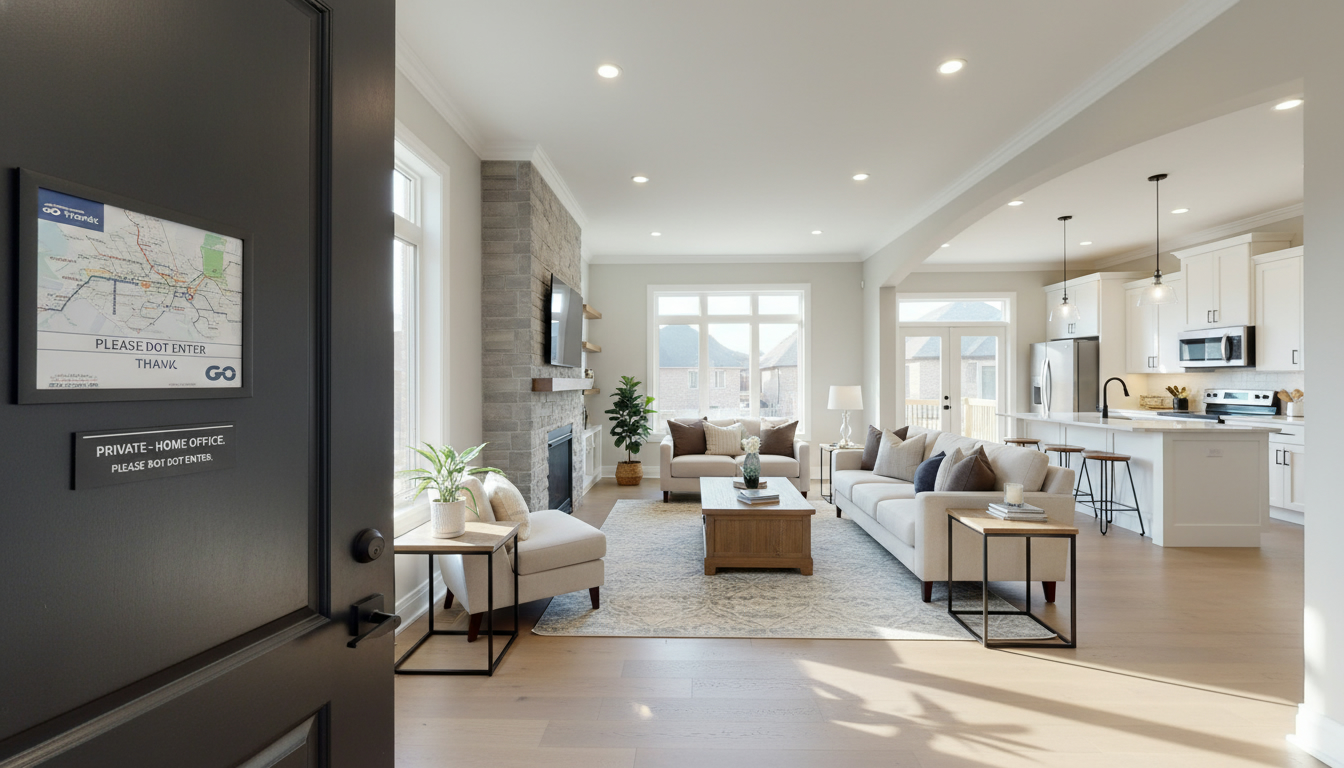
Should I lock certain rooms?
Is locking rooms while selling your Georgetown home hurting your sale? Here’s the blunt, tactical answer buyers’ decisions come down to: trust, flow, and perceived value.
Quick clickbait line
Should you lock rooms during showings? Locking the wrong rooms can tank offers. Locking the right ones protects you and keeps buyers interested.
Why this matters for sellers in Georgetown, ON
Georgetown is a tight market in Halton Hills. Buyers move fast when homes show well. When a property is shown with locked doors, buyers ask questions. Questions slow decisions. Slow decisions cost money. You want buyers to picture living in the home — uninterrupted. That’s how you get stronger offers, shorter sale windows, and fewer concessions.
This guide tells you exactly which rooms to lock, which to leave open, how to communicate with your agent and buyers, and how to protect your family and valuables without cutting your sale price.
Rule #1: Don’t hide anything that affects value
Buyers judge flow and layout quickly. Locked bedrooms, locked basements, or locked storage areas make buyers suspect there’s a problem. They imagine damp, mold, structural issues, or unfinished work. If a room affects the home’s livability or square footage, leave it unlocked and clean.
Rooms you should never lock during showings unless absolutely necessary:
- Main bedrooms
- Bathrooms (leave them spotless)
- Kitchen
- Living and dining areas
- Finished basements that add usable square footage
If buyers can’t see these spaces, they will discount the home or walk away.
Rule #2: Lock private or high-risk rooms
Not every room needs to be open. Protect personal items and reduce risk by locking rooms that don’t add buyer value or that contain sensitive items.
Rooms you can lock with confidence:
- Home office with client or personal files
- Rooms with sensitive documents or valuable collections
- Closets full of personal items you won’t stage
- Rooms under renovation that aren’t finished
- Secondary garages or storage rooms that don’t affect the main living experience
Locking these spaces is fine as long as your agent tells buyers what’s locked and why. Transparency prevents suspicion.
How to lock rooms the right way
Locking is a strategy, not a cover-up. Follow these steps:
- Tell your realtor upfront which rooms are locked and why. They will manage buyer expectations.
- Create a short note for buyers and agents that explains what’s locked (e.g., “Home office: personal items — not part of the showing.”)
- Keep the lock simple and professional—use a door lock or temporary padlock, not taped notes or messy barricades.
- Offer a quick virtual tour of locked rooms if they affect perceived value. A short video or 360° photo eases buyer concerns.
Staging and flow: why unlocked rooms win
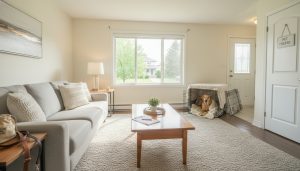
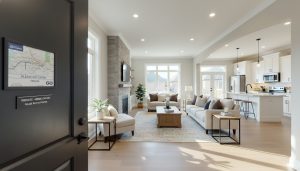
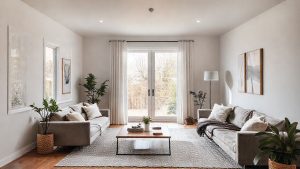
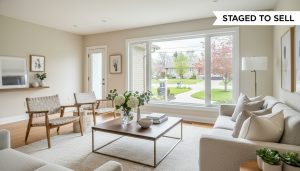
Buyers buy lifestyle. Open doors lead their eye from space to space. A home that flows well appears larger and feels move-in ready. Staged, open rooms let buyers imagine where their furniture goes and how they’ll live.
Specific staging tips for Georgetown sellers:
- Maximize natural light; Georgetown buyers respond to bright, airy spaces. Open curtains and blinds before a showing.
- Highlight local perks: show proximity to GO Transit, parks, and schools with neighborhood info in a folder—don’t lock the living areas used to illustrate that lifestyle.
- If weather is a factor (Georgetown gets cold winters), ensure heating is on for showings and avoid closed-off rooms that appear unused.
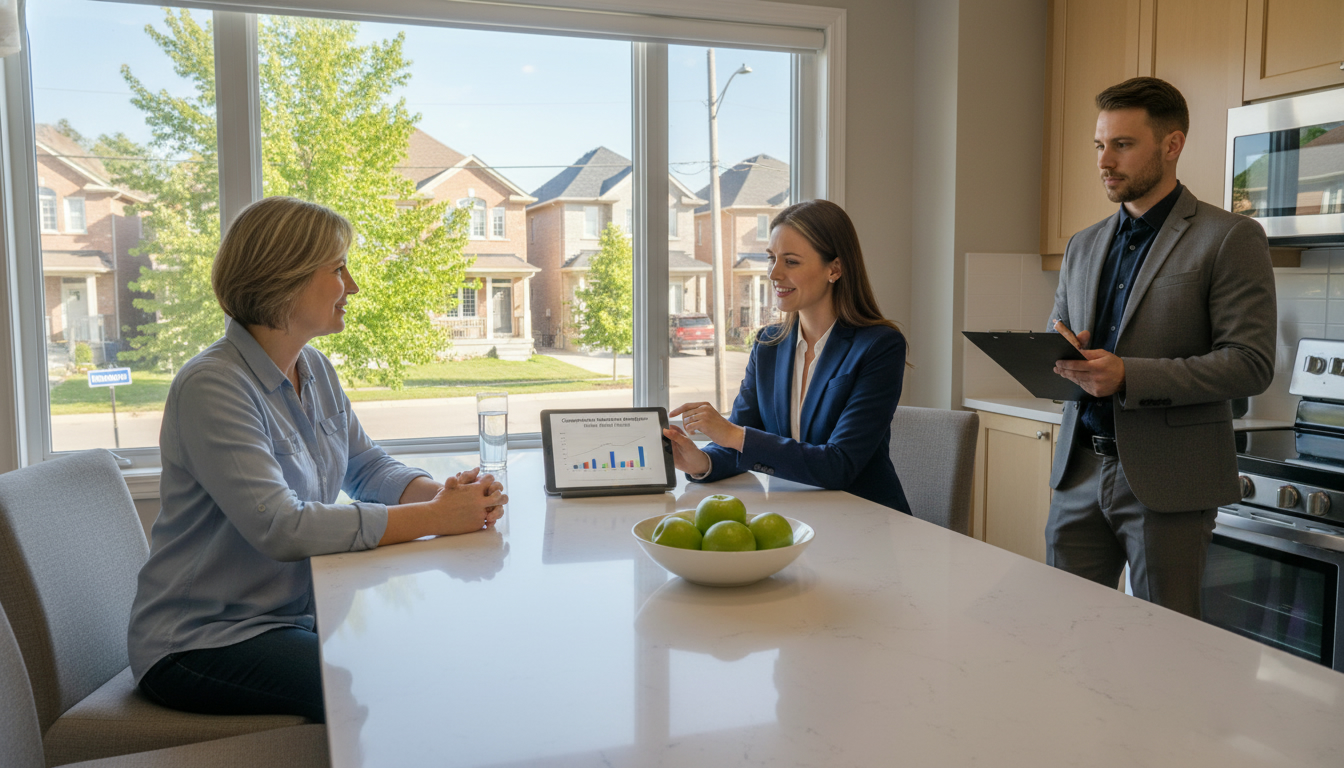
Safety and liability: protect while showing
Safety matters. You’re inviting strangers into your home. Locking some rooms can reduce liability and keep valuables safe. Do this:
- Remove or lock up small valuables and personal documents.
- Secure firearms and medications off-site or in a locked safe.
- Put family photos and overly personal items in a box; buyers want neutral space.
- Make sure basements and attics have safe access; if they’re hazardous, lock them and disclose the reason.
Note: In Ontario, sellers must disclose known material defects. Don’t use locked rooms to hide issues that must legally be disclosed.
Open houses vs private showings
Open houses change the calculus.
- Open houses: More strangers. Lock private rooms and valuables. Make high-value areas inaccessible. But leave main living areas open and staged.
- Private showings: Lower traffic. Consider unlocking more rooms if they add value. Your agent should vet buyers first.
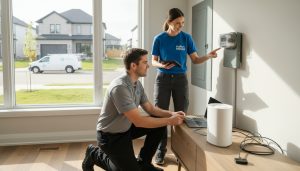
In both cases, your realtor should be present or use biometric lockboxes and appointment-only access to control flow.
Virtual tours: a powerful alternative
If you’re worried about privacy, use virtual tours. A professional agent can record a walkthrough that includes locked rooms—minus personal items. This reduces the need for in-person tours and filters serious buyers.
Tips for virtual tours:
- Stage the room first; virtual tours last forever.
- Include short clips of rooms you might want closed during physical showings.
- Use clear captions to explain locked or unavailable spaces.
Communication is the weapon here
A locked door becomes an issue only when buyers feel misled. Avoid that by using direct messaging:
- On MLS and the listing sheet, note which rooms are not part of the showing and why.
- When buyers arrive, the agent should explain what’s locked and offer to provide more information or photos.
- If a buyer requests access, make it easy: your agent can schedule a supervised walkthrough or unlock after a quick interview.
Honesty equals trust. Trust turns showings into offers.
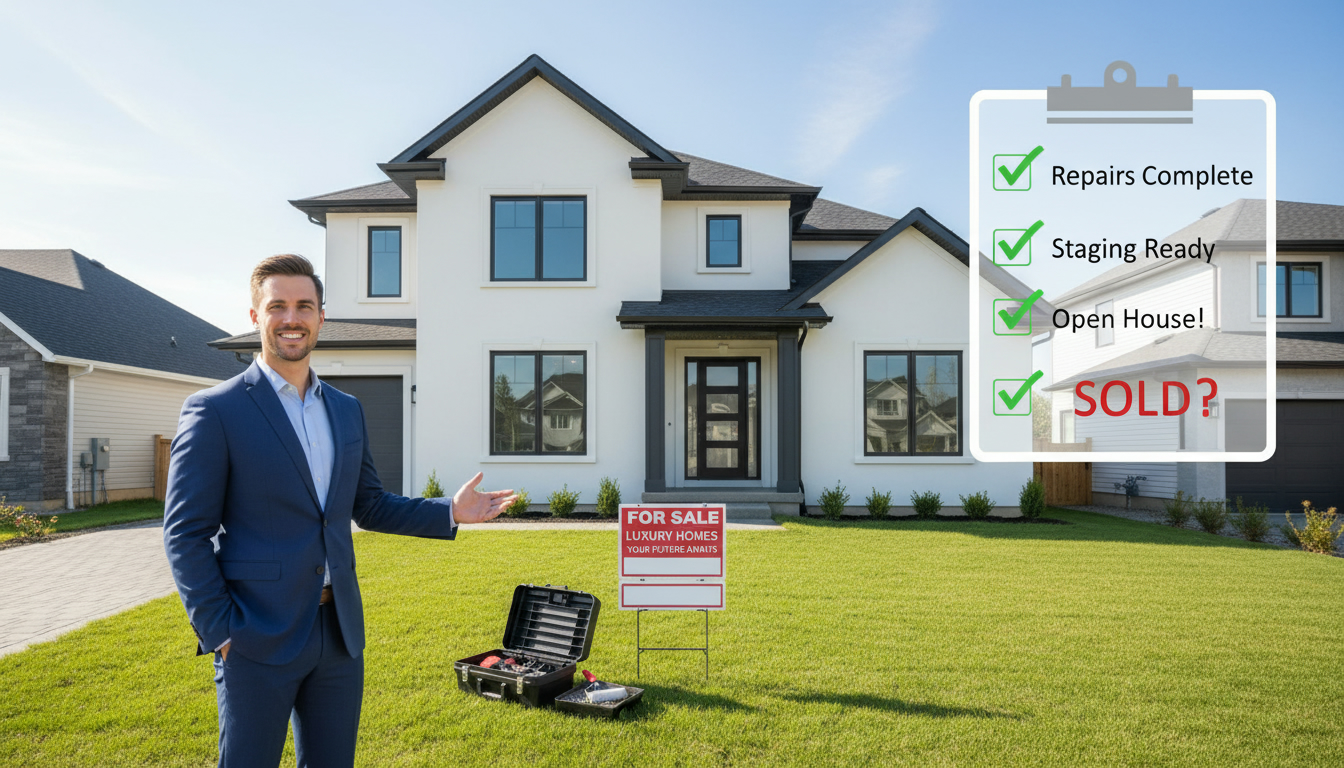
Local market considerations for Georgetown sellers
Georgetown buyers are looking for space, commute options, and family-friendly neighborhoods. Small inconveniences or perceived problems become bargaining chips here.
- If your home’s finished basement adds significant square footage, keep it unlocked. Buyers in Georgetown value usable lower-level space.
- If you live near the GO station or schools, highlight that in the open rooms—leave them accessible for buyers to imagine the commute or school run.
- Older homes in Georgetown may have mechanical rooms or attics. If these spaces are in poor condition, disclose and lock them. Better to be honest than leave buyers surprised.
What your agent should do (and what only an authority can do)
A top agent does three things when you’re selling while living in the home:
- Protects your privacy and property.
- Maximizes buyer access to high-value spaces.
- Communicates proactively to remove buyer friction.
That’s where experience matters. A local authority will know which rooms buyers in Georgetown need to see and which can safely remain private. They’ll manage expectations and prevent lost offers.
Practical checklist for the week before listing
- Decide which rooms will be locked and why.
- Remove valuables and personal items from sight.
- Stage and deep-clean all rooms you’ll leave open.
- Create a short disclosure note for locked rooms and give it to your agent.
- Record quick virtual shots of locked rooms in case buyers ask.
- Ensure heating/AC and lighting work for the next showing.
Conclusion — be smart, not secretive
Lock rooms to protect what matters. Don’t lock rooms that define the home’s value. Transparency and staging win more offers than secrecy. If you want a strategic plan tailored to Georgetown’s market, talk to a proven local expert who sells houses fast and for the right price.
Want help deciding which rooms to lock and how to present your home so you get maximum offers fast? Contact Tony Sousa — Georgetown’s trusted real estate authority.
Tony Sousa
Email: tony@sousasells.ca
Phone: 416-477-2620
Website: https://www.sousasells.ca
FAQ — Selling While Living in the Home: Locked Rooms and Practical Answers
Q: Will locking rooms reduce my sale price?
A: If you lock rooms that affect usable square footage or flow, yes. Buyers discount for uncertainty. Lock rooms that don’t influence value or provide personal privacy. Offer virtual tours or photos for locked rooms to reduce negative impact.
Q: Is it legal to lock rooms during showings in Ontario?
A: Yes. You can lock private rooms. But you must disclose known defects. Locking cannot be used to hide material problems. Be upfront about any issues tied to locked areas.
Q: Should I lock the basement?
A: If it’s finished and increases living space, don’t lock it. If it’s under renovation or has safety issues, lock it and disclose the condition.
Q: What about sensitive items like firearms, jewelry, or documents?
A: Remove them from the home or secure them in a locked safe. If that’s not possible, lock the room and have your agent explain why. For peace of mind, store high-value items off-site while the house is on the market.
Q: How do I handle showings with children and pets?
A: Secure children and pets in a separate room, with caregiver or off-site if possible. Lock rooms with family items and ensure the rest of the home is clean and neutral. Disclose pet access areas if relevant.
Q: Can I require buyers to remove shoes or wear booties?
A: Yes. You can request shoes off or booties during showings. Many agents provide disposable booties for open houses. Keep it professional and friendly.
Q: Should I use a lockbox or have the agent present?
A: For occupied homes, having the agent present for showings limits risk. If using a lockbox, ensure it’s appointment-only and your agent screens visitors.
Q: How do I document locked rooms and disclosures?
A: Provide a written list for your agent and include notes in the MLS remarks or property information package. Keep copies for your records.
Q: How can a top local agent help me with this?
A: A skilled Georgetown agent knows what buyers must see and what they won’t miss. They manage showings, craft disclosures, and use virtual content to minimize disruption. They get you top offers without exposing your family or valuables.
Want a custom room-lock strategy tailored to your home and Georgetown’s buyers? Contact Tony Sousa: tony@sousasells.ca | 416-477-2620 | https://www.sousasells.ca