Should I lock certain rooms?
Should you lock certain rooms when selling your home in Milton, ON? Read this first — it could cost you a sale.
You can protect your privacy without killing your sale. I’m going to be blunt: buyers hate surprises. Locked rooms scream “something to hide.” But leaving everything open invites risk. The goal is simple: protect what matters and sell faster, for more. This guide tells you exactly which rooms to lock, which to leave open, and what to do before every showing — with real, Milton-specific advice you can use today.
Why this matters in Milton
Milton is a commuter city with growing demand. Buyers here are often young families and professionals commuting to Toronto via GO Transit. They want move-in-ready, honest homes in convenient neighbourhoods. Agents bring multiple showings, quick offers, and comparisons to nearby Acton, Georgetown and Burlington.
If your house feels closed-off or secretive, buyers pause. In a competitive Milton market, hesitation becomes lower offers or no offers at all. Yet Milton sellers also worry about family privacy, sensitive documents, and expensive tools or collectibles. The right approach balances trust with security.

The bottom-line rule
Do not lock rooms that are central to a buyer’s decision-making: kitchen, main-floor living spaces, basement finished rooms, master bedroom (unless essential). Lock at most 1–2 rooms that contain valuables or sensitive personal items. Anything beyond that raises red flags.
Rooms you should usually leave unlocked
- Main floor living room and kitchen: buyers need to see flow and size.
- Basement (if finished) and rec rooms: buyers expect access to usable square footage.
- Bathrooms on main levels: even if vacant, buyers want to imagine daily life.
- Garage if it’s part of the living experience: show storage and parking.
Leaving these unlocked helps buyers mentally move in. It speeds decision-making and reduces suspicious questions.
Rooms you can lock — and how to do it right
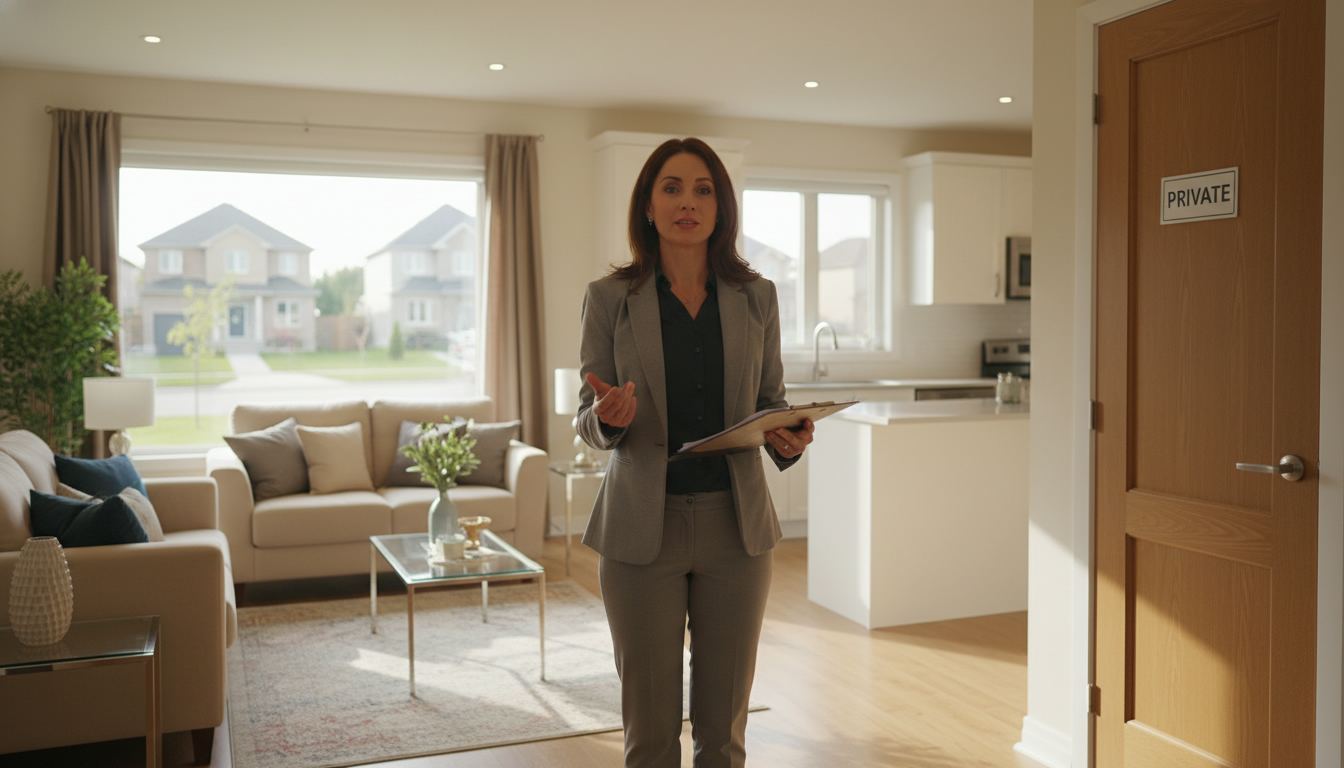
- Home office with client files or personal records: lock it and remove sensitive material. Consider a note on the door that explains why (“private office — personal files removed for privacy”).
- Spare bedroom used for storage of expensive items or private collections: lock it and remove or hide high-value items before listing.
- Rooms with valuables like jewelry, firearms, or large sums of cash: remove these from the home or secure them in a bank box.
How to do it right:
- Limit locked rooms to one or two maximum.
- Remove or hide proof of why the room is locked (boxes, piles of personal papers). Buyers assume the worst when they find clutter behind a locked door.
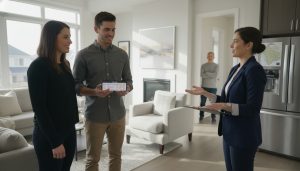
- Tell your agent which rooms are locked and why. They will address buyer concerns in person.
Open houses vs private showings
Open house: never lock key rooms. An open house is about trust and flow. Locked rooms look like red flags and upset foot traffic.
Private showings: locking a home office or a spare bedroom is fine—if handled transparently. Let your agent explain the lock for privacy and offer to show photos or a short virtual tour if buyers ask.
Staging alternatives to locking
If privacy is the concern, don’t lock — stage and secure:
- Remove valuables and personal documents from the home entirely.
- Use storage units or a temporary safe for jewelry and sensitive papers.
- Convert a room into staged, neutral space so buyers can see potential rather than storage.
- Use a “by appointment only” showing window to control access if you must keep more rooms private.
Staging makes the house feel spacious and honest — a huge advantage in Milton where buyers compare multiple listings quickly.
How locked rooms affect price and offers
Locked rooms raise buyer skepticism. They can:
- Lower perceived transparency and reduce trust.
- Trigger requests for lower offers or inspection contingencies.
- Slow the sale because buyers schedule second visits to confirm nothing is wrong.
The fix: limit locked rooms and present a clear reason. When buyers feel respected and informed, they pay more and close faster.
Quick pre-showing checklist (60 seconds)
- Remove or lock small valuables and documents.
- Close and unlock all doors buyers should see.
- Turn on lights in key rooms.
- Quiet pets and remove signs of daily life.
- Leave a note for buyers if a small room is locked, explaining why in one sentence.
Do this for every showing. Consistency wins offers.
What to tell buyers and agents
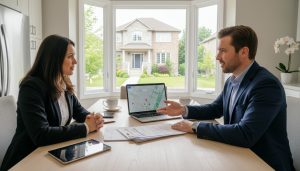
Don’t say “we don’t want people in there.” Say one clear sentence: “That room contains private files and is not shown during tours; I’ve removed any items I don’t want in the home and can provide photos on request.” Keep it short. Buyers accept privacy when it’s professional.
Your agent should:
- Be the default gatekeeper during showings.
- Explain locked rooms calmly and professionally.
- Offer follow-up visuals or a supervised walkthrough if reasonable.
Legal and disclosure notes for Ontario sellers
There’s no Ontario law that stops you from locking rooms during showings. But be careful with anything that’s part of the property sale. If a locked room contains built-in features that convey with the property (e.g., built-in cabinetry, finished basement spaces), be ready to clarify what stays. Always disclose material facts that affect value or safety (e.g., structural issues found in a locked area once inspected).
If a buyer requests inspection access before closing, cooperate. Refusing access can lead to contract disputes.
Milton-specific tactics that work
- Peak commuting times: schedule showings outside GO morning queues. Buyers touring on weekends want quick, transparent visits.
- Family-focused staging: Milton buyers are often looking for kid-friendly layout and backyard space. Keep bedroom flow visible.
- Outdoor features: trails and conservation areas around Milton are selling points — leave access to backyards and patios unlocked.
- Work-from-home rooms: highlight any home office as a feature. If you must keep it private, show it via photos or a tidy staged sample.
Local buyers value honesty and condition. Agents in Milton will push suspicious listings aside. Don’t give them a reason.
Practical tips for high-value items
- Take jewelry, passports, and sensitive documents to a bank or safe-deposit box.
- Store expensive tools or equipment off-site during heavy showing periods.
- If firearms are present, store them securely according to Canadian law and consider off-site storage while selling.
Protecting valuables is smart. Hiding them behind locks and clutter is not.
Final play: what to do the week before your listing
- Walk the house with your agent and decide which rooms, if any, will be locked. Limit to 1–2.
- Remove valuables and personal records from the property.
- Stage every main room so buyers can imagine living there.
- Set clear showing rules (open house rules, private showing windows).
- Ask your agent to prepare messaging for buyers about any locked rooms.
Do this and you’ll reduce buyer friction, protect your privacy, and keep offers competitive.

Call to action
Selling while living in the home is a balancing act. Get the plan right and you keep privacy without losing buyers. Get help from a pro who knows Milton. For a no-pressure consultation and a showing-ready checklist tailored to your house, contact Tony Sousa at tony@sousasells.ca or call 416-477-2620. Visit https://www.sousasells.ca for local market insights and listings.
FAQ — Quick answers for Milton sellers
Can I lock my home office during showings?
Yes. Limit locked rooms, clear or remove sensitive material, and let your agent explain the reason. Offer photos or a supervised walkthrough if requested.
Will locked rooms hurt my sale in Milton?
If overused, yes. One or two locked rooms handled transparently won’t kill a sale, but multiple locked rooms create suspicion and can lower offers.
Should I lock rooms during an open house?
No. Open houses are about trust and flow. Locked rooms make buyers doubtful.
Are there legal issues in Ontario with locking rooms?
No law prevents you from locking rooms for privacy. Be ready to disclose material facts and allow inspection access when required by contract.
Where should I store valuables while selling?
Bank safe-deposit boxes, short-term storage units, or trusted family members. Remove passports, jewelry, and sensitive documents from the property.
How many rooms can I reasonably lock?
Keep it to one or two maximum. Too many locked rooms suggest problems.
How do Milton buyers view locked rooms?
Local buyers expect transparency. They’ll tolerate privacy for legitimate reasons but respond better to staged, open spaces.
Who handles locked-room questions during showings?
Your listing agent. They should explain the reason professionally and offer alternatives like photos or supervised views.
Selling while living in the home works when you follow rules. Protect what matters. Be transparent about the rest. For a Milton-focused plan and a showing checklist customized to your house, contact Tony Sousa at tony@sousasells.ca or 416-477-2620. Visit https://www.sousasells.ca.