
Should I invest in condos or houses for rental?
Condos or houses for rental in Milton — which turns a quicker profit and holds resale value? Here’s the blunt answer.
Quick take
If you want lower entry cost, easier tenant turnover, and higher initial cash-on-cash: lean condo. If you want stronger long-term resale, higher rent ceiling, and more control: lean house. Milton’s growth makes both viable. The correct choice depends on your goals, finances, and willingness to manage risk.
Why Milton matters right now
Milton is one of the fastest-growing markets in the Greater Toronto Area. It draws commuters, young families, and developers. That creates two things every investor wants: steady rental demand and long-term price appreciation. Transit access (Milton GO), new infrastructure, and constrained land supply inside the town push demand for both rental houses and condos.
But Milton is not Toronto. You won’t get the same cap-rate dynamics. You must analyze local rent growth, condo fees, property taxes, and resale demand the way a pro does.

Two short, brutal frameworks to choose
- Time horizon: Less than 5 years → condo often wins. More than 7–10 years → house often wins.
- Primary goal: Cash flow now → condo. Wealth growth + resale upside → house.
Data-driven signals to inspect on every property (do these first)
- Rent-to-price ratio (gross yield). Take expected annual rent ÷ purchase price. In Milton, acceptable gross yield for a condo in 2023–24 often sits higher than inner-Toronto condos, but still commonly falls in the 3%-5% range. Houses may show similar or slightly lower yields, but with stronger appreciation potential.
- Net yield (cap rate). Subtract operating expenses: condo fees, taxes, insurance, utilities, vacancy, and maintenance. Condo fees can kill cash flow if you don’t price them into the deal.
- Vacancy and tenant profile. Milton’s renter base is largely commuting professionals and young families. Vacancy rates in the GTA have been tight; that supports rental pricing and lowers vacancy risk.
- Resale demand and supply. Single-family homes in Milton face land constraints and zoning limits—more scarcity over time. Condos have higher supply pipelines, which can pressure appreciation.
Condo advantages in Milton
- Lower entry price: You can buy sooner, scale faster, and diversify your portfolio.
- Tenant pool: Young professionals and students prefer condos for convenience. Shorter vacancy windows.
- Less maintenance: Building warranties and management handle many fixes. Good for remote investors.
- Predictable cash flows: If you buy in a stable building with reasonable condo fees and a strong reserve fund.
Condo risks and hidden costs
- Condo fees: These can rise and are often non-negotiable. Factor 25–50% of gross rent into expenses if fees are high.
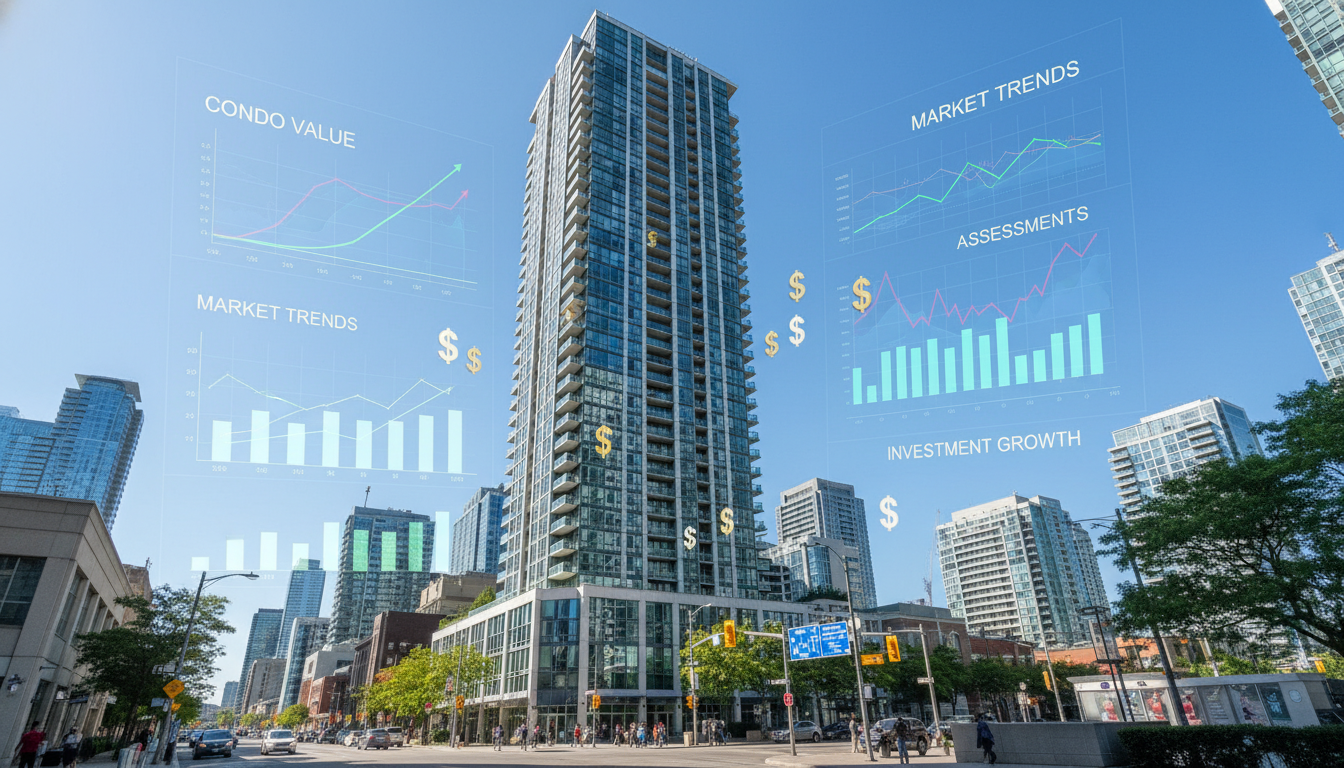
- Special assessments: Older buildings may levy surprise fees for repairs.
- Appreciation cap: New condo supply can compress price growth.
- Rental restrictions and bylaws: Some condo boards restrict rentals.
House advantages in Milton
- Higher resale potential: Land value appreciation drives long-term returns.
- Rent premium: Families pay more for space, private yards, and garages. Longer-term tenants.
- Control: You decide renovations and upgrades that directly increase value.
- Stable supply: Single-family lots are limited in Milton, especially in established neighbourhoods.
House risks and hidden costs
- Higher entry cost and mortgage requirement.
- Maintenance and capital expenditures are bigger.
- Vacancy risk during sale window if market softens.
- Tenant damage risk tends to be higher for houses with yards and systems to maintain.
How to compare two real properties in Milton — step-by-step (use a spreadsheet)
- Purchase price and closing costs.
- Annual rental income estimate (conservative: 95% occupancy).
- Annual expenses: property tax, condo fee (if applicable), insurance, maintenance reserve (1% house, 0.5% condo), management fee (8–10%), utilities paid by owner, HOA or special charges.
- Mortgage: interest rate, amortization; compute annual debt service.
- Cash flow before tax = Rent – Expenses – Debt service.
- Cap rate = Net operating income ÷ Purchase price.
- Cash-on-cash return = Annual cash flow ÷ down payment.
- 5- and 10-year resale scenarios using conservative appreciation assumptions: 2%–4% annual for condos, 3%–6% for houses in growth corridors.
If the house blows up your monthly cash flow but shows better 10-year IRR, ask yourself: are you investing for passive cash flow or equity growth?
Milton-specific tactical rules I use with clients
- Rule A: Avoid condos with condo fees that exceed 35% of gross rent. They compress returns fast.
- Rule B: For houses, model a 6% maintenance/upgrade reserve in early years if you plan to renovate for higher rents.
- Rule C: Target neighbourhoods near Milton GO, schools, and retail nodes. Shorter commutes equal broader renter demand.
- Rule D: Prioritize units without rental restrictions in condo documents.

Local market trends to watch (now and next 12–36 months)
- New condo supply: Substantial development pipelines can slow appreciation in certain pockets. Track building approvals and pre-construction closings.
- Family housing tightness: As Milton grows, low-rise inventory stays constrained. That supports house pricing and rent premiums.
- Interest rates and mortgage stress tests: Rate moves affect buyer pool and cap rates quickly. Lock in stress-tested scenarios.
- Employment and commuting patterns: Hybrid work supports Milton; more remote work could reduce commuter-driven demand but increase local rental demand from families.
Quick scenario (example) — Conservative comparison
- Condo: Purchase $600k, rent $2,200/month, condo fee $450/month. Net ≈ tighter cash flow; cap rate ~3–4% depending on expenses.
- House: Purchase $1M, rent $3,500/month, maintenance higher. Net ≈ lower immediate cash flow but likely stronger resale and rent growth over 5–10 years.
Numbers vary. Run your own spreadsheet. Local markets can flip cap rates quickly.
Actionable checklist before you sign
- Verify condo bylaws for rental limits.
- Obtain historical condo fee increases and status of the reserve fund.
- Get 3 years of rental comps in that micro-neighbourhood.
- Confirm property tax history and expected reassessment trends.
- Inspect long-term maintenance needs for houses (roof, furnace, windows).
- Run both conservative and optimistic resale scenarios.
Scaling strategy (how to build a portfolio in Milton)
- Start with a condo to get leverage and learn property management without heavy capital expense.
- Reinvest cash flow and refinance after 18–36 months to buy a small house when equity accumulates.
- Target a 60/40 split (60% condos, 40% houses) early in the portfolio if your priority is cash flow and scaling, then tilt to houses as equity and market clarity grows.

When to choose one over the other — final quick rules
- Buy a condo if: you need faster cash-on-cash returns, lower maintenance, and you’re scaling quickly.
- Buy a house if: you want long-term wealth, higher resale upside, and you can accept lower short-term cash flow.
Why work with a Milton specialist
Local know-how changes the outcome. You need an agent who reads condo budgets, knows which neighbourhoods are supply-constrained, and can project resale demand. That’s the difference between a property that sits and one that outperforms.
If you want a short, no-fluff analysis on a specific Milton condo or house, I provide a 6-point investment health-check and a 10-year outlook customized to the exact address.
Contact: Tony Sousa — tony@sousasells.ca • 416-477-2620 • https://www.sousasells.ca
Frequently Asked Questions (FAQ)
Q: Which gives better returns in Milton: condos or houses?
A: Houses generally offer stronger long-term resale and rent growth. Condos often provide faster cash flow and easier scaling. The right pick depends on your horizon and risk tolerance.
Q: Do condo fees kill returns in Milton?
A: They can. If fees are more than ~35% of gross rent, the unit will likely underperform. Always confirm fee history and reserve fund health.
Q: How much down payment should I expect to invest?
A: For condos you can start with 20% to avoid mortgage insurance; for rental houses 25%+ is common. Loan terms and rates change, so confirm current lender requirements.
Q: What cap rate should I expect in Milton?
A: Cap rates in Milton are compressed compared to smaller towns. Expect low-to-mid single digits for well-located properties. Always calculate using local expenses and conservative rent.
Q: Is Milton’s rental demand stable?
A: Yes. Population growth, commuter access, and family-friendly neighbourhoods create steady demand. Monitor new supply in targeted micro-markets.
Q: Should I hire a property manager?
A: If you own multiple units, live out of town, or want passive income, yes. Factor 8–10% management fee into your numbers.
Q: How do I protect resale value?
A: Buy in established or transit-adjacent neighbourhoods, avoid rental-restricted condos, maintain a renovation schedule that targets functional upgrades (kitchen, bathrooms, curb appeal).
Q: What’s the single biggest mistake new investors make in Milton?
A: Ignoring condo fees and reserve fund issues, or over-leveraging on a house without modeling stress-test scenarios for rates and vacancies.
If you want a free, specific comparison (condo vs house) for an exact Milton address, email Tony Sousa at tony@sousasells.ca or call 416-477-2620. He’ll run the numbers and give a clear recommendation tailored to your financial goals.