Are there special rules for properties in
conservation areas?
Want to buy or renovate in Milton’s conservation area? Here’s the blunt truth about rules that will stop a build or save you money.
Quick answer
Yes. Properties inside or near conservation areas in Milton, ON face special rules. These rules control building, grading, filling, shoreline work, tree removal and anything that affects natural hazards, wetlands, slopes or waterways. You must follow conservation authority permits, provincial plans (Greenbelt, Niagara Escarpment), and municipal bylaws.
Why this matters now
If you ignore conservation area rules you risk fines, halted construction, denied permits and big resale headaches. Buyers, sellers, and renovators in Milton must treat conservation rules as core legal and documentation issues — not optional addons.
Who enforces the rules in Milton
- Conservation Halton is the primary authority for Milton. They regulate hazard lands, wetlands, shoreline work and slope control.
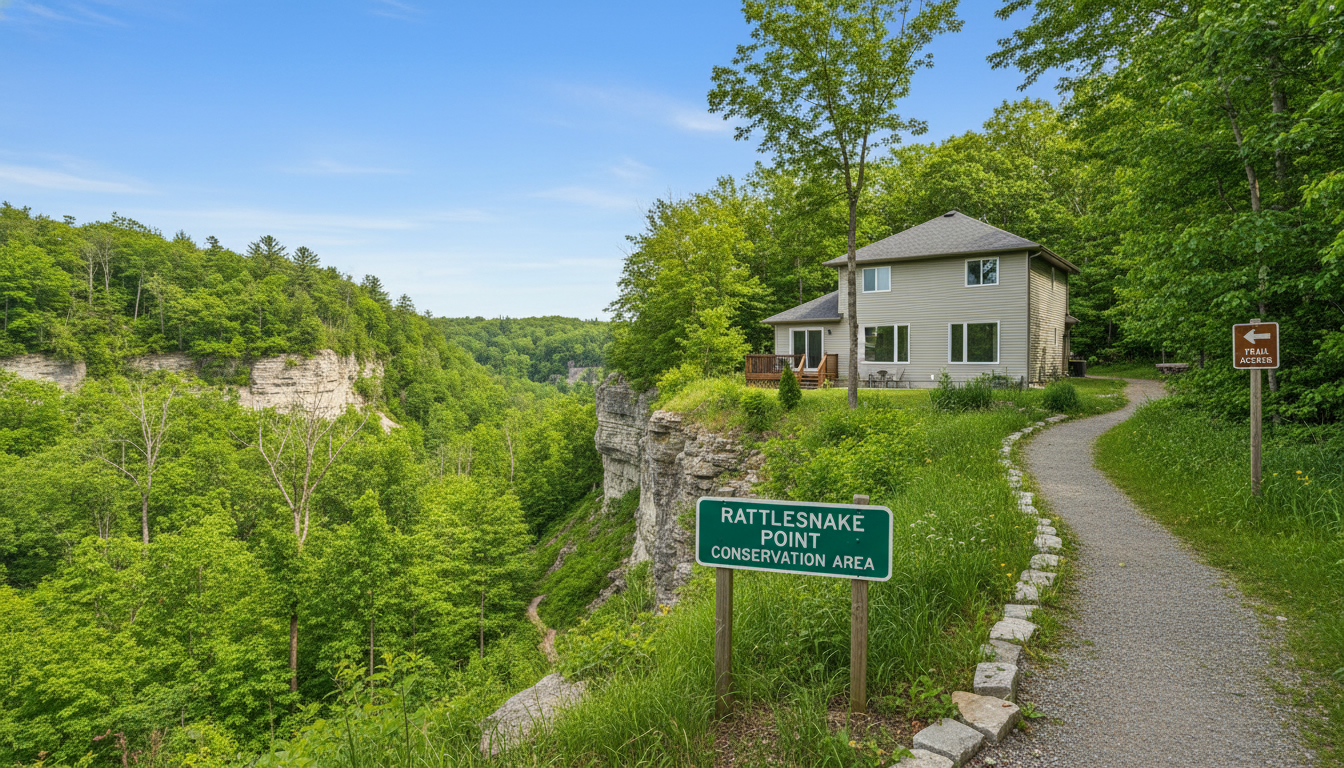
- The Niagara Escarpment Commission (NEC) enforces rules at Rattlesnake Point and other escarpment lands.
- Provincial plans like the Greenbelt can add more restrictions in protected areas.
- The Town of Milton enforces local planning rules and building permits.
All four interact. A single project may need sign-off from Conservation Halton, NEC, the Province and the Town.

The core rules you must know — plain and simple
- Regulated areas: Conservation authorities map regulated lands (floodplain, wetlands, unstable slopes). If the property sits in a regulated area you need a permit for most changes.
- Development controls: New buildings, additions, decks, driveways, septic work and even new landscaping or fill often require a permit.
- Watercourse and shoreline work: Any work near creeks, rivers, lakes or wetlands needs explicit approval.
- Tree removal and vegetation changes: Conservation Halton may limit tree cutting if it affects erosion control or habitat.
- Slope and top-of-bank protection: There are strict rules for building near steep slopes and escarpment edges. Setbacks are enforced, often more stringent than municipal rules.
- Environmental studies: Large or risky projects typically require geotechnical, hydrogeological or environmental impact reports.
- Enforcement and fines: Work without a permit can trigger stop-work orders, restoration orders and fines.
How these rules specifically apply to Milton, ON
- Rattlesnake Point, Crawford Lake and Mountsberg fall under Conservation Halton and NEC control. These areas have layered rules: conservation authority hazard rules plus escarpment land-use rules.
- Many Milton properties border escarpment slopes, kettle ponds and creeks. That means simple renovations—adding a deck, building a pool, or regrading a yard—can trigger permit requirements.
- The Greenbelt and regional planning policies can limit lot coverage, severances and major land-use changes across parts of Milton.
- Conservation Halton’s online mapping tool gives a first-pass answer. But a mapping result is not a permit. Treat it as the starting point.
Real scenarios and what happens
- Scenario A — You want to add a garage: If the garage footprint sits in regulated land you’ll need a permit and a grading/ drainage plan. Expect to submit site plans and possibly a geotechnical report.
- Scenario B — You plan to regrade the backyard and add fill: Filling or altering the grade that affects water runoff almost always needs approval.
- Scenario C — You want to remove trees along the escarpment edge: Permission is often denied without a restoration plan and mitigation measures.
- Scenario D — You want to build a new home on a lot at the top of a slope: The NEC and Conservation Halton will both require studies and strict setbacks. Design changes are common.
Step-by-step permit checklist (Actionable)
- Confirm regulated status: Use Conservation Halton maps and NEC mapping for preliminary checks.
- Contact Conservation Halton early: Do a permit pre-check or land-use inquiry before making an offer.
- Ask the seller for documentation: existing permits, previous approvals, site alteration records, and environmental studies.
- Add a condition to your offer: ‘Subject to permit approvals from Conservation Halton/NEC as applicable’ — with clear timelines.
- Engage pros: engineer, environmental consultant, arborist or designer experienced with Milton conservation permits.
- Submit a complete application: site plan, photos, drawings, reports. Incomplete files delay approvals.
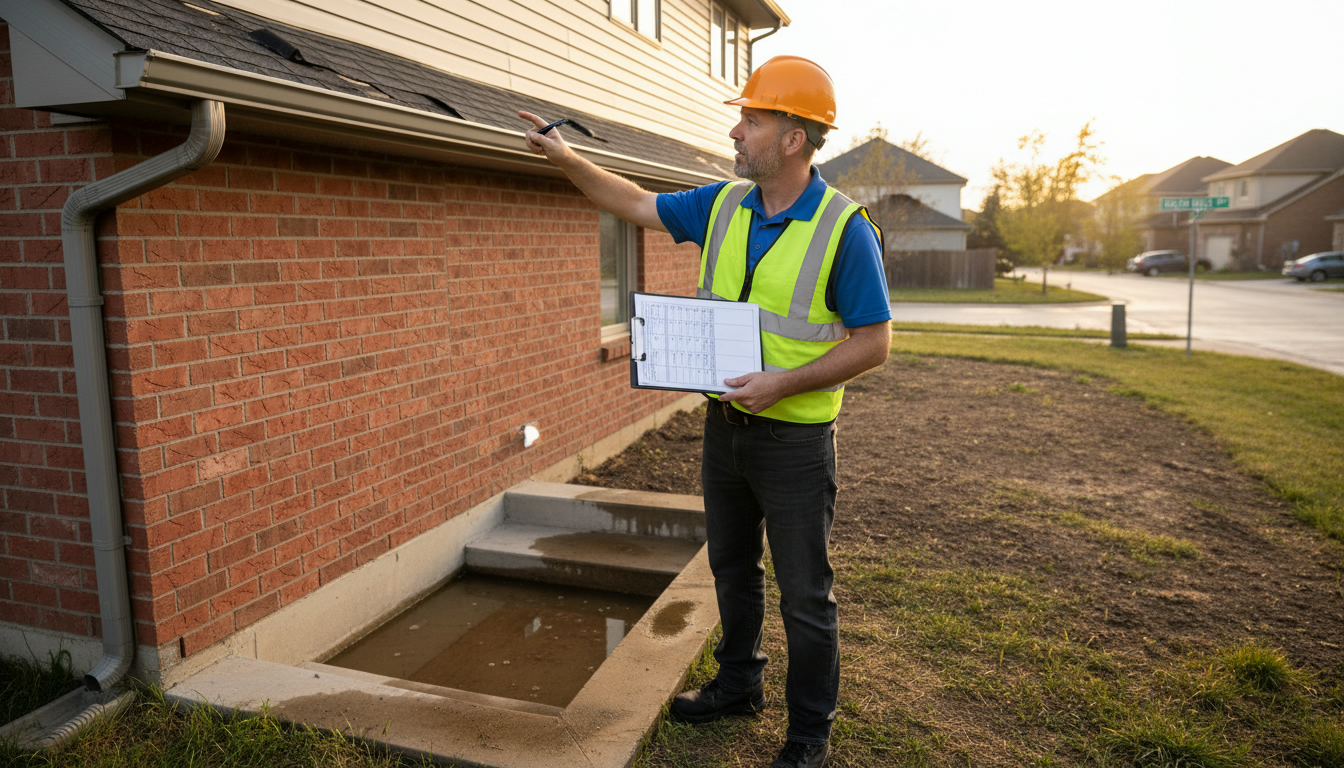
- Budget for time and cost: Studies and mitigation add cost. Plan 4–12+ weeks for standard permits; complex files take months.
- Obtain required municipal building permits after conservation approval.
Costs, timelines and common gotchas
- Costs: Permit fees are modest compared to study and consultant fees. Environmental reports and geotechnical studies are often the largest expense.
- Timelines: Simple permits: 4–8 weeks. Complex: several months. NEC or Greenbelt consultations can add time.
- Gotchas: Verbal promises are worthless. Permits issued to prior owners do not automatically transfer to new plans. Also, municipal building permits often require conservation clearance first.
Buying or selling in Milton’s conservation areas — practical rules
Buyers
- Don’t waive permit checks. A low price can turn into a large repair bill or forced replanting.
- Get a written letter from Conservation Halton or NEC clarifying what’s allowed.
- Include a firm condition in offers to allow time for permitting.
Sellers
- Disclose any conservation area constraints and provide copies of previous conservation permits and studies.
- Obtain pre-listing clearance if you plan renovations or lot alterations prior to sale.
Investors
- Factor conservation restrictions into ARV and redevelopment plans. You may not be able to add units or increase lot coverage.
How to get authoritative answers fast in Milton
- Use Conservation Halton’s regulated lands mapping and request a written review.
- Contact the Niagara Escarpment Commission for escarpment-specific rules.
- Town of Milton planning staff can confirm municipal rules and building permit interplay.
- Hire a local consultant who knows the local letter writers at Conservation Halton and NEC — it speeds approvals.
Example timeline for a typical renovation near a watercourse
- Week 1: Check mapping and contact Conservation Halton.
- Weeks 2–4: Engage engineer/ consultant and prepare full application.
- Weeks 5–10: Conservation Halton review and comments.
- Weeks 11–14: Applicant addresses comments, secures approval.
- Weeks 15+: Apply for municipal building permit and start work once all approvals are in place.

Why using a local realtor and expert matters
Milton’s conservation rules are layered and technical. A local realtor with experience in these areas saves money and time. They know what documentation Conservation Halton and NEC expect, how long approvals take, and what disclosures the Town of Milton requires.
If you’re buying, selling or renovating in Milton and need a strategic, real-world plan, contact Tony Sousa for a direct, no-fluff walk-through: tony@sousasells.ca | 416-477-2620 | https://www.sousasells.ca
FAQ — Common questions about conservation area property rules in Milton, Ontario
Q: Do I always need a permit to build on a property in a conservation area?
A: No. Small, non-invasive landscaping might not. But if the property is in a regulated area or the work affects a watercourse, slope, wetland or floodplain you will need a permit from Conservation Halton or the NEC.
Q: How do I check if a Milton property is in a regulated area?
A: Start with Conservation Halton’s online mapping and NEC maps. Then request a written land-use inquiry from Conservation Halton to confirm.
Q: Can I remove trees on a conservation-regulated lot?
A: Possibly, but it often requires permission. Tree removal that affects erosion control, slope stability or habitat may be limited and require mitigation or replanting.
Q: What if I already built without a permit?
A: Stop work immediately and contact Conservation Halton. Expect fines, restoration orders and potentially higher costs to meet regulations.
Q: Do conservation rules affect mortgages, insurance or property value?
A: Yes. Lenders and insurers review risk. Significant restrictions can affect mortgage approvals or policy terms. Full disclosure is essential at sale.
Q: Who should I hire to help with the permit application?
A: Local engineers, environmental consultants and planners experienced with Conservation Halton and the NEC. A realtor familiar with conservation area transactions is also critical.
Q: How long does approval take?
A: Simple permits: 4–8 weeks. Complex files: months. Early consultation and complete submissions speed the process.
Q: What are the penalties for non-compliance?
A: Stop-work orders, restoration mandates, legal fines and possible court action.
Q: Are there additional protections for escarpment lands in Milton?
A: Yes. The Niagara Escarpment Commission controls land use on the escarpment and adds layers of rules beyond the conservation authority.
Q: Where can I get official, up-to-date guidance?
A: Contact Conservation Halton and the Niagara Escarpment Commission. For property-specific strategy, contact a local realtor or consultant.
No guesswork. No surprises. If you’re serious about buying, selling or renovating in Milton’s conservation areas, get the facts before you sign. For a clear, local plan and direct help: tony@sousasells.ca | 416-477-2620 | https://www.sousasells.ca