

Should I offer incentives to buyers?
Thinking of offering incentives to buyers? Here’s the blunt answer you should read before you list.
The tough question: Should I offer incentives to buyers?
Short answer: sometimes. But only when it makes the deal faster, cleaner, and nets you more money after fees. Don’t give away value. Shift value.
Georgetown’s market is local, fast, and picky. I’m Tony Sousa, a local realtor working every street from Main Street to the Escarpment. I evaluate incentives not as gimmicks, but as negotiation tools. Used correctly they convert reluctant offers into firm sales. Used poorly they cut your net proceeds and attract the wrong buyers.
Why incentives work — and why most sellers use them wrong
Incentives change the buyer’s calculus. They reduce friction: closing costs, mortgage stress, inspection headaches, and timing problems. In a balanced or cooling market, an incentive can make your property stand out without slashing the list price. That’s the key: don’t lower perceived value. Redirect value toward the buyer where it matters.
What most sellers do wrong:
- Offer a blanket discount instead of a targeted incentive.
- Pick incentives that interfere with lender rules or appraisal requirements.
- Fail to quantify how the incentive affects net proceeds.
Do this instead: pick one or two targeted incentives that solve local buyer problems in Georgetown.
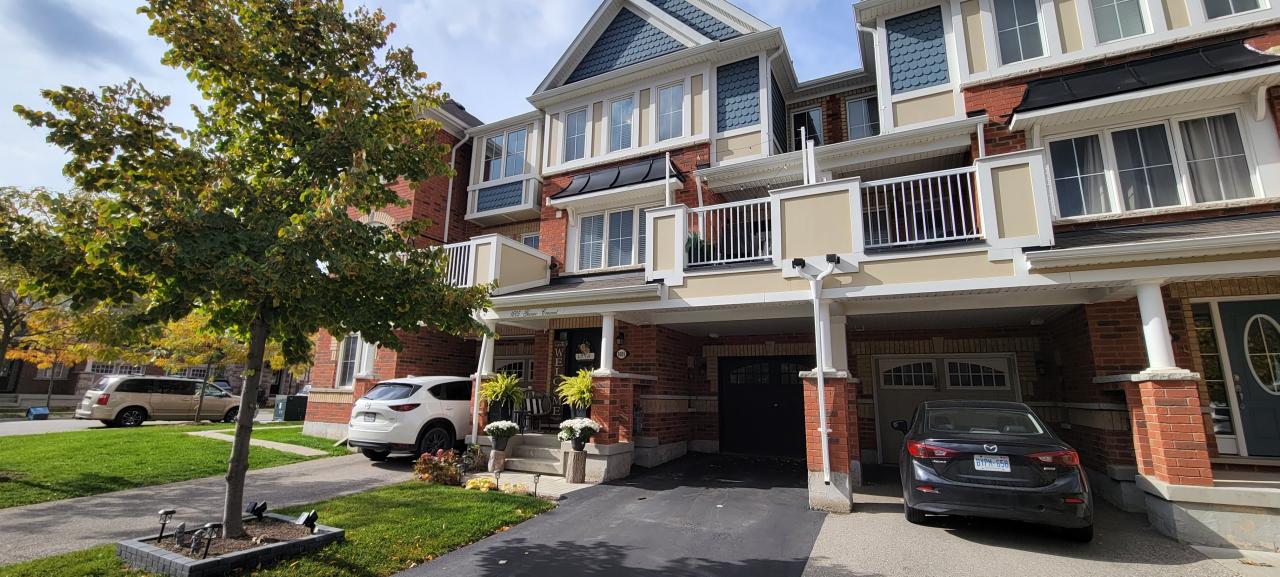
Common seller incentives that work in Georgetown, ON
- Seller credit at closing (toward closing costs or repair holdbacks). Simple. Transparent. Works with most mortgage lenders.
- Home warranty paid for a year. Great for older Victorian or bungalow buyers worried about expensive repairs.
- Flexible closing date to match the buyer’s mortgage or sale-of-home timeline. Timing beats cash in many cases.
- Buy-down of mortgage rate for the buyer (short-term). Effective if the buyer can’t get favourable rates immediately. Confirm with the buyer’s lender first.
- Appliance or fixture inclusions (high-value fridges, AC units, pool equipment). Cost-effective and moves the emotional needle.
- Repair allowance after inspection. Cleaner than renegotiating price post-inspection.
Each incentive solves a specific objection. The goal: remove buyer friction without forcing you to lower the list price permanently.
How incentives play into Georgetown’s local market dynamics
Georgetown sits inside Halton Region and shares market trends with the GTA. That means demand cycles, mortgage rule changes, and migration patterns from Toronto impact our buyers. Local insights I rely on when advising sellers here:
- Buyer profile: many buyers are commuting families and local downsizers. They value move-in readiness, predictable expenses, and reasonable commute times.
- Seasonality: spring inventory still attracts the most buyers; incentives have more leverage in late fall and winter when buyer traffic drops.
- Older homes: Georgetown has many character homes that attract buyers who value stability but fear hidden repair costs. A home warranty or repair credit reduces that fear.
- New builds vs resale: New build buyers expect incentives from builders. For resale, targeted incentives like flexible closing or appliances create parity without price drops.
When I price a Georgetown listing, I map incentives to buyer types. A young commuter family responds to flexible closing and a small appliance package. A downsizer responds to a home warranty and a simple, no-fuss closing.
Pricing strategy: incentive vs price reduction (do the math)
Never assume a $5,000 incentive equals a $5,000 listing price cut. Net proceeds tell the real story.
Example:
- Listing price cut by $10,000: you reduce your tax base on commission, and the sale may be less attractive psychologically.
- Offer $10,000 credit at closing: you hold the headline price, incentivize a buyer, and keep negotiating leverage on comparable sales.
Always run the numbers: after commission, legal fees, and any taxes, what’s your net? I prepare a clear comparison for every seller so they see the trade-offs.
Appraisals, lenders, and legal boundaries — what to watch for
Canada’s mortgage and appraisal rules matter. Lenders will look at the purchase price versus market value. Some incentives, if not structured properly, can complicate mortgage approvals or appraisals.
Rules of thumb:
- Seller-paid closing cost credits are common and accepted. Document them in the agreement.
- Cash back to buyer at closing can be treated differently by lenders. Use credits for legal fees, prepaids, or documented repairs.
- Rate buy-downs should be coordinated with the buyer’s lender and mortgage broker.
- Avoid side-deals that hide incentive details; full disclosure protects the sale.
I coordinate with buyers’ lenders and local mortgage brokers in Georgetown to ensure incentives do not disrupt financing.

Negotiation tactics: present incentives like a pro
- Lead with solutions, not price cuts. “We offer a $5,000 closing credit to cover your legal and moving costs” sounds better than “We’ll drop the price.”
- Use limited, timed incentives to create urgency: “offer valid to firm offers received in the next 7 days.” Use sparingly — overuse trains buyers to wait.
- Combine incentives with inspection windows and clear deadlines so the buyer feels secure and you keep control.
- Keep the MLS description clear and compliant. Some platforms and brokerages restrict language — follow local MLS rules for Georgetown listings.
Real-world examples from Georgetown (how incentives closed deals)
Example 1 — Family on a timeline:
A commuter family loved a bungalow near downtown but their mortgage closing was delayed. We offered a flexible closing and a $3,000 credit toward temporary storage and moving. Result: the family waived a number of contingencies and closed quickly. Minimal cost; no price cut.
Example 2 — Older character home with unknowns:
A century home needed mechanical upgrades. Instead of slashing price, we offered a home warranty and a $7,500 repair credit. Buyer felt protected, bid near list, and the sale closed without a renegotiation after inspection.
These are the exact moves I use for Georgetown sellers every season.
When incentives are the wrong move
- Frenzied, hot bidding markets where multiple offers push price above list. Incentives may reduce your net if buyers would pay without them.
- If incentives misalign with buyer priorities — for example, offering a home warranty to a buyer who wants immediate cosmetic upgrades.
- When incentives complicate financing because of lender restrictions. Always verify first.
How I evaluate if your property should use incentives
I run a three-step local test:
- Market pressure: supply vs demand for your neighbourhood (are there active similar listings?).
- Buyer psychology: who is the likely buyer and what stops them from making offers? (timing, repair risk, financing?)
- Net math: does the incentive increase the probability of a firm offer enough to beat a price reduction?
If the test passes, I recommend the right incentive and draft the offer language to protect your proceeds.
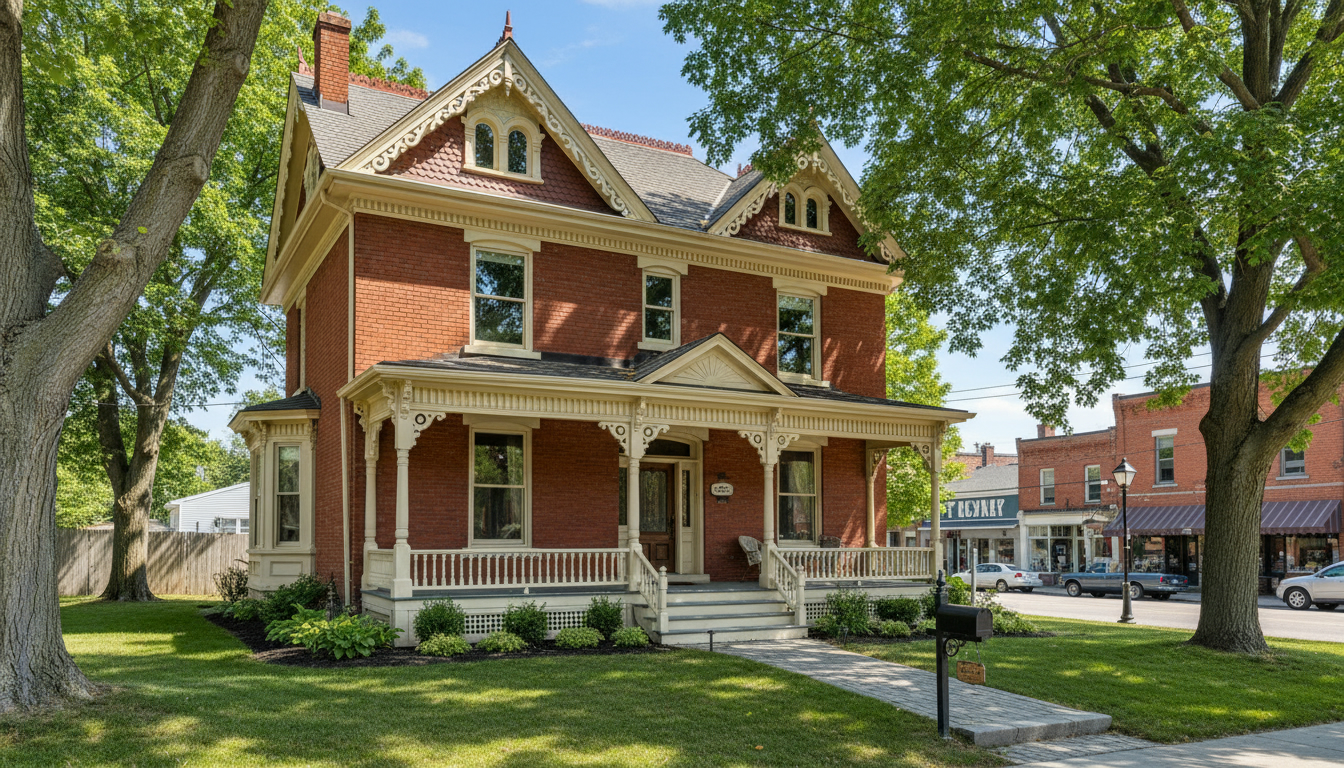
Quick checklist for sellers in Georgetown considering buyer incentives
- Identify the buyer profile for your listing.
- Pick one or two targeted incentives.
- Confirm lender and appraisal implications with a mortgage professional.
- Show the math: projected net proceeds after commission, fees, and incentive.
- Present the incentive as a solution in marketing and negotiation.
Bottom line: use incentives as a tool, not a discount
Incentives shift value. When used with local market insight, they turn cautious shoppers into confident buyers without trashing comparable values. In Georgetown, targeted incentives win more than blunt price cuts.
Want a personalized plan for your property in Georgetown? I analyze comps, buyer profiles, and lender constraints and give you two clean options: “List with targeted incentives” or “List without incentives.” No fluff. Clear math. Faster closings.
Contact: Tony Sousa — tony@sousasells.ca | 416-477-2620 | https://www.sousasells.ca
FAQ — Offers & negotiation for Georgetown home sellers
Q: Are seller incentives common in Georgetown?
A: Yes, but they vary by market conditions. In slower windows or for niche properties, incentives are common. In hot multiple-offer periods, they’re less necessary.
Q: Do incentives reduce the sale price on MLS comparables?
A: If you list at a competitive price and offer a buyer credit, the headline price remains intact on comparables. Appraisers consider the final sale and market context. Properly documented incentives usually don’t damage comparables when used thoughtfully.
Q: How much should I offer as a credit or incentive?
A: Typical ranges are $2,000–$10,000 for closing credits or repair allowances, depending on price point and issue severity. The right number always comes from a local net-proceeds comparison.
Q: Will offering a mortgage rate buy-down help my sale?
A: It can, especially with buyers sensitive to rate changes. Coordinate with the buyer’s lender first. In some cases a rate buy-down motivates otherwise hesitant buyers.
Q: Can incentives derail a buyer’s mortgage approval?
A: If structured poorly, yes. Always disclose incentives in the Agreement of Purchase and Sale and confirm acceptability with the buyer’s lender or broker.
Q: How should incentives be presented in the listing?
A: Lead with benefits: “Includes $5,000 closing credit” or “1-year home warranty included.” Keep MLS-compliant language and avoid vague promises.
Q: Should I mention incentives before offers come in?
A: Use incentives as a selling point in the marketing when they give you a competitive edge. If your market is hot, hold incentives back to preserve bidding dynamics.
Q: Who pays for the incentive legally?
A: Seller-paid incentives reduce seller net proceeds; they are documented in the deal and applied at closing. Consult your lawyer for final wording.
Q: How do incentives affect taxes or legal obligations?
A: Incentives reduce the net proceeds from the sale. They do not generally create additional sale taxes but check with your accountant for specific tax planning.
If you want a local evaluation and a clear, numbers-first plan on whether incentives will help sell your Georgetown home, email me: tony@sousasells.ca or call 416-477-2620. I’ll run comps, buyer profiles, and lender checks — and give you the best move.