
Are there disclosure requirements for sellers
in Ontario?
Do Ontario sellers have to tell buyers everything? Milton homeowners — here’s the hard, practical truth that will protect your sale.
Quick, direct answer
Yes — but not in the way most people think. There is no single mandatory provincial “seller disclosure form” for every sale in Ontario. That said, Ontario sellers must not lie, actively hide serious problems, or fail to disclose known latent defects that materially affect a property’s safety or value. In practice, that means if you know about a serious issue, you must reveal it — or face legal and financial consequences.
Why this matters for Milton home sellers
Milton is a fast-moving market. When buyers compete, small issues can turn into big legal headaches. Sellers who try to bury problems slow deals, lose price, or get sued after closing. Good disclosure speeds sales, reduces risk, and builds trust with buyers and agents.
This post cuts through the noise. You’ll get a clear checklist of what to disclose, real Milton examples, step-by-step actions to protect your sale, and exactly how an experienced realtor and lawyer will keep you out of trouble.
What Ontario law actually requires
- No universal mandatory provincial disclosure form exists that forces sellers to volunteer every detail.
- Sellers must not make false statements or intentionally mislead buyers. Misrepresentation carries legal exposure.
- Sellers must disclose known latent defects — problems that are not obvious on a reasonable inspection and would materially affect the property’s value or safety.
- Realtors must follow RECO rules and avoid facilitating misrepresentation. If the agent knows of a material fact, they can’t stay silent.
Keywords to watch: disclosure requirements for sellers in Ontario, seller disclosure Ontario, latent defects, property disclosure.

Common material issues sellers must disclose (clear examples)
If you know these exist, say so:
- Structural problems: major cracks, foundation movement, or past sinking/settlement.
- Water damage and chronic basement flooding: repeated backups, active leaks, sump pump failures.
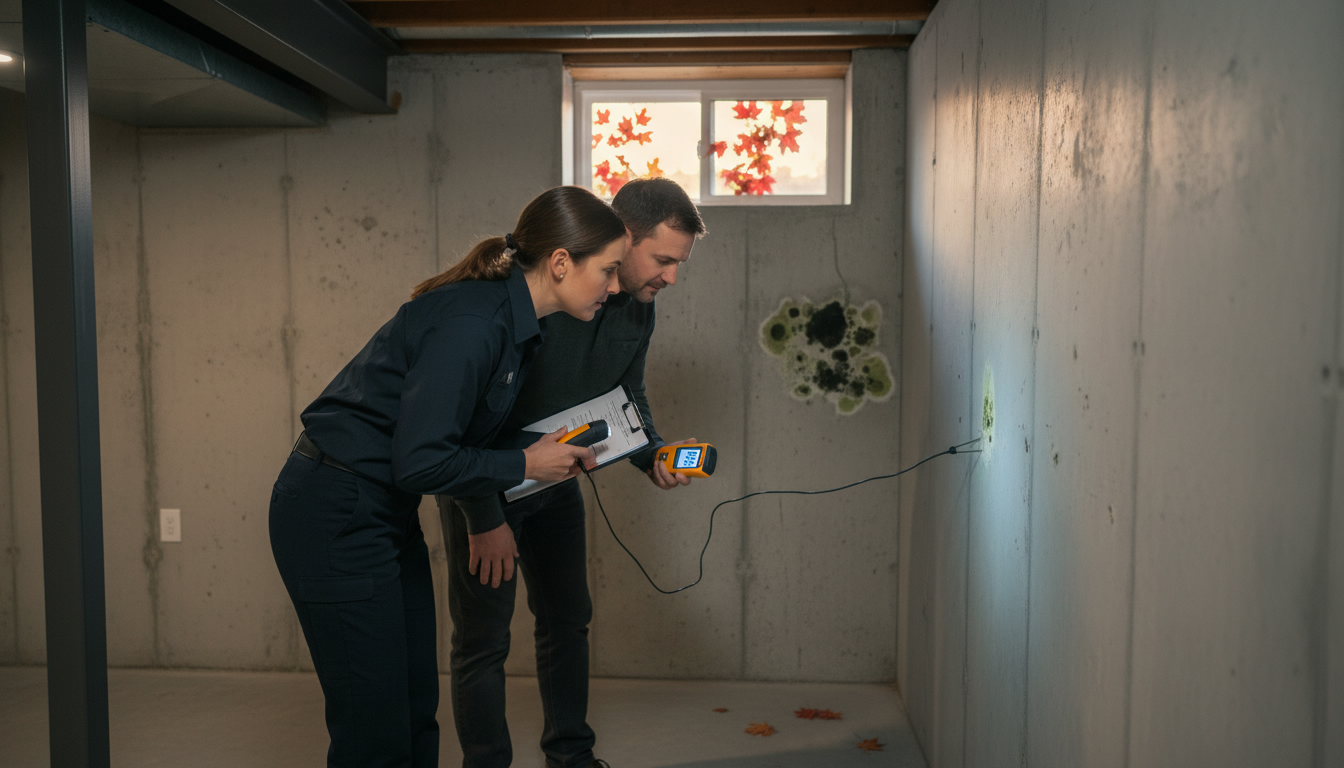
- Mold or fungal growth that affects health or structure.
- Asbestos, lead, or other hazardous materials in living areas (if known).
- Electrical or heating systems that are unsafe (knob-and-tube wiring without disclosure).
- Additions or renovations done without permits or not to code.
- Sewage, septic or well-water problems: contamination, failed inspections, or failed septic beds.
- Insurance issues: if your property is uninsurable, or a policy was cancelled because of undisclosed facts.
- Municipal orders, Stop Work Orders, or unresolved bylaw violations.
- Illegal units (basement apartments built without permits), serious encroachments, or boundary disputes.
If a buyer couldn’t reasonably discover the issue during a viewing or inspection, and it affects value or safety, disclose it.
Milton-specific issues to watch for
Milton has unique local realities. When you list here, watch for:
- Older homes and wiring: many pre-1980 houses may have knob-and-tube or outdated panels.
- Basement water / drainage problems: some Milton neighborhoods have high water tables or poor lot grading.
- Renovations after purchase: new kitchens or finished basements done without permits in older villages.
- Tarion and new builds: if you’re selling a newer home, be ready to show Tarion warranty paperwork and disclose builder repairs if still under warranty.
- Municipal requirements: applications to Halton Region or Town of Milton for septic or well certificates, grading permits, or heritage designations on older properties.
Mentioning these up front avoids surprises and protects your closing.
How disclosure affects the sale — real, practical impacts
- Faster closings: transparency removes negotiation roadblocks.
- Price stability: full disclosure may lower the initial offer slightly, but it prevents big price drops after inspections or legal fights later.
- Buyer confidence: buyers who feel informed close more reliably and faster.
- Risk reduction: disclosure reduces the risk of post-closing rescission, claims for damages, or litigation costs.
Non-disclosure can cost far more than fixing or disclosing the issue upfront.
Step-by-step checklist for Milton sellers (action plan)
- Inventory known issues: list repairs, past water, permits, insurance claims, and municipal orders.
- Order a pre-listing inspection if you suspect issues. This removes doubt and gives you bargaining power.
- Gather supporting docs: permits, receipts, septic/well inspection reports, Tarion documents, insurance claims, municipal letters.
- Complete an OREA Sellers Property Information Statement (SPIS) — even if voluntary. It’s a clear, documented declaration.
- Disclose known latent defects in writing to buyers and your agent. Put facts, dates, and supporting docs in the record.
- Work with your realtor to price accurately or set credit allowances if defects exist.
- Use your lawyer at offer stage to make disclosure memos part of the file and ensure contract clauses protect you.
- Keep records: saving emails, inspection reports, and receipts is crucial if a claim arises.

How Tony Sousa protects Milton sellers (what a top local realtor does)
Tony Sousa reviews every property file for legal and documentation risk before the home hits market. He helps you:
- Build a disclosure package buyers can trust.
- Decide whether to pre-inspect and which trades to call.
- Fill out OREA SPIS properly and strategically.
- Draft contract language with your lawyer that balances transparency with protection.
- Price the house to reflect disclosure, avoiding last-minute price cuts.
That’s why local buyers, lawyers, and agents in Milton rely on Tony — he gets the legal paperwork right and sells homes faster with fewer headaches.
What happens if you don’t disclose (straight talk)
- The buyer can sue for misrepresentation or fraud and seek damages or rescission (contract cancelled).
- A judge can order financial compensation for repair costs, diminished value, or legal fees.
- Your agent could face discipline if they knew about the defect and failed to act.
- Post-closing disputes destroy reputations and can cost multiples of the savings you got by hiding the issue.
Don’t roll the dice. The cost of full disclosure is almost always less than the cost of being caught later.
Pricing and negotiation tactics when a defect exists
- Full disclosure + credit: disclose the issue, price for it, and offer a repair credit or seller-funded escrow held in trust until repair.
- Pre-repair: fix the issue before listing if the repair cost is less than the likely market value uplift.
- As-is sale with clear notice: acceptable for motivated sellers, but expect lower offers and limited buyer pool.
Your realtor can model the math and recommend which path gets you the highest net proceeds after risk and costs.
Final checklist before you sign an offer
- Have you disclosed all known latent defects in writing? Yes/No.
- Are permits and warranties available and copied for buyer? Yes/No.
- Is the pre-listing inspection uploaded and ready to share? Yes/No.
- Has your lawyer reviewed the disclosure language in the Agreement of Purchase and Sale? Yes/No.
If any answer is No, stop and get it fixed. Small delays now beat big problems later.
Closing — clear action to take right now
If you’re selling in Milton, get your property reviewed by a realtor who knows local legal issues. Tony Sousa will audit your file, prepare a disclosure package, and keep your sale clean and fast. Don’t gamble — a quick review today can save tens of thousands tomorrow.
Contact Tony Sousa: tony@sousasells.ca | 416-477-2620 | https://www.sousasells.ca
FAQ — quick, direct answers
Q: Is there a mandatory seller disclosure form in Ontario?
A: No. There’s no single mandatory provincial form. The OREA Sellers Property Information Statement (SPIS) is commonly used but voluntary.
Q: Do I have to disclose every minor problem?
A: No. You must disclose known material latent defects — problems not obvious on inspection that affect value or safety. Minor, obvious cosmetic issues generally do not require disclosure.
Q: If I didn’t know about a defect, can the buyer still sue?
A: If you genuinely didn’t know, liability is less likely. But if you should have known (reasonable inspection would reveal it) or you misled the buyer, you can still face claims. Documentation helps your defence.
Q: What is a latent defect?
A: A latent defect is a hidden problem not discoverable by a reasonable visual inspection, which materially affects the property’s safety or value.
Q: Should I get a pre-listing inspection in Milton?
A: Yes, especially if your home is older, had past water issues, or had renovations. A pre-listing inspection clarifies risk and strengthens your negotiating position.
Q: What local Milton documents buyers ask for?
A: Common requests: permits for renovations, septic/well inspection reports, Tarion warranty for newer homes, municipal compliance letters, and receipts for major repairs.
Q: Will disclosure hurt my sale?
A: Transparent disclosure may slightly impact initial offers, but it reduces delays and post-closing claims — improving net proceeds and closing certainty.
Q: Can my realtor handle disclosure for me?
A: Yes — a skilled realtor prepares the disclosure package, ensures documentation is recorded, and coordinates with your lawyer. Choose a local expert with proven experience in Milton.
If you want a no-nonsense review of your file, a risk audit, or help preparing disclosures that protect your sale — email Tony Sousa at tony@sousasells.ca or call 416-477-2620. He knows Milton, the documents, and how to get deals closed cleanly.
This article is for informational purposes and does not replace legal advice. For a binding legal opinion, consult a local lawyer who specializes in real estate.