Are there disclosure requirements for sellers
in Ontario?
Are there disclosure requirements for sellers in Ontario — and what Georgetown sellers absolutely must reveal before listing? Read this first.
Stop guessing. Know what to disclose in Ontario and protect your sale
If you sell a home in Georgetown, ON without disclosing what you know, you gamble with your sale and your wallet. Ontario doesn’t hand sellers a single mandatory form that covers everything. But the law and common practice create firm disclosure duties. Get this right and you avoid rescinded deals, lawsuits, and lost profits.
This guide gives you the exact, practical steps Georgetown sellers need to follow. No fluff. No legalese. Just what works—based on provincial rules and real issues local sellers face in Georgetown and Halton Hills.
The short answer: Yes — but not the way you think
Ontario does not force sellers to complete one province-wide mandatory ‘seller disclosure form’ for every residential sale. What Ontario does require is simple and brutal:
- Don’t lie. Don’t hide material facts you know. That’s fraud.
- Disclose known latent defects — problems a buyer can’t find with a reasonable inspection.
- Provide required documents for specific property types (condos, new homes, agriculture, etc.).
For Georgetown sellers this means: if you know about hidden water in the basement, a history of foundation movement, concealed electrical issues, or unpermitted renovations, you must disclose them. If you don’t, the buyer can sue, rescind the deal, or seek damages.
Local risks Georgetown sellers face (and must disclose)
Georgetown has character homes, older plumbing, and neighbourhoods near the Credit River and Conservation Areas. That creates predictable disclosure issues:
- Basement flooding and water ingress after heavy rains — disclose any history of water, sump pump failures, or repairs.
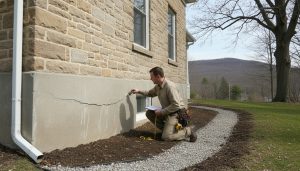
- Foundation or settlement cracks in older stone or brick homes.
- Older electrical systems: knob-and-tube wiring or unpermitted panel upgrades.
- Renovations completed without building permits — especially illegal bedrooms or suites.
- Mould from past leaks or poor ventilation.
- Soil, drainage or grading issues on properties near steep lots or ravines.
- Known insurance claims or claims history.
If you know these exist, the buyer must know before closing.

Key documents you must provide or get ready
- Condo sellers: status certificate is mandatory. It’s a non-negotiable.
- New home sellers: Tarion warranty documents where applicable.
- Any property: records of building permits, municipal approvals, septic/bedrock well records (if applicable), and known contractor invoices for major repairs.
- Insurance claims history and documentation of repairs.
- Any environmental reports (mould, asbestos, lead paint assessments) if available.
Pro tip: collect municipal permits from Halton Hills building department and include them in your disclosure pack.
Concrete steps to protect your sale in Georgetown (action plan)
- Get a pre-listing inspection. A short inspection flags latent defects and lets you disclose proactively. It reduces surprises and strengthens buyer confidence.
- Pull permits. Order a permit history from Halton Hills. Match permits to renovations. If a project lacks a permit, disclose it and show plans to remediate or get retroactive permits.
- Document water history. Gather photos, invoices, or a letter from contractors showing waterproofing or sump pump work.
- Get specialist reports if needed: structural engineer for cracks, HVAC for furnace issues, or an electrician for wiring concerns.
- Write clear disclosures. Use short, factual statements: what happened, when, who fixed it, and what remains outstanding.
- Share everything with your lawyer and real estate agent early. They will insert appropriate clauses in the Agreement of Purchase and Sale.
- Price for transparency. If a repair is significant, either fix it or reduce your asking price and disclose the issue. Buyers respect honesty.
How disclosure affects negotiation and price in Georgetown
When you disclose early you control the narrative. A proactive seller who provides pre-listing inspection reports, permit records, and clear history of repairs will often get better offers than a seller who hides issues. Buyers prefer predictable risk. In Georgetown’s competitive market, transparency can shorten days on market and prevent low-ball offers caused by distrust.
Typical disclosure language to use (phrases that hold up)
- “Seller discloses that the basement experienced water ingress on [dates]. Contractor [name] performed repairs on [date]. Receipts attached.”
- “Seller discloses unpermitted renovations to the basement completed in [year]; buyer advised to verify permits with Halton Hills.”
- “Seller discloses active sump pump and documented history of operation and maintenance.”
Keep it factual. Attach supporting documents. Don’t minimize issues.

When silence is fraud: common legal outcomes
If a seller knowingly conceals a material latent defect, the buyer can claim:
- Rescission of the sale (contract cancelled), or
- Damages equal to repair costs plus incidental losses.
Real cases in Ontario show courts favor buyers who relied on sellers’ silence about defects that were not obvious.
Condo sellers: special rules that matter in Georgetown
Condo sellers in Georgetown must provide a status certificate. That includes bylaws, reserve fund info, special assessments, and recent minutes. Buyers review status certificates early. If you delay, deals stall. If the condo corporation has pending lawsuits or a planned special assessment for roof or façade repairs, disclose it — buyers will find out in the status certificate anyway.
New homes and builders: what to disclose
For new homes, the Tarion warranty regime applies. Sellers must disclose warranty documents and any existing warranties on major systems. If you’re selling a builder’s unit or an assignment, be upfront about Tarion coverage and any open deficiencies.
Practical checklist for Georgetown sellers (print this)
- Obtain a pre-listing inspection report.
- Request permit history from Halton Hills (Building Department).
- Gather contractor invoices and warranties.
- Create a one-page disclosure summary for buyers.
- Include photos of known issues and repairs.
- Provide any condo status certificates (if applicable).
- Give your lawyer and agent every document at listing.
- Keep a record of what you disclosed in writing.

Sample one-page disclosure template (brief)
Property address: [address]
Known issues:
- Basement water ingress (years: 2017, 2019) — repaired by [company]. Receipts attached.
- Unpermitted basement bedroom conversion (2015). No permit on file.
- Furnace serviced annually; last service [date].
Repairs completed:
- Foundation crack sealed (2018) — warranty attached.
Signed: Seller(s) [name] — Date
Give this to every potential buyer. It is short, factual, and protects you.
Why working with the right realtor and lawyer matters in Georgetown
A skilled local realtor knows Georgetown’s neighbourhood-specific risks and buyer expectations. A good lawyer drafts clear representations and warranty clauses. Together they make disclosure work for you, not against you.
You want movers who prevent surprises, not fix them. That’s how you keep your sale on schedule and your proceeds intact.
Final word: transparency sells — hiding costs
Covering up defects is a fast route to legal trouble. Transparent sellers sell faster for better terms. In Georgetown, where many buyers value older homes with character, honesty about maintenance and upgrades builds trust. Follow the checklist, get the right reports, and disclose early.
FAQ — Practical answers Georgetown sellers ask most
Is there a mandatory seller disclosure form in Ontario?
No single universal form is mandatory for all residential sales. However, disclosures are required by law through common law duties and specific statutory documents (e.g., condo status certificates). Many agents use a Seller Property Information Sheet to organize disclosures. That sheet is not legally mandated but is highly recommended.
What must I disclose to a buyer in Ontario?
You must disclose any material latent defect you know about that a reasonable inspection would not reveal. Examples: hidden water damage, unpermitted renovations, structural issues, concealed electrical hazards, and known environmental hazards.
Do I have to disclose past basement flooding?
Yes. If you know about past flooding, recurring water issues, or significant leaks, disclose them. Provide dates, repairs, invoices, and whether the problem is resolved.
What happens if I don’t disclose something I knew?
The buyer can sue for rescission or damages. Courts can cancel the sale or award compensation for repairs plus related losses. Legal costs can be significant.
Should I get a pre-listing inspection?
Yes. A pre-listing inspection identifies issues you might not know about. Fixing or disclosing them upfront reduces negotiation risk and usually speeds the sale.
Do condo sellers need to provide a status certificate?
Yes. Status certificates are mandatory for condo sales in Ontario. They provide prospective buyers with crucial condo corporation information.
How long after closing can a buyer sue me for failing to disclose?
There is no fixed short window. Claims can arise months or years later, subject to limitation periods. Keep disclosure records indefinitely.
What about unpermitted renovations?
Disclose them. Buyers often ask for permits during the due-diligence period. You may be asked to remedy (get retroactive permits) or accept a price reduction.
Can I protect myself with a “sold as is” clause?
An “as-is” clause doesn’t absolve you of legal liability for known hidden defects or fraudulent misrepresentation. It has limited protection. Full disclosure remains essential.
If you’re selling in Georgetown and want a smart, local plan to protect your sale, get a pre-listing checklist and disclosure packet prepared now. I handle the local details and coordinate permits, inspections, and paperwork to avoid surprises.
Tony Sousa — Local Realtor, Georgetown & Halton Hills
Email: tony@sousasells.ca | Phone: 416-477-2620 | https://www.sousasells.ca
If you want my pre-listing checklist and a template disclosure sheet, email or call today. I’ll send the packet and explain exactly what buyers in Georgetown expect.