

What is a power of attorney sale?
Power of Attorney Sale? How Can Someone Sell Your House in Georgetown Without You — Read This First
Quick, blunt answer
A power of attorney sale (POA sale) lets an authorized person legally sign the paperwork and sell a property on behalf of the homeowner. In Ontario that’s usually a “power of attorney for property” or a continuing power of attorney for property. Done right, it’s legal, fast, and clean. Done wrong, it stalls closings, sparks lender refusals and can trigger legal fights.
Why this matters to home sellers in Georgetown, Ontario
If you live in or own property in Georgetown, you need local-level clarity. Georgetown sits inside Halton Hills and uses Ontario land registry systems and local lenders that expect strict documentation. Buyers, banks and title companies scrutinize POAs. If your sale uses a power of attorney, prepare to prove the document’s validity fast.

The core concept — simple
- The homeowner (the donor) signs a legal document granting authority to someone else (the attorney/agent).
- That attorney can sell the house, sign the Agreement of Purchase and Sale, and complete closing tasks — if the POA document specifically grants those powers.
- In Ontario, a continuing power of attorney for property survives the donor’s incapacity. It does not survive death.
Types of powers you’ll see in Georgetown real estate
- Power of Attorney for Property / Continuing Power of Attorney for Property — the normal tool for real estate.
- Limited Power of Attorney — authorizes one specific transaction (useful when a seller is out of town).
- Joint POA — two people act together; watch for “jointly” vs “severally” language (one can sign alone or both required).
Legal requirements in Ontario — what agents, buyers and lawyers check
- The POA must be signed by the donor and witnessed according to Ontario law.
- The document must clearly give authority to sell and sign transfers.
- Lenders often require notarized or witnessed copies, a lawyer’s certificate, and ID checks.
- The land registry or title company wants a clean chain of authority to register the transfer.
If the POA is vague or improperly executed, a buyer’s lawyer or a bank can delay or refuse to close. That creates costs and risk for everyone.
Step-by-step: How a POA sale works in practice — for Georgetown sellers
- Confirm the POA document: Check that it’s for property and grants sale and transfer powers. If limited, confirm it covers the exact transaction.
- Validate signatures: Get a lawyer or notary to confirm signatures and witness compliance.
- Verify authority with lender: If there’s a mortgage, contact the lender early. Most lenders require evidence before allowing discharge or payout.
- List and market the house: The attorney can sign listing agreements if the POA document allows. Disclose the fact a POA will be used so buyers and their agents aren’t surprised.
- Accept an offer: Attorney signs the Agreement of Purchase and Sale on behalf of the seller. Include standard clauses and any extra proof-of-authority terms the buyer wants.
- Provide documentation to buyer’s lawyer: Include a copy of the POA, proof of identity, and a lawyer’s certificate if available.
- Closing: Attorney signs closing documents and instructions for payout. Lawyer confirms authority, pays off mortgages, registers transfer.
- After closing: Proceed with distribution of funds per the donor’s directions, or the POA document.

Common red flags that stall transactions
- POA missing explicit authority to sell property.
- Improper witnesses or missing signatures.
- POA created under a foreign jurisdiction without proper cross-recognition.
- Lender refuses to accept the POA without notarization or lawyer review.
- Disputes among family members about the POA’s legitimacy.
If you spot any of these, call a real estate lawyer immediately.
Buyer-side concerns — why buyers and title companies dig deep
Buyers want a clean title and a fast closing. If they sense the seller’s authority is shaky, they’ll either ask for extra protections (escrows, independent legal opinions) or walk away. Title insurance can help, but insurers will still expect standard verification.
Practical risk management for sellers and agents in Georgetown
- Use a local real estate lawyer experienced with Halton Hills and Ontario land registry procedures.
- Have the POA examined and certified early — before you list.
- If travel or incapacity is temporary, use a limited POA that names exact dates and actions.
- Keep clear, dated records of communications and the authority exercised.
- If there’s family dispute risk, consider a court application for direction in advance.
How lenders and mortgages interact with POA sales
Mortgages complicate POA sales because lenders control title release. Most lenders will:
- Require the POA to be executed according to Ontario rules.
- Ask for a lawyer’s opinion letter confirming authority.
- Require direct contact with the attorney to confirm payouts.
Failure to coordinate with the lender early is the leading cause of delayed closings.
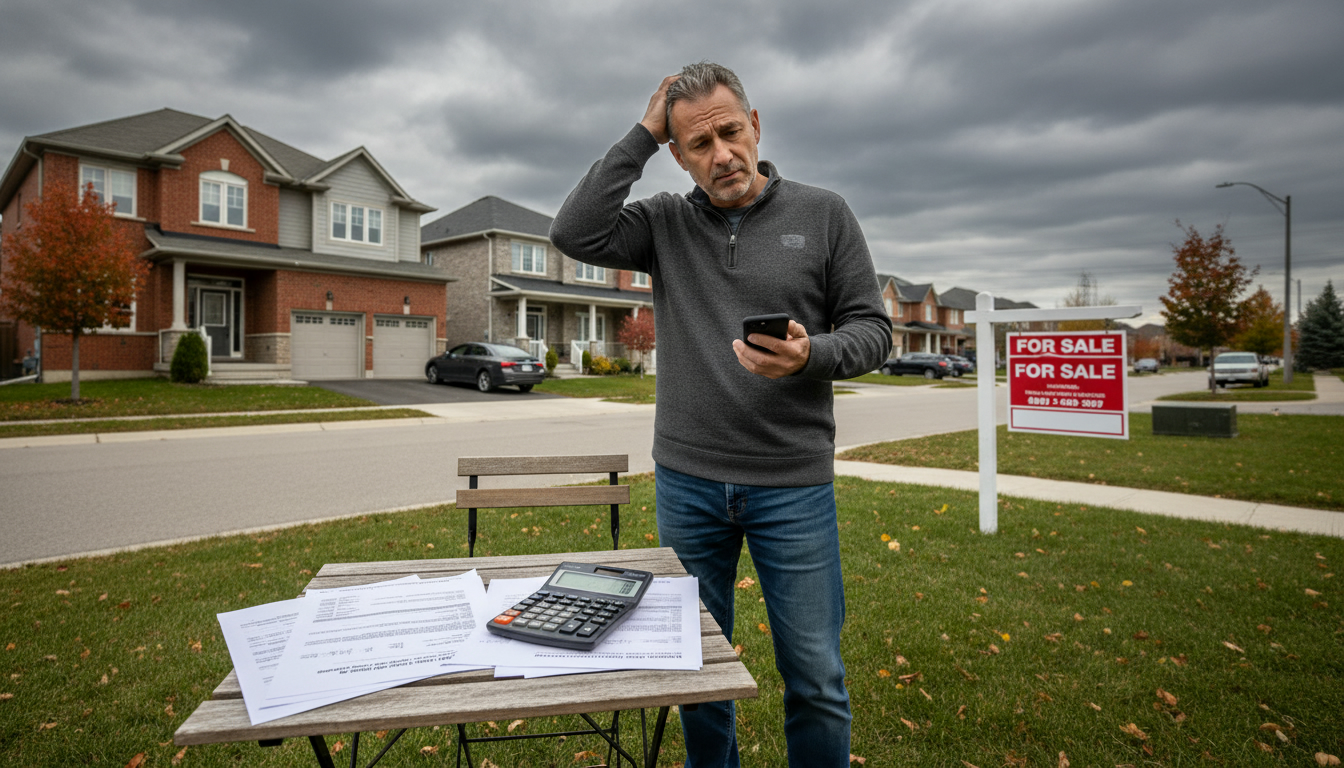
Local nuance: Georgetown and Halton Hills specifics
- Local lawyers and title agents in Georgetown know which registry offices accept what form of POA without extra steps. Use them.
- Many regional lenders that serve Georgetown have standard checklists for POA sales. A local agent who knows these checklists speeds your transaction.
- Realtors and lawyers in Halton Hills are accustomed to dealing with seasonal owners, snowbirds, and families managing estates — which means practical solutions exist.
Checklist for sellers using a POA in Georgetown
- Confirm the POA type and scope.
- Verify execution (witnesses/notary) under Ontario rules.
- Contact mortgage lender with POA copies.
- Retain a local real estate lawyer for closing and registration.
- Share POA copies with buyer’s lawyer at offer stage.
- Keep originals accessible for final legal review.
- Ensure the POA is not revoked before closing.
Practical examples (real, anonymized)
- Case A: A homeowner in Georgetown was out of the country. A limited POA named a sibling to sign one sale. Lawyers verified the POA and the sale closed on time.
- Case B: A continuing POA lacked explicit sale language. The lender delayed closing pending a court declaration. That cost time and money.
These real outcomes show the difference between planning and reacting.
What to do right now if you’re selling with a POA
- Stop and confirm. Don’t list or accept offers until a lawyer checks the POA.
- Get a local lawyer to certify the document. If needed, get a notarized copy for the lender.
- Tell your agent to disclose the POA situation in writing to potential buyers and their lawyers.
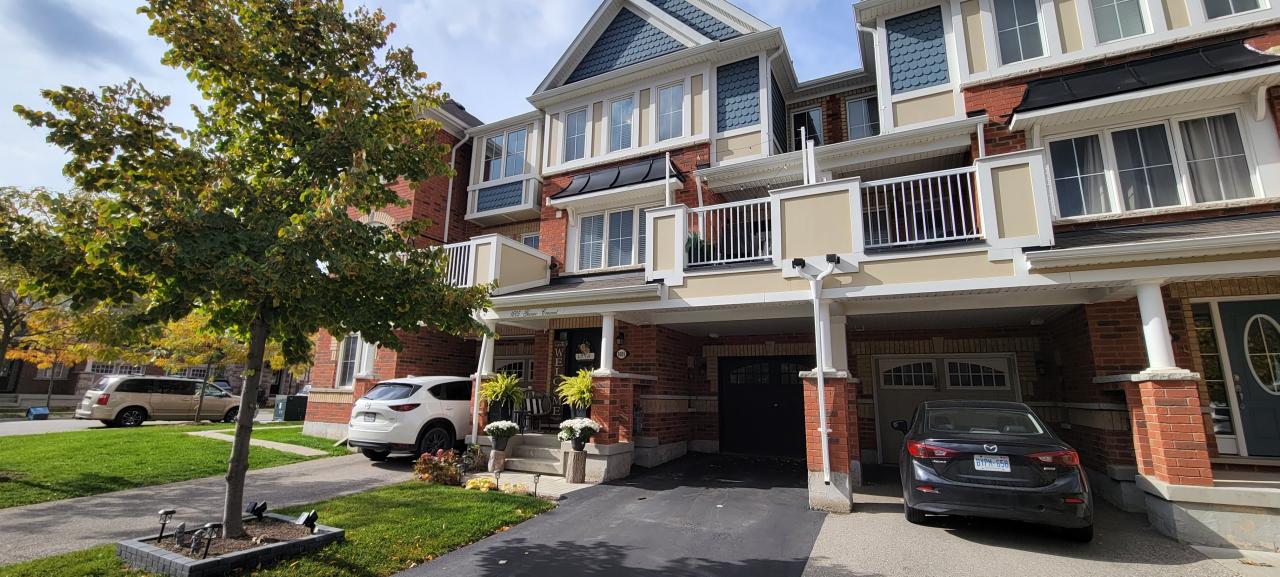
Why hire a local expert
You don’t want surprises at closing. Local agents and lawyers know the checklist lines that get transactions through quickly. They handle lender requirements, title registrations and the small paperwork details that stall closings.
Tony Sousa has guided dozens of Georgetown sellers through POA sales. His practical experience with Halton Hills lenders, local lawyers, and the Land Registry system reduces risk and speeds closings. Contact Tony for a straight, fast assessment: tony@sousasells.ca | 416-477-2620 | https://www.sousasells.ca
FAQ — Power of Attorney Sale (Georgetown, ON)
Q: What exactly is a power of attorney sale?
A: It’s a sale where an authorized agent signs the sale and closing documents on behalf of the homeowner, using a power of attorney for property.
Q: Does Ontario law allow someone to sell my house with a POA?
A: Yes. Ontario recognizes powers of attorney for property. The document must be properly executed and grant authority to sell.
Q: Do POA documents need to be notarized?
A: Not always. They must be properly witnessed and executed under Ontario rules. However, lenders and title companies often request notarized or certified copies for extra assurance.
Q: Can a POA sell a house if the homeowner is mentally incapable?
A: A continuing power of attorney for property is designed to remain valid if the donor loses capacity. But the POA must have been executed before incapacity.
Q: What if family members dispute the POA?
A: Disputes can stop a sale. You might need a court declaration or application to resolve legitimacy before closing.
Q: Will the bank release mortgage funds to an attorney under a POA?
A: Banks usually will, but they require evidence. Expect requests for certified POA copies, lawyer opinions and ID checks.
Q: How long does a POA sale take compared to a normal sale?
A: When documents are in order and lenders cooperate, timelines are similar. If POA issues arise, delays can range from days to months.
Q: Should I include the POA in the listing disclosure?
A: Yes. Early disclosure prevents surprises and speeds negotiations.
Q: Do I need a lawyer in Georgetown for a POA sale?
A: Yes. A local real estate lawyer familiar with Halton Hills and Ontario land registry practices is essential.
Q: Where can I get help now?
A: For local, practical advice and a no-nonsense plan to sell a property under a POA in Georgetown, contact Tony Sousa at tony@sousasells.ca or call 416-477-2620. Visit https://www.sousasells.ca for more resources.
If you’re preparing a sale that may use a power of attorney, don’t guess. Validate. Certify. Close. The right paperwork and the right local team eliminate headaches and deliver your proceeds on time.