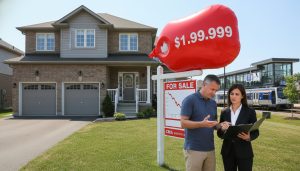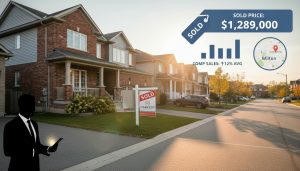
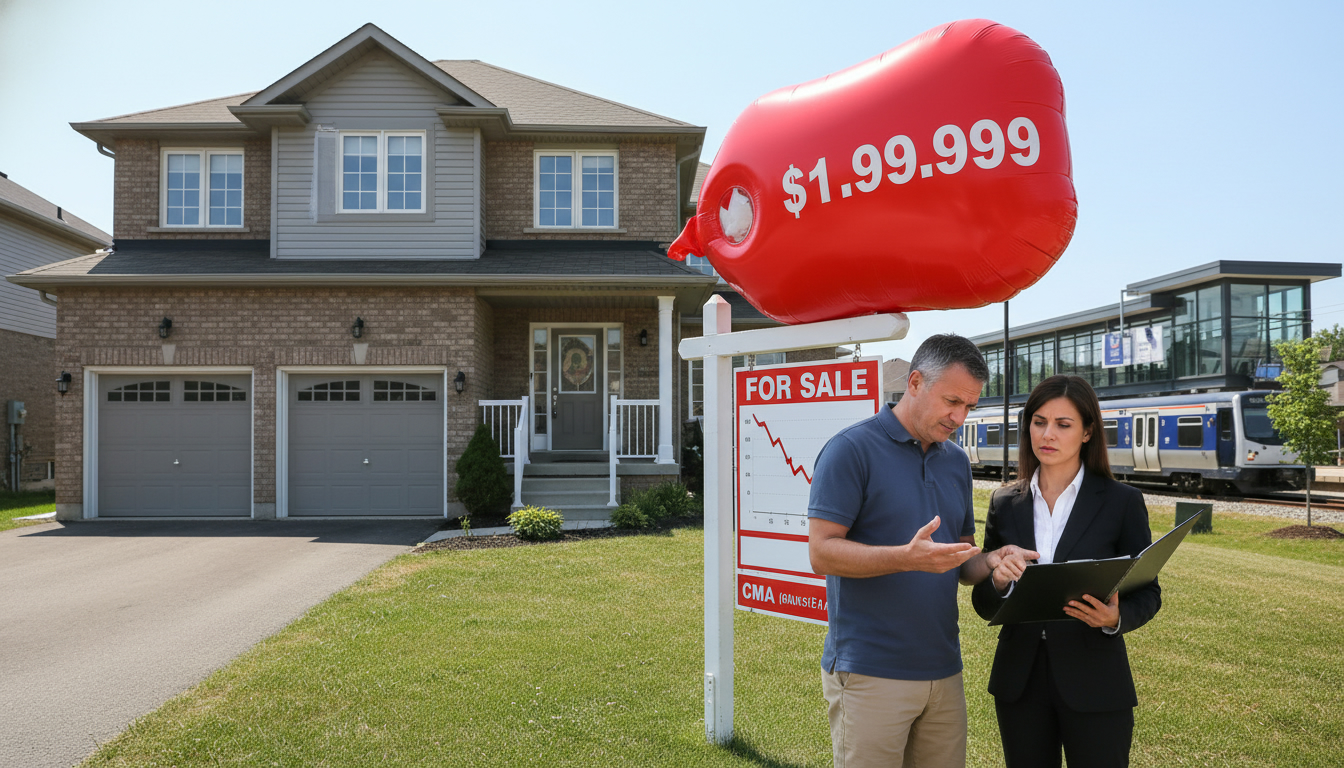
What happens if I price my home too high?
If I price my home too high, will I kill the sale? Read this — Milton sellers can’t afford to guess.
Why pricing is the single biggest decision you make when selling
You can fix a paint job. You can stage. You can host open houses. None of that matters if the price is wrong.
Pricing sets expectations. It controls who sees your listing, who walks through your door, and what offers arrive. Get it wrong and you pay for it in time, money, and missed opportunity.
How overpriced listings die slowly in Milton’s market
- Fewer views online: buyers use price filters. Set the price above their band and your listing never shows.
- Lower showings: agents skip overpriced homes to protect client interest and their own time.
- Longer Days on Market (DOM): listings that sit become branded as stale. Buyers assume something is wrong.
- Forced price cuts: each cut signals desperation. Cuts make buyers wait for the next reduction.
- Appraisal gaps and lost financing: offers above true market value can fail when appraisals come in low.
In Milton, where many buyers commute to the GTA and shop price bands aggressively, these effects show fast. Properly priced homes get the bulk of interested buyers within the first 7–21 days. Overpriced listings often linger 45–120+ days and then finally sell for less.

How buyers and algorithms punish high prices
Online portals and MLS don’t reward ego. They reward relevance. Most buyers browse with filters: price, beds, baths, neighbourhood. Set the price beyond target filters and your home disappears from listings. Fewer views = fewer showings = fewer offers.
Search algorithms and agent send-outs favor new and competitively priced listings. A well-priced home gets more clicks and more showings in the first two weeks. That momentum creates real offers. Momentum matters more than a single high offer.
The appraisal trap you may not see coming
Buyers often need financing. Lenders hire appraisers to confirm value. If the appraisal comes in below the contract price, the buyer can ask for a price reduction, produce more down payment, or walk. That kills deals. Financing fall-throughs are costly, not just in time and stress but also in lost leverage. You end up getting less, or you accept worse terms.
Why a higher list price doesn’t mean a higher sale price
Most sellers think listing higher leaves negotiating room. That logic fails in real markets. A house priced $50,000 above market value may attract zero full-price offers. It then ages, drops in perceived value, and eventually sells at or below market after multiple price cuts. The final sale price often ends up lower than if the property had been priced correctly from day one.
Here’s the simple math: momentum attracts buyers. The best offers come early. Delay that and you lose buyers who already bought something else.
Real Milton context — what matters locally
- Demand drivers: Milton attracts families commuting to Toronto and workers in Halton. Buyers prioritize access to Highway 401/407 and the Milton GO. Listings near GO and schools sell faster.
- Inventory patterns: When inventory is tight, a well-priced home can get multiple offers. When inventory rises, pricing precision becomes critical.
- Neighborhood nuance: Different Milton neighbourhoods carry different price thresholds. Old Milton and areas near the GO station have different buyer pools than newer subdivisions. A one-size-fits-all price hurts.
If you’re in Milton, you must price with local comps, not city-wide or GTA averages. Comparable sales in your street, with similar lot size, upgrades, and days from sale to listing, matter.

Pricing strategy that works — practical, not theoretical
- Start with a data-first CMA: use sold comps from the last 90 days in your immediate area. Adjust for upgrades, lot size, and days on market.
- Price to attract multiple buyers: list near the top of a buyer’s search band. If most buyers search up to $899,000, don’t list at $905,000.
- Avoid psychological anchor mistakes: $799,900 vs $800,000 matters. Buyers and search results respond to the left-digit effect.
- Give the market 14 days: most action happens in the first two weeks. If showings and offers are low, act fast with a calibrated reduction.
- Use staged improvements to justify price: small, inexpensive fixes often boost perceived value and sellability.
These moves are direct. They work because they match buyer behavior. They are not guesswork.
A practical example (no fluff)
Scenario A: Correct price — List at market, 10 showings in 10 days, two strong offers, sold at 102% of asking.
Scenario B: Overpriced — List 10% above market, 3 showings in 21 days, no offers, first reduction after 30 days, final sale at 95% of initial list after 90 days. Net result: you sold for less, paid more in carrying costs, and lost leverage.
Which scenario would you prefer? The right price wins more often.
The real costs of overpricing in Milton
- Extra mortgage payments and utilities while waiting.
- Higher insurance and maintenance costs.
- Reduced bargaining power — buyers sense weakness after cuts.
- Time wasted. Time is money when the market is moving.
If your mortgage is large, waiting can cost tens of thousands in carrying costs and interest. The correct price protects you from that drain.
When a higher price is justified
There are times to list a bit higher:
- You have a unique feature buyers want and comparable sales support it.
- The property is freshly renovated with premium finishes and comparable sales reflect a premium.
- You’re not in a rush and prepared to test the market with a longer time horizon.
If you choose this route, know the gamble. Be ready to reprice quickly if traction is weak.

How a local expert changes the equation
A Milton-focused agent understands where buyers come from, what they search for, and what sells in each neighbourhood. That knowledge creates realistic pricing from day one and the marketing to back it up.
Get a Comparative Market Analysis (CMA) that shows recent solds on your street, current active listings, and pending sales. Look for timing, price per square foot, and adjustments for renovations.
Quick checklist before you list
- Get a local CMA within 48 hours.
- Fix obvious defects that scare buyers.
- Stage or declutter to maximize perceived value.
- Price within the market band that attracts your target buyer.
- Set a review date two weeks after listing to measure traction.
Call to action — get pricing right from the start
You don’t want to learn the hard way. If you’re selling in Milton, get a professional, local pricing plan before you list. A wrong price costs you more than money — it costs leverage and time.
Contact: tony@sousasells.ca | 416-477-2620 | https://www.sousasells.ca
FAQ — Common pricing and market value questions for Milton sellers
Q: How do I know if my home is priced too high?
A: Signs: few online views, low showing requests, no offers after 14 days, and price reductions by nearby similar listings. If buyers bypass your listing or agents skip it, the price is likely above market.
Q: Will a higher price give me room to negotiate?
A: Not usually. Overpricing reduces interest and eliminates the buyer pool. You lose negotiation strength. Price smart and preserve leverage.
Q: How long should I list before I consider a price reduction?
A: Measure traction for 10–14 days. If showings and offers are below expectation, adjust. Don’t wait 30–60 days.
Q: What role do appraisals play in Milton sales?
A: Appraisals confirm market value for lenders. If your listing is priced above recent comparable sales, appraisers may come in lower and cause financed offers to fail.
Q: Should I price slightly above market ‘just in case’?
A: No. That approach rarely works. Price at or slightly below market to attract buyers and create competition. Competition typically pushes final sale above list.
Q: Can staging or renovations let me list higher?
A: Small, targeted improvements and professional staging increase perceived value. But your list price still needs to align with local comps. Renovations must be supported by nearby sold prices.
Q: How do local Milton factors affect price?
A: Proximity to the GO station, schools, highways (401/407), and newer amenities influence buyer demand. Neighborhood micro-markets in Milton move differently; price with local comps.
Q: What are the hidden costs of overpricing?
A: Carrying costs (mortgage, utilities, insurance), extra agent fees from relisting, staging refresh, and lower final sale price after reductions.
Q: How can I get a reliable price estimate?
A: Request a CMA from a Milton-focused agent who uses recent local solds and understands neighborhood nuances. Insist on seeing street-level comps and adjustments.
Q: If I list high and get an offer, should I accept?
A: Vet the offer carefully. If the buyer is paying cash or waiving conditions, it may be legitimate. If financed, check appraisal risk. Consult your agent before accepting.
Pricing is not guesswork. It’s a strategy. Price right and you maximize offers, control timing, and keep leverage. Price wrong and you pay the penalty.
For a local, data-driven Comparative Market Analysis and a pricing plan tailored to Milton, get in touch: tony@sousasells.ca | 416-477-2620 | https://www.sousasells.ca