Are certain property types appreciating faster?
Are some property types crushing returns while others crawl? Here’s the short, brutal answer.
Quick answer
Yes. Certain property types do appreciate faster — but it depends on market forces: supply constraints, rental demand, economic growth, and capital flow. Knowing which types move faster is how you beat the market, not hope for luck.
What outpaces what (simple breakdown)
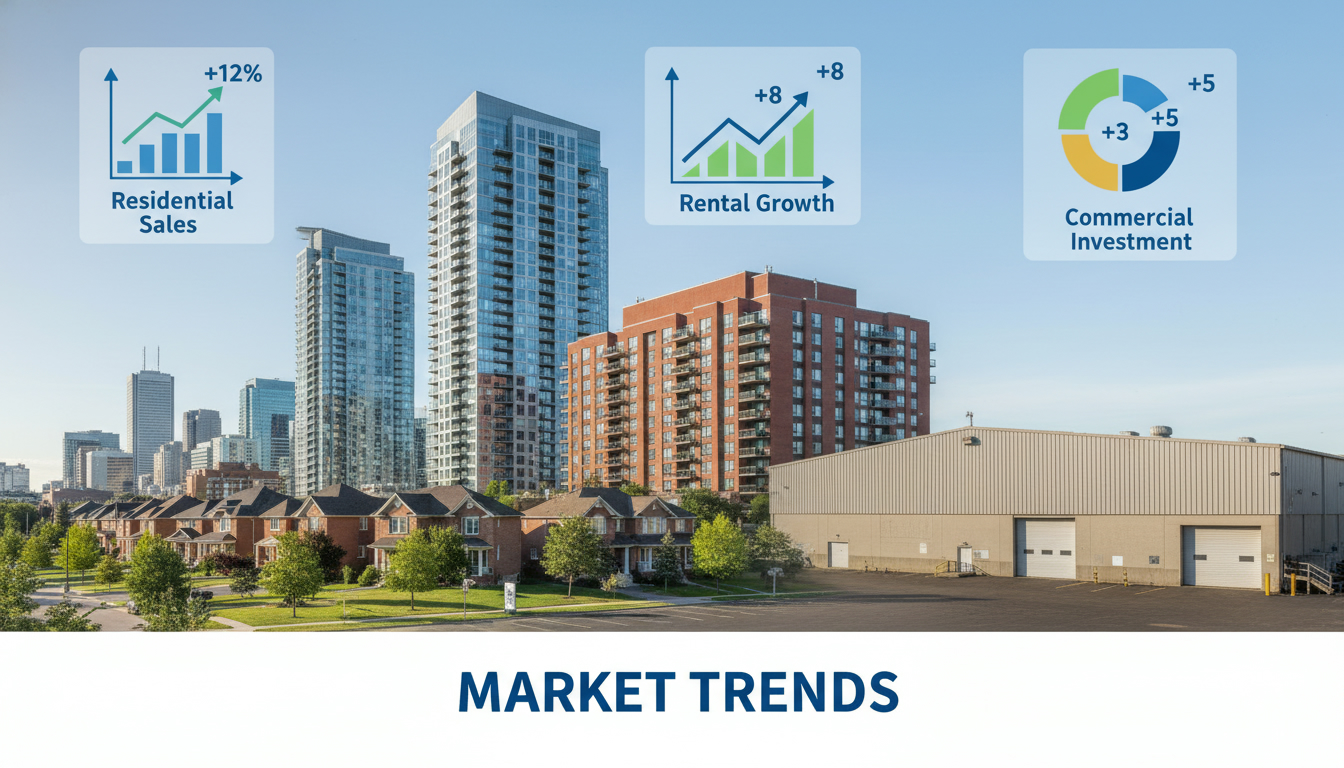
- Single-family homes: Often lead in price appreciation in suburbs and growing metro areas. Tight supply + demand from buyers and low new-build pace push prices higher.
- Multi-family (small apartment buildings): Strong appreciation where rental demand is high. Rent growth lifts valuations and compresses cap rates.
- Condos: Slower in many big cities when supply increases or remote work reduces downtown demand. They can jump in tight downtown markets with strong employment.
- Industrial/logistics: Outperformed many sectors over recent cycles due to e-commerce and supply-chain reshoring. Low vacancy and high rent growth drive fast gains.
- Commercial office: Mixed. Markets with strong tech/finance growth can recover; many suburbs and secondary markets lag because of remote work.
- Land: Highest upside long-term if zoning and development are favorable, but it’s illiquid and risky.

Data-driven signals to watch (use these metrics)
- Price appreciation rate (YoY median prices): fastest direct signal of what’s appreciating.
- Rent growth and vacancy: rising rents + falling vacancy = faster value gains for rental assets.
- New supply pipeline: permits and starts. High new construction usually slows appreciation for that property type.
- Cap rates and investor demand: lower cap rates mean investors pay more, signaling stronger appreciation expectations.
- Employment and population growth: local job gains = housing demand = faster appreciation.
Why these differences exist (clear cause-effect)
- Supply elasticity: Single-family housing supply can’t ramp up fast, so prices spike. Condos and industrial can be built faster in some regions, damping gains.
- Demand shifts: Remote work changed condo demand in some downtown cores. E-commerce created persistent demand for industrial space.
- Capital chasing yield: Institutional investors buy multi-family and industrial, pushing prices higher.
How to use this as an investor or buyer
- Match product to market: Buy single-family or multi-family in high-growth suburbs; consider industrial exposure if you want growth with institutional demand.
- Check local indicators: rent trends, permit activity, job growth, and vacancy rates before assuming appreciation.
- Balance risk and liquidity: Land and niche commercial can pay off big but are risky and hard to sell.
Final thought and action
If you want targeted, data-backed advice for your neighborhood, get a focused plan. I’ll run local comparable trends, rent growth, and supply data and show which property types are poised to appreciate faster in your market.
Contact Tony Sousa for a free local market analysis: tony@sousasells.ca | 416-477-2620 | https://www.sousasells.ca