How do I protect my home while I’m away?
Leaving Town? Here’s exactly how to lock down your Georgetown home while you’re away — no guesswork, no regret.
Why this matters right now
Selling a home in Georgetown means the property becomes a business asset. When you’re away — for showings, moving, or a vacation — small risks suddenly become big claims: water damage from frozen pipes, vacant-home exclusions, or break-ins when your place looks empty. Protecting your home while away saves you time, money, and the sale.
I’m Tony Sousa, your local Georgetown realtor and insurance & risk advisor. I help sellers and homeowners prevent the problems that derail closings and trigger insurance denials. Below are direct, proven steps to secure your property, avoid insurance pitfalls, and keep the sale on schedule.
Quick action plan (do these first)
- Tell your insurer and your agent what’s happening. If the home will be vacant over 30 days, you may need a vacancy endorsement.
- Keep heat on or fully winterize plumbing if it will be empty during freezing months.
- Set up monitored water sensors and a backup sump pump battery.
- Arrange a trusted local contact for daily or weekly checks.
Local risks Georgetown sellers must know
- Winter freeze and thaw — Georgetown/ Halton Hills gets cold. Frozen pipes burst and cause the most common costly claims.
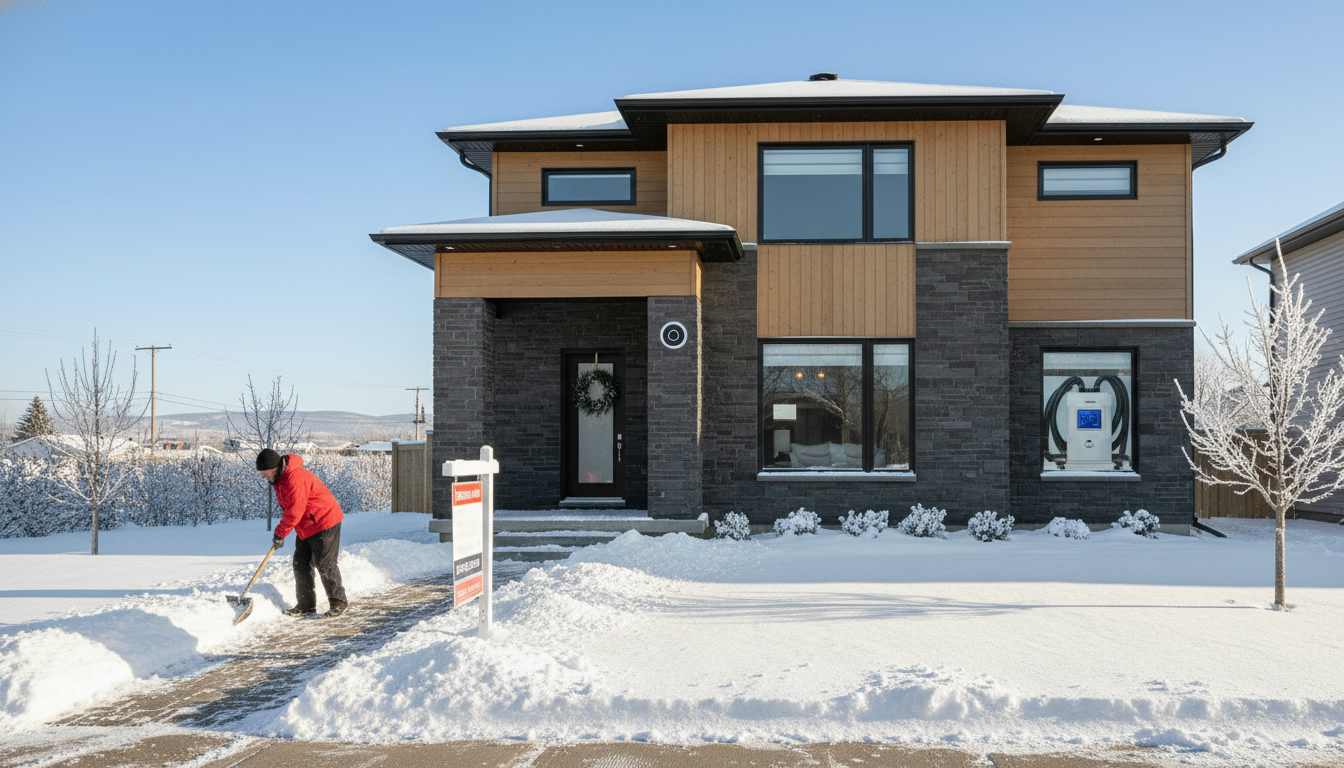
- Snow and ice — blocked driveways and buildup can cause structural stress and slip claims.
- Vacant-home crimes — a listed or clearly empty home attracts opportunistic theft and vandalism.
- Weather storms — heavy rains can overwhelm basements without proper sump and drainage.
Insurance basics for sellers
- Vacancy rules matter: most standard home policies include vacancy/occupancy clauses. If a home is vacant for a set period (commonly 30–60 days), some coverages can be reduced or voided. Before leaving, call your insurer.
- Get a vacancy endorsement if required. This extends coverage for vacant properties, often at a higher premium, but it prevents claim denial.
- Document the property: date-stamped photos, inventory of valuables, and a signed condition report. If you claim later, documentation speeds approval.
Practical steps to protect the home (checklist)
- Communicate with your insurer and mortgage lender
- Tell them exact dates and whether utilities will be on. Ask about vacancy rules and temporary endorsements.
- Turn off or protect plumbing
- For short trips (days–2 weeks): keep heat at 15°C and leave a slow trickle at a basement tap if temperatures will drop.
- For longer winter absences: shut off the main water, drain lines, and add non-toxic antifreeze to traps, or hire a local plumber to winterize.
- Install water detection and automatic shutoff
- Smart water detectors under sinks and by the furnace, and an automatic shutoff valve that closes on leaks will stop a small leak from becoming a claim.
- Use systems that alert you by phone and notify a local contact.
- Protect your electrical and HVAC systems
- Install a smart thermostat to maintain minimum heat and allow remote control.
- Hire a technician to service the furnace before long absences to avoid failures in cold weather.
- Secure the property physically
- Replace weak locks with smart deadbolts and use a monitored security system with signage. Insurers often prefer monitored systems.
- Use interior timers for lights to simulate occupancy during evenings.
- Manage access and showings
- When the home is listed, keep valuables and personal documents offsite. Use secure lockboxes and a licensed realtor for showings rather than public open houses when vacant.
- Maintain the exterior
- Arrange snow removal and lawn care. An unkept yard signals vacancy.
- Ensure downspouts clear and grading slopes away from the foundation.
- Hire a local property manager or trusted neighbour
- For long absences, hire someone for weekly checks, mail clearing, and to respond fast to problems.
- Back up power for sump pumps
- Install a battery backup or water-powered sump pump. Basement floods are often the costliest claims for vacant homes.
- Close the gaps in coverage
- If you’ve done renovations, update your policy limits to reflect increased replacement cost.
Smart devices worth the investment (ROI matters)
- Monitored security alarm (monthly fee, reduces burglary risk and may lower premiums).
- Smart thermostat (maintains temperature; prevents frozen pipes; remote control).
- Water leak sensors + automatic shutoff (targets the number one claim for away homes).
- Video doorbell and exterior cameras (deter theft, provide evidence if needed).
How insurance claims are affected when you’re away
- Delays in discovery make losses worse. A burst pipe that sits for days means replacement over repair and larger claims.
- Failure to notify your insurer about vacancy can lead to denial. Don’t assume the policy auto-covers long absences.
- Quick mitigation matters. A documented, immediate response reduces claim severity and helps payout.
Showing the home while listed: special rules
- Keep essential utilities on. Many buyers want to inspect heating and plumbing. Cutting heat to save money can create claims if a freeze occurs.
- Stage with minimal personal items. Remove jewelry, important papers, and small electronics before showings.
How I help sellers in Georgetown (local advantage)
- I coordinate with insurers, recommend reputable local plumbers and property managers, and arrange rapid-response contractors.
- I’ve handled claims, negotiated with adjusters, and protected sale timelines by preventing issues before they happen.
- You get a single point of contact: listing, risk mitigation plan, and local resources.
Checklist you can copy and follow tonight
- Call your insurer: confirm vacancy rules.
- Schedule a local check: neighbor or manager.
- Install at least two water sensors and a smart thermostat.
- Winterize or set heat to minimum 15°C in cold months.
- Backup sump pump power.
- Remove valuables and secure personal documents.
- Hold mail with Canada Post or have it collected.
Local contacts and useful resources
- Halton Regional Police non-emergency line: use it to request vacation checks and report suspicious activity.
- Town of Halton Hills: check winter bylaws and property maintenance requirements for listed homes.
- Canada Post mail hold service: prevents visible buildup of mail.
Call to action
If you’re selling in Georgetown or preparing a home to sit vacant, don’t guess. One preventable claim can erase your sale proceeds. Contact Tony Sousa for a local risk plan tailored to your property and sale timeline.
Tony Sousa — Georgetown Realtor & Insurance Risk Advisor
- Email: tony@sousasells.ca
- Phone: 416-477-2620
- Website: https://www.sousasells.ca
FAQ — Clear answers sellers ask about protecting homes while away
Q: How long can my house be vacant before insurance issues appear?
A: Most policies trigger vacancy rules between 30–60 days. Always call your insurer to confirm the exact window and whether a vacancy endorsement is required.
Q: Will my insurer pay for water damage if pipes burst while I’m away?
A: It depends. If the home was properly heated or winterized and you followed policy terms, you’re likely covered. If the home was vacant and you didn’t notify the insurer, coverage can be denied.
Q: Should I turn off the water when I leave for winter?
A: For long absences in freezing months, yes. Shutting off the water and draining the lines prevents freezing. For shorter trips, maintain heat at 15°C and consider a slow trickle in a basement tap.
Q: Do smart devices affect insurance premiums?
A: Some insurers offer discounts for monitored alarms, sprinklers, and water-shutoff systems. Keep receipts and certification to show your insurer.
Q: What counts as vacant versus unoccupied?
A: Definitions vary by insurer. ‘‘Vacant’’ often means no furnishings and no occupant for an extended period. ‘‘Unoccupied’’ can be temporary. Confirm with your policy.
Q: Who should I appoint for local checks in Georgetown?
A: Choose a licensed property manager, a trusted neighbour, or your realtor. They should have access, a list of contractors, and authority to act on emergencies.
Q: After a water loss, what’s the first step?
A: Stop the water (shut off main), document with photos and video, call your insurer, and hire a mitigation company to limit damage. Quick mitigation protects your claim.
Q: Does listing a home increase theft risk?
A: It can if the house looks empty. Keep an active showing schedule, monitor visits, and remove valuables from the property while listed.
Q: Are there Georgetown-specific rules I should know?
A: Yes. Follow Town of Halton Hills property standards and snow removal bylaws. Check local contractor availability during winter; book early.
Finish strong
Protecting a home while you’re away is practical, not mystical. Do the basics — inform your insurer, prevent freeze and water damage, secure access, and arrange local checks — and you’ll avoid the claims that stall sales.
Get a tailored, local risk plan. Contact Tony Sousa at tony@sousasells.ca or 416-477-2620. I’ll give a simple, prioritized checklist for your exact property and sale timeline.