Can I record visitors during showings?
Can I secretly record visitors during a showing? Read this first — it could save your sale or land you in legal trouble.
Quick answer: Yes — but don’t do it without clear consent and a plan
If you live in Georgetown, Ontario and you’re selling your home while living in it, recording visitors during showings is possible — but it comes with legal and ethical landmines. The smart move: use visible cameras for security, get consent for audio, disclose clearly, and follow local rules. Do this right and you protect your property and your sale. Do this wrong and you risk broken trust, complaints to RECO, PIPEDA issues, or worse.
Why Georgetown sellers think about recording
Selling while living in the home feels like running two businesses at once: living and marketing. You want to protect valuables, deter theft, and document who came through. Georgetown is competitive — buyers want homes that show well and move fast. That pressure makes sellers think about cameras and recordings as insurance.
But security and marketing aren’t the same. If you’re thinking about recording showings, you need to separate what helps your sale from what can sabotage it.

The legal landscape in Ontario — what you must know
- Audio vs. video: Canada generally allows one-party consent for audio recording if you are part of the conversation. Recording audio of other people without consent can be risky. Video without audio is less risky in common areas, but context matters.
- Reasonable expectation of privacy: Guests in your home during a showing have a lower expectation of privacy than in bedrooms or bathrooms. Never record those private spaces.
- PIPEDA and commercial activity: Real estate showings are commercial activities. Collecting or using personal information (images, identifying audio) can trigger privacy obligations. If you’re a private seller working with an agent, follow their brokerage rules and RECO guidance.
- RECO and local rules: Real Estate Council of Ontario and local real estate boards have rules about signage, disclosures, and agent conduct. A buyer’s agent could file a complaint if they feel recordings were taken without proper notice.
This is a legal grey area. The safe approach: disclose, get consent, and limit recordings to security-only, short retention, and no audio unless agreed.
Practical, safe ways to record showings in Georgetown
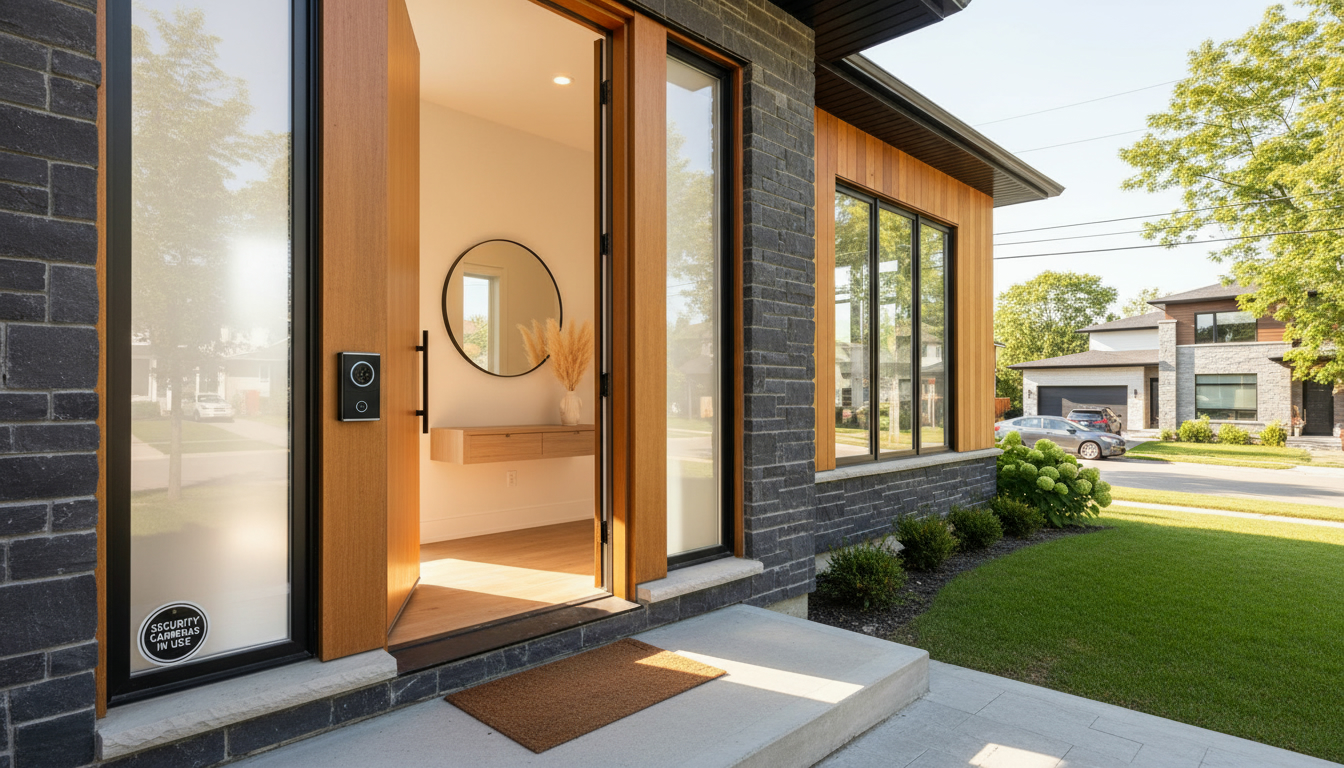
- Use visible security cameras at entry points
- Install a doorbell camera (Ring, Nest) or a fixed camera in the foyer. These deter theft and document entries. Make the camera visible — that single step reduces legal risk and increases trust.
- Put clear, written notices on your listing and at the front door
- Add a short line in your MLS remarks and showing instructions: “Security cameras on property.” Place a printed notice near the front door and in the foyer. Transparency matters.
- Avoid secret audio
- If you want audio, ask upfront and get written consent from the visitors or their agents. Remember: audio increases legal exposure and makes buyers uncomfortable.
- Limit recording zones and retention
- Don’t place cameras in bedrooms, bathrooms, or any private areas. Keep footage for a short, documented retention period (e.g., 30 days) and delete older files. Log access to footage.
- Use staged showings and scheduled times
- Reduce the need for constant recording by booking scheduled, supervised showings. Fewer unscheduled people equals fewer risks.
- Work with your listing agent and brokerage
- Let your agent handle disclosure, consent forms, and showings. They know RECO rules, Halton Hills/Georgetown market norms, and how to reduce friction with cooperating agents.
- Create a short consent form for showings
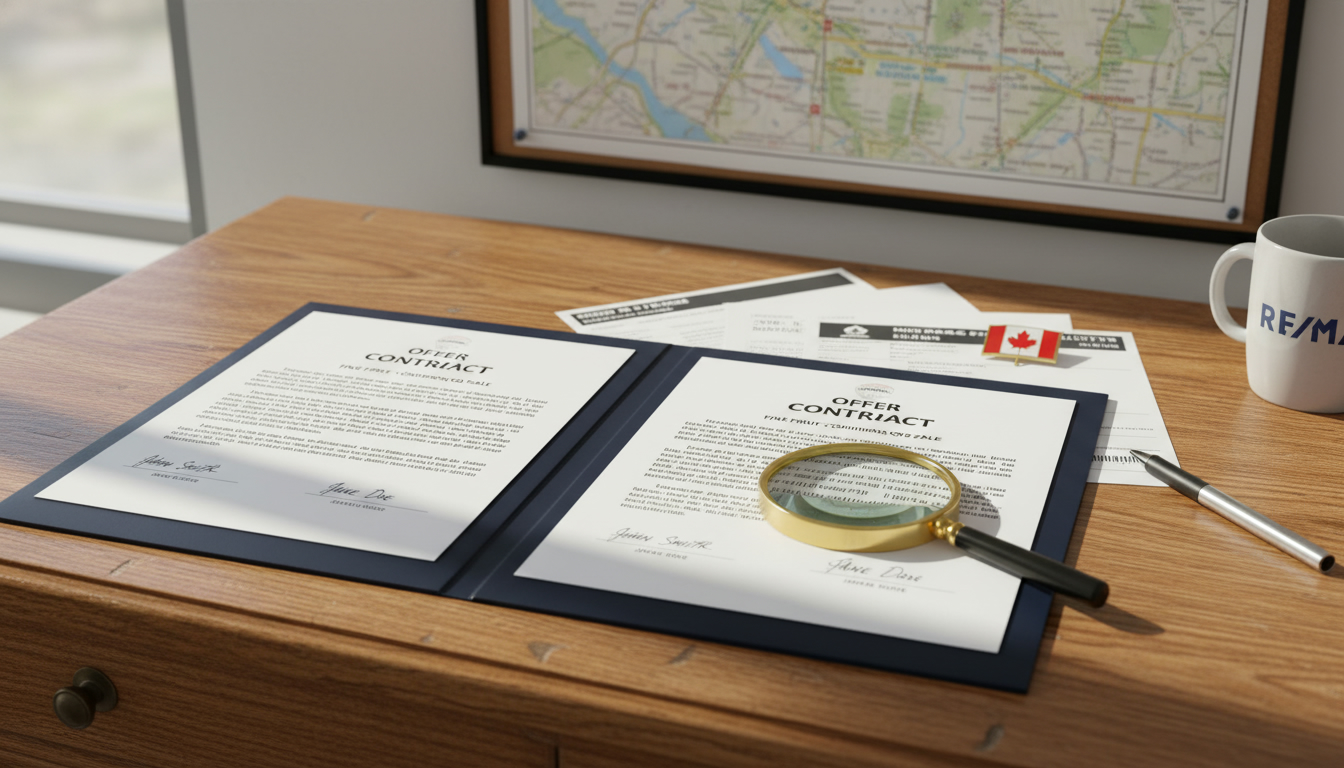
- Use a simple one-page agreement: visitor name, date/time, consent to video recording (no audio), purpose, retention period, signature. Have the buyer’s agent sign when they arrive.
Ethical and sales risks — why trust matters
Buyers want to feel comfortable. Discovering a hidden camera or hidden audio recorder can tank an offer instantly. Even if legally defensible, secret recordings damage reputation. In a community like Georgetown and Halton Hills, word travels fast. Your listing agent’s job is to get the best price. Protect that process by keeping buyers comfortable.
If you’re negotiating multiple offers, don’t risk a bidding war by making buyers paranoid. Use clear security measures and strong showing management instead.
Smart alternatives that protect you without scaring buyers
- Lockable storage for valuables before showings
- Ask buyer’s agents to accompany all visitors
- Use smart locks and track access logs rather than cameras inside the home
- Install motion-activated exterior cameras only
- Keep showings by appointment and require pre-qualification for open houses
These tactics reduce theft risk while avoiding privacy pushback.
How to disclose recordings — exact language that works
Use plain language. Put this in your MLS remarks, showing instructions, and on signage:
“Security cameras are installed at the front entry and exterior of the property. No audio recording. Footage retained for 30 days for security purposes.”
If you plan to record inside (not recommended), use this stronger disclosure and a consent form:
“Interior video recording (no audio) may be used during showings for security. Visitors must sign a one-page consent form prior to entry.”
Keep copies of signed forms and a log. This shows good faith and protects you if questions arise.
When to get legal advice and who to call in Georgetown
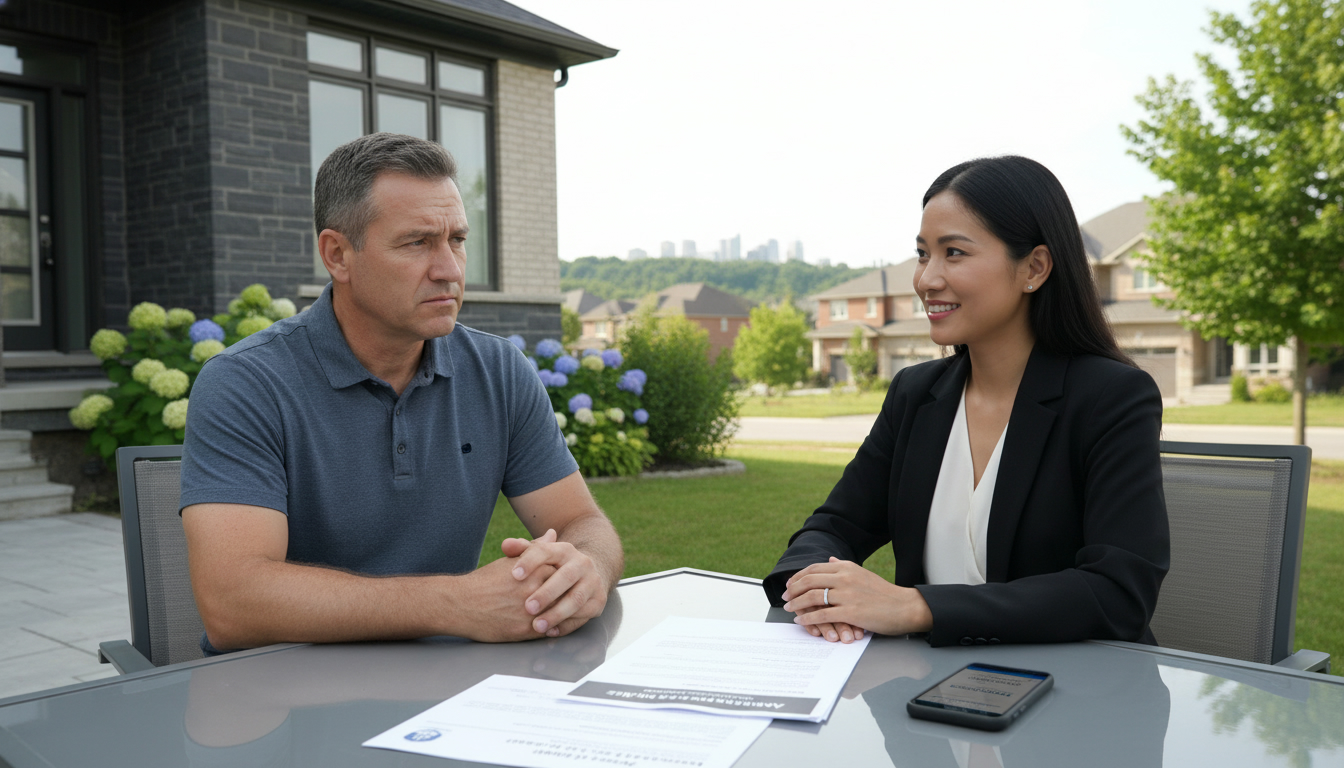
If you plan to record audio, install interior cameras, or post footage publicly, get legal advice. Ask a lawyer experienced in Ontario privacy law and PIPEDA. Talk to your brokerage compliance officer or RECO for guidance specific to real estate practice.
Local resources:
- Real Estate Council of Ontario (RECO)
- Halton Hills real estate boards and local brokerages
- Privacy lawyer with PIPEDA experience
Practical checklist for sellers in Georgetown, ON
- [ ] Tell your listing agent you want cameras
- [ ] Add clear disclosure to MLS and showing instructions
- [ ] Place visible signage at the front door
- [ ] Use exterior/entry cameras only; avoid interior cameras
- [ ] Don’t record audio unless you have written consent
- [ ] Offer scheduled showings and agent accompaniment
- [ ] Use a one-page consent form if interior recording is necessary
- [ ] Keep footage retention short and document deletions
- [ ] Remove valuables and personal items before showings
Local market edge — why this matters in Georgetown
Georgetown buyers are savvy. They value transparency and privacy. A seller who manages security professionally signals responsibility. That leads to better offers and smoother closings. Do the basics right and you keep bargaining power. Act heavy-handed or secretive and you’ll see offers stall.
Closing: protect your home without scaring buyers
You can record showings — but only with the right approach. Be transparent. Limit scope. Prioritize buyer comfort. Work with your agent and local rules. These steps protect your home and your sale.
If you want a short, no-nonsense review of your plan for showings — what to disclose, what to record, and what to avoid — call or email a local Georgetown expert who sells homes while living in them. Get practical, legal-first advice tailored to your property.
Contact:
Tony Sousa — Georgetown Realtor
Email: tony@sousasells.ca
Phone: 416-477-2620
Website: https://www.sousasells.ca
FAQ — Sellers’ most common questions about recording showings in Georgetown
1) Can I record visitors without telling them?
No. Don’t record audio without consent. Video in common areas is less risky, but secret recordings can create legal, ethical, and marketplace problems. Disclose and get consent where needed.
2) What about doorbell cameras?
Doorbell and exterior cameras are common and acceptable if visible. Disclose them in the listing and with a sign at the door. Avoid interior cameras in private rooms.
3) Do I need a written consent form?
If you plan interior video or any audio, use a one-page consent form. For exterior or visible foyer cameras, clear signage plus MLS disclosure may be enough.
4) Will recording footage help if something is stolen?
Yes, footage can help with police reports, insurance claims, and identifying suspects. Keep footage secure and limit access.
5) Can a buyer’s agent refuse to show if cameras are present?
Possibly. Cooperating agents may refuse to bring clients into a home where they feel privacy is at risk. Clear disclosure avoids surprise refusals and maintains good agent relationships.
6) Can I post showing footage online?
Not without consent. Posting identifiable footage of visitors can violate privacy rules and harm your sale.
7) How long can I keep footage?
Keep it short — 30 days is a reasonable default. Document retention and deletion policies.
8) Does RECO have rules about this?
RECO enforces professional conduct and brokerage rules. Check with your brokerage compliance and RECO if you’re unsure.
9) What’s the best option for sellers who live in the house?
Visible exterior cameras, scheduled showings, agent accompaniment, and strong disclosure. Remove valuables and use secure storage for personal items.
10) Who should I contact for help in Georgetown?
Start with your listing agent and brokerage compliance. For legal questions, contact a privacy lawyer experienced with Ontario law. For a local, practical plan to sell while living in your home, reach out to a Georgetown real estate expert.
If you want a straightforward review of your current showing plan — tell me how you’re handling showings and I’ll point out what to fix. Want a tailored checklist for your Georgetown property? Email tony@sousasells.ca or call 416-477-2620.