Can I record visitors during showings?
Shocking Question: Can you secretly record buyers during showings in Milton, ON — and should you?
Quick answer — yes, but don’t do it without thinking
Yes, you can record visitors in your own home in many situations, but the legal, ethical, and practical risks are real. If you’re selling while living in the home in Milton, ON, recording without clear notice can ruin a sale, draw complaints to your Realtor board, and may cross criminal or civil lines if you capture private conversations.
This guide tells you exactly what matters in Milton real estate: what Ontario law allows, what local real estate rules expect, and the step-by-step actions that protect your property, your privacy, and your sale price.
Why this matters for Milton home sellers
You’re living in the house while showing it. You want safety, proof, and control. Recording sounds like an easy answer. But one wrong move and you face legal headaches, a lost sale, or a damaged reputation in Milton’s tight market.
Be smart. Know the law. Protect your interests. Sell faster and for more.
Legal framework: Ontario and Canadian rules you must follow
- Criminal Code (Canada): covert interception of private communications is restricted. If you are a party to a private conversation, you can record that conversation in many cases. Recording a private conversation between two visitors who are unaware and where you are not part of it can be illegal.
- Video vs audio: video-only recordings are treated differently than audio. A visible camera that records video in common spaces where visitors have no expectation of privacy is usually lower risk. Recording audio is riskier and often falls under stricter interception rules.
- Expectation of privacy: bathrooms, bedrooms used as changing areas, or any space where someone expects privacy — do not record. That can be illegal and could lead to criminal charges or civil claims.
- PIPEDA and privacy laws: PIPEDA mainly applies to commercial organizations, not private home sellers. But privacy expectations still matter. If you plan to publish footage (on social media or MLS) you must consider consent and defamation risks.
Bottom line: recording is not a bright-line legal ban — but audio recording and secret recording of private conversations is dangerous. When in doubt, disclose and get consent.
Local rules & REALTOR obligations in Milton, Halton Region
- Realtor boards (TRREB and local boards) have policies about surveillance devices and disclosure. Many boards require that brokers and agents disclose surveillance devices in listings or during showings. If you’re working with a Realtor, they’ll expect you to be transparent.
- If a buyer’s agent discovers a covert camera, they may remove their client from the showing and report the listing. That can slow your sale or spook buyers.
- Real estate lawyers and title insurers will want clean, defensible transactions. Any controversy over privacy can cause buyers to walk.
If you’re listing with a REALTOR, discuss surveillance up front. Most Milton agents will advise full disclosure and visible signage.
Ethical considerations: trust matters more than a camera
Milton buyers choose homes based on emotion and trust. A covert camera chips away at both.
- Trust: Buyers who feel spied on become defensive or leave. That destroys negotiation leverage.
- Reputation: Word travels fast. Realtors in Milton share intel. Negative buzz lowers showings and price.
- Safety vs privacy: Your right to safety is valid. Balanced, transparent steps protect you without destroying buyer confidence.
Ethics aren’t optional. They keep deals clean and fast.
Practical options for sellers living in the home — smart, legal, and effective
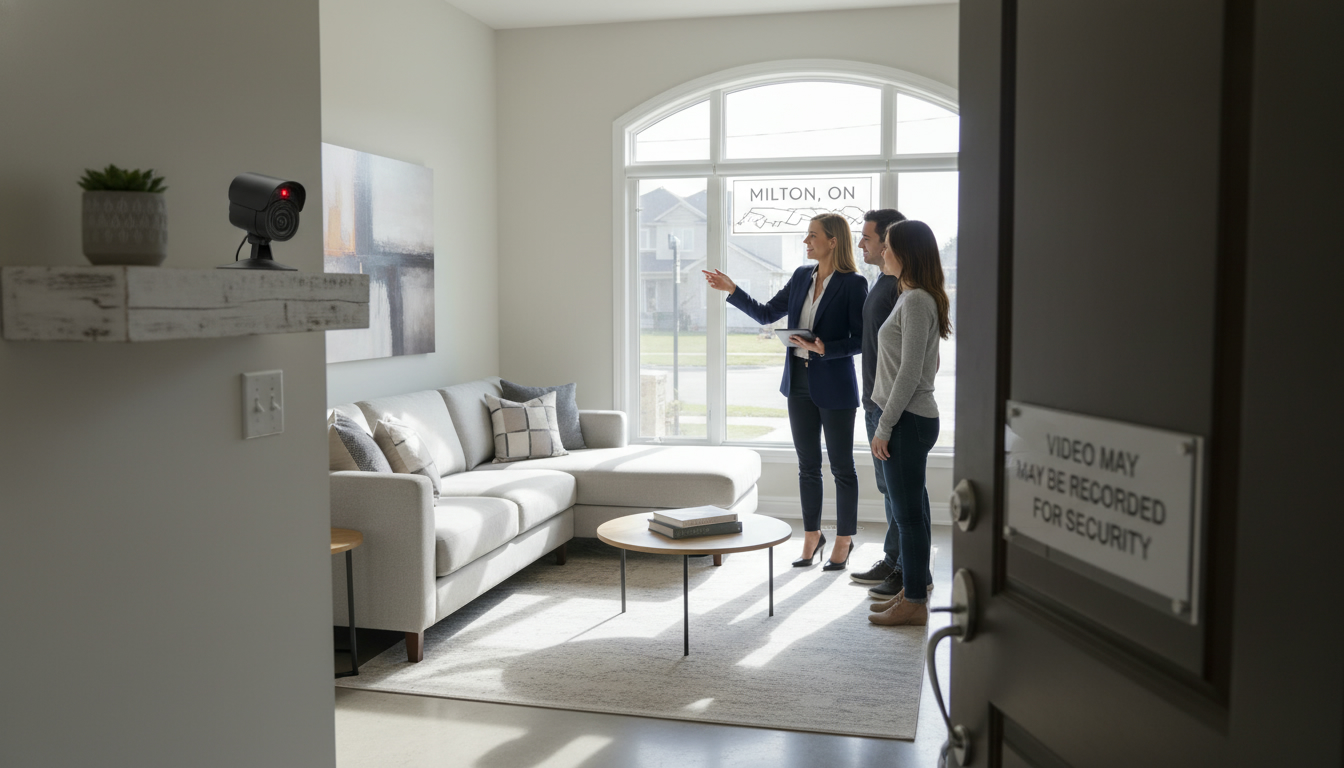
- Use visible security cameras with prominent notice
- Place small cameras near the front door or main living area where they’re obviously visible.
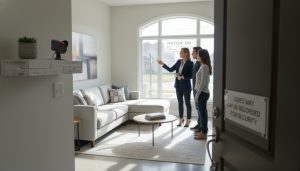
- Put a sign on the front door: “Video may be recorded for security and marketing.” That simple notice reduces legal risk and keeps buyers calm.
- Avoid audio recording during showings
- Turn off audio capture on any cameras used for showings. Video-only is safer and still gives you a record of who visited.
- Schedule showings when you can step out
- The easiest way to avoid privacy issues: leave during showings. Do errands, take a walk, or meet a friend. Buyers relax when homeowners aren’t lurking.
- Offer virtual showings recorded by your agent
- Let your agent host live virtual tours. They can record with consent and use footage for marketing.
- Use written consent when necessary
- If you want to record an open house or a specific interaction, ask visitors to sign a simple consent form. Keep it short, clear, and visible.
- Remove valuables and personal items
- The real reason many sellers want cameras is security. Remove jewelry, cash, and sensitive documents instead of relying on covert recording.
- Add explicit listing notes for surveillance
- If your property uses cameras, disclose it in the MLS remarks. Agents in Milton expect transparency.

How to notify visitors — simple scripts that work
- Front door sign: “NOTICE: Video surveillance in use for security and marketing. By entering the property you consent to video recording. No audio recording.”
- Verbal script for agents: “We have visible video cameras for security. We do not record audio. If you prefer, we can schedule another time when the homeowner is away.”
- Written consent sample: one-line form saying the visitor consents to video recording for security and marketing, no audio, optional signature and date.
Clear, short notices reduce risk and keep showings smooth.
Evidence and disputes: will a recording help you in court?
A recording can prove wrongdoing, but it can also become the centrepiece of a complaint. Courts may accept recordings made by one party, but evidence rules vary. If a recording was taken illegally (surreptitious audio intercept), it could be excluded and lead to penalties.
If you believe a visitor stole property or behaved criminally, call police first. Tell them you have footage. Preserve the footage securely and get legal advice before sharing it widely.
What top Milton buyers and agents expect
- Full disclosure of security systems in listings and at the door
- No hidden cameras or secret audio recording
- Homeowner not present during showings when practical
Comply with these expectations and your home will show cleaner, faster, and for more money.
Positioning you to win the sale (how I help Milton sellers)
I position sellers to win offers. I teach clear disclosure, staging, and safety steps that remove the temptation for covert recording. I work with trusted local photographers and agents to produce virtual tours, so you don’t need to be home. If you want to sell while living in the house, do it on your terms — legally, ethically, and profitably.
Contact: Tony Sousa — tony@sousasells.ca | 416-477-2620 | https://www.sousasells.ca
Quick checklist for Milton sellers who want security and sales
- Turn off audio on any cameras used during showings
- Post visible signage at the front door
- Disclose cameras in your MLS listing notes and tell your agent
- Schedule showings when you can leave the home
- Offer virtual tours as a first step
- Remove valuables and personal documents
- Keep footage secure and consult a lawyer before publishing it
Following this checklist protects you and speeds your sale.
FAQ — Common seller questions about selling while living in the home in Milton
Can I put a hidden camera to catch potential thieves during showings?
No. Hidden cameras that record audio or private conversations risk breaking Canadian law and Realtor rules. Use visible cameras and clear notices instead.
Is audio recording legal if I’m part of the conversation?
If you are part of the conversation, recording audio is often allowed under Canadian rules. But recording others’ private conversations without being part of them can be illegal. When showings involve agents and buyers, avoid audio to remove risk.
Do I have to tell my listing agent if I have cameras?
Yes. Tell your agent. Most agents will require disclosure because boards may have specific rules. Hiding cameras can lead to a reported complaint and cancelled showings.
Will buyers be scared off if I disclose I use cameras?
No — if you disclose clearly and position it as security and marketing. Buyers respect transparency. Hidden devices scare buyers.
Can footage be used as evidence if something is stolen?
Potentially yes. Keep original files, note timestamps, and call police. Get legal advice before posting footage publicly.
How do I balance safety with privacy when selling while living in the home?
Remove valuables, use visible cameras, post notice, and schedule showings when you can step out. Those steps protect you and maintain buyer trust.
What areas should never be recorded?
Bathrooms, bedrooms being used as changing areas, and any space where visitors have a reasonable expectation of privacy.
What happens if a buyer’s agent discovers a hidden recorder?
They may end the showing, report you to the listing board, and advise their client to walk. That can cost you offers and time on market.
Should I consult a lawyer?
Yes, consult a real estate lawyer if you plan to keep and use recordings. Laws and evidence rules change and a lawyer protects your rights.
Final take: sell smarter, not secretly
You can protect your home and record showings, but you have to be open, sensible, and legal. Remove the temptation to hide a camera. Use visible security, post clear notices, shut off audio, and leave during showings when possible.
Do it right and you sell faster, with fewer headaches, and you keep the higher sale price you worked for.
Want pragmatic help selling while living in your Milton home? Contact Tony Sousa — tony@sousasells.ca | 416-477-2620 | https://www.sousasells.ca