
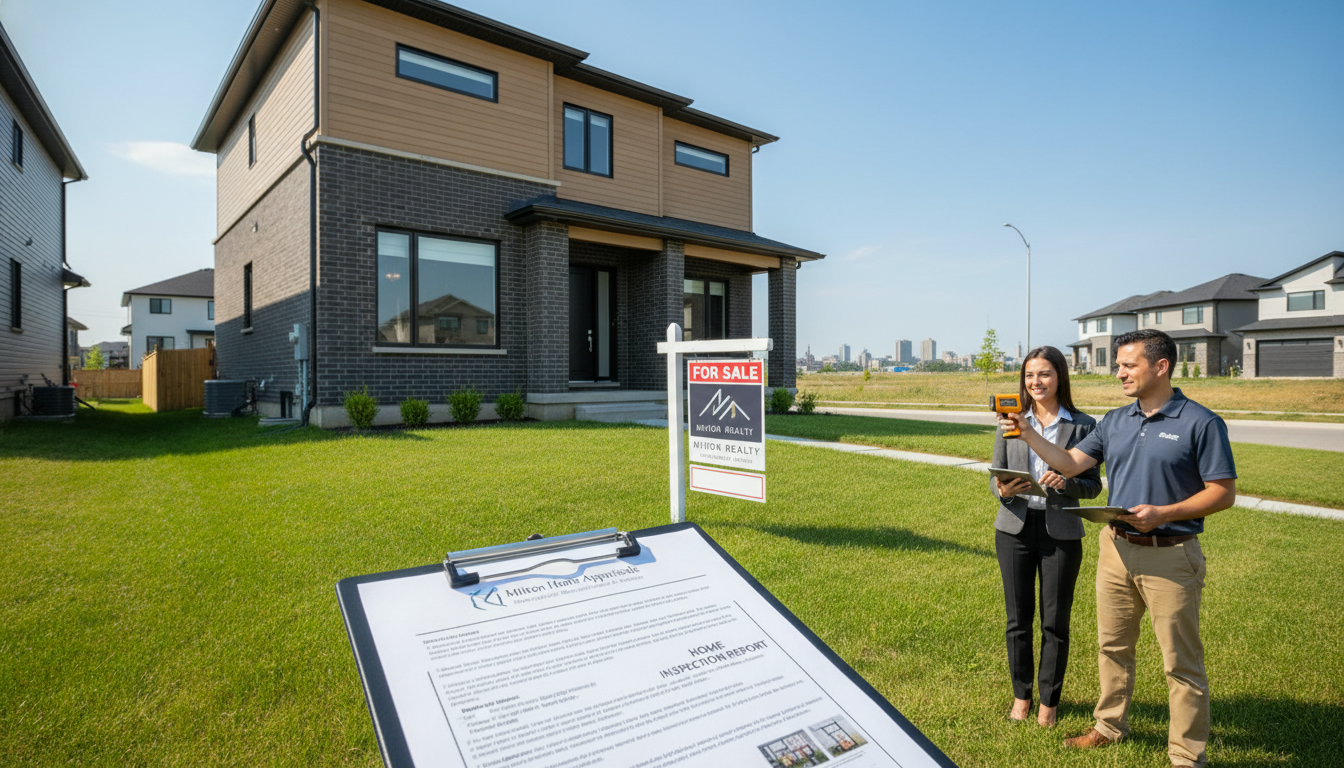
What if I refuse to fix issues?
What happens if you refuse to fix issues before selling your Milton home — and why that decision could cost you tens of thousands?
Quick hook: refusing to fix problems can kill your sale, cut your price, or land you in legal trouble — here’s how to avoid those outcomes and keep control.
Why this matters in Milton
Milton is not just a bedroom community. It’s a fast-growing Halton market with buyers who commute to Toronto, families drawn to new schools, and investors watching supply tighten. That means offers can be competitive — or fragile. A smart buyer will use a home inspection or appraisal as leverage. If you refuse to fix issues, you give them the leverage.
This post gives clear, direct steps you can take to protect value, reduce risk, and still sell on your terms. Read it like a negotiation plan.

How inspections and appraisals work — the short version
- Home inspection: a licensed inspector checks visible systems and components (roof, foundation, plumbing, electrical, HVAC, basement). It’s for buyers to understand condition and negotiate.
- Appraisal: ordered by a lender to estimate fair market value and confirm loan-to-value. An appraiser looks at condition and comparable sales.
Both reports matter. An inspector flags problems. An appraiser converts condition into dollar value.
Refusing to fix issues — the three likely outcomes
- Buyers ask for a price reduction or credit
Buyers won’t always walk. More often they rework the math. If a roof needs work, expect them to subtract repair costs plus a margin (contractors don’t come cheap). That means you lose more than the repair bill.
- Buyers walk away from conditional offers
In Milton’s mix of first-time buyers and investors, some will simply walk if the repair list is long. Conditional offers often include an inspection clause. If you refuse to repair, you may lose the sale and your time on market increases.
- Appraisal issues kill financing
Even if you accept an offer, the lender’s appraisal can sink the deal. Appraisers reduce value for visible defects. If the appraisal comes in low and you won’t fix or lower the price, the buyer’s financing may fail and the sale collapses.
Legal and disclosure risks in Ontario (straight talk)
You must disclose known material defects. Ontario law expects honesty about latent defects — problems not obvious to a buyer. Hiding serious issues and refusing to repair after accepting an offer can invite legal claims later. That can mean financial exposure and reputational damage.
Do not gamble on burying problems. Transparency protects you and helps a real estate professional negotiate from a position of trust.
Milton-specific realities to weigh
- Age and styles: Many Milton homes are newer than some Toronto neighbourhoods, but older semi-detached and rural homes exist. Common issues here include basement water, aging shingles, furnace age, and grading/drainage problems.
- Buyer profile: Commuters want reliable systems. Young families want move-in-ready properties. Investors look strictly at numbers.
- Market cycles: In a hot season, buyers may accept minor issues. In a cooler market, every defect is bargaining power for the buyer.
Local knowledge matters. A realtor who sells in Milton daily knows which issues are deal-breakers and which buyers will overlook.

Repair vs. credit — how to decide like a pro
- Get a pre-listing inspection
This removes surprises. You’ll know the issue list up front and can price or fix accordingly. Sellers who list with known issues get cleaner offers.
- Price for condition or fix the biggest items
If repairs are cosmetic or cheap, fix them. If the work is structural or costly, you may offer a credit or adjust the asking price. Buyers prefer certainty. A small credit can keep the sale moving.
- Prioritize safety and code issues
Fix anything that affects safety or compliance (electrical hazards, active leaks, unsafe decks). Lenders and buyers take these seriously. Unfixed safety items often force a deal to collapse.
- Get contractor estimates, not guesswork
A buyer will assume the worst if you give a vague number. Get written quotes and present them. If you refuse to fix, a contractor’s estimate gives you a defensible number for negotiation.
Negotiation tactics when you refuse to fix
- Offer a credit at closing instead of doing the work. This keeps the buyer’s flexibility and you avoid contractor delays.
- Lower the price instead of making repairs. Some buyers prefer price adjustments to dealing with repairs.
- Offer a limited home warranty. For modest defects, a one-year warranty can remove buyer fear.
- Be ready to split costs on higher-ticket items. Compromise sells houses.
What happens to appraisal value if you don’t fix issues?
Appraisers reduce value for defects that affect marketability and comparables. If your home sells for $800,000 but the appraiser sees a major defect that would reduce comparable sale prices by $20,000, the lender may value the property at $780,000. If the buyer’s mortgage depended on the higher number, you face renegotiation or a collapsed deal.
An appraisal gap can also force the buyer to bring more cash. Many buyers can’t do that. That’s why pre-listing fixes or credit strategies are often cheaper than losing a sale.
Cost/benefit example — quick math
- Roof needs $10,000 repair. Buyer subtracts repair + 15% margin = $11,500. Or appraiser knocks $15,000 off value. You refuse to fix and lose $11,500–$15,000 in value or lose the sale.
- If repair costs $10,000 and it increases buyer confidence and marketability, you might keep full price and sell faster. Net benefit: quicker closing and higher net proceeds.
Numbers matter. Sell with clear estimates, not guesses.

Practical checklist before you list
- Order a pre-listing inspection.
- Get two contractor quotes for any recommended repairs.
- Decide which repairs you’ll do, which you’ll credit, and which you’ll disclose.
- Adjust your price to reflect condition honestly.
- Prepare a Seller Property Information summary for buyers.
- List with a Milton-savvy realtor who knows local buyer expectations.
Final play: sell with power, not fear
Refusing to fix issues is a negotiation choice. It can work if you plan for the consequences. The smarter path is to enter the market knowing weaknesses, pricing them in, or offering solutions that buyers accept. That preserves value and reduces the chance of a collapsed deal.
If you want the aggressive, numbers-first approach: get a pre-listing inspection, obtain contractor quotes, and list with a local agent who fights for the right buyer. That’s how you convert risk into leverage.
Contact for Milton sellers
Want straightforward advice tailored to Milton? Talk to Tony Sousa, Milton real estate expert: tony@sousasells.ca | 416-477-2620 | https://www.sousasells.ca
FAQ — Home inspections, appraisals, and refusing to fix issues (Milton, ON)
Q: Can I sell “as-is” in Milton?
A: Yes. You can market the property as sold “as-is,” but you still must disclose known material defects. Expect price reductions or a smaller buyer pool.
Q: Will a buyer’s inspection force me to fix items?
A: No. It creates a negotiation. Buyers can request repairs, credits, or walk away if they have a conditional offer. Being prepared reduces surprises.
Q: Does an appraisal consider repairs?
A: Yes. Appraisers adjust value based on condition. Major defects can reduce appraised value and affect mortgage approval.
Q: What if I refuse to fix and the buyer’s financing falls through?
A: If the sale fails because of appraisal or lender conditions, you may relist. You’ll lose time and possibly more money than if you addressed key issues upfront.
Q: Should I get a pre-listing inspection?
A: Absolutely. It gives you pricing power and reduces surprises. Many sellers who do this net faster offers and stronger terms.
Q: How much should I repair before listing?
A: Fix safety and code issues. Repair high-visibility items that affect buyer confidence (leaks, mold, major HVAC issues). For other items, obtain quotes and consider credits.
Q: What are common Milton repair issues to watch for?
A: Basement dampness, grading/drainage, roof shingles, older furnaces, and window seals. Local builders and trades are familiar with these common problems.
Q: Can I offer a credit instead of doing the repairs?
A: Yes. Credits at closing are common and often preferred. They allow buyers to choose contractors they trust.
Q: Could refusing to fix lead to legal trouble later?
A: If you knowingly hid a material defect, yes. Honest disclosure protects you. Consult a lawyer for specific cases.
Q: Does the local market affect whether I should fix issues?
A: Yes. In a seller’s market, buyers may accept minor defects. In a buyer’s market, every defect becomes bargaining power. Your agent must read local conditions.
If you’re selling in Milton and want clear, practical next steps — contact Tony Sousa at tony@sousasells.ca or 416-477-2620. He’ll give a direct assessment and a plan to maximize your net proceeds while minimizing surprises.