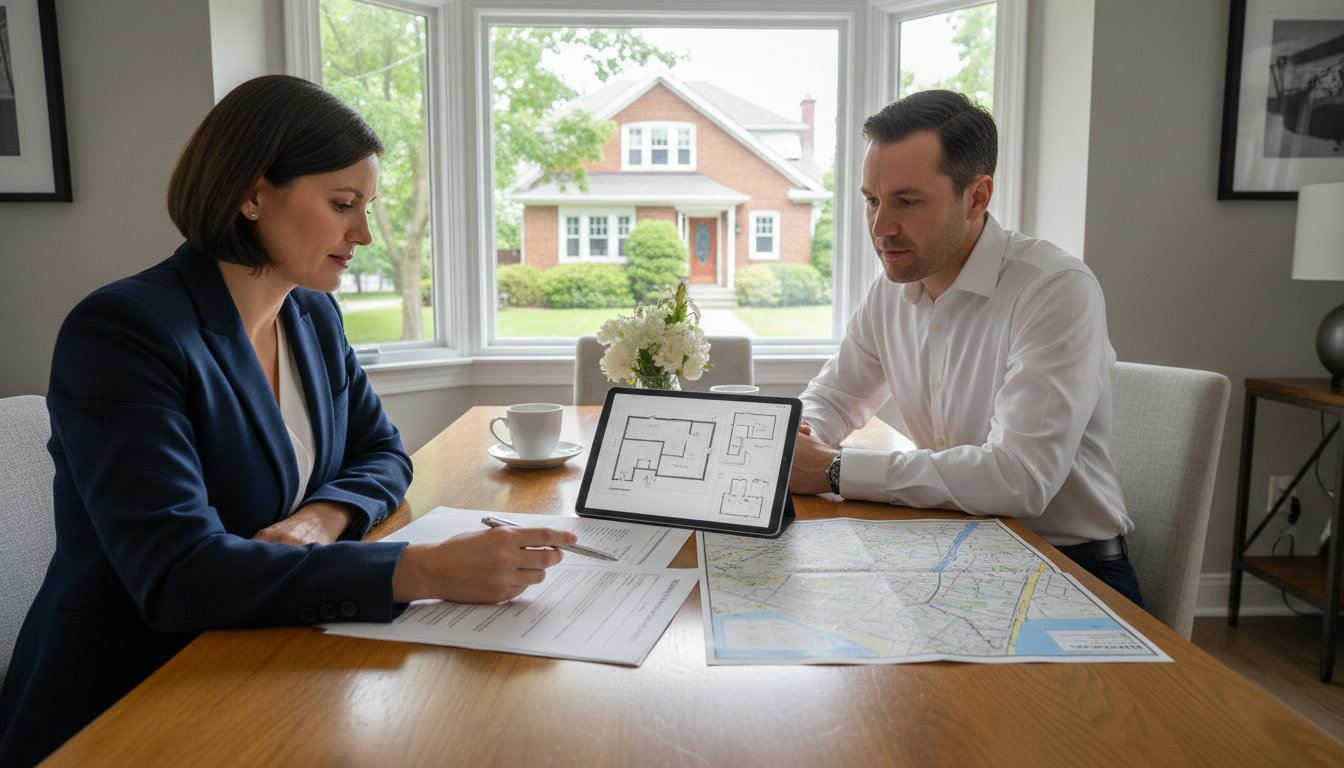
How do I review property disclosure statements?
Want to avoid a lawsuit and sell fast? Here’s the no-fluff method to review a property disclosure statement so buyers trust you — and lawyers don’t bite.
Why this matters for Georgetown home sellers
Property disclosure statements (often called SPIS or seller disclosure) are not just paperwork. They are your legal shield and your selling magnet. In Ontario, sellers must not hide known defects. “As is” doesn’t mean “as lied about.” In Georgetown and Halton Hills, where older homes, rural lots, and conservation rules mix, a sloppy disclosure can cost you money, time, and cause a lawsuit.
This post gives a direct, step-by-step process to review any property disclosure statement. Do it right and you sell faster, with fewer headaches. Do it wrong and the buyer can sue for misrepresentation.
Quick definitions — know these words
- Property Disclosure Statement / SPIS: A document where the seller answers questions about the home.
- Latent defect: A hidden problem the seller knows about (e.g., past foundation issue, hidden water damage).
- Patent defect: A visible problem a buyer could notice on inspection (e.g., cracked window).
- Misrepresentation: False or misleading statements that can lead to rescission or damages.
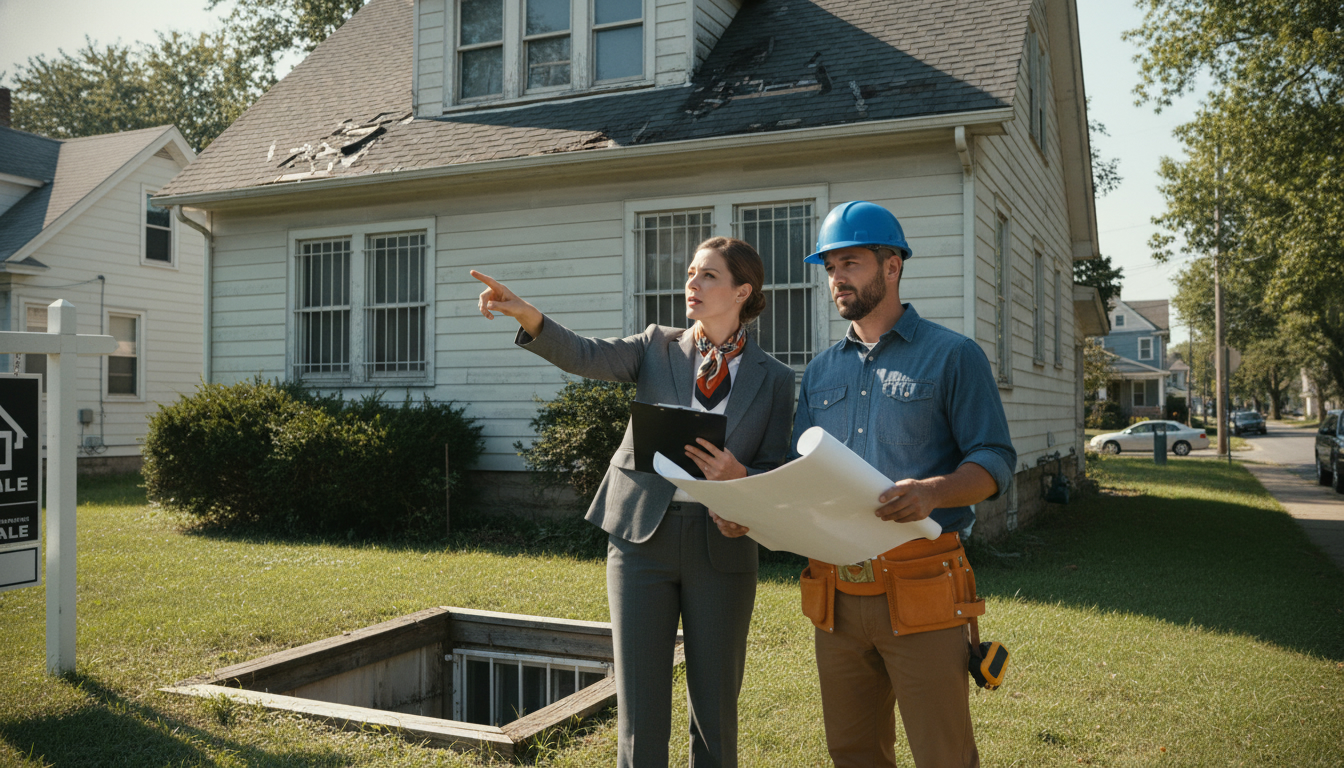
The one-minute test (do this first)
Read the whole disclosure front to back. If anything looks vague, circle it. If something is blank, highlight it. A blank answer is a liability.
If readers want a shortcut: if the disclosure has any inconsistencies with the listing or with known facts about the property, stop and investigate.
9-step playbook to review a property disclosure statement (do this exactly)
- Confirm the correct address and legal description
- Make sure the SPIS matches the municipal address and the legal description on the deed. Mistakes here create confusion down the road.
- Cross-check with your listing and MLS details
- Bedrooms, bathrooms, renovations, finished basements, parking — every claim in the listing must match the disclosure. If the listing says “finished basement” but the disclosure says “no permits for basement work,” fix it.
- Check for boxes left blank or marked “unknown”
- Fill blanks. “Unknown” is risky. If you don’t know, investigate (see step 6). Buyers’ lawyers read those blanks like red flags.
- Identify any renovations, additions, or repairs
- For each item, gather permits, receipts, contractor contact info, and inspection reports. In Georgetown, Halton Hills enforces permits strictly. Unpermitted work can be subject to municipal orders.
- Inspect for water, drainage, and basement history
- Georgetown sees older foundation work and seasonal water issues in low-lying lots. Disclose past flooding, sump pump installs, basement waterproofing, and any sewer backups.
- Check septic, wells and utilities (if rural or older property)
- Many Georgetown-area properties near the town edge or on larger lots have septic systems or wells. Provide maintenance records, recent inspections, and capacity details. If unknown, order a septic inspection before listing.
- Note environmental and conservation restrictions
- Check Conservation Halton and local bylaws. Properties near the Credit River or creeks may have restrictions or require permits for changes. Disclose any tree-protection orders, floodplain history, or conservation approvals.
- Confirm electrical, heating, and municipal compliance
- Disclose any aluminum wiring, knob-and-tube, breaker issues, or heating system problems. If prior permits required inspections, keep reports on file. George-town (Halton Hills) building department records can confirm final inspections.
- List all legal encumbrances and easements
- Easements, rights-of-way, drainage agreements, or shared driveways must be disclosed. Buyers can be surprised by neighbour agreements that limit use.
Documents to collect and attach to your disclosure
- Copies of permits and final inspection reports
- Contractor receipts and warranties for major work
- Pre-listing inspection (strongly recommended)
- Septic/well inspection reports
- Survey or property sketch showing lot lines and encroachments
- Insurance claim records relating to the property
- Any municipal orders or letters from Halton Hills or Conservation Halton
Attach copies or have them ready to produce. Digital copies are fine, but keep originals.
Red flags that need immediate attention
- Blank or “unknown” answers for structure, septic, or flood history
- An answer that contradicts a permit or inspection record
- Multiple recent repairs without receipts
- Disputes with neighbours about boundaries or encroachments
If you find a red flag: stop, get an inspection, and correct the disclosure. Don’t gamble.

How to answer sensitive questions (be smart, be honest)
- If you fixed a problem, disclose it and provide receipts. Buyers prefer honesty with proof.
- If you don’t know, say “to the best of my knowledge” and follow up with a concrete effort (e.g., ordered septic inspection).
- Avoid legal language. Be plain. “There was a water event in 2018; repaired; receipts attached” is better than vague phrasing.
Legal checklist for Georgetown sellers
- Know that SPIS is not mandatory in Ontario, but misrepresentation law still applies. “No SPIS” is not protection.
- Don’t rely on “as is” to hide known defects. Courts consider whether the seller actively concealed or misrepresented.
- Keep records of what you disclosed and when. Timestamp emails, text messages, and provide the buyer copies.
- Work with a real estate lawyer for final review. Lawyers catch title issues, liens, or municipal charges faster than agents.
Pre-listing inspection: why top sellers in Georgetown do it
A pre-listing inspection does three things:
- Reveals defects you can fix before listing (increase sale price).
- Gives you documentation to support the disclosure.
- Reduces the risk of buyer rescission or lawsuit.
If you want the highest price and fastest close, pay for the inspection. It shows you’re serious and reduces buyer uncertainty.
Local tips that matter in Georgetown, ON
- Check Halton Hills building permits online or at municipal offices for any permits tied to your address.
- Reach out to Conservation Halton if your lot backs onto wetlands or creeks. They’ll confirm any development limits.
- Older Georgetown homes often have updates done piecemeal. Collect all receipts for roof, furnace, electrical, and plumbing.
- If you’re in a condo or townhouse, request the status certificate (condo docs) early. Buyers expect it.

Final steps before signing the disclosure
- Run the one-minute test again. No blank answers. No contradictions with listings.
- Attach supporting docs. Keep a copy for your records.
- Have your lawyer review the disclosure and any unusual clauses.
- Consider adding a cover note: one paragraph explaining that you provided full records and welcome a buyer inspection.
How this protects you legally
Clear, consistent, documented disclosure reduces claims of misrepresentation. If you disclose known issues with proof and let buyers inspect, courts are less likely to award rescission or damages.
If a buyer claims you hid something, your organized file—signed disclosure, receipts, inspection reports—becomes your defence.
What to do if a buyer finds an undisclosed problem
- Review your disclosure and documents.
- Consult your lawyer immediately.
- If the issue was unknown to you, be ready to show proof of good faith (no prior complaints, recent inspections).
- Negotiate: offer repair, credit, or finalize based on legal counsel.
Do not ignore the buyer or the lawyer’s letter.
Call to action — get this done the right way
If you want a fast sale and legal peace of mind in Georgetown, don’t guess. Get a pre-listing inspection, gather permits and receipts, and have a lawyer review your disclosure.
For help reviewing your property disclosure, audit of permits, or pre-listing prep in Georgetown and Halton Hills, contact Tony Sousa: tony@sousasells.ca | 416-477-2620 | https://www.sousasells.ca

FAQ — Property Disclosure Statements for Sellers in Georgetown
Q: Is a Seller Property Information Statement (SPIS) mandatory in Ontario?
A: No, SPIS is not mandatory. But you still must not misrepresent known issues. Doing a SPIS and attaching proof lowers your legal risk.
Q: What must I disclose in Georgetown?
A: Disclose known latent defects, unpermitted renovations, flooding or drainage issues, septic/well history, easements, municipal orders, and conservation restrictions.
Q: What happens if I don’t disclose something I didn’t know?
A: If you genuinely didn’t know, and you can prove good faith (no complaints, inspections after discovery), your legal exposure is lower. Still consult a lawyer quickly.
Q: Should I get a pre-listing inspection?
A: Yes. It speeds sales, increases buyer trust, and provides documentation for your disclosure.
Q: Who reviews the disclosure legally?
A: Your real estate lawyer should review for title issues, liens, and legal wording. Your agent reviews for market and listing accuracy.
Q: What local records should I check in Halton Hills?
A: Building permits, municipal orders, Conservation Halton records, and property tax arrears.
Q: Can a buyer back out if I disclose issues?
A: Buyers can change their mind, but disclosure reduces the chance of rescission or a successful misrepresentation claim. Transparency gives you negotiation leverage.
Q: How long should I keep records after the sale?
A: Keep records for several years. If a claim arises, you’ll need receipts, permits, and correspondence.
Actionable checklist (print this):
- Read disclosure end-to-end
- Fill all blanks; avoid “unknown”
- Attach permits, receipts, inspections
- Pre-listing inspection if unsure
- Consult a real estate lawyer before final signing
Do this once and you remove 80% of sale friction.
Contact: tony@sousasells.ca | 416-477-2620 | https://www.sousasells.ca