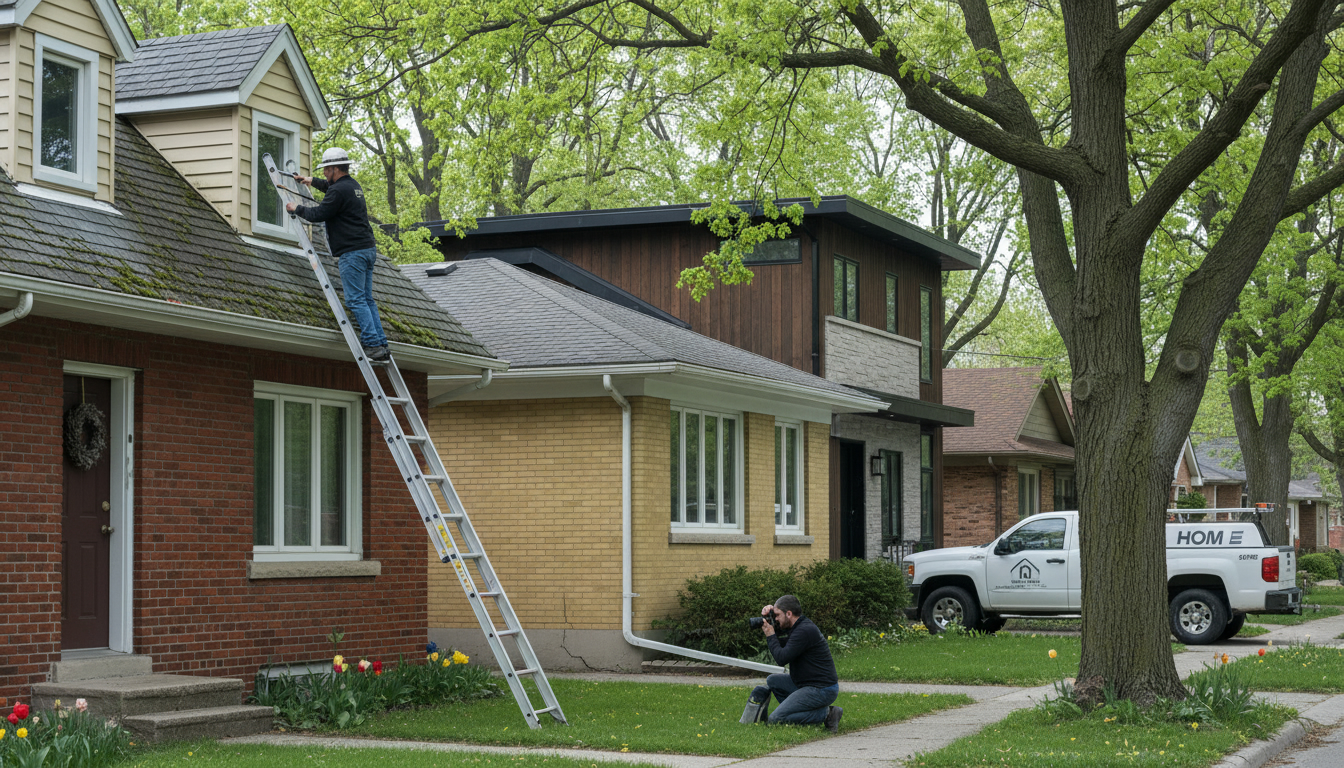
How do I assess the roof and foundation
condition?
Is your roof or foundation hiding a deal-killer? Read this fast — do these checks today and know if your house is sale-ready or needs work.
Why this matters in Georgetown, ON
Georgetown sees cold winters, freeze-thaw cycles and heavy spring rains. Mature trees line many streets. Homes range from century-old solid builds to mid-century bungalows and modern infill. Those local facts change what you look for.
Buyers in Georgetown expect move-in condition. If you’re selling, a surprise roof or foundation issue can eat your sale, lower offers, or kill the deal. If you own, catching problems early saves money.
This post gives step-by-step checks, what the signs mean, rough cost ranges, and when to call pros. No fluff. Follow this and you’ll be ready to negotiate or plan repairs.
Quick preparation: what you need
- Flashlight
- Ladder (use safely or skip exterior ladder work and hire a pro)
- Camera or phone to take photos
- Tape measure
- Notepad
Wear boots. If you don’t feel safe on a ladder, skip the roof climb and do the rest.
Fast roof assessment (10–30 minutes)
- Check the age
- Find the paperwork or ask the seller. Asphalt shingles: 15–25 years typical. Cedar shakes: 20–30 years with maintenance. Older roofs often need replacement.
- Look from the curb
- Missing shingles, dark streaks, sagging, or uneven lines are red flags.
- Moss or heavy algae growth means trapped moisture and faster deterioration — common under trees in Georgetown.
- Inspect gutters and downspouts
- Granule piles in gutters = asphalt shingle wear.
- Rust, holes, or sagging gutters point to poor drainage and roof edge damage.
- Examine flashing and roof penetrations
- Check around chimneys, vents, and skylights for cracked or lifted flashing. Failed flashing is a common leak source.
- Interior signs
- Stains on ceilings or walls, peeling paint, or bulging drywall are leak signals.
- In the attic, look for daylight between rafters, water stains, mold, or wet insulation.
- Ventilation and insulation
- Poor attic ventilation causes ice damming in winter — a Georgetown winter issue. Look for blocked soffit vents and inadequate insulation.
- Listen for leaks after rain
- Any drip or active leak means immediate action.
What it likely means
- Small missing shingles or a few cracked flashing seams: repair now, replace in 3–7 years.
- Widespread granule loss, curling shingles, sagging roofline: budget for replacement now.
Cost ballpark (Georgetown area)
- Minor repairs: $200–$1,000.
- Roof replacement (asphalt): $7,000–$20,000 depending on size and pitch.
- Ventilation/insulation corrections: $500–$3,000.
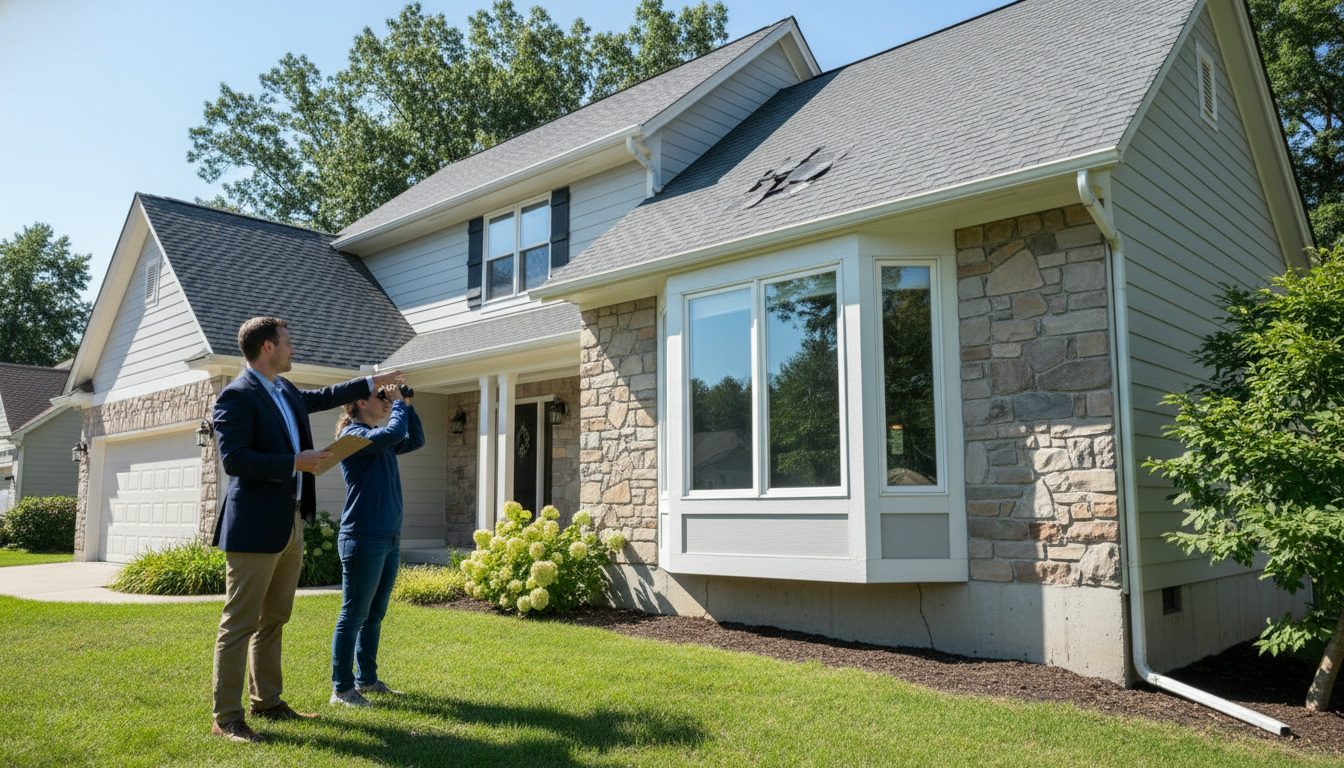
Fast foundation assessment (15–45 minutes)
- Walk the exterior
- Look for vertical hairline cracks vs. wide cracks. Small vertical cracks are common in older poured foundations and often cosmetic. Horizontal cracks or large offset cracks are structural concerns.
- Check for stair-step cracks in brick or block work.
- Check grading and drainage
- Soil should slope away from the house at least 6 inches over the first 1–2 meters. Flat or inward slopes direct water to the foundation — the top cause of basement issues in Georgetown after heavy rains.
- Downspouts must discharge at least 1.5–2 meters away or into functioning storm sewers.
- Inspect for moisture signs
- Efflorescence (white powder) on walls, damp patches, or peeling paint inside the basement indicate water penetration.
- Musty smell, mold, or visible water stains are serious.
- Interior door and floor checks
- Doors or windows that suddenly stick, or floors that slope, show settlement.
- Cracked interior drywall over door frames or sudden gaps are warning signs.
- Basement floor cracks
- Hairline cracks are common and often non-structural.
- Wide, expanding cracks or raised slabs need prompt evaluation.
- Look for bowing or leaning walls
- Any inward bulge is a structural emergency. Common causes are hydrostatic pressure and poor lateral support.
What it likely means
- Small vertical cracks and minor moisture: fix grading, downspouts, and add interior sealants.
- Horizontal cracks, large offsets, or bowing walls: call a structural engineer and foundation contractor.
Cost ballpark (Georgetown area)
- Simple crack sealing and exterior drainage fixes: $500–$3,000.
- Interior waterproofing with sump pump: $2,000–$8,000.
- Structural foundation repairs (helical anchors, underpinning): $8,000–$40,000+ depending on severity.
Georgetown-specific risks and tips
- Freeze-thaw cycles: Repeated freeze and thaw in winter/spring makes small cracks grow. Check early spring after thaw.
- Mature trees: Roots can compromise shallow services and pull moisture from soil, causing settlement. Trim and evaluate nearby large trees if you have new foundation movement.
- Older stone or brick foundations: Many older Georgetown homes have stone or brick foundations that look solid but leak. These often require targeted repointing or interior waterproofing.
- Buyer expectations: Local buyers expect good drainage, updated roofs, and dry basements. A seller who fixes or discloses these issues often gets faster sales at better prices.
Step-by-step action plan (what to do next)
- Do the simple checks above and photograph everything.
- Fix immediate safety or active leaks: hire a roofer for temporary or permanent fixes.
- Correct drainage problems: extend downspouts, regrade soil away from house, install catch basins if needed.
- For concerning foundation signs (horizontal cracks, bowing walls, major leaks): get a structural engineer or qualified foundation contractor for a written report. Save this for buyers.
- Prioritize repairs that improve sale value: a sound roof and a dry basement give the biggest lift.
- Keep all receipts, warranties, and inspection reports to show buyers.
When to call which pro
- Roofer: missing shingles, sagging, leaks traced to the roof, or roof older than 15–20 years.
- Home inspector: if you want an unbiased full check before listing.
- Structural engineer: horizontal cracks, bowing walls, major settlement, or when contractors suggest structural work.
- Foundation contractor: for repairs recommended by an engineer or obvious foundation damage.
- Drainage contractor/landscaper: regrading, buried downspout extensions, or perimeter drainage.

Selling and renovation strategy for Georgetown sellers
- Pre-list inspection: Invest $400–$800 for a roof and foundation-focused inspection. It reduces surprises and strengthens your negotiating position.
- Cost vs. offer lift: A repaired roof and a dry, documented basement usually return more than the repair cost in faster sales and higher offers.
- Disclosure: Be upfront. A transparent seller who fixes issues or provides professional reports builds buyer trust and often avoids last-minute renegotiation.
Quick checklist you can use now
Exterior roof: missing shingles? moss? granule piles in gutters?
Attic: daylight, stains, mold, high humidity?
Gutters: clogged, leaking, downspouts short?
Foundation exterior: vertical vs horizontal cracks, grade slope, pooling water?
Basement interior: damp walls, efflorescence, musty smell, cracks?
Doors/windows: sticking or sudden gaps?
Photos taken and dated?
FAQ
How often should I inspect my roof and foundation?
Inspect twice a year: early spring after thaw and late fall before winter. Check after any major storm.
Can I do the whole assessment myself?
You can do the visual checks in this post. Skip climbing on steep roofs. For anything structural, call a pro.
How long does a typical roof last in Georgetown?
Asphalt shingles usually last 15–25 years. Climate, ventilation, and maintenance change lifespan. Heavy shade speeds wear.
Are basement damp spots always a sign of foundation failure?
No. Many damp spots are from poor grading or clogged gutters. Still, persistent or worsening moisture needs professional attention.
Should I get a full structural engineer report before selling?
If you see horizontal cracks, bowing walls or major settlement, yes. For minor cosmetic cracks, a contractor assessment and waterproofing receipt may suffice.
Will fixing roof or foundation problems increase my sale price?
Yes. Buyers pay more for certainty. A repaired roof and documented dry basement reduce buyer concessions and speed closing.
How much should I budget for repairs?
Budget with wide ranges: minor fixes under $1,000. Full roof replacements or major foundation work can reach $10,000–$40,000. Get quotes locally.
Who pays for repairs in a sale?
Negotiation varies. Many sellers repair issues before listing to avoid price drops. Others price accordingly and let buyers negotiate.
Final take
A clean roof and a dry foundation sell homes in Georgetown. Do the checks. Photograph problems. Fix the easy things. For structural risks, get professionals. The faster you act, the lower the repair bill and the stronger your sale position.
If you want a local recommendation for trusted inspectors, roofers, or foundation specialists — or help positioning your home for sale after repairs — contact me:
Tony Sousa, Local Realtor — Georgetown, ON
Email: tony@sousasells.ca
Phone: 416-477-2620
Website: https://www.sousasells.ca
Get the inspections done now. Avoid surprises. Win your sale or protect your investment.