How do I sell a property with a barn or workshop?
“How do I sell a property with a barn or workshop?” — Sell your Georgetown property with a barn or workshop fast and for more than you expect.
Why barn and workshop properties are special in Georgetown, ON
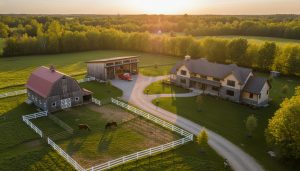
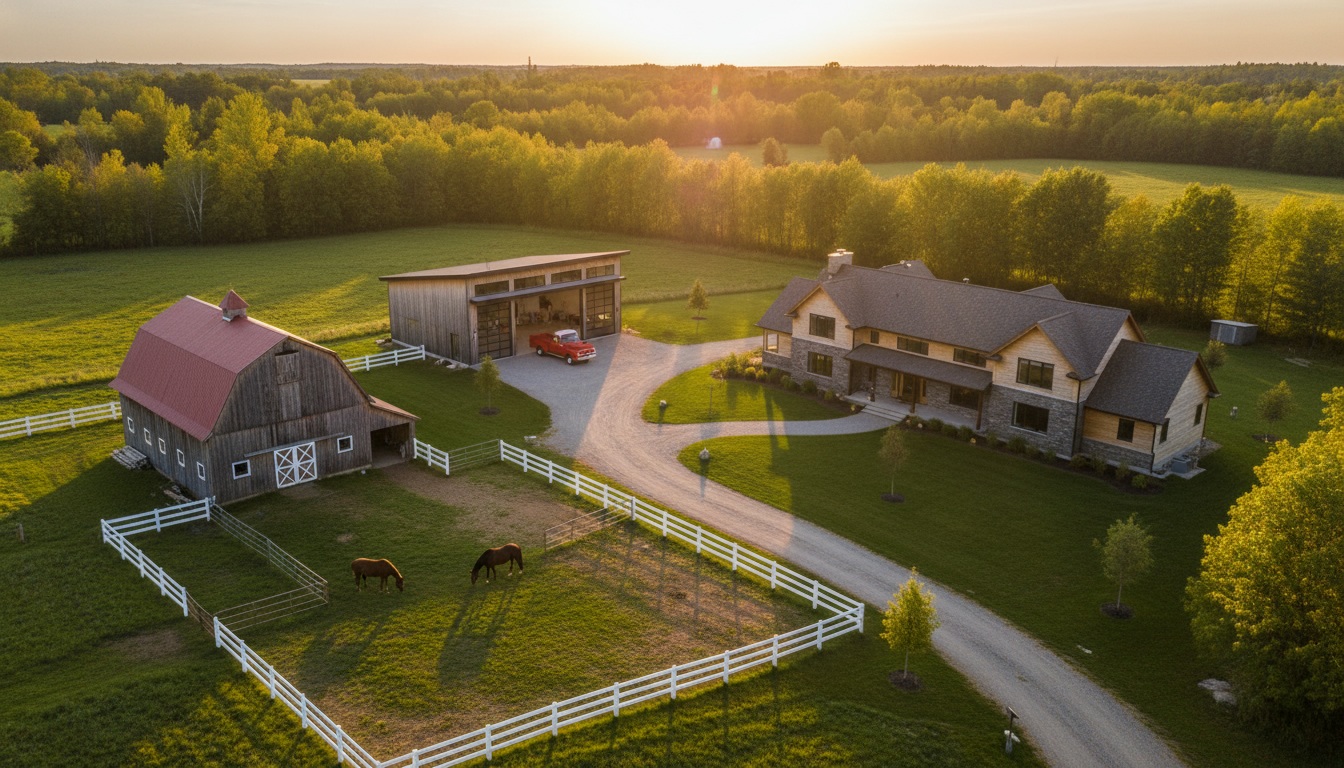
Properties with barns or workshops are not “just houses.” They’re assets with multiple income and lifestyle use cases: hobby farms, equestrian setups, car shops, artist studios, contractor storage, and luxury rural retreats. In Georgetown, ON, these properties carry extra buyer interest because they combine rural space with easy access to the GTA and strong local demand for unique acreage.
If you treat them like a standard house, you leave money on the table. Treat them like a targeted product, and buyers compete. That’s the difference between listing and selling.
First move: position the property before you list
Be specific about who will pay for the barn or workshop. Buyers are not generalists. They are builders, car collectors, equestrian owners, contractors, and lifestyle buyers. Your job is to package the property so those buyers see value immediately.
Action steps:
- Clean and secure the barn/workshop. Replace broken windows, fix doors, clear debris. A functioning, safe space sells.
- Get a basic mechanical inspection for the workshop (electrical, heating, roof). Buyers want reassurance.
- Repair fencing, stalls, arena footing, and driveway if applicable.
- Photograph utility hookups, insulation, concrete floors, hoists, lifts, and built-in storage.
These small investments reduce friction and increase offers.

Price like a product, not like a guess
The market for barns and workshops is niche. Comparable sales may be few. Price using a combination of:
- Comparable acreage in Georgetown and Halton Region
- Replacement cost of workshop/barn features (heated bays, lifts, insulated spaces)
- The property’s highest and best use (hobby farm, rental studio, commercial-within-zoning)
A realtor experienced with rural and unique properties will create a value story that explains why your price is fair. That story keeps buyers engaged and justifies top-tier offers.
Legal, zoning, and permits — clear the hidden obstacles
Buyers will run legal and municipal checks. You must be proactive.
Checklist:
- Confirm zoning and permitted uses with Halton Region and the Town of Georgetown.
- Obtain records for septic, well, building permits, and any past variances.
- Disclose known environmental issues, fuel or chemical storage, and past livestock usage.
- If the barn was used commercially, gather previous business licenses and tax records.
Fixing or disclosing issues early avoids delays and costly renegotiations.
Market like you’re selling a specialty product
Most buyers begin online. You must present the barn or workshop as a feature, not a footnote.
High-impact marketing plan:
- Professional photography: interior shots of bays, lifts, stalls, and storage, plus wide shots of acreage.
- Drone aerials showing property lines, driveways, outbuildings, and nearby greenbelt or trails.
- Floor plans and a workshop layout to show functionality.
- Video walkthroughs and a 60–90 second highlight reel for social ads.
- Targeted ads: Facebook groups (hobby farmers, equestrian, classic-car collectors), Instagram, and niche forums.
- MLS description that leads with the barn/workshop: size, features, utilities, insulation, heating, and access.
Remember: most buyers search with “barn,” “workshop,” or “shop” included. Put those words first in headlines and meta.
Prepare buyers with clear specs and financing options
Workshops and barns sometimes require different financing. Lenders want to know if the structure is permanent and compliant.
Prepare a one-page fact sheet for buyers and lenders that lists:
- Barn/workshop dimensions, materials, and year built
- Electrical service, heating type, and fuel storage details
- Past uses and modifications with dates
- Any income history (rentals, events, boarders)
This reduces lender hesitation and speeds offers.
Staging and presentation — show utility, not clutter
Staging a barn/workshop is not interior decorating. It’s demonstrating capability.
Staging tips:
- Show the primary use: park a truck in a heated bay, display tractors or tack in an equestrian stall, show shelving with labeled storage.
- Clean concrete floors, swept dust, and tidy wiring.
- Label electrical panels and switches.
- Create a “buyer experience” by having a short printed list of possible uses and ROI ideas: rent-to-local-business, car restoration studio, hobby farm income.
Buyers should be able to imagine the first 30 days of using the space.
Pricing strategies to create offers
Use staged pricing tactics:
- Anchor with a full-value price reflecting the barn/workshop’s value.
- Offer a time-limited incentive for an early closing (e.g., include some equipment or transfer of business license if applicable).
- Consider multiple listing options: “barn-ready” vs “as-is” with a clear difference in price tags. That attracts both investors and lifestyle buyers.
Why Georgetown is the sweet spot right now
Georgetown is a commuter-friendly town with rural charm. Buyers from Toronto and Milton want room plus quick highway access. That creates higher demand for small-acreage and functional outbuildings. Local market drivers:
- Proximity to Hwy 401/407 and GO Transit options
- Strong local recreation and equestrian communities
- Limited new rural lots inside town boundaries
These forces make well-presented barn and workshop properties sell quickly and often above expectations.
Work with a specialist, not a generalist
Selling a barn or workshop is a specialist sale. You need a realtor who knows zoning, targeted buyers, and how to market unique assets.
Tony Sousa is a Georgetown-based realtor who focuses on rural, luxury, and unique properties. He builds targeted marketing plans, prepares buyers’ lender packages, and negotiates offers that reflect the true value of barn and workshop features. Contact Tony for a tailored valuation and marketing plan: tony@sousasells.ca | 416-477-2620 | https://www.sousasells.ca
Quick checklist before listing
- Secure and clean barn/workshop
- Get basic mechanical and electrical inspection
- Confirm zoning and permits
- Professional photos, drone, floor plans
- Create one-page factsheet for lenders
- Set anchor price + incentive structure
Do these six things and you convert curious clicks into qualified offers.
FAQ — Common questions sellers ask about properties with barns or workshops
Q: How much does a barn or workshop add to my property value?
A: Value depends on condition, utility, zoning, and buyer pool. A clean, insulated, heated workshop with 200-400 amp electrical service and proper access can add significant value — sometimes tens of thousands — because it reduces buyer’s upfront costs. The best way to know is a local market valuation from a specialist who compares similar listings in Georgetown and Halton Region.
Q: Do I need permits to sell a property with a workshop or barn?
A: You don’t need new permits simply to sell, but buyers and lenders will request records. If modifications were made without permits, disclose them. Resolve serious compliance issues before listing where possible to avoid deal delays.
Q: Will buyers be able to get a mortgage for a property with a barn or workshop?
A: Yes. Lenders underwrite the house primarily, but they’ll review outbuildings for safety and permanence. Providing clear factsheets, inspection reports, and documented utilities speeds financing.
Q: Should I convert the barn to another use before selling?
A: Only if conversion increases buyer pool and ROI. Converting a barn to an apartment might help in some markets but can complicate approvals. Often better: market the current use and show conversion potential as an added narrative.
Q: How do I find buyers for a workshop or barn property?
A: Targeted online marketing, local equestrian and farming groups, contractor and auto-collector communities, and specialized classifieds work best. Your MLS headline must lead with barn/workshop keywords.
Q: What are common deal-killers in these sales?
A: Unknown environmental contamination, unpermitted modifications, poor access roads, and weak electrical service. Fix or disclose these upfront.
Q: How long will it take to sell?
A: It varies. Well-positioned barn/workshop properties in Georgetown often move faster than expected because they attract motivated niche buyers. Expect a listing timeline of 30–90 days if prepared correctly.
Q: How much should I invest in repairs before listing?
A: Prioritize safety, functionality, and visuals: structural fixes, electrical, roof, and clean-up. These yield the highest return. Small cosmetic repairs matter less.
Q: Can I monetize the barn/workshop while it’s on the market?
A: Yes — but be cautious. Short-term rentals or operations can complicate showings and insurance. Disclose any active business and income to prospective buyers.
Selling a property with a barn or workshop in Georgetown is a play for premium buyers. Position properly, clear legal and mechanical hurdles, and market to the right people. Do that and you don’t just sell—you get the offer you deserve.
For a strategy session or a custom market valuation, contact Tony Sousa: tony@sousasells.ca | 416-477-2620 | https://www.sousasells.ca