

How do I sell an inherited property?
Inherited a Home in Georgetown? Sell It Fast — No Probate Headaches, Step-by-Step Plan
If you asked, “How do I sell an inherited property?” here’s the straight plan that turns confusion into cash. This guide walks you through every legal step, local pitfall, and high-impact tactic specifically for Georgetown, ON.
Why this matters in Georgetown, ON
Georgetown is part of Halton Hills. Buyers here are commuting families, professionals and investors who value location, condition and quick closings. That means a clean, staged property near Hwy 7 or the GO station sells faster and for more. But inherited homes often come messy, emotional and full of loose paperwork. That slows sale speed and shrinks profit. Follow this plan and you sell faster, cleaner, and for the price the market demands.
Quick checklist: what to do first
- Find the original will and identify the estate trustee (executor).
- Secure the property: locks changed, utilities on, furnace checked.
- Get multiple valuations: CMA from a realtor, independent appraiser, online estimate.
- Collect paperwork: death certificate, property deed, mortgage statement, tax bill, recent utility bills, survey if available.
- Talk to a probate lawyer and an accountant familiar with Ontario estate rules.
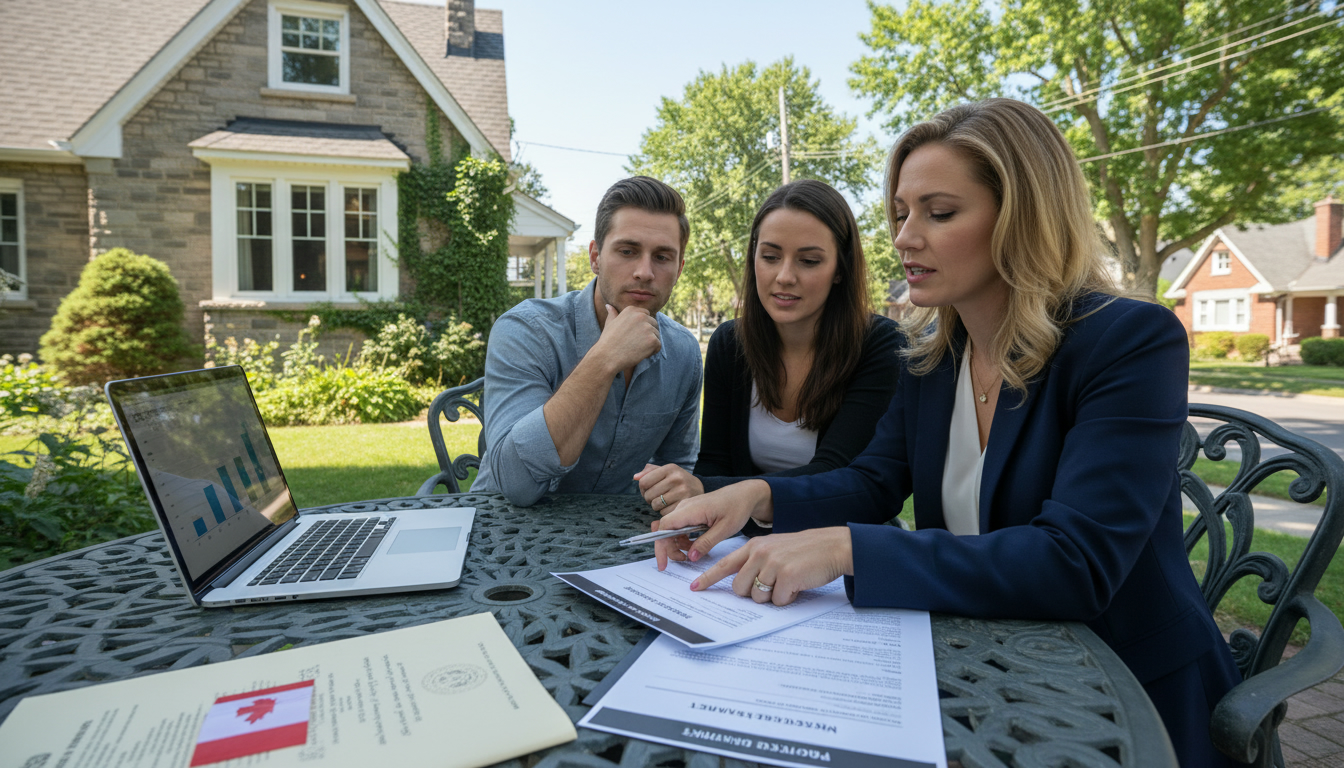
Step 1 — Confirm ownership and legal authority
Who can sell depends on how the title was held:
- Joint tenancy: property usually passes automatically to the surviving joint owner. No probate required.
- Sole ownership with a will: the estate trustee needs a Certificate of Appointment of Estate Trustee (probate) to sell the property if the title must be cleared.
- No will (intestate): the court names an estate trustee. Selling without that will create legal risks.
In Ontario the probate process issues a Certificate of Appointment of Estate Trustee. The estate trustee has authority to sell, but they should confirm powers in the will and speak to a probate lawyer early.
Step 2 — Get paperwork in order (what you’ll need)
- Death certificate (several certified copies).
- Original will (if any).
- Certificate of Appointment of Estate Trustee (if probate required).
- Title deed and parcel identification.
- Most recent property tax bill and utility bills.
- Mortgage statement and any liens registered against title.
- Property survey and any renovations permits.
- Minutes or correspondence if the property is subject to a trust or tenancy agreements.
Tip: Missing documents slow closing. Create a single folder (digital + physical) labelled “Estate — [Property Address]”. Scan everything.
Step 3 — Understand tax and legal costs in Ontario
High-level overview — get professional advice for exact numbers:
- Estate Administration Tax (formerly probate fee) applies in Ontario and is paid by the estate when probate is granted. The amount depends on the estate’s value.
- Capital gains: Canada treats the deceased as having disposed of assets at fair market value at death. If the estate sells the property, gains are handled on the final tax return. If the beneficiary receives the property, different rules apply. An accountant will explain whether the estate or beneficiaries pay taxes.
- Land Transfer Tax: transfers can trigger land transfer tax. Talk to your lawyer about exemptions and timing.
- Outstanding debts, mortgages and creditor claims must be settled from estate proceeds.
Always get an estate lawyer and tax professional to confirm how these apply to your situation in Georgetown, ON.
Step 4 — Decide how to sell: three clear paths
1) Traditional listing with a realtor (best for price)
- Market the property, prep, stage and negotiate offers. Expect higher net proceeds when the home is in good condition and staged for Halton Hills buyers.
2) Sell to an investor or cash buyer (best for speed) - Faster closing, less prep, but lower price. Use when you need cash quickly or the house needs heavy repairs.
3) Auction or tender (best in specific markets) - Use if you expect a bidding war or want a tight timeline. Auctions can be unpredictable.
Choosing the path depends on timelines, estate duties and the condition of the home.

Step 5 — Prepare the house (budget-based plan)
- No budget: deep clean, remove personal items, clear trash. Neutralize odors.
- Small budget (<$5,000): paint high-impact rooms (kitchen, main bath), update hardware, clean landscaping, carpet steam.
- Investment budget: replace dated kitchen elements, fix major mechanicals, add fresh landscaping and professional staging.
Data-backed approach: every dollar spent should either reduce days on market or increase sale price more than cost. Get a local realtor’s CMA to decide what to invest.
Step 6 — Pricing strategy for Georgetown
- Price at market or slightly below for fast offers; price high if the market is hot and inventory is low.
- Use local comps in Halton Hills, compare to recent sales in Georgetown and consider commute routes, school zones and condition.
- Avoid emotional pricing. Executors must act in beneficiaries’ financial interest.
Step 7 — Marketing and showing the property
- High-quality photos and a floor plan are non-negotiable.
- List on MLS and target buyers who commute to Toronto (mention GO train access), families (local schools), and investors.
- Offer flexible showing times. If tenants exist, know the Residential Tenancies Act obligations.
Step 8 — Negotiation and closing
- As estate trustee, you have fiduciary duties. You must get fair value for beneficiaries.
- Consider including conditions that protect the estate: financing condition lengths, inspection clauses and reasonable closing dates.
- Confirm payoff amounts for mortgages and liens before closing.
- Use a real estate lawyer to prepare closing documents and ensure proceeds are correctly distributed.

Common red flags that stall sales in Georgetown
- Unclear title or missing original deed.
- Multiple beneficiaries who disagree.
- Tenants with legal protections.
- Unpaid property taxes or municipal work orders.
- Significant structural or environmental issues (mold, asbestos, flood damage).
Address these early. A short hold to fix a problem often yields a higher sale price.
Local market tips specific to Georgetown, ON
- Buyers in Georgetown value proximity to GO Transit, schools like Norval and local parks. Mention commute times to Toronto and major roads.
- Halton Hills planning rules can affect severances and renovations. If you plan to subdivide, consult the Town of Halton Hills planning department early.
- Seasonal timing: spring and early fall bring more active buyers in this region. Winter sales can be slower but attract serious buyers.
Why hire a local expert who specializes in inherited property sales
Selling an inherited home requires legal coordination, tax understanding and marketing skill. A local expert brings:
- Probate and estate sale experience specific to Ontario.
- Local comps and buyer knowledge for Georgetown.
- Relationships with estate lawyers, accountants and tradespeople.
If you want someone who handles the whole process end-to-end, you need a realtor who knows Halton Hills and estate law logistics.
Next steps: a practical two-week action plan
Week 1
- Locate will and important documents.
- Secure property and order basic inspection (roof, furnace).
- Request mortgage and tax statements.
- Talk to an estate lawyer and accountant.
Week 2
- Order CMA and an independent appraisal.
- Decide repair budget and hire contractors if needed.
- Choose selling path and list the property or contact cash buyers.
Follow this plan and you’ll remove delays that cost money.

FAQ — Selling an inherited property in Georgetown, ON
Q: Do I always need probate to sell an inherited home?
A: Not always. If the property was held in joint tenancy it typically passes to the surviving owner automatically. If the deceased owned it solely, probate (Certificate of Appointment of Estate Trustee) is commonly required before selling. Small estates under a threshold may have simplified processes. Speak with a probate lawyer.
Q: How long does it take to sell an inherited property in Georgetown?
A: Timeline varies. If title and paperwork are ready and the home is market-ready, 30–90 days from listing to close is realistic. Probate can add months if required before listing.
Q: Who pays the mortgage and taxes while the estate settles?
A: The estate is responsible for mortgage payments and property taxes until the property is sold or transferred. Ensure these are current to avoid enforcement actions.
Q: How are sale proceeds split between beneficiaries?
A: After paying debts, taxes, legal and administrative costs, the net proceeds are distributed according to the will or Ontario intestacy laws. The estate trustee must document everything.
Q: Can I sell the property “as-is”?
A: Yes. Selling as-is speeds the process and avoids repair costs. Expect lower offers. Disclose known defects to avoid legal claims.
Q: What if beneficiaries disagree about selling?
A: Try mediation. If unresolved, an estate trustee may apply to the court for directions. Disagreements delay the sale and reduce net proceeds.
Q: Are there special municipal rules in Georgetown I should know?
A: Check with the Town of Halton Hills for permits, property standards orders or heritage designations. These issues can delay transfers and require remediation.
Final word — act now, but act correctly
Inherited property equals responsibility and opportunity. Move deliberately: secure documents, confirm legal authority, get a local valuation, and pick a selling path aligned with your timeline. The wrong move costs months and thousands.
If you need a local, no-nonsense partner who understands Georgetown, probate logistics and how to get the highest net for beneficiaries, contact Tony Sousa. He handles estate sales in Halton Hills end-to-end and will coordinate lawyers, appraisers and trades so you don’t carry the burden.
Contact Tony Sousa
Email: tony@sousasells.ca
Phone: 416-477-2620
Website: https://www.sousasells.ca
Download a free estate-sale checklist from his office, or call for a no-pressure consult tailored to your property in Georgetown, ON.