
How do I sell a parent’s home with sentimental furniture still inside?
Selling a House? How to Sell a Parent’s Home Without Throwing Out Sentimental Furniture
You’re not alone. Families in Georgetown, ON face this exact question every week: how do you sell a parent’s home when the house is full of memories? I’ll give you a straight plan you can act on today — practical steps, local market moves, and emotional strategies that actually work.
Why this is different in Georgetown
Georgetown is not the same as downtown Toronto. Buyers here want character: mature trees, classic mid-century pieces, light-filled living rooms and yards for kids. That works for sellers — but it also means sentimental furniture can be an asset if handled right. Get this wrong and you’ll lose time, buyers, and money. Get it right and you turn memories into market value.
Key local facts you need to know:
- Georgetown sits in Halton Hills. Buyers often come from Milton, Acton, Brampton and the GTA west. They value move-in-ready but also love charm.
- Market speed fluctuates by season. Spring sells faster; winter needs sharper pricing.
- Average days on market here are competitive. Overpriced homes sit a lot longer and emotional clutter kills first impressions.
A hard, simple truth
Furniture can help sell a house — or it can stop a sale cold. Buyers judge in the first 30 seconds. Cluttered, lived-in rooms feel smaller. Clean, curated rooms feel bigger and worth more.
If you can’t make a quick, objective call about each item, you will hesitate. Hesitation costs money.

Step-by-step plan to sell fast with sentimental furniture inside
This is a practical checklist. Do it in order.
1. Clarify who makes decisions
If you’re the executor or power of attorney, confirm legal authority. If siblings are involved, set a short timeline and a decision method (2-of-3 votes, majority, or executor decides). Avoid long debates.
Why: No buyer wants a house where ownership is unclear. Lender and title checks get picky.
2. Inventory and triage — 3 piles
Room-by-room, create three piles: Sell with house (staged), Store, Let go (donate/sell separately).
- Sell with house: Items that add charm and help photos. Keep only what highlights the space.
- Store: Valuable or sentimental pieces you want to keep for family. Rent a local self-storage unit in Georgetown for short-term storage.
- Let go: Bulky, outdated, or worn pieces. Donate nearby (Goodwill, Furniture Bank, local churches) or sell in a garage/estate sale.
Be ruthless. If an item doesn’t make a room look larger or more inviting, it goes.
3. Price the house for the market — not for emotions
Your listing price must reflect Georgetown comps, not nostalgia. We use recent MLS sold comparables from Halton Hills, not memories of past offers. If you need help, get a local market evaluation now.
Pricing tip: If sentimental furniture must stay, factor staging value into price — but only modestly. Buyers will still mentally subtract when seeing personal items.
4. Professional staging and targeted photography
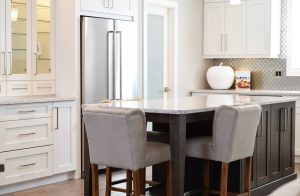
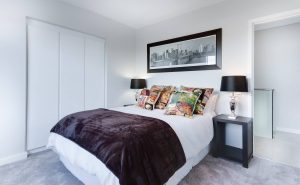
Staging sells faster. In Georgetown, buyers crave a blend of clean and classic. Keep 2–3 sentimental pieces per room maximum. Use neutral covers and remove family photos.
Hire a pro photographer who shoots wide-angle, bright photos. Photos set expectations. If the home looks cramped, buyers won’t tour.
5. Offer furniture options to buyers
Make it easy: create three options in the listing and at showings.
- Option A — Home sold as-is with specific furniture staying (list items).
- Option B — Home staged and most furniture removed before possession.
- Option C — Negotiated sale: buyer can buy select pieces at agreed prices.
This reduces friction. Buyers who love the kitchen table can buy it. Buyers who want empty rooms choose Option B.
6. Quick-value appraisal for keepsake pieces
For valuable antiques, get a local appraisal or consignment estimate. Georgetown has several antiques buyers and consignment stores that can help. This helps families decide what to store vs sell.
7. Clear legal & disclosure issues
If the seller is deceased, check probate and executor instructions. Disclose all material facts about condition, renovations, and any outstanding liens. If furniture staying changes the use of rooms (e.g., bedroom used as storage), disclose that.
Legal tip: Don’t sign offers with vague “as-is” wording if items will remain. Be explicit about which items stay.
8. Plan staging and showing logistics
- Remove personal photos and religious items.
- Use neutral scents. No heavy cooking smells during showings.
- Keep furniture arranged to show flow.
- Offer private viewings for family and key buyers.
Timing: Aim for 48–72 hour turnaround from staging to listing. Momentum matters.
9. Options for handling large, sentimental furniture after sale
- Local consignment: Quick sale at decent price.
- Estate sale company: Good for volume. Cost is a percentage.
- Auction house: Faster, sometimes lower price.
- Donation pickup: Free and tax receipt.
Each option has trade-offs. For high emotional items, store short-term and let family decide post-closing.
10. Tactical negotiation moves
If a buyer requests certain pieces stay, use it as leverage:
- Convert into a buy-out and add to purchase agreement.
- Offer a small credit to the buyer for leaving trusted furniture.
- Require a clear list of items staying and their condition in the contract.
This prevents last-minute disputes.
Real examples and local wins
Case study: A two-storey on Main Street. Family wanted to keep a large antique wardrobe. We suggested storing it, staged with a lighter piece. House listed, multiple offers in 5 days, sold 8% over asking. Family later sold the wardrobe via a Georgetown consignment shop and made more than storage costs.
Local insight: Many buyers in Georgetown prefer homes ready to move into. When rooms are staged and light, they pay more. Sentimental clutter lowers perceived value; curated keepsakes raise it.
Cost and time estimates (realistic)
- Short-term storage in Georgetown: $50–$150/week depending on unit size.
- Professional staging: $500–$3,000 depending on scale.
- Estate sale company: 20–35% of sales revenue.
- Consignment or antique buyer: variable; a single high-value piece may fetch hundreds to thousands.
You’ll spend something. But the alternative is a longer marketing time and lower net sale. Fast sell + right price = more net to family.
Emotional handling — be direct, be kind
This is hard. Practical rules make it easier:
- Give family one week to claim items after listing decision.
- Photograph everything before moving it.
- Offer a videoconference walkthrough for out-of-town relatives.
- Use a binder with appraisals, donations receipts, and decisions recorded.
These steps avoid later arguments and legal fights.

Why local expertise matters
Georgetown buyers have patterns. An experienced local Realtor knows which sentimental pieces boost curb appeal and which kill it. A local agent also knows the best storage facilities, consignment shops, and estate sale pros.
If you’re selling a parent’s home in Georgetown, you need someone who understands Halton Hills zoning, local comparables, and buyer psychology here.
Final checklist before listing
- Confirm legal authority to sell.
- Inventory and triage furniture.
- Rent short-term storage for keepsakes.
- Stage with a max of 2–3 sentimental pieces per room.
- Get professional photos and a local market-priced listing.
- Include clear furniture options in the listing.
- Prepare signed documentation of items staying.
Call to action — get local, reliable help
Selling a parent’s home is technical and emotional. You don’t have to do it alone. Tony Sousa is a local Realtor in Georgetown who handles estate sales, staging coordination, and negotiations every week. For a fast, respectful sale that protects memories and maximizes value, contact Tony directly at tony@sousasells.ca or 416-477-2620. Visit https://www.sousasells.ca for a free market evaluation.
FAQ — Selling a parent’s home with sentimental furniture (Georgetown-specific)
Q: Can I sell the house ‘as-is’ with all furniture inside?
A: Yes, but expect a lower sale price. Buyers factor in clean-out costs. If you want top dollar, stage and remove excess items.
Q: Who pays for storage or removal?
A: The estate typically covers these costs before distribution. Discuss with all heirs. For urgent sellers, short-term costs can be recouped from the sale proceeds.
Q: How long should sentimental items stay on-site for showings?
A: Keep only a few tasteful pieces per room. Remove photos and personal memorabilia. Buyers want to envision themselves in the space.
Q: Are there local buyers for antiques in Georgetown?
A: Yes. Georgetown and nearby Acton have consignment stores and antique dealers. Also consider Toronto auction houses for higher-value pieces.
Q: What about probate or executor responsibilities in Halton Hills?
A: Executors must follow the will and provincial rules. Probate can affect timing. Consult a local estate lawyer for specifics.
Q: Can buyers request items stay in the purchase offer?
A: Yes. Make any such agreement explicit in the offer and list items and conditions. Consider compensation or credit for items that remain.
Q: How do I value sentimental furniture quickly?
A: Get a consignment estimate or local appraiser. Photograph items and ask for quick quotes from antique dealers.
Q: What if family fights over items after sale?
A: Document decisions in writing, photograph items, and use a neutral third-party to handle distributions. Legal counsel may be needed for serious disputes.
Q: What’s the fastest way to clear a house in Georgetown?
A: Combine storage for keepsakes, donation pickups, and an estate sale company for bulk items. That clears space quickly while minimizing family stress.
Selling a parent’s home is a transaction and a transition. Handle the logistics, protect the memories, and price for the local market. Do those three things and you’ll sell faster and net more. For local expertise, appraisals, or a no-nonsense market plan in Georgetown, contact Tony Sousa at tony@sousasells.ca or call 416-477-2620.