

What does the selling price include?
You think the selling price is just the number on the contract? Think again — here’s what it actually includes, and what it doesn’t.
Why this matters if you’re selling in Georgetown, Ontario
Selling a home is more than a sign in the yard. The selling price is the headline. But the real profit, the timeline, and the legal outcomes depend on what that price actually includes and what costs sit off-stage. In Georgetown’s commuter market — buyers who value GO access, school zones, and small-town charm — pricing clarity wins deals and protects your net proceeds.
I work with sellers in Georgetown every week. I see the same mistakes: owners assume the selling price covers closing costs, taxes, and repairs. They don’t. They leave money on the table. This post strips the fluff and shows you exactly what the selling price includes, how it affects your bottom line, and the actions that keep your sale clean and fast.
The clear answer: what the selling price includes
The selling price is the amount the buyer agrees to pay for the property in the Agreement of Purchase and Sale. It covers the real property being transferred: the land, the building, and fixtures attached to that building. That number is the base for all closing statements. Simple. But the details matter:
- Land and permanent structures: the lot, house, garage, decks, built-in features.
- Fixtures that stay attached: light fixtures, built-in cabinetry, bathroom fixtures, plumbing and heating systems.
- Agreed chattels and inclusions: items explicitly listed in the agreement (examples: fridge, washer, window coverings). If not listed, they may be negotiable.
- Adjustments at closing: property tax and utility balances are adjusted from the possession date — these are calculated against the selling price but are credited/debited separately.
What the selling price does NOT automatically include:
- Real estate commissions and legal fees — these are paid out of the seller’s proceeds.
- Mortgage payoff and discharge fees — seller must clear existing encumbrances from proceeds.
- Home repairs required by the buyer or inspection conditions — unless negotiated into the sale.
- HST on resale homes — typically not charged on used residential properties; it applies in specific new-build or commercial scenarios.
- Capital gains tax — only if the property is not your principal residence.
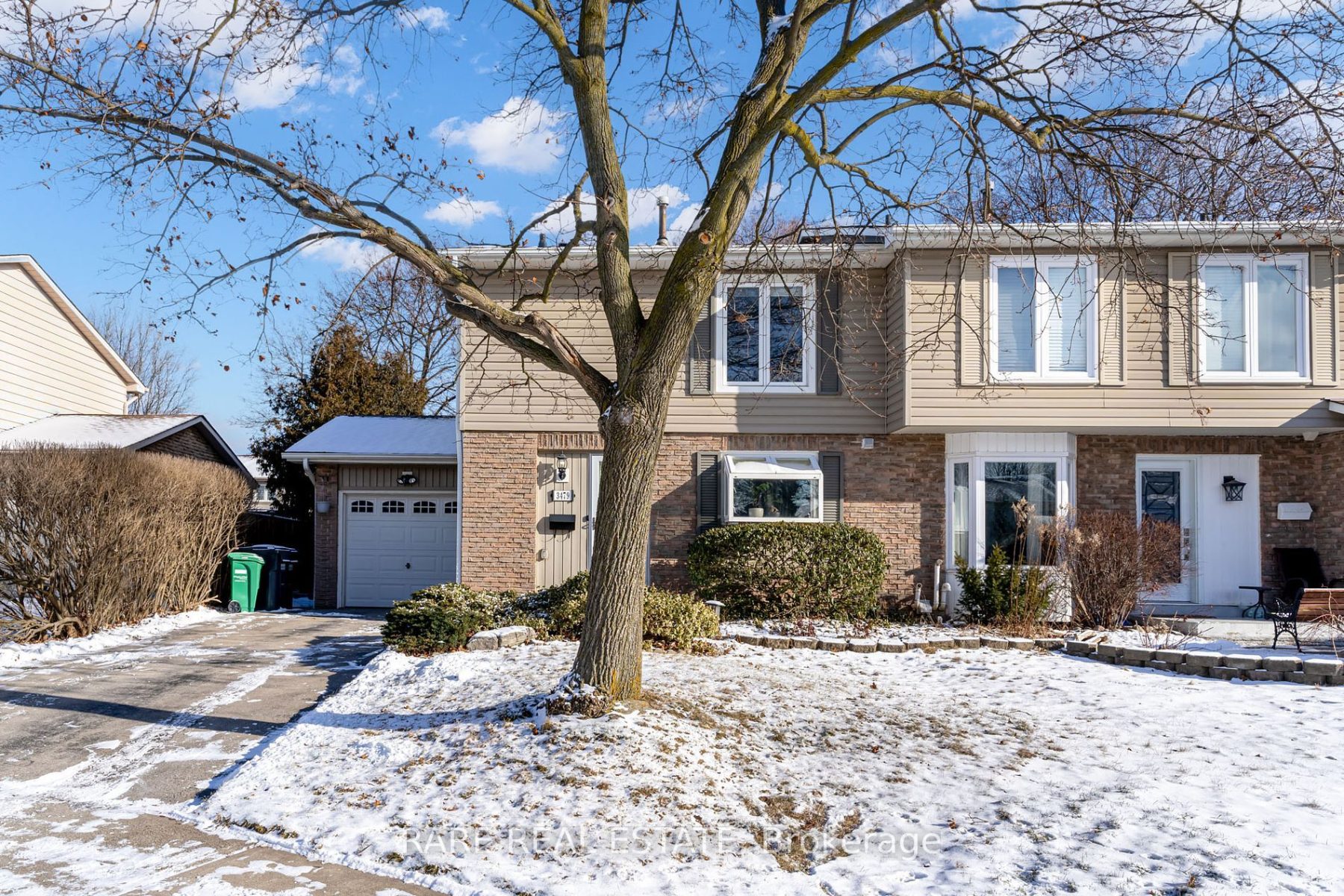
The Agreement of Purchase and Sale: your control center
The selling price is set in the Agreement of Purchase and Sale. This document also defines inclusions and exclusions. Don’t assume anything. Be explicit.
- List every appliance and item you expect to leave. Use simple short lines: “Fridge (white), Stove (gas), All light fixtures, Window coverings.”
- State exclusions clearly: if you’ll take the shed or a custom light fixture, write it in.
- If you’re including items to sweeten the deal, state their condition and brand when relevant.
A well-written agreement prevents disputes. That keeps your closing fast and cost-efficient.
How selling price links to what you actually receive (net proceeds)
Think in two layers:
1) Gross sale price = the number the buyer pays.
2) Net proceeds = what hits your bank after all deductions.
Common deductions from the sale price that reduce your net proceeds:
- Mortgage payoff and discharge fees.
- Real estate commissions (typical ranges vary by market and agreement).
- Legal and closing fees.
- Any repairs, credits, or closing-adjustments owed to the buyer.
- Outstanding property tax or utility adjustments.
To protect your net proceeds, calculate a realistic seller’s net early. Your agent will prepare a net sheet showing buyer price scenarios and final cash after costs. If you skip this, you risk pricing based on wishful thinking rather than reality.
Georgetown-specific factors that affect the selling price and inclusions
Georgetown buyers are strategic. They want value, commute convenience, and move-in-ready homes. Local conditions that change what selling price includes and how buyers evaluate it:
- Commuter priorities: proximity to GO Station increases buyer demand. If your home is near transit, buyers will pay more for turnkey convenience.
- School catchments: buyers pay premiums for top schools. Small improvements in kitchens and bathrooms can yield outsized returns.
- Lot and views: properties near the Niagara Escarpment or with larger yards command higher prices. Clarify boundary items and landscaping inclusions.
- Renovation disclosure: buyers in Georgetown expect professional finish quality. Full disclosure of recent renovations avoids legal headaches and preserves buyer trust.
Local market tip: properly marketed homes in desirable Georgetown pockets often receive multiple offers. When that happens, your inclusions list becomes a negotiating tool. Trim or add items strategically to preserve sale price while satisfying buyer expectations.
Practical steps to protect your selling price and net proceeds
- Price with data, not hope. Ask for a competitive market analysis. Compare recent solds within 30 days and within walking distance.
- Create a clear inclusions/exclusions list before listing. No surprises for the buyer, no last-minute fights.
- Fix small issues early. Spend money where it returns more than cost — minor kitchen refresh, paint, and curb appeal.
- Consider a pre-list inspection. It reduces renegotiation risk and speeds closing.
- Prepare a seller’s net sheet. Know your walk-away number and your target price.
- Stage for the buyer profile. Georgetown buyers often want commuter-ready, family-friendly homes. Stage bedrooms, kitchens and commuter parking spaces accordingly.
- Negotiate professionally. Be firm on items that don’t affect saleability. Trade lower-value items to protect price.

Taxes and legal notes for Ontario sellers
- HST: Generally, resale homes are exempt. New homes, builder properties, and commercial elements can trigger HST. Confirm with your lawyer or accountant.
- Capital gains: If the property was your principal residence the gain may be exempt. If not, consult an accountant for taxable implications.
- Land transfer tax: Paid by the buyer in Ontario on resale properties. Sellers normally don’t pay this.
Always get final advice from your lawyer and accountant. That avoids surprises at closing.
Pricing strategy options that protect value in Georgetown
- Price aggressive to attract multiple offers: works in high-demand pockets. Keep inclusions minimal to preserve price.
- Price competitively for a quick sale: accept a fair market price and offer key inclusions to shorten time on market.
- List with strategic incentives: include appliances or offer a small closing credit instead of repairs. Credits can simplify closing logistics.
Your choice depends on timeline, market heat in your micro-neighbourhood, and personal priorities. A local agent will recommend the right play.
Why clarity wins — and how to get it
Confusion costs money. A vague inclusions list invites buyer requests or legal claims. Clear contracts close faster and net more cash.
Three-minute checklist before you list:
- Create a complete inclusions/exclusions list.
- Order a seller’s net sheet to see the final cash scenarios.
- Decide which items you’ll remove and note them on the house and in your listing.
Do these three things and you’ll eliminate the most common sellers’ mistakes.
Ready to sell in Georgetown? What to do next
If you want a precise, local net estimate and a custom marketing plan for your Georgetown home, get professional help early. A local expert will run comps, prepare a net sheet, recommend repairs that increase returns, and draft a clean inclusions list that protects your selling price.
Contact Tony Sousa for a fast, no-nonsense valuation and a step-by-step plan built for Georgetown sellers:
- Email: tony@sousasells.ca
- Phone: 416-477-2620
- Website: https://www.sousasells.ca

FAQ — Quick answers Georgetown sellers ask often
Q: Does the selling price include appliances?
A: Only if the Agreement of Purchase and Sale lists them as inclusions. Always specify by item.
Q: Who pays HST on a house sale in Ontario?
A: Generally, resale residential homes are HST-exempt. New builds or commercial parts may be subject to HST.
Q: Do sellers pay land transfer tax?
A: No. In Ontario, the buyer typically pays land transfer tax on resale homes.
Q: Will repairs be deducted from the selling price?
A: Repairs are not automatically deducted. They matter when negotiated after inspection. You can offer credits or complete repairs prior to closing.
Q: How do I find my net proceeds from the selling price?
A: Request a seller’s net sheet from your agent. It itemizes expected commissions, legal fees, mortgage payoffs, and adjustments.
Q: Can I remove fixtures before closing?
A: Not if they’re listed as fixtures in the agreement or part of the property. Clarify exclusions before listing.
Q: What if a buyer wants more inclusions without changing price?
A: Negotiate. You can refuse, offer credits, or make trade-offs that preserve your net proceeds.
Q: Who decides what’s a fixture vs. a chattel?
A: The Agreement determines it. Generally, items attached permanently are fixtures. When in doubt, specify it in writing.
If you want clear numbers and a market-backed plan for your Georgetown property, contact Tony Sousa today. Sell smarter, protect your proceeds, and close with no surprises.